Trip to Kenya in 2008
Until now, I have visited two countries in addition to Finland: Estonia and Kenya. I have made two round-trip flights in an airplane (besides Kenya, a confirmation camp trekking in Lapland). The trip to Kenya was a study trip for my landscape design studies. It was arranged yearly, and when two from my class had been there and praised the experience, I thought I would muster up some courage and apply for next year’s trip. There were eight available spots and eight applicants, so everyone got a place. In the end, we were only six.
The trip took 16 days, 17/10–1/11/2008. The goal of the study trip was to make presentations of two plants and their cultivation, physic nut (Jatropha curcas, mbono) and aloe (Aloe secundiflora and Aloe turkanensis, mshubiri), and start a physic nut farm in an eco village. We visited various places and also got to go on safaris to see animals and nature. Like above, I will put the Swahili name of the species after the scientific name, if I can find it out.
Three months after the trip I finally put some pictures in social media and thought that I ought to make a blog post as well, but that ended up taking me eighteen years. There are lots of photos. I spent several days selecting photos for the blog but in the end I just couldn’t remove a single one, so there are about two hundred of them. There are also three small videos. In total I have more than seven hundred photos from the trip, and I should take time to delete some of them.
The filenames are timestamps of the form yyyymmdd_hhmmss, but the clock of my camera was one hour behind, so you have to add one hour to know what time it was in Kenya. On Sunday 26/10 I have apparently noticed this due to Finland moving from daylight saving to standard time, because from that day onwards the timestamps are in Kenya’s timezone (even the airplane photos in the end). Even after returning to Finland I didn’t remember to set the clock back to Finland time for a long time.
The photos can be enlarged by clicking and closed by clicking outside the photo or by pressing Esc or Enter.
Published .
Map
The map shows the places we visited. The numbers correspond to the numbers in the text. It’s probably best to open the map in another tab or window if you want to follow it while reading.
We spent more than 1,600 km in a car during the trip. The number is very rough and is based on adding together all distances by road between the places we visited, but it is surely lacking various shorter drives. The distance driven in Maasai Mara was probably also more than what I estimated.
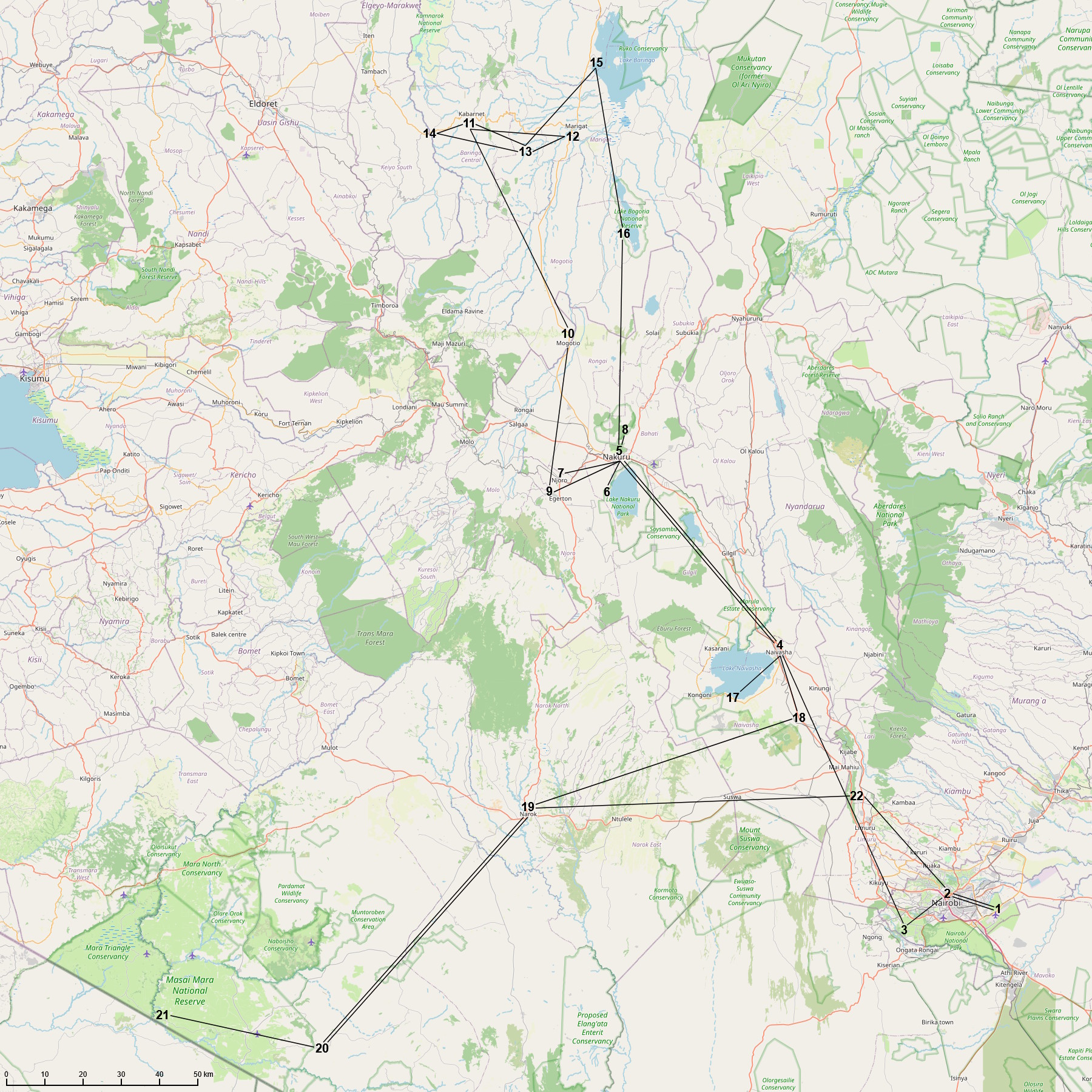
Map source: OpenStreetMap, licence ODbL.
Before the trip
Three weeks before the trip we got three vaccinations at the same time: against yellow fever, meningitis and hepatitis A. One of us also got the chickenpox vaccine, because she hadn’t had chickenpox as a child. We also had to start an antimalarial medication before the trip. We were told that there are two alternative medications, the cheaper of which could cause psychosis for sensitive people. I decided to take the more expensive one. The information on the yellow fever vaccine mentioned that it was “produced in a pathogen-free chicken embryo”.
I needed to get 50 United States dollars for the visa. The bank gave me four tens and ten one-dollar notes, because the currency order form didn’t allow to choose what type of notes I want and I didn’t dare ask if I could have for example five tens. It didn’t cause any trouble though.
We had to familiarise ourselves with Kenya in advance. Everyone was given a subject to study more closely: mine was environment and energy. The subject of my groupwork was jatropha, which produces oil that can be used as fuel and doesn’t produce smoke when burning. The plant thrives even in poorer soil and you don’t have to use the best cropland for it.
In the past, I had looked a bit at the Swahili language which is an official language of Kenya along with English and which is spoken as a lingua franca in East Africa. I can’t actually speak the language but I like it, so I took a dictionary with me and managed to say some sentences, and even negotiated about price with a souvenir seller.
Two weeks before leaving, the tour leader told us she would be going to Kenya a couple days before us and told us to follow her. That was a bit of a shock to me, and I hoped the others would have travel experience, because I had no idea how airports work.
Fri 17/10
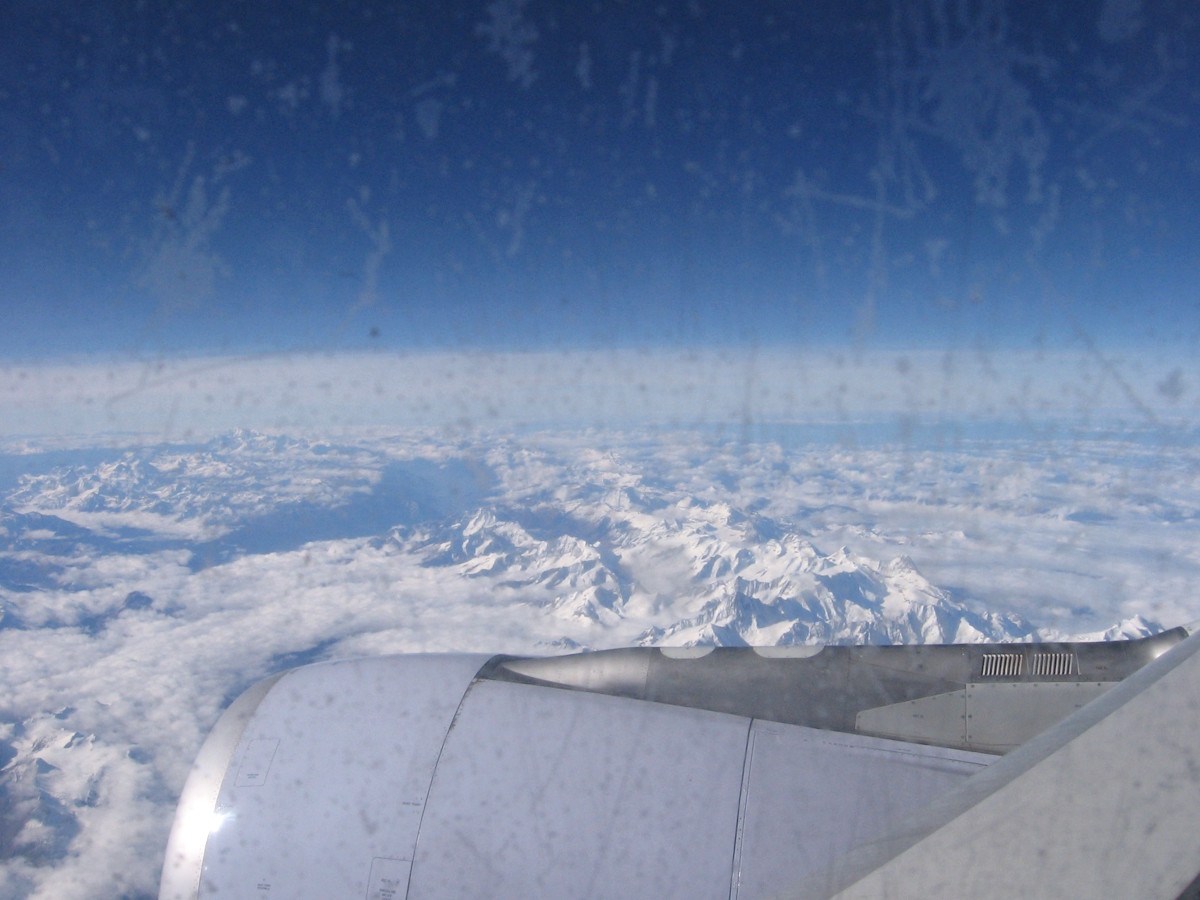
Around four in the morning I took a taxi from home to the nearest city where I got a lift to the airport from one of our group. The flight left Finland at half past seven. I guess there weren’t any problems, because I don’t remember panicking. We had a stopover in Brussels, Belgium. It was pretty cloudy during the flight, but we also had some views of the ground; the photo was taken above the Alps. There was another stopover in Entebbe, Uganda. We arrived in Jomo Kenyatta Airport in Nairobi a little before ten in the evening. Everyone’s luggage was accounted for. We payed for the visa, exchanged money and left. If memory serves right, I saw the first palm tree in my life already at the airport.
We thought it was nice and warm, but at some point we found out that the second rainy season of the year had started early and it was cooler than normal. Some local people wore wool sweaters because they thought it was quite chilly.
During the whole trip, we drove around in a safari van that had a lifting roof so that we could see the view. With us, there were the tour leader, a representative of the Farming Systems Kenya NGO (more on the organisation later) and a driver, as well as others when needed.
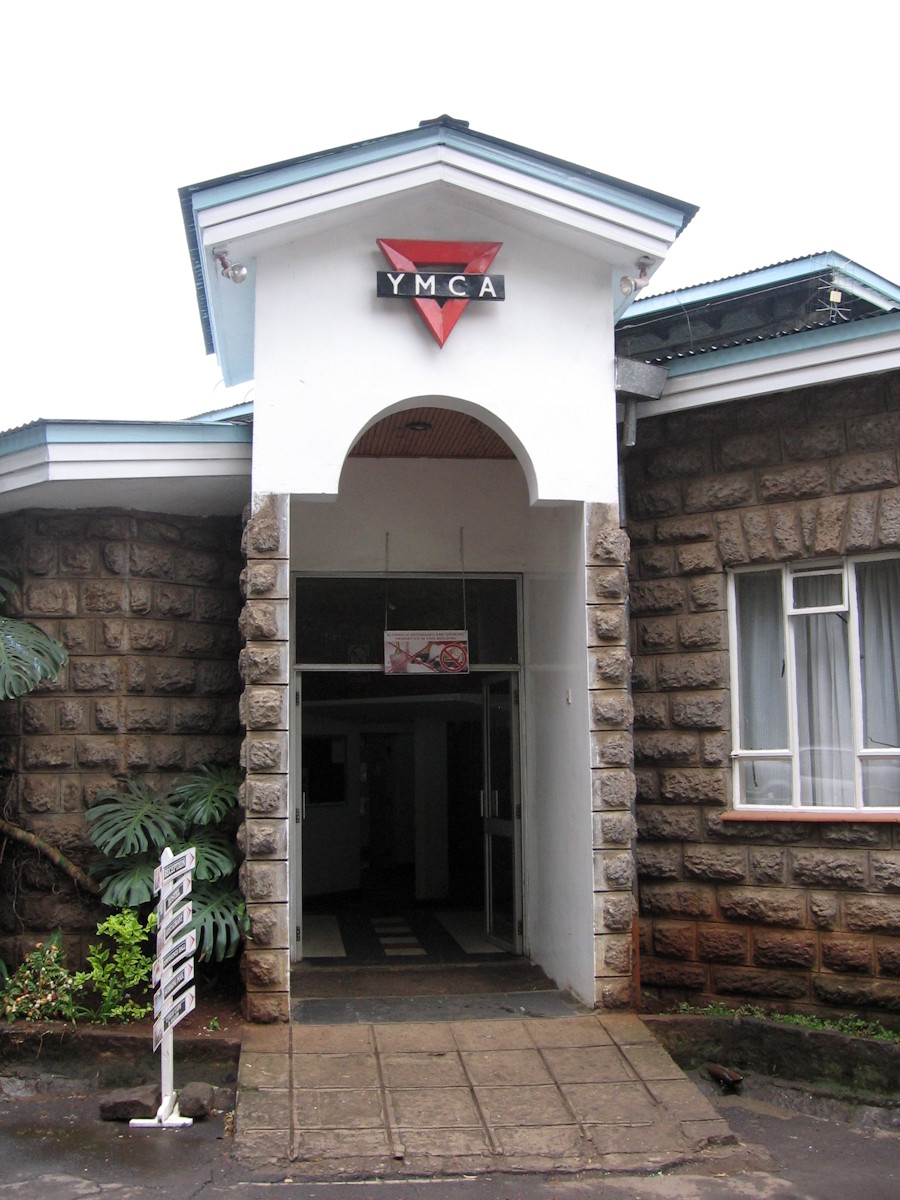
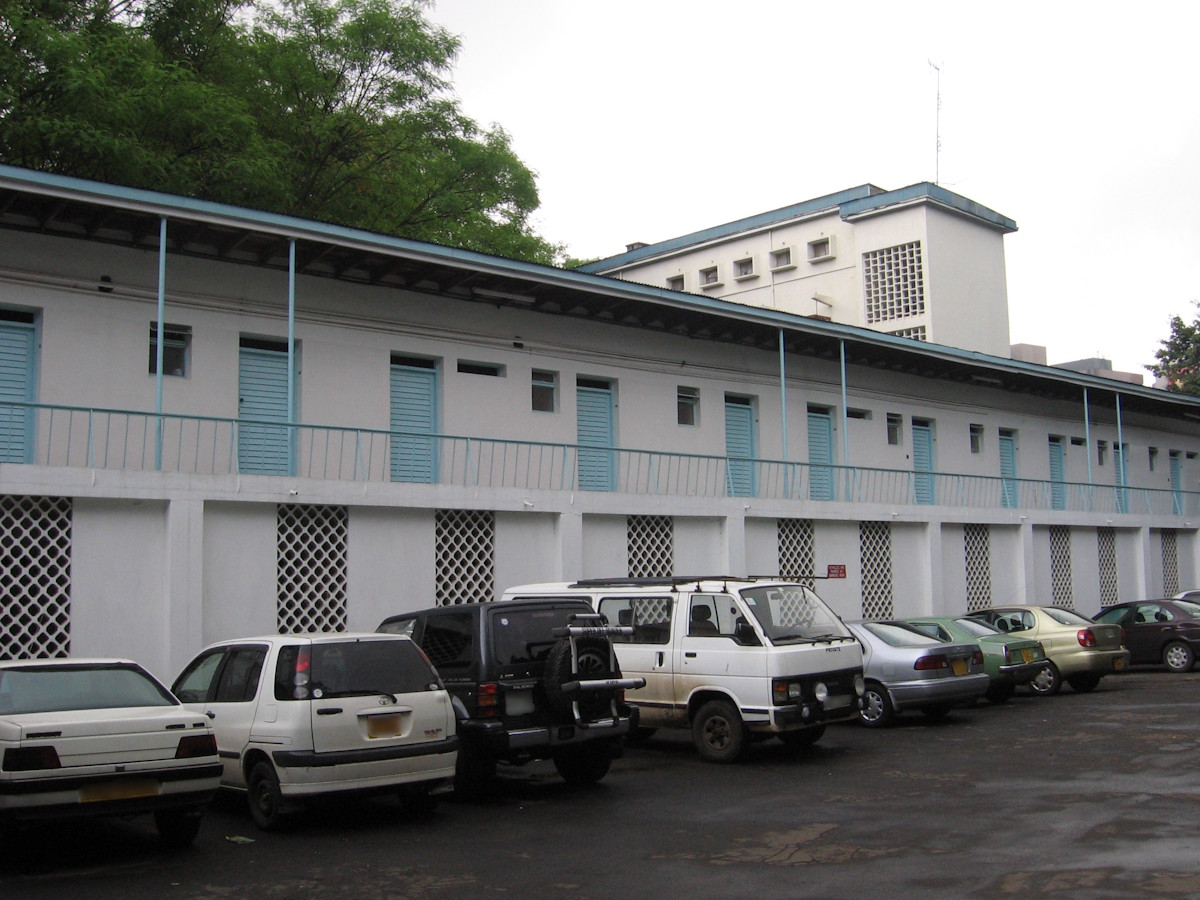
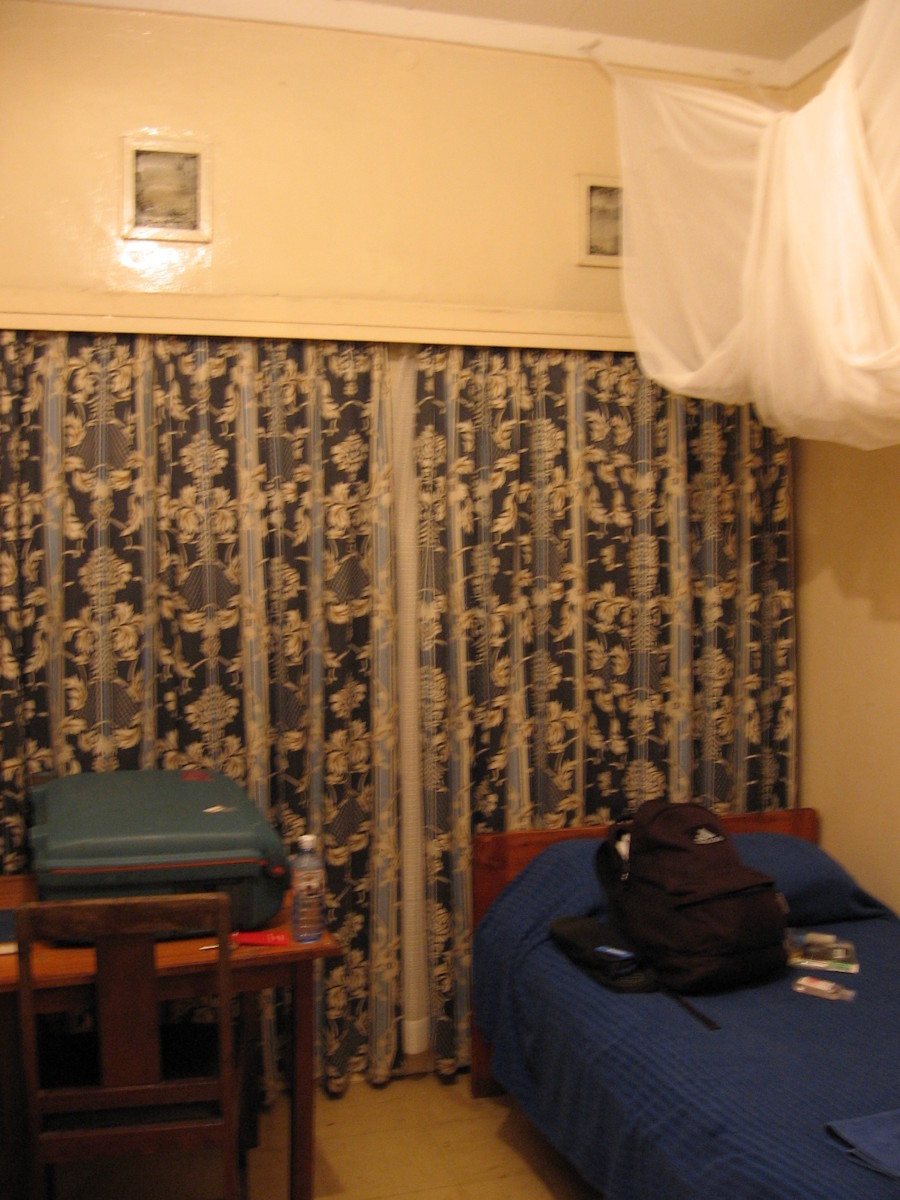
Our first lodging, YMCA. We had supper and got to bed after a long day at half past midnight. Because I was the only male member of the group, I always had a room for myself, which was ok by me, because I need my own space.
Sat 18/10
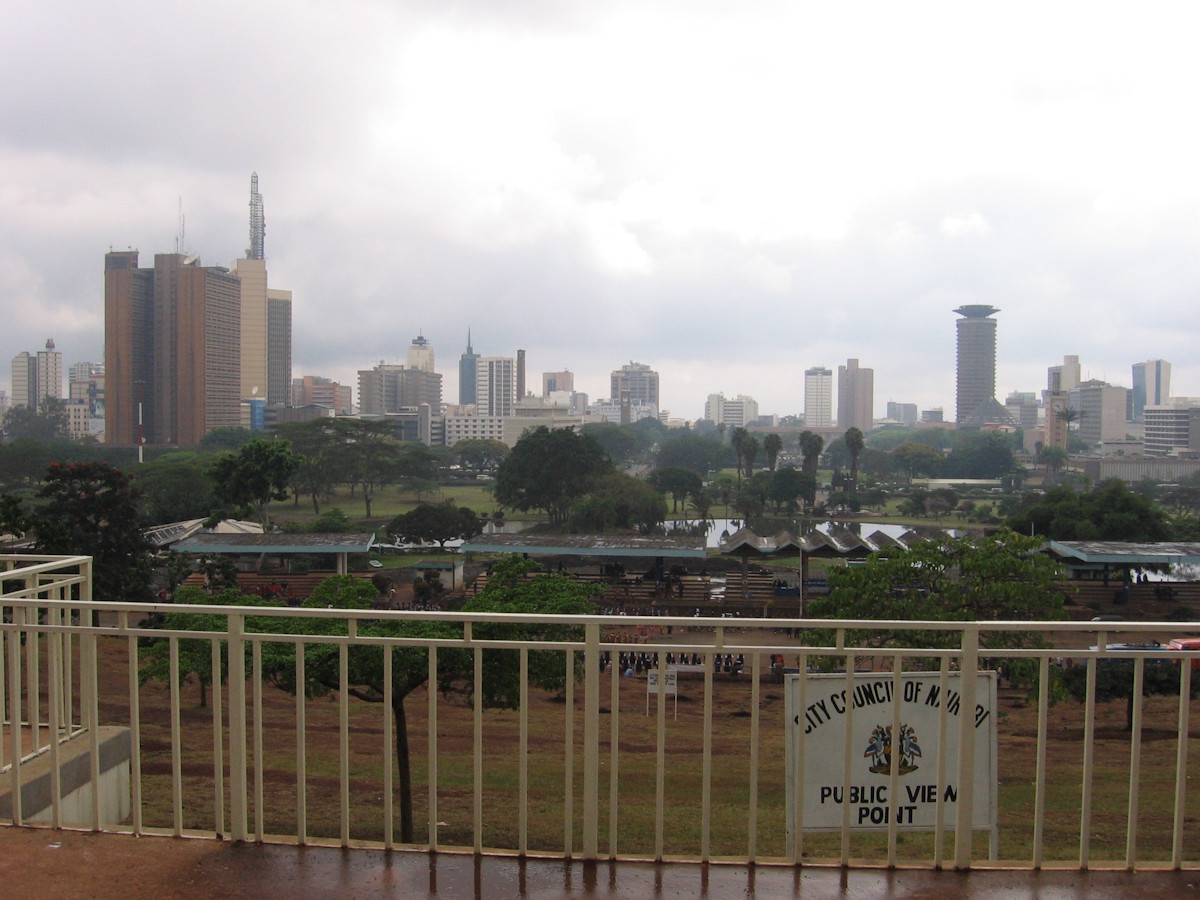
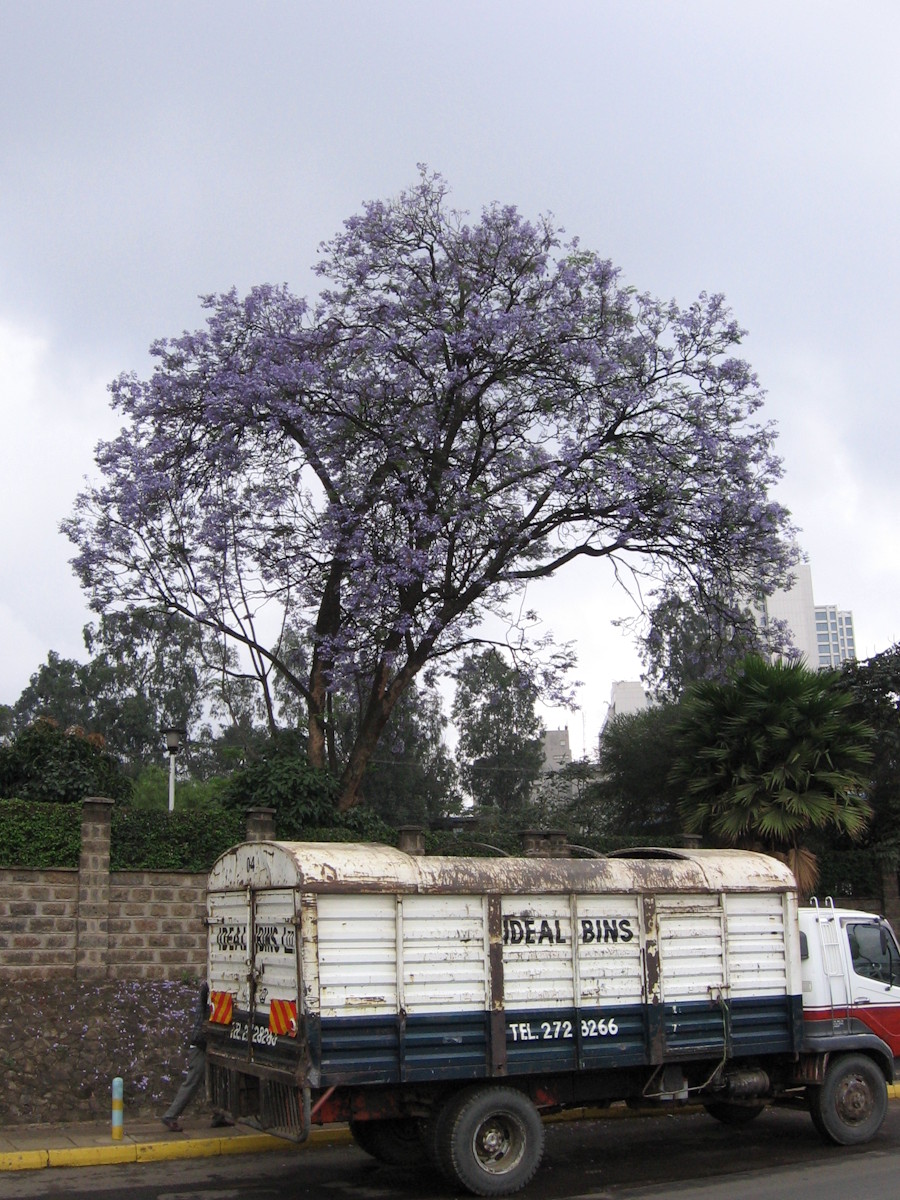
View point in Nairobi and a jacaranda (Jacaranda mimosifolia, mjakaranda). Jacaranda trees were beautiful.
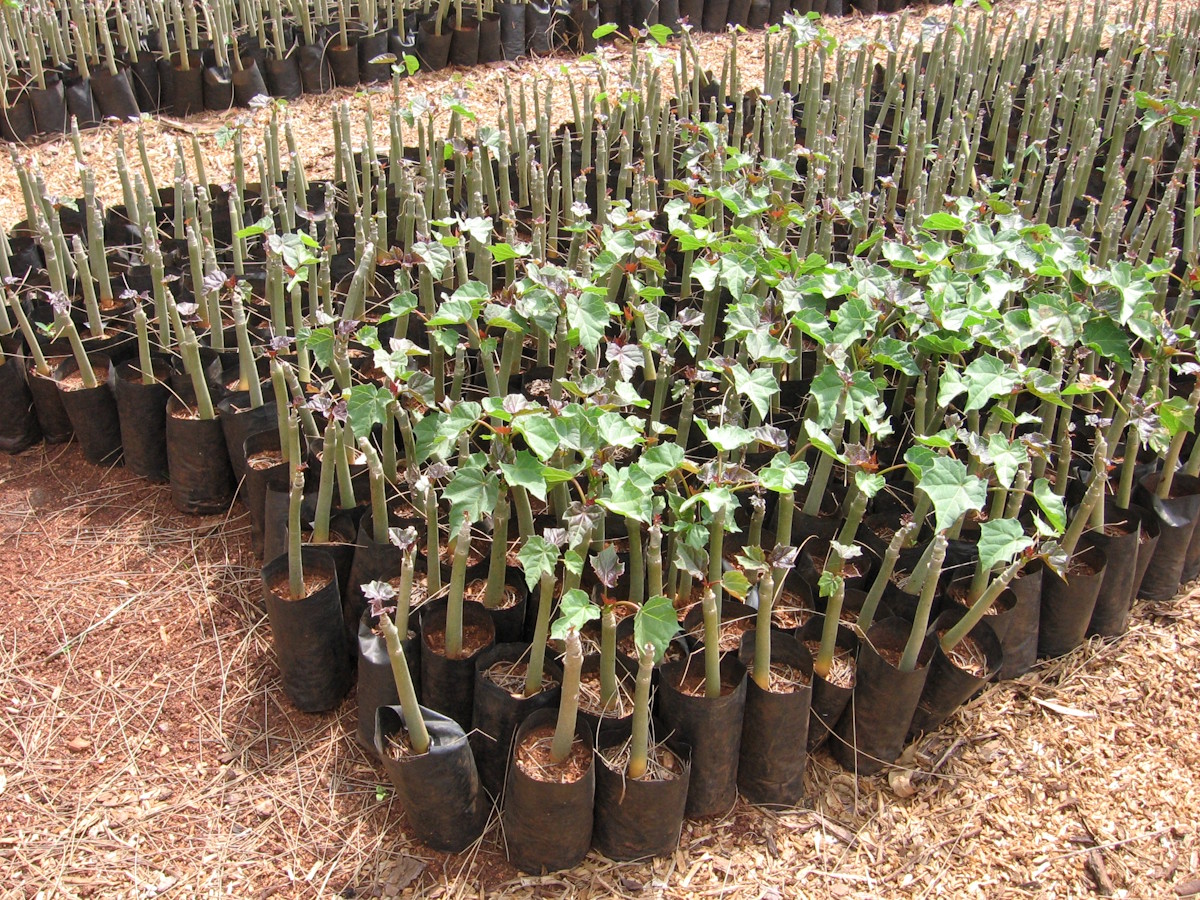
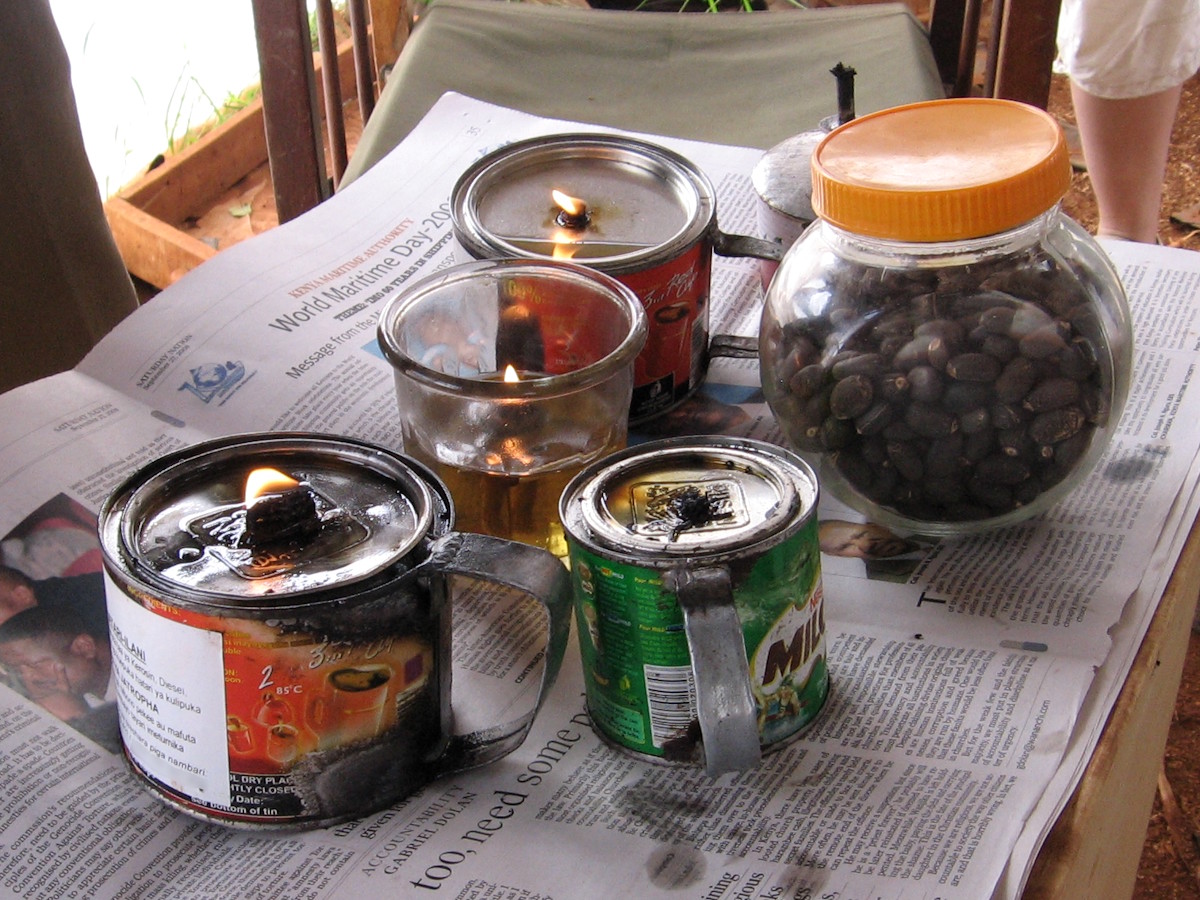
We visited a jatropha farm in Karen owned by a Swedish person. The second photo shows oil lamps with jatropha oil and jatropha seeds. We saw how little smoke comes from burning jatropha oil compared with kerosene, which makes it more suited to home use.
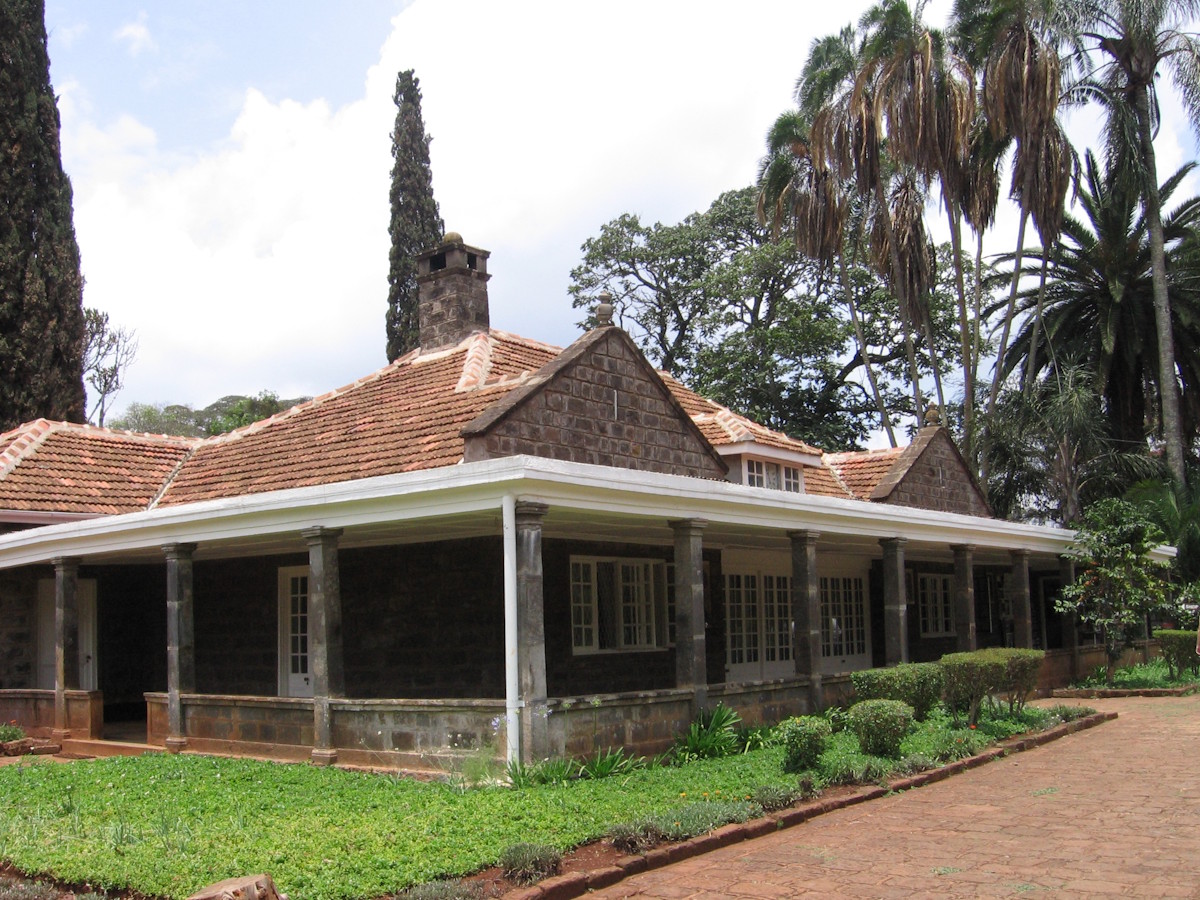
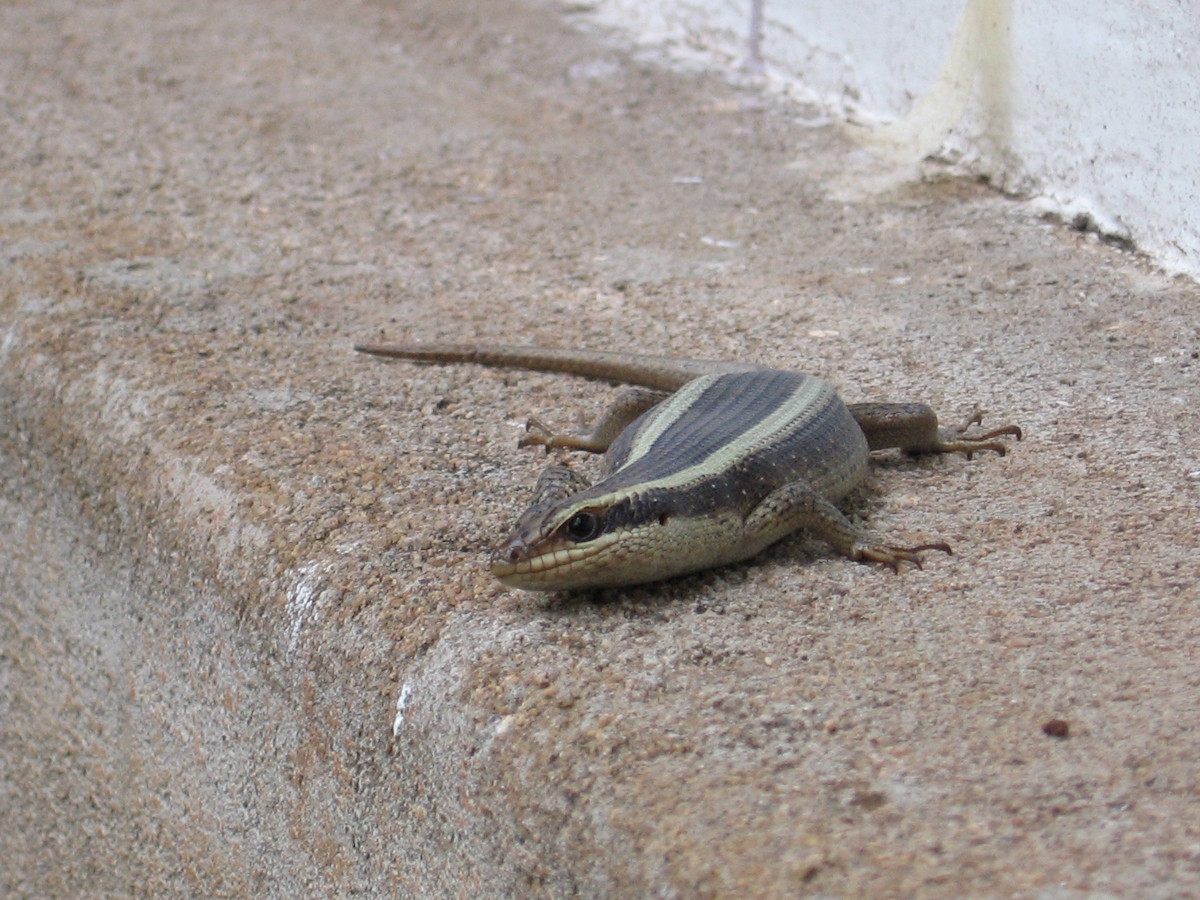
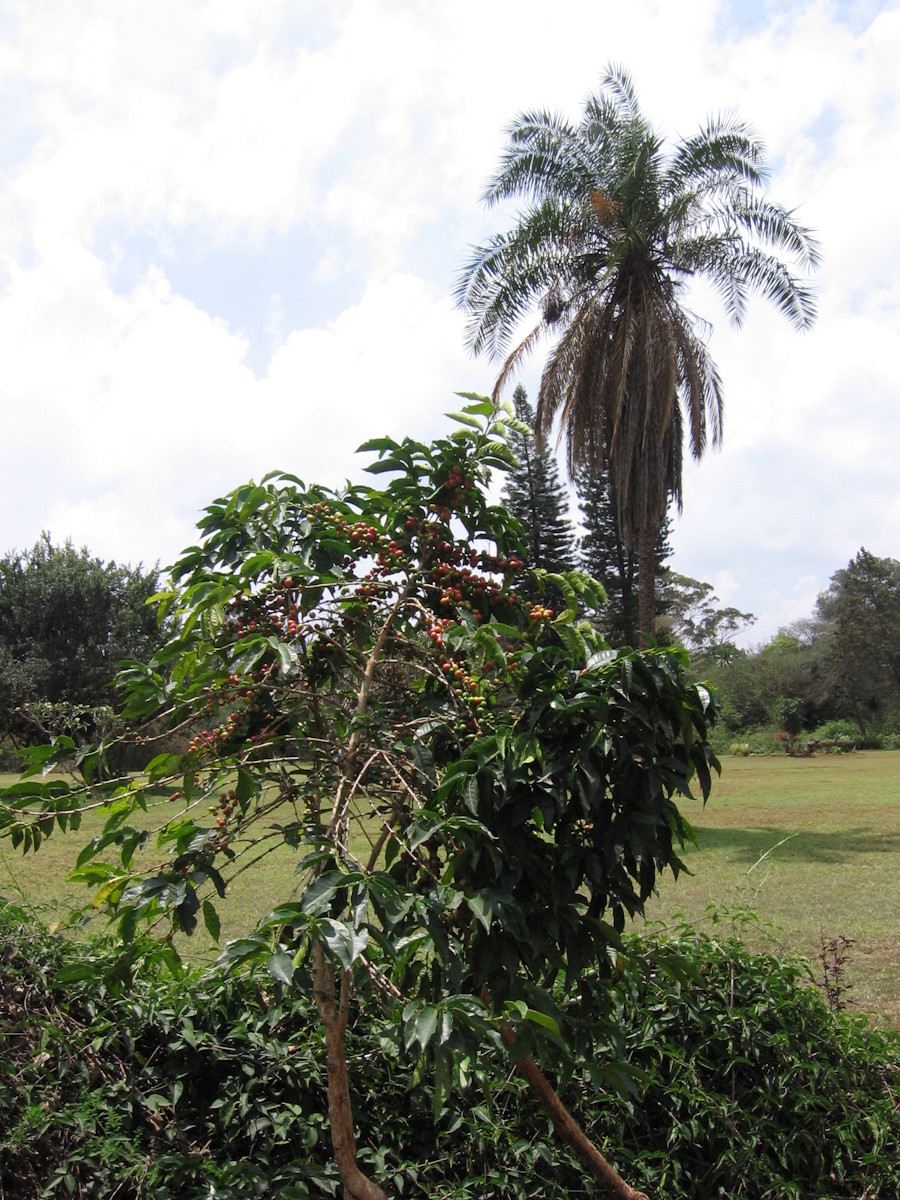
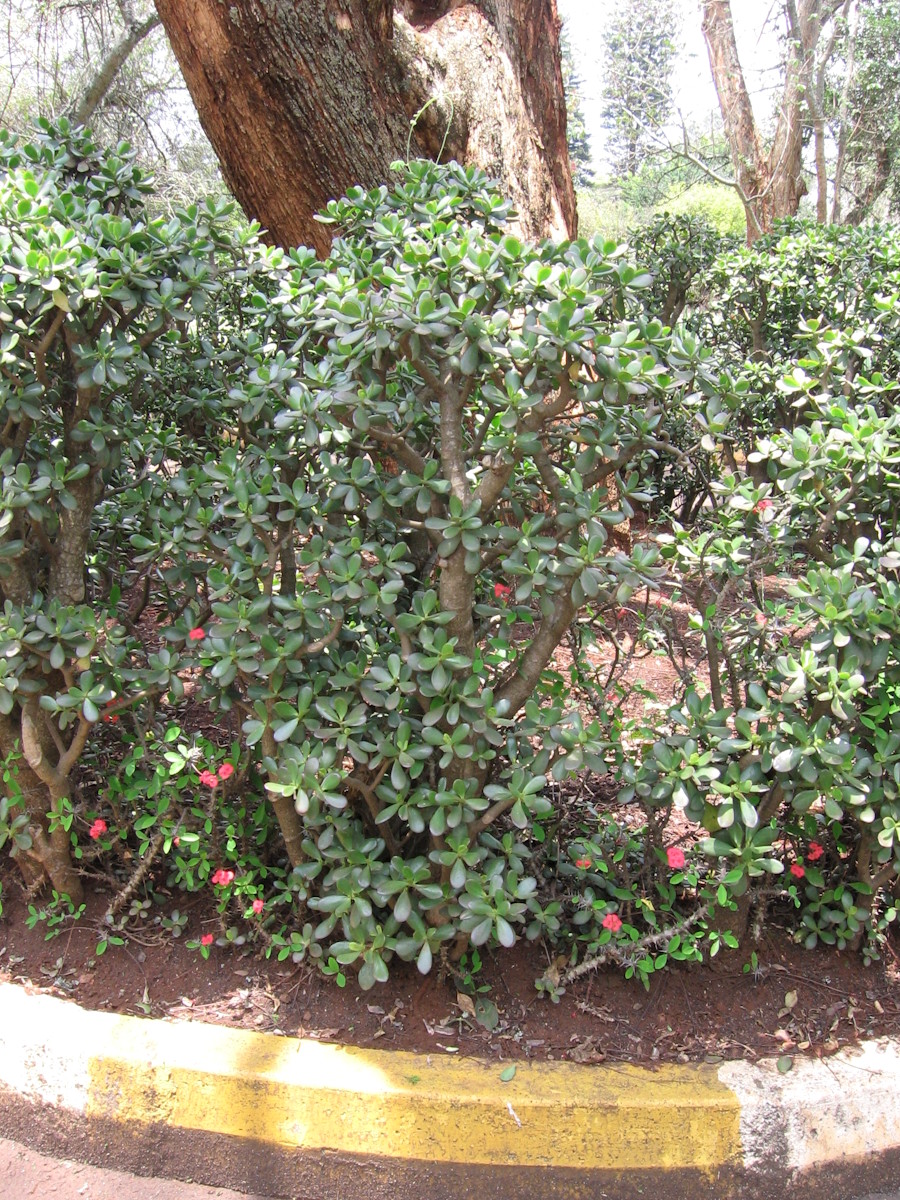
Next we went to the Karen Blixen museum. Unfortunately I don’t remember much at all of the visit, and I hadn’t heard of Blixen at the time. There was an African striped skink (Trachylepis striata, gonda milia) on the wall, and in the yard there grew among others a coffee bush (Coffea sp., mbuni; a palm tree in the background) and a jade plant (Crassula ovata).
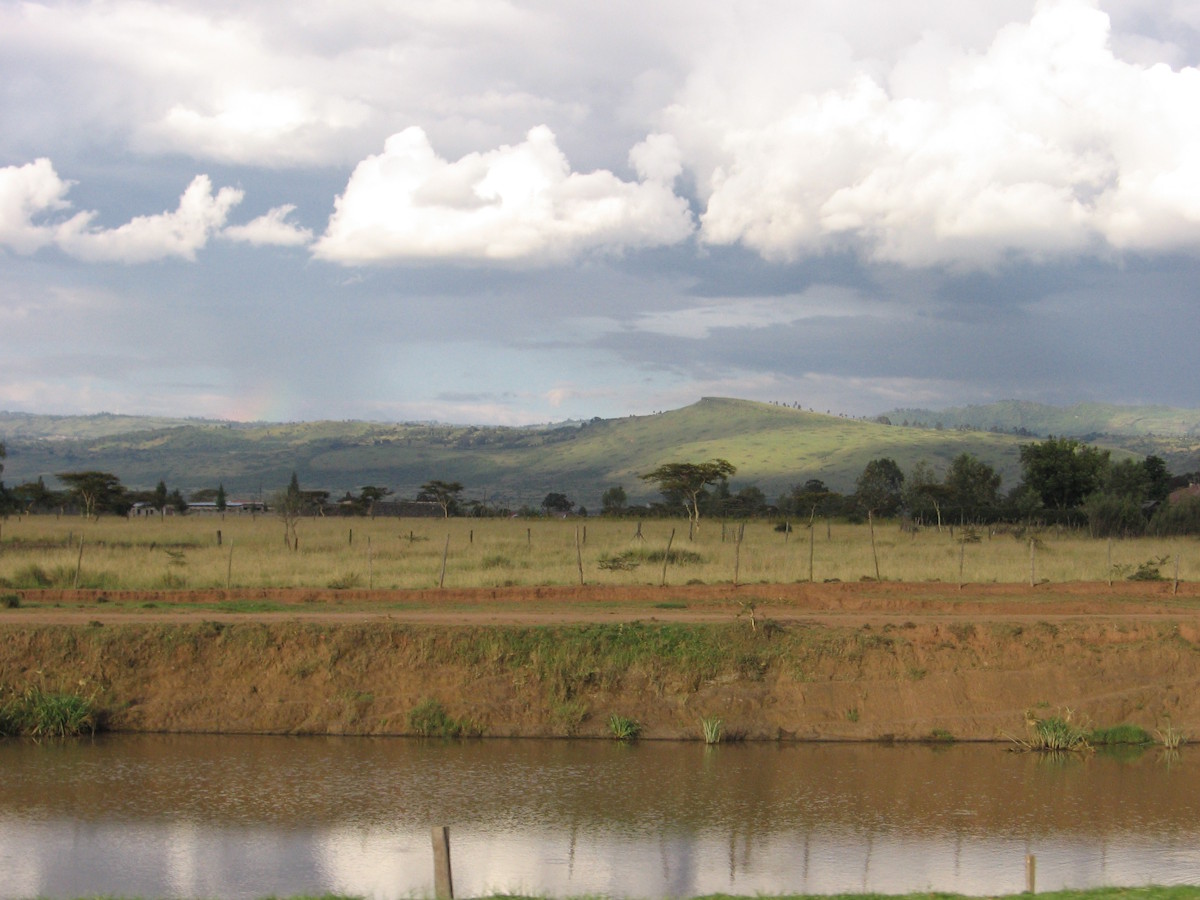
On the way to Nakuru, we stopped to eat in Naivasha. Somewhere along the way I took this photo of the landscape.
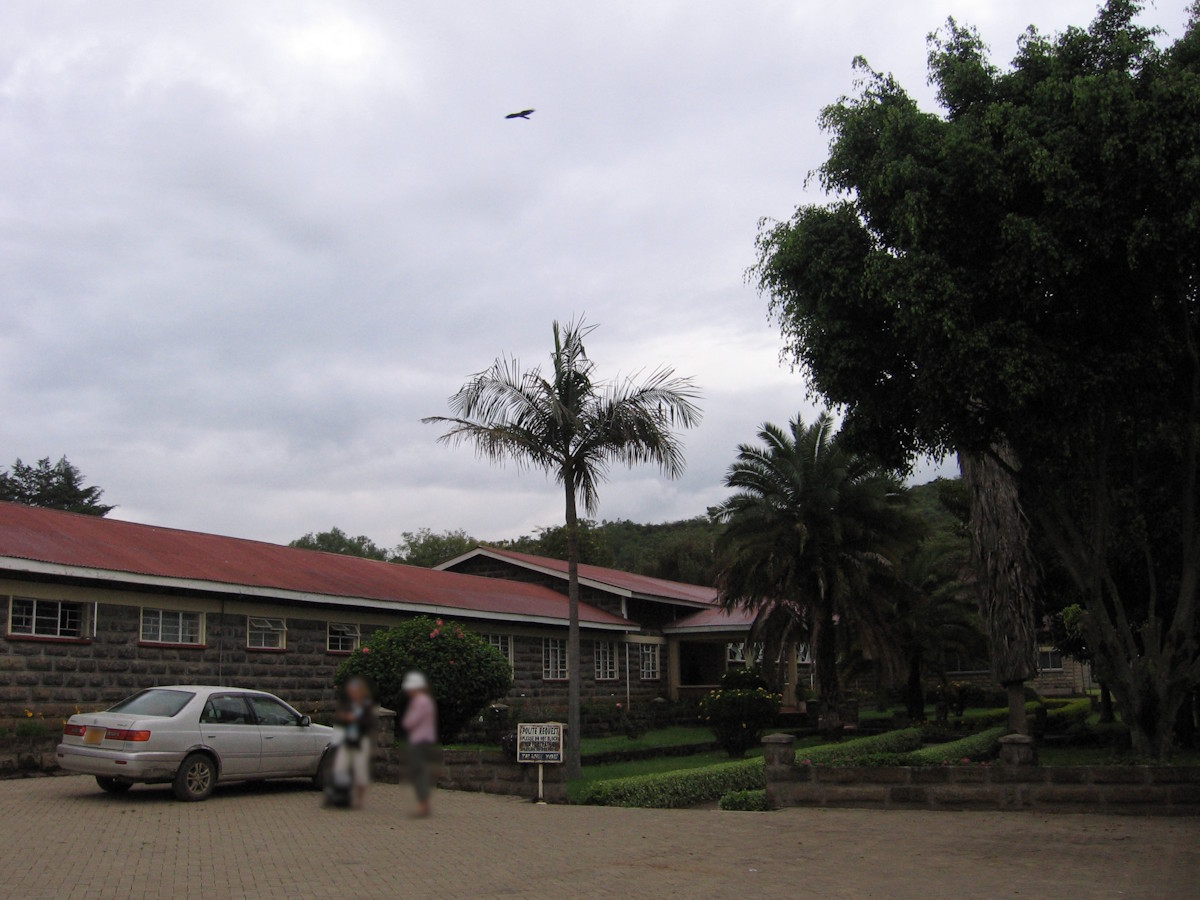
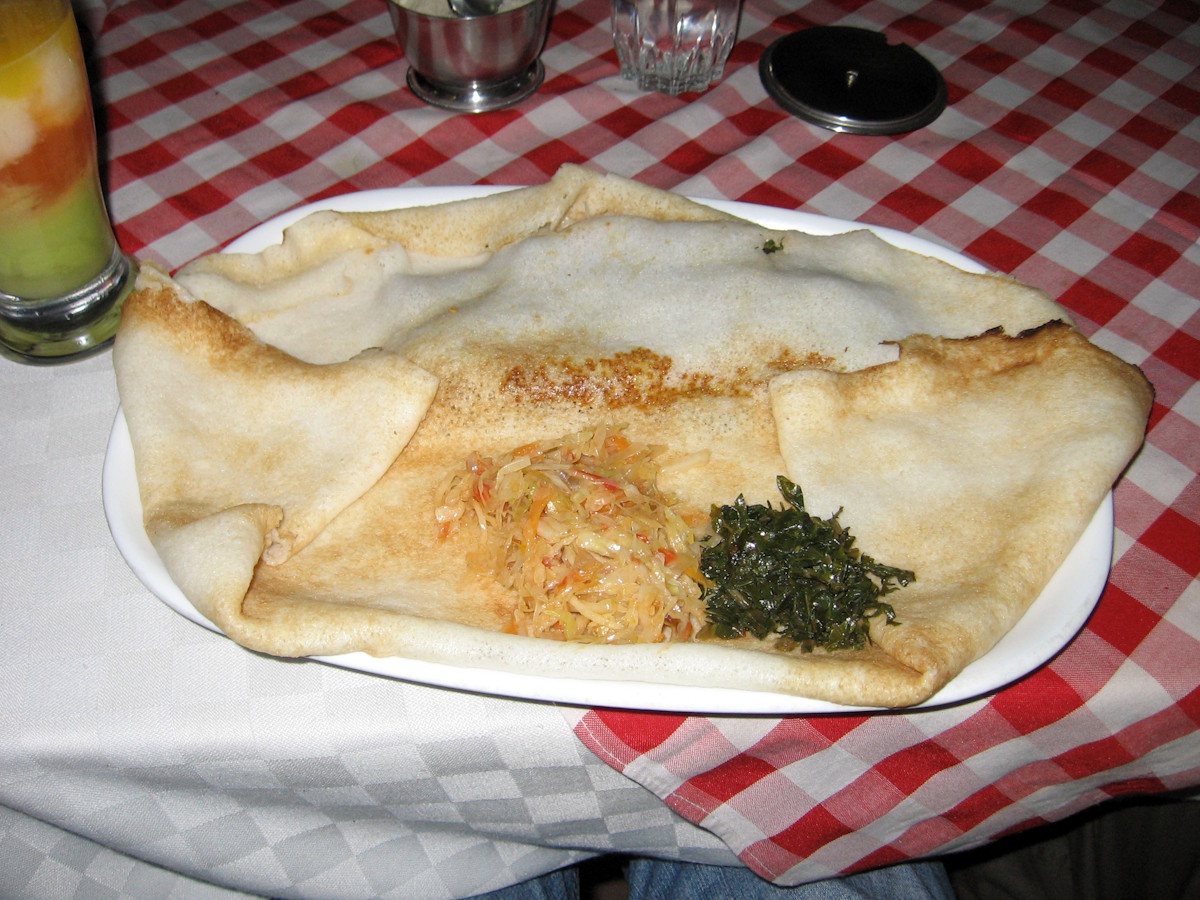
We spent the next three days in Nakuru. Our lodging looked like this. When we arrived, we got a lesson in Swahili. We had dinner in an Ethiopian restaurant: stuffed injera bread.
Sun 19/10
We saw signs like this everywhere. In Kenyan English, the word hotel apparently refers to a dining establishment and not accommodation, but the same word was also used in actual hotel signs.
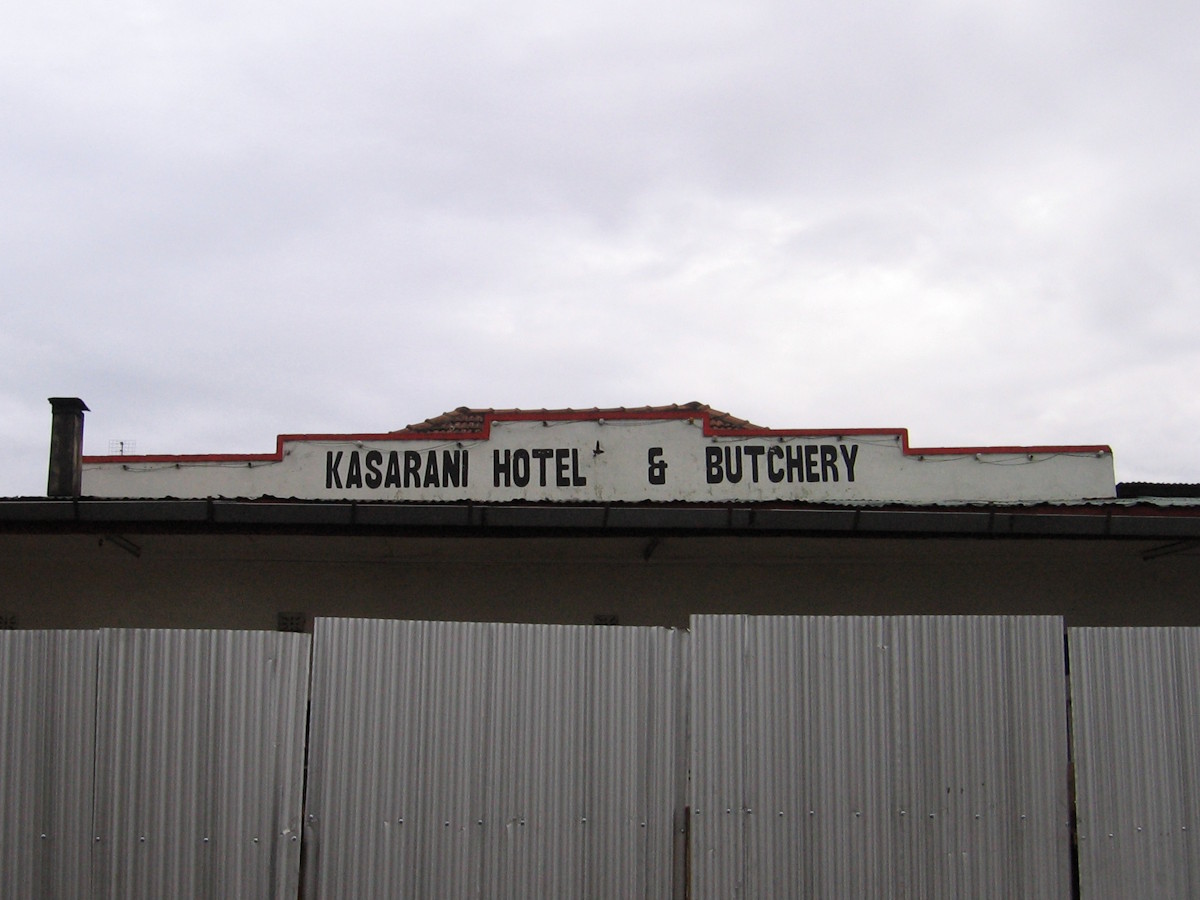
Early in the morning we went to Lake Nakuru National Park, although because of various delays we didn’t get there as early as we were supposed to. Even buying tickets took time even though they were preordered, because no-one had taken their student id with them. While we were waiting, a vervet monkey came inside the car and took bananas from us. Finally we were believed to be students and we got the tickets.
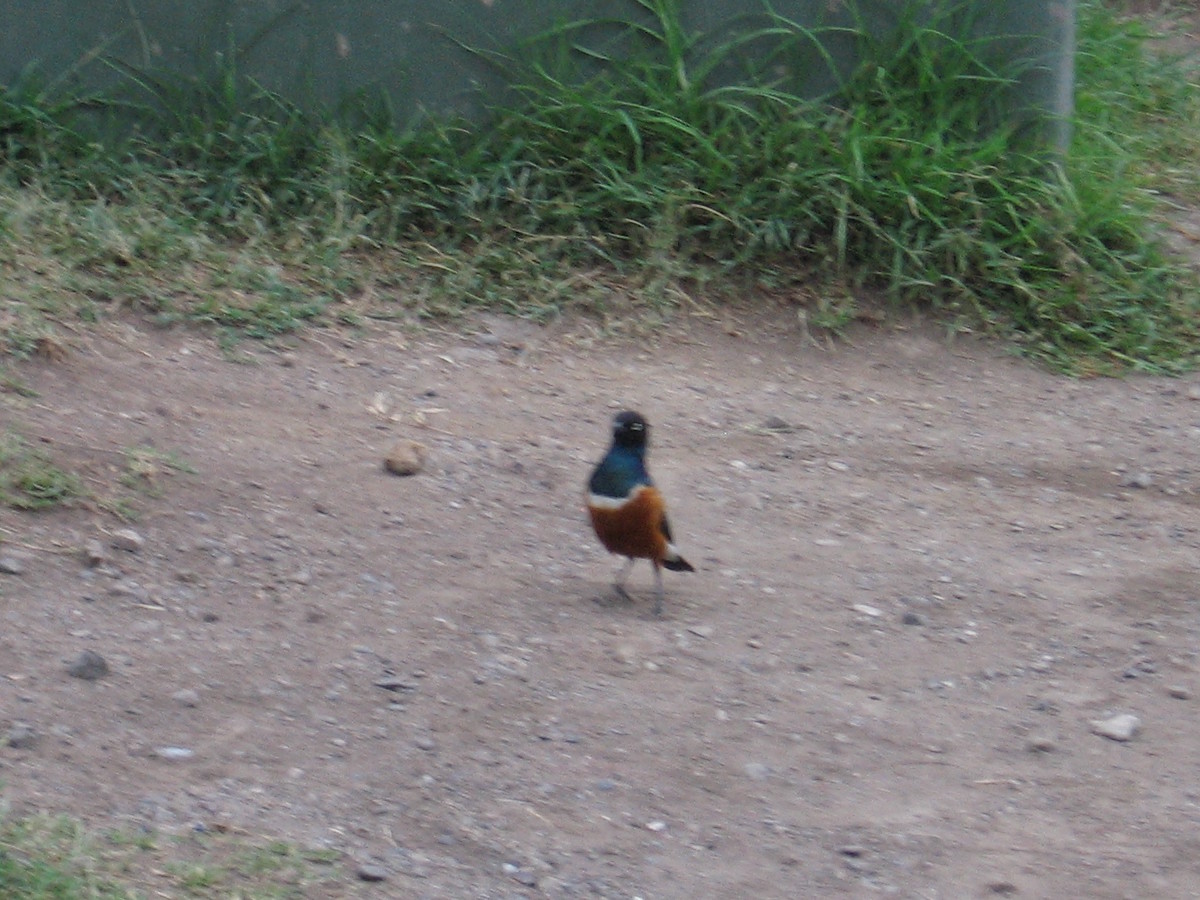
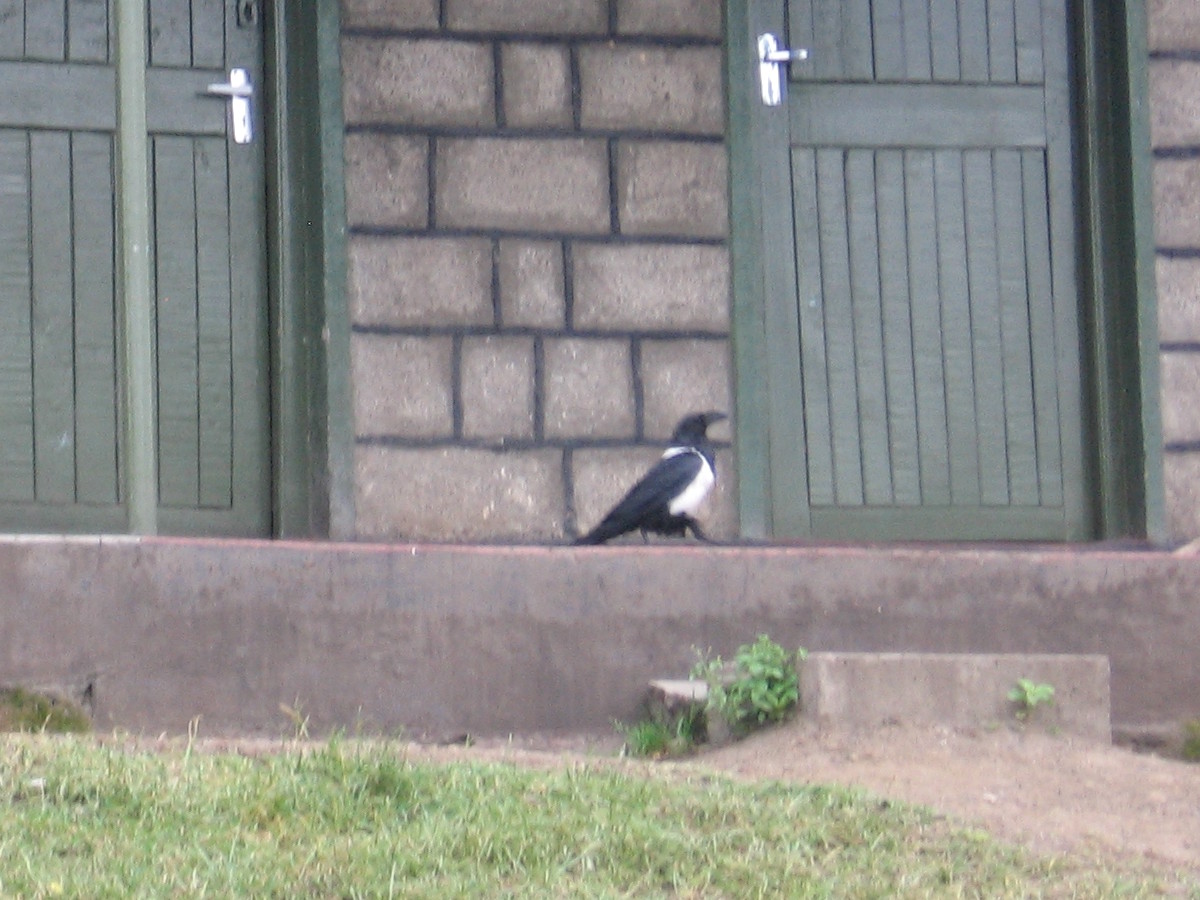
At the ticket office I saw a superb starling (Lamprotornis superbus, kuzi maridadi) and a pied crow (Corvus albus, kunguru rangi-mbili), and I got these superb photos of them.
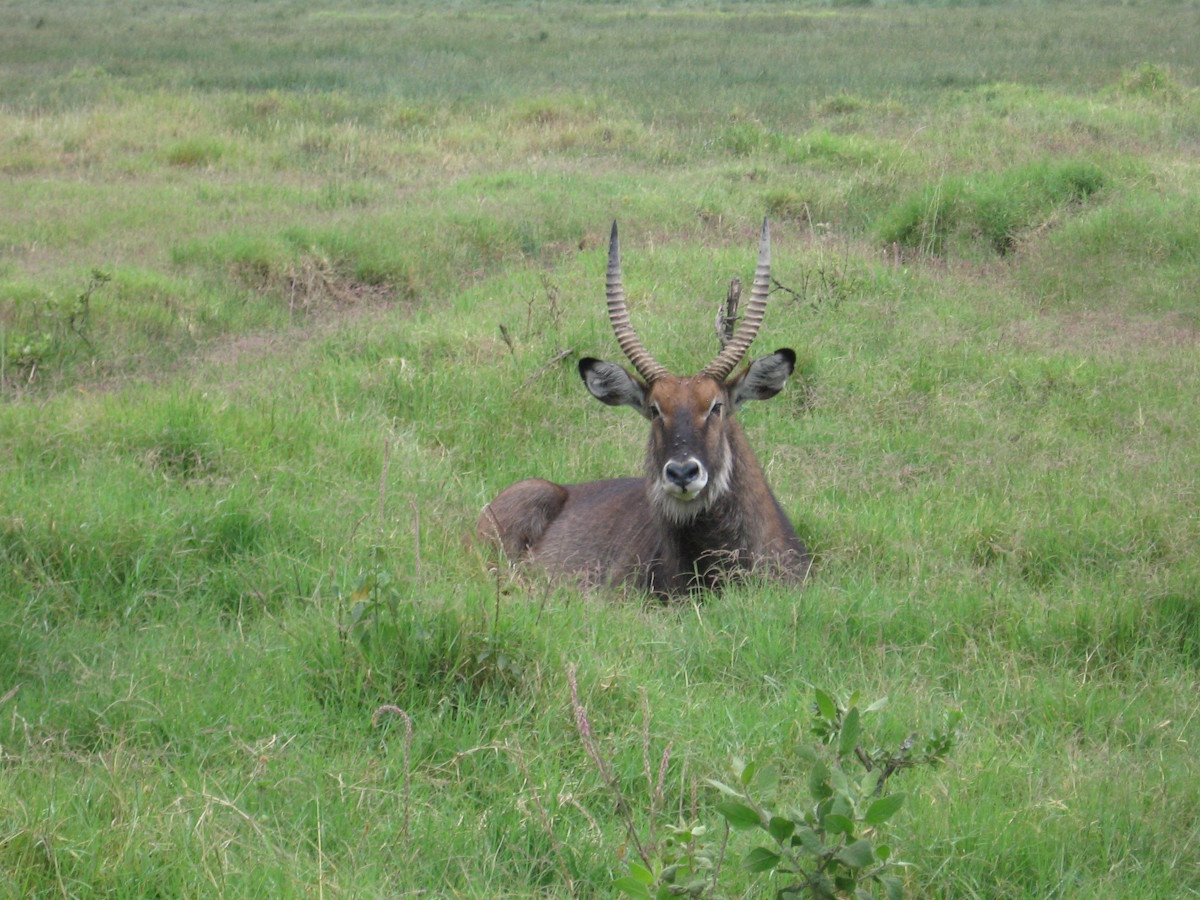
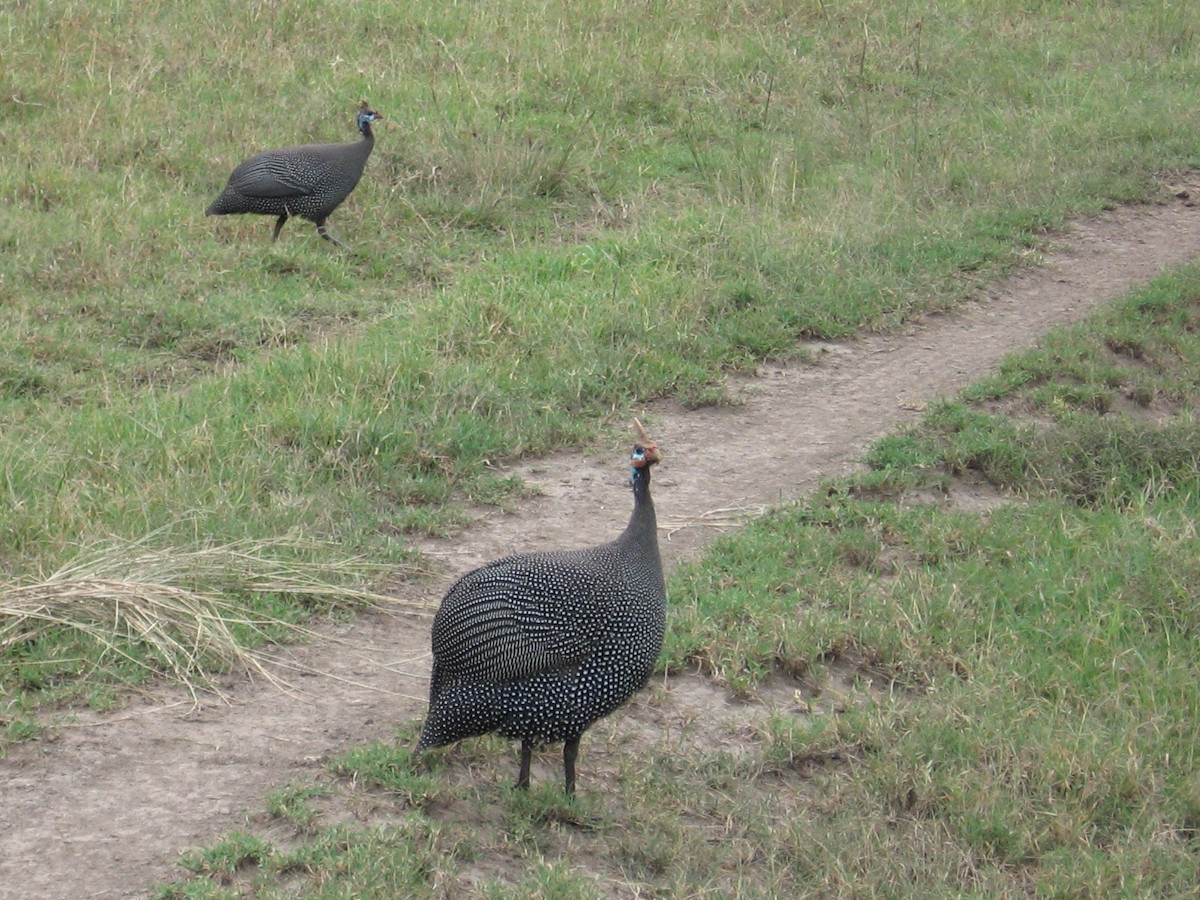
Waterbuck (Kobus ellipsiprymnus, kuro) and helmeted guinea fowl (Numida meleagris, kanga). I had wanted to see a guinea fowl for a long time, because they look so nice.
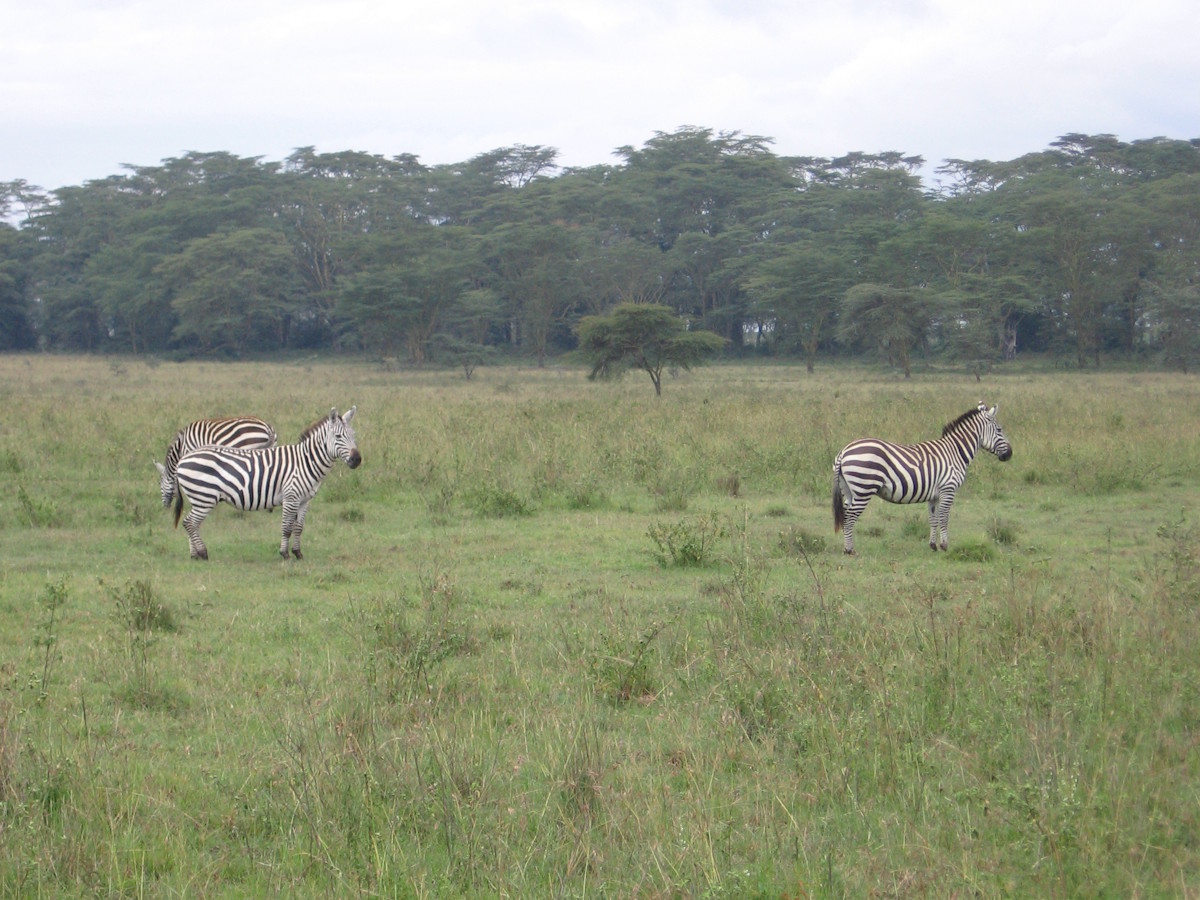
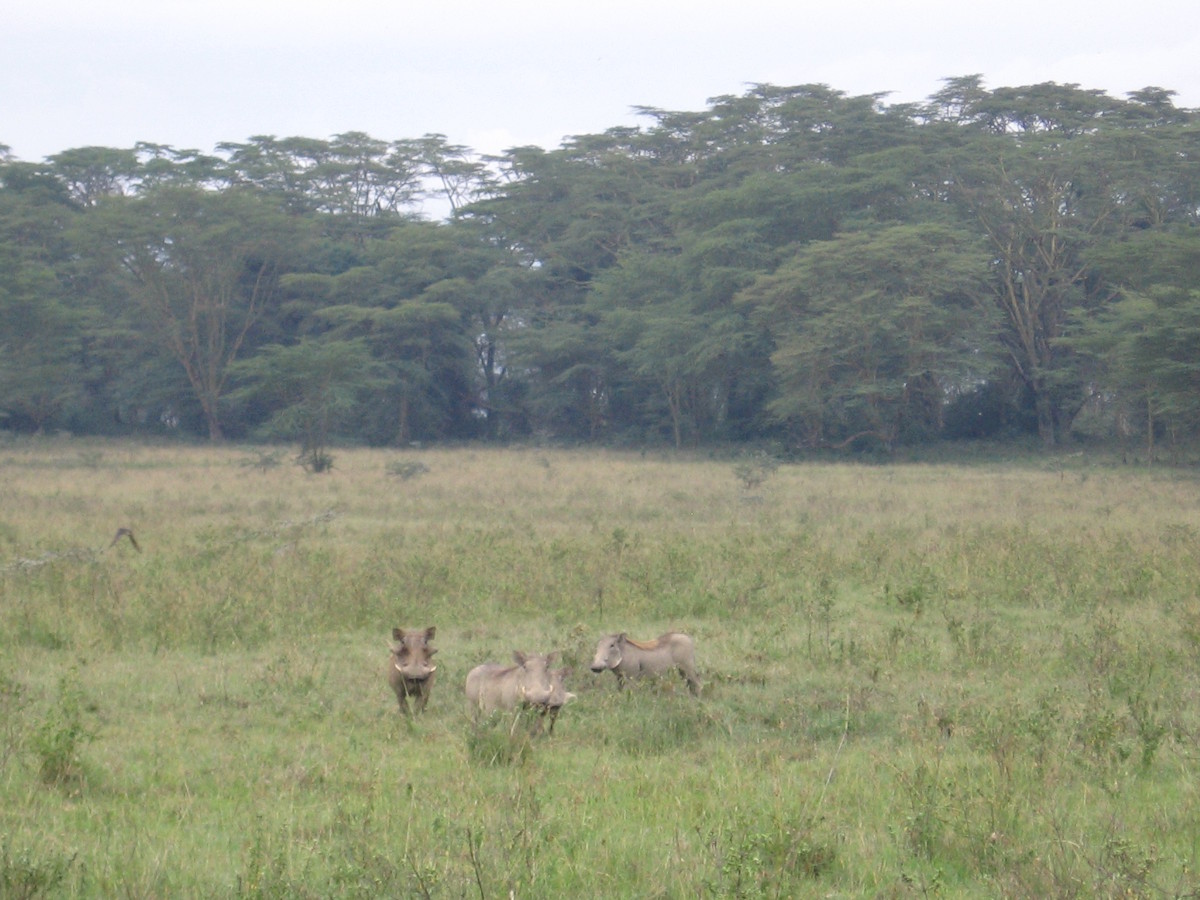
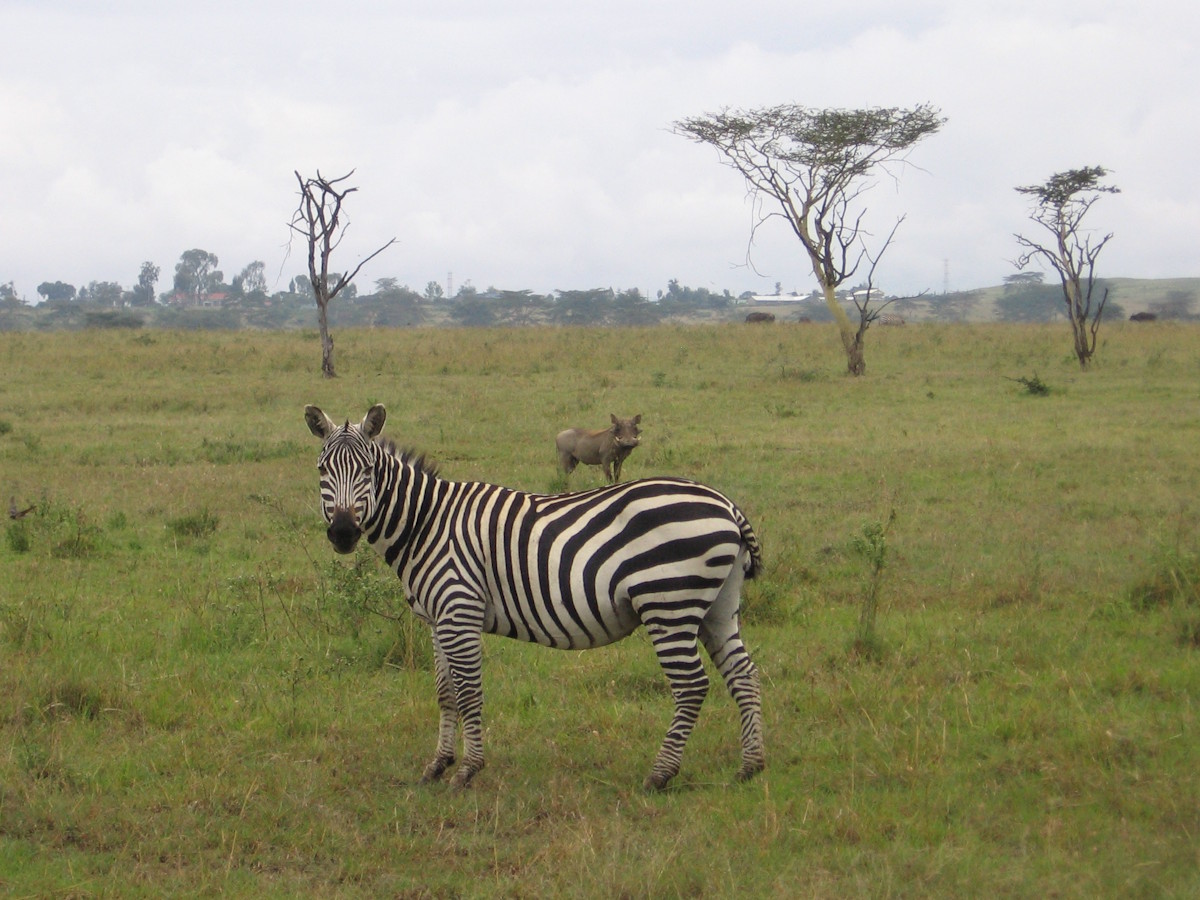
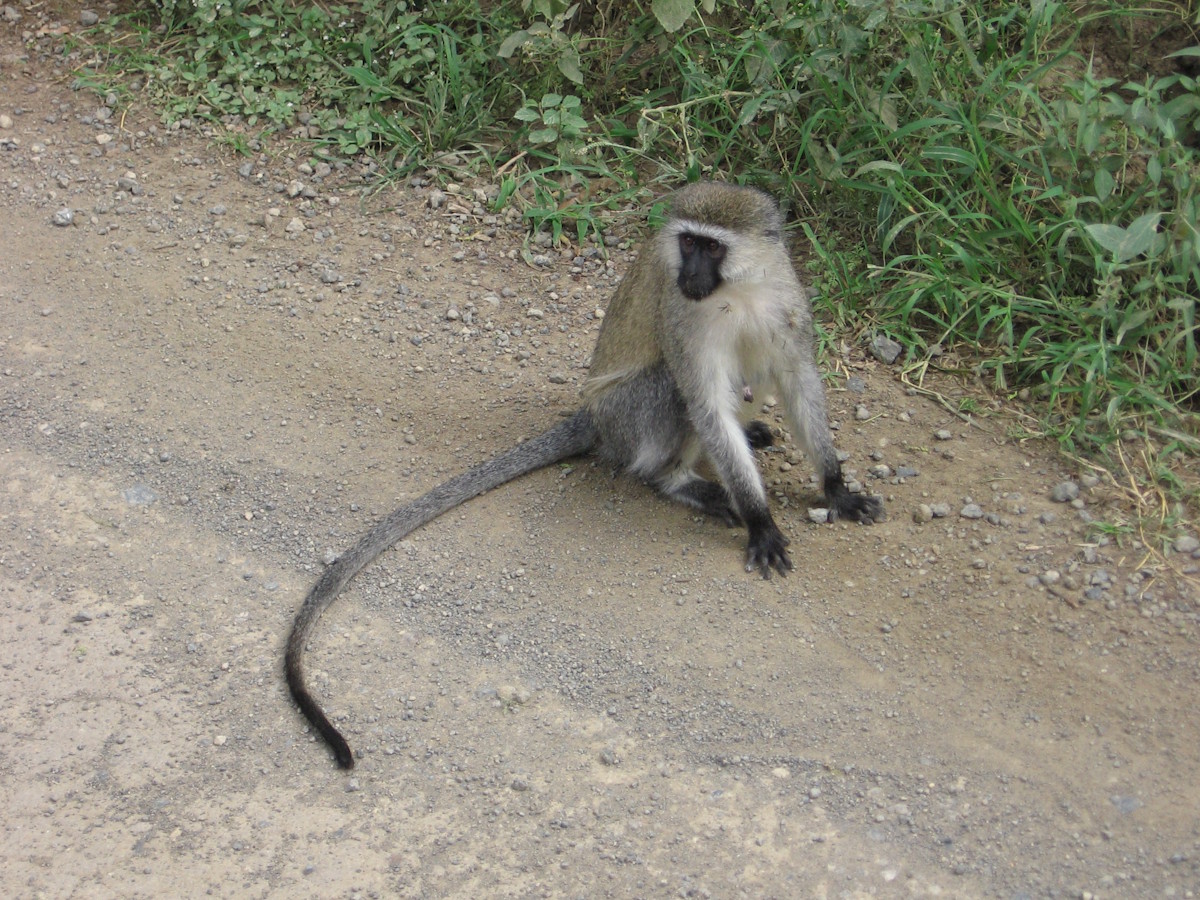
Plains zebra (Equus quagga, punda milia nyika), common warthog (Phacochoerus africanus, ngiri wa kawaida) and both of them “on top of each other”. The fourth one is a vervet monkey (Chlorocebus pygerythrus, ngedere mashariki).
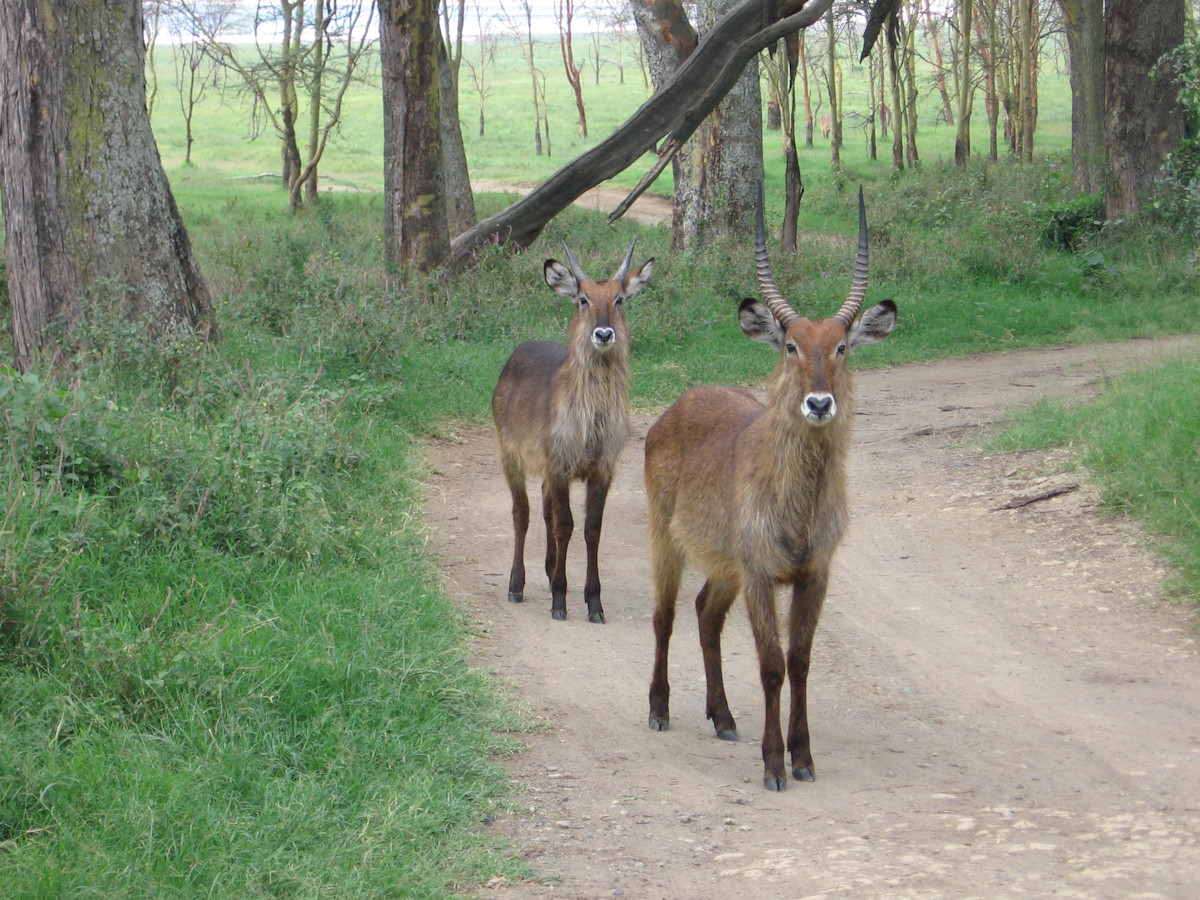
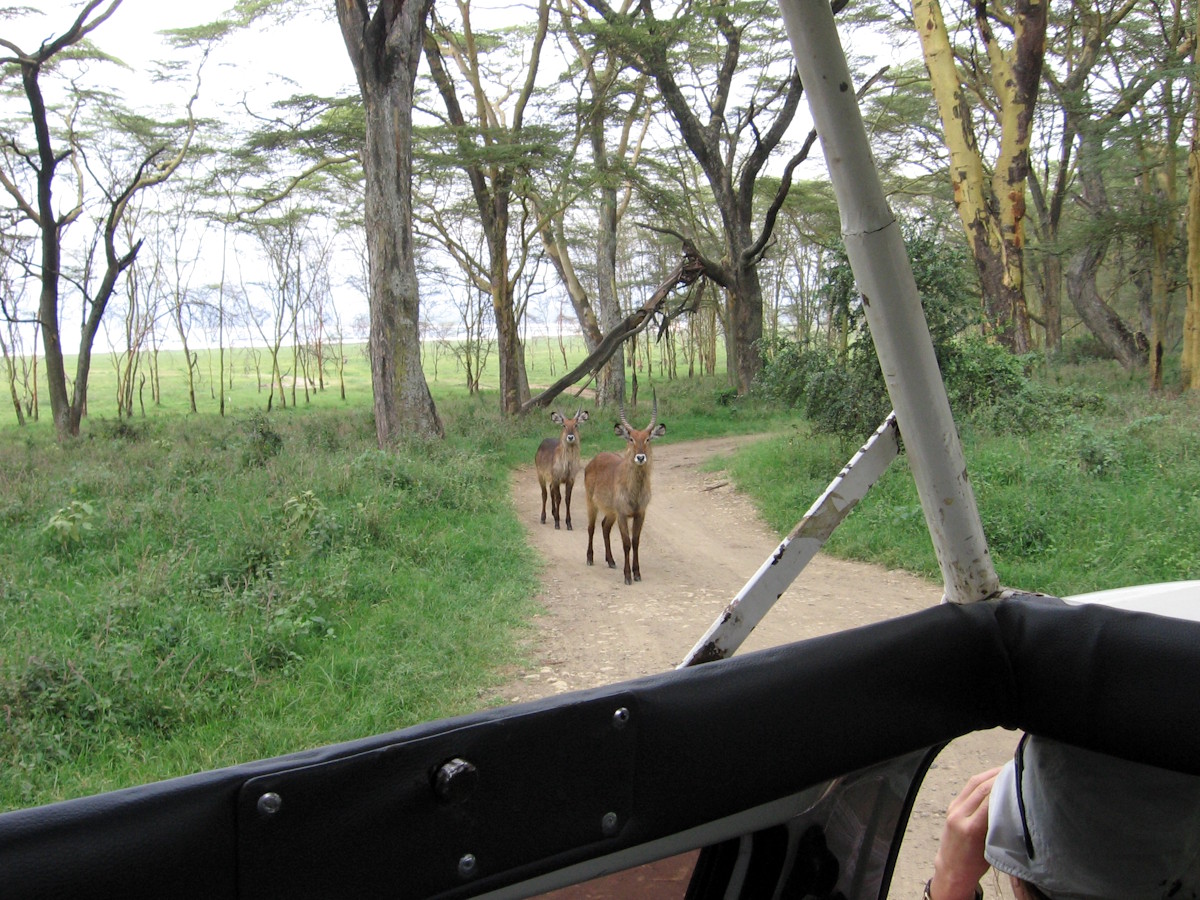
A pair of waterbucks looked at us not far away. It was weird, being used to animals in Finland running away at the first sight of a human.
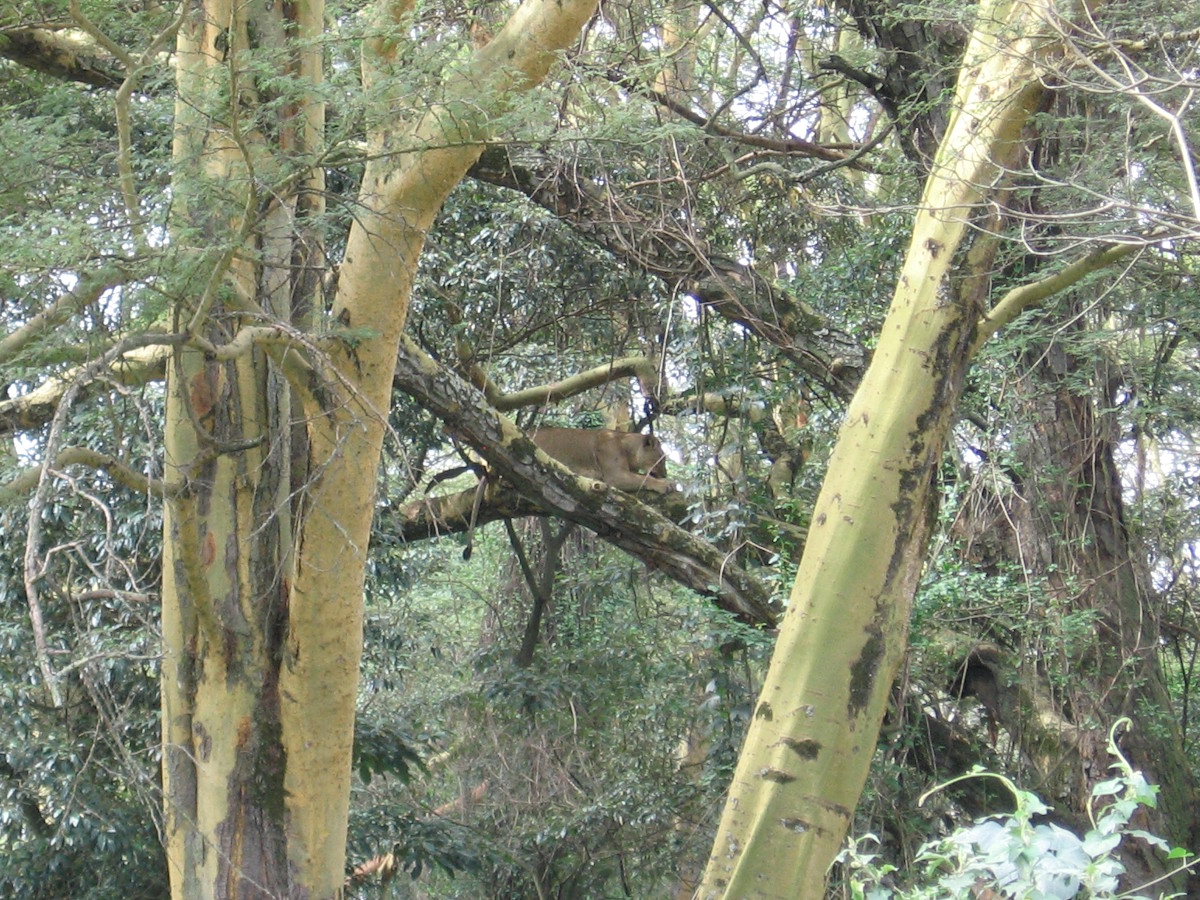
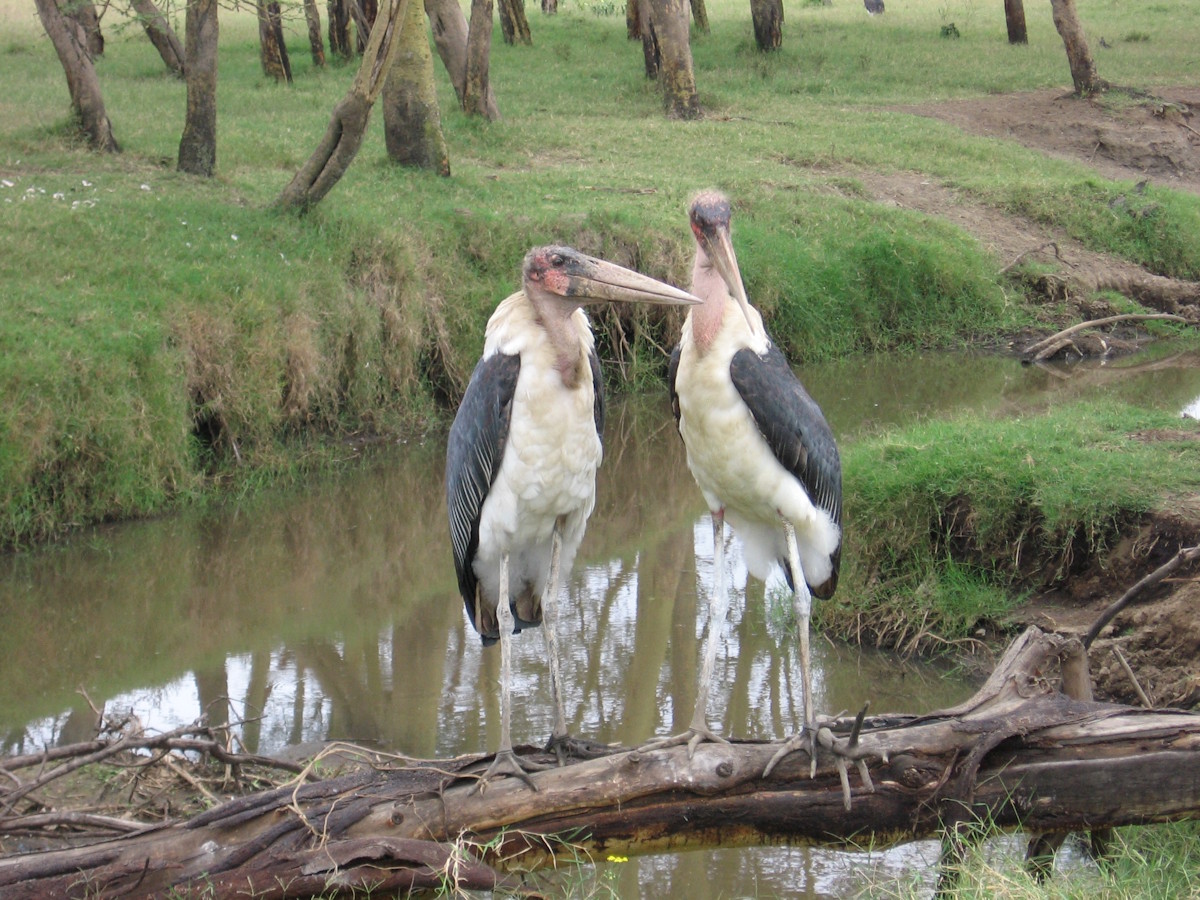
The first lion we saw (Panthera leo, simba). Marabou stork (Leptoptilos crumenifer, korongo mfuko-shingo).
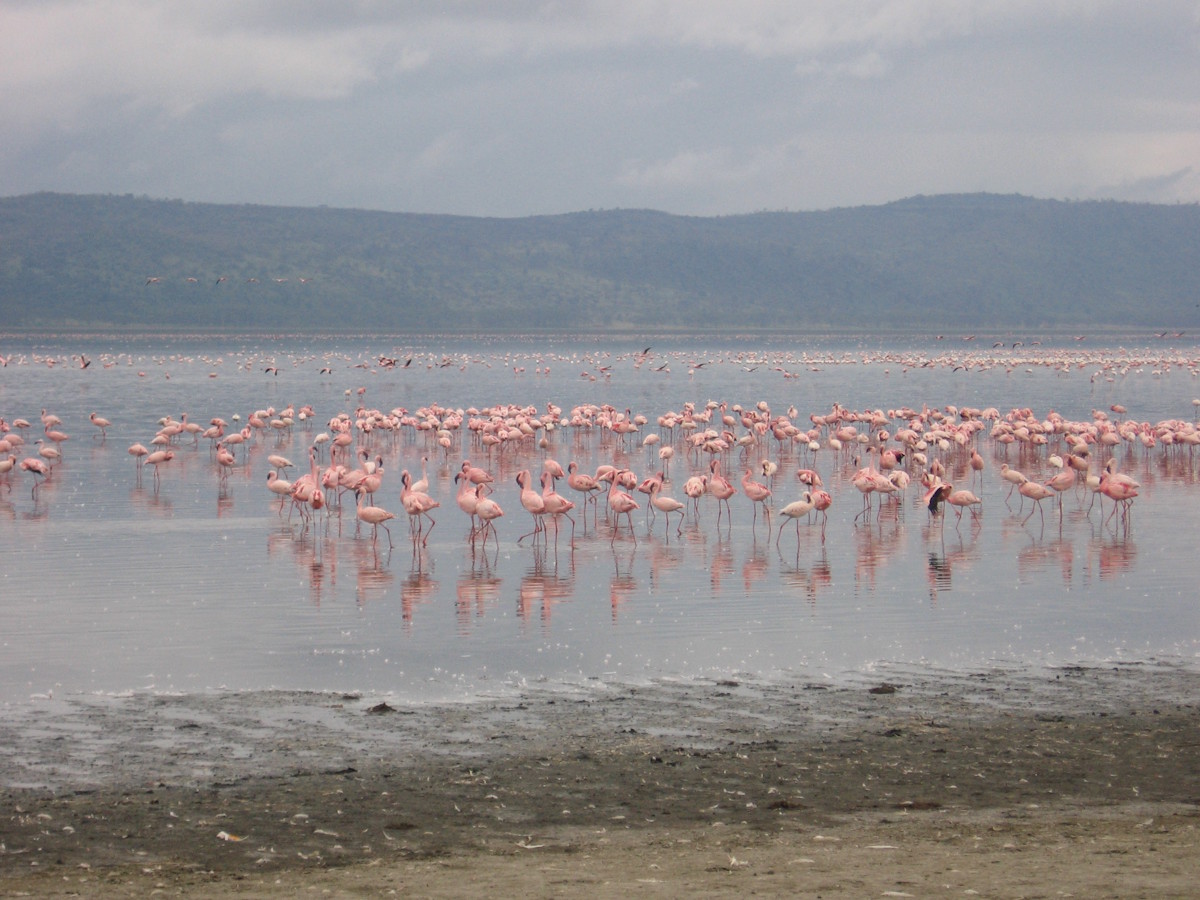
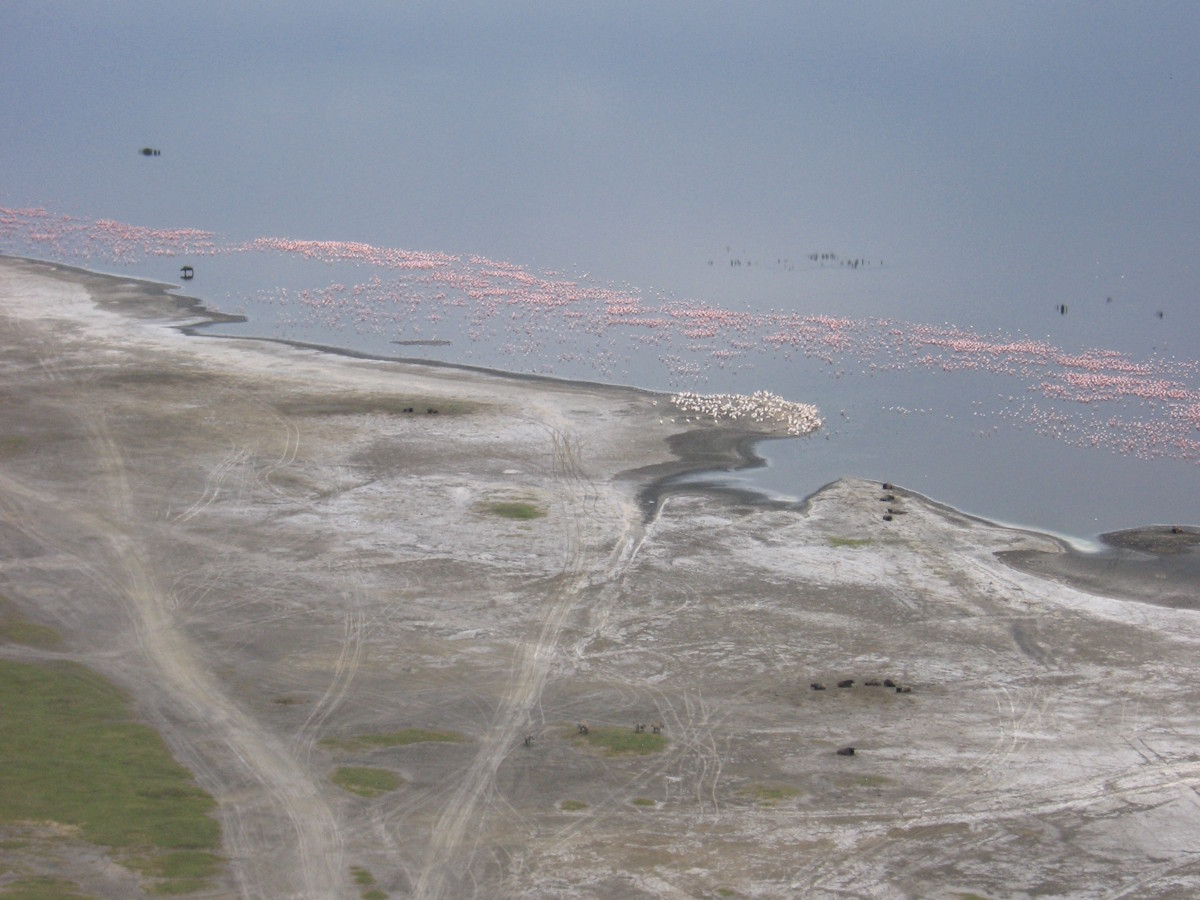
At the shore of Lake Nakuru we saw lesser flamingos (Phoeniconaias minor, heroe mdogo).
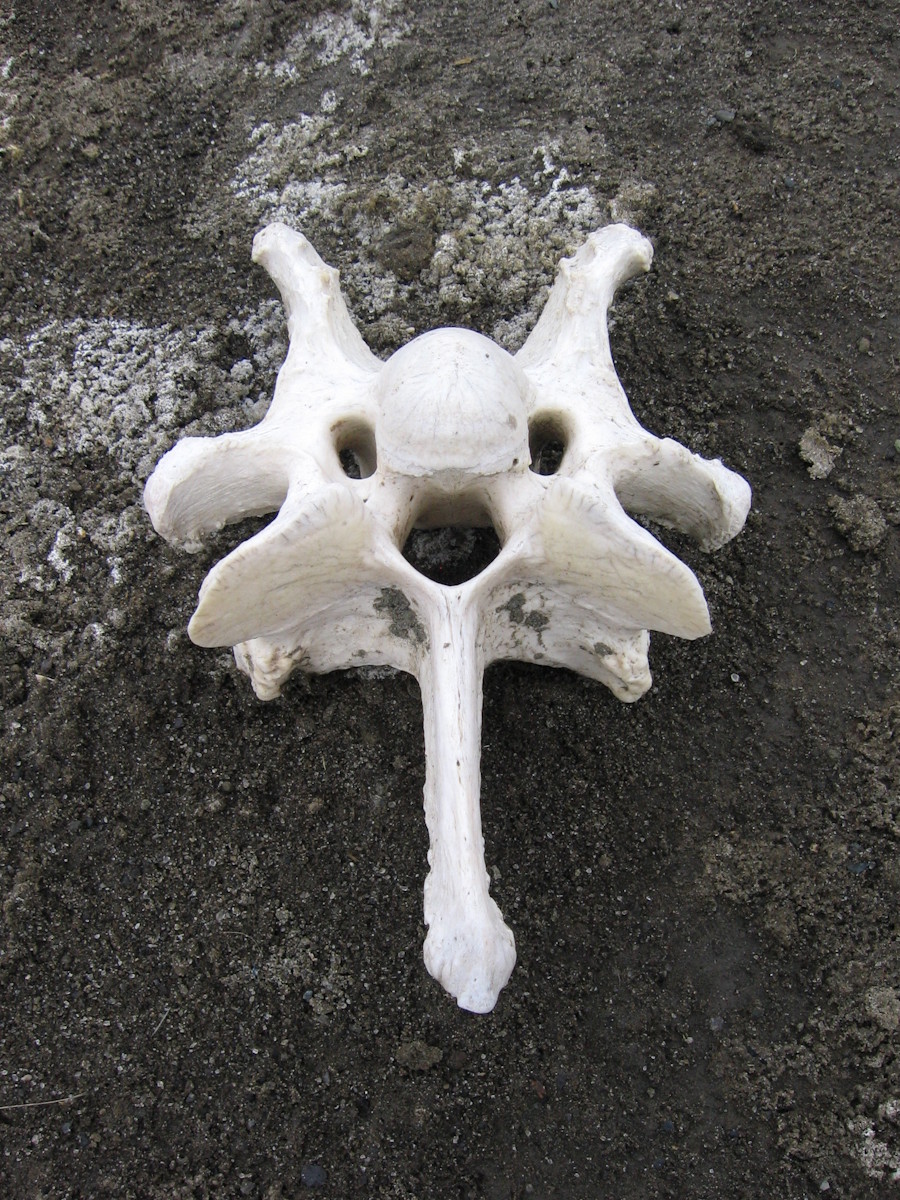
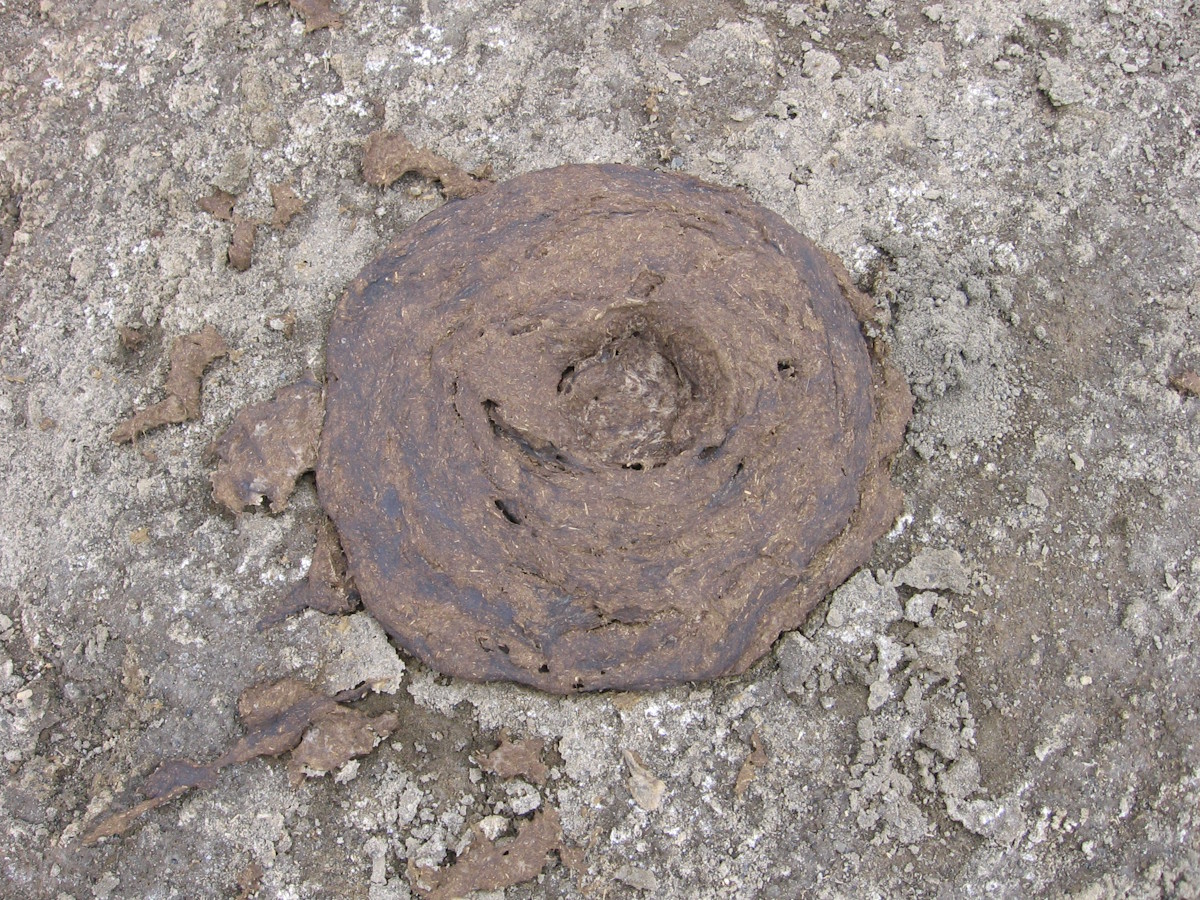
Our tour leader went a bit foolhardily for a walk and for some reason I followed her after some time. I saw a bone and a pile on the way.
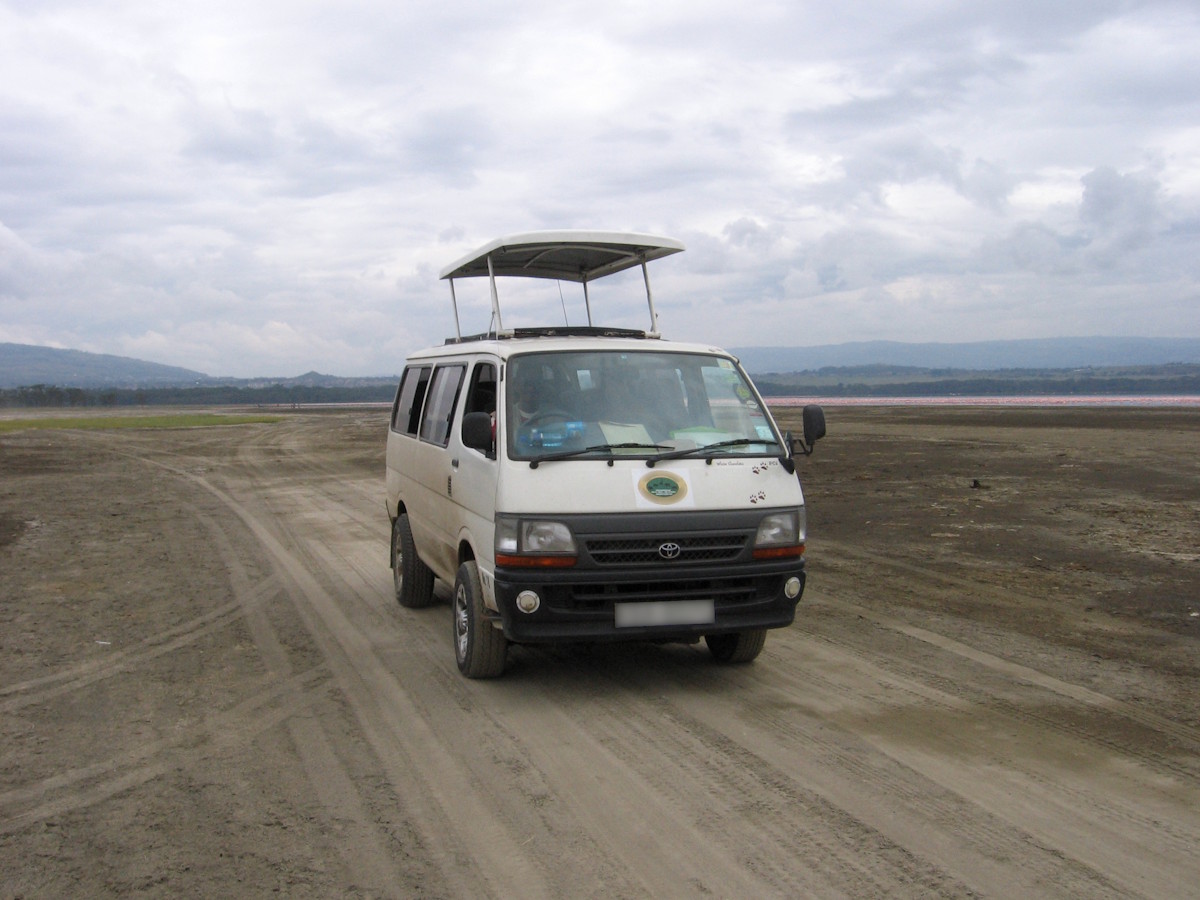
The driver came to pick us up. This is the van we used on the whole journey.
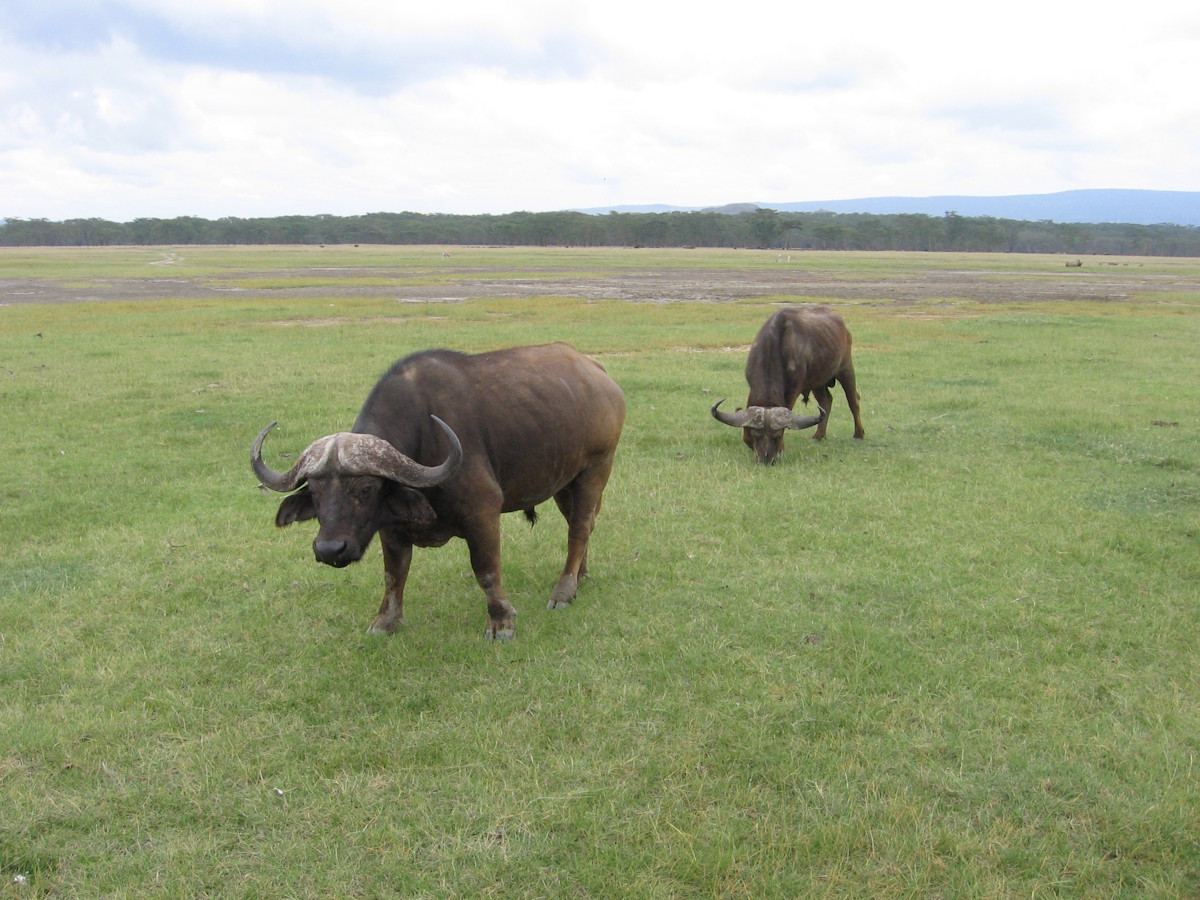
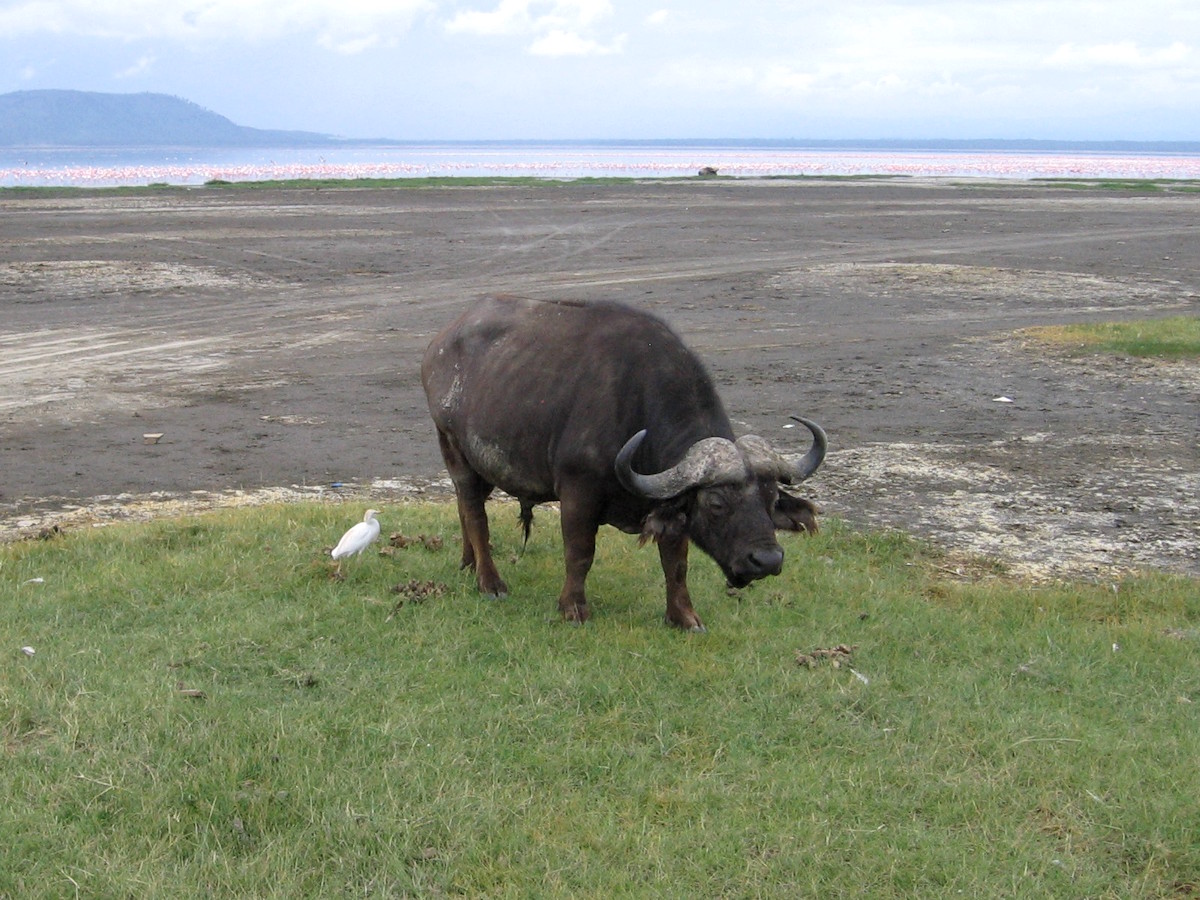
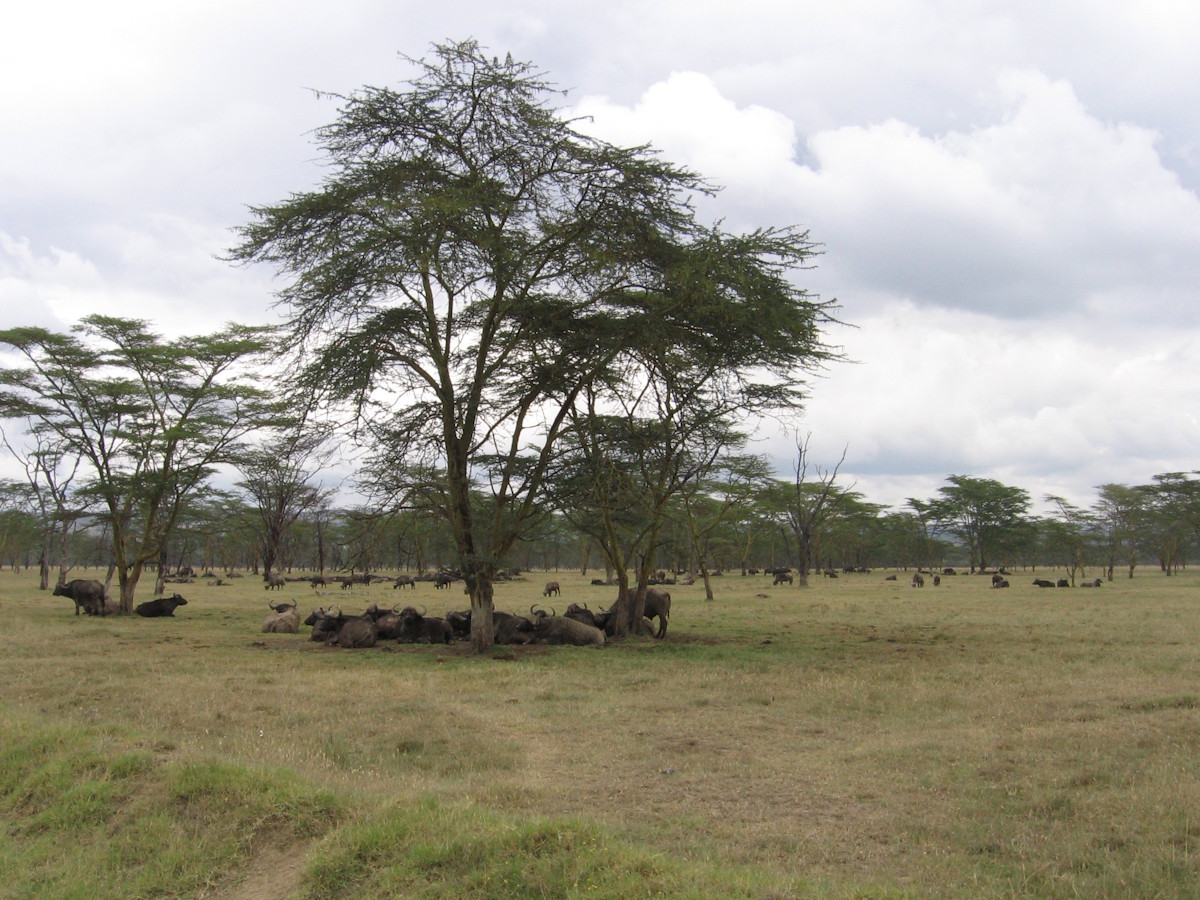
African buffalo (Syncerus caffer, nyati wa Afrika). The second photo also has a western cattle egret (Ardea ibis, yangeyange).
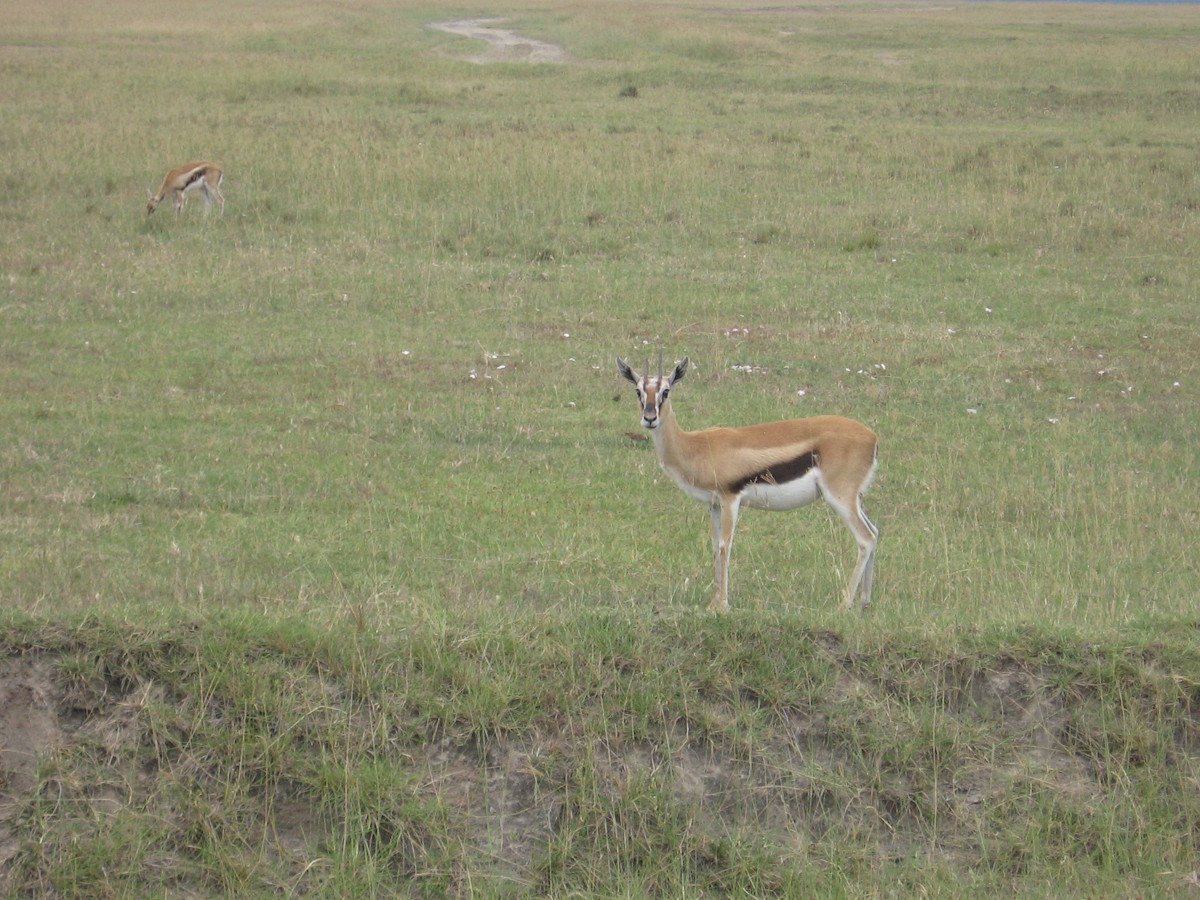
Thomson’s gazelle (Eudorcas thomsonii, swala tomi) and more buffaloes.
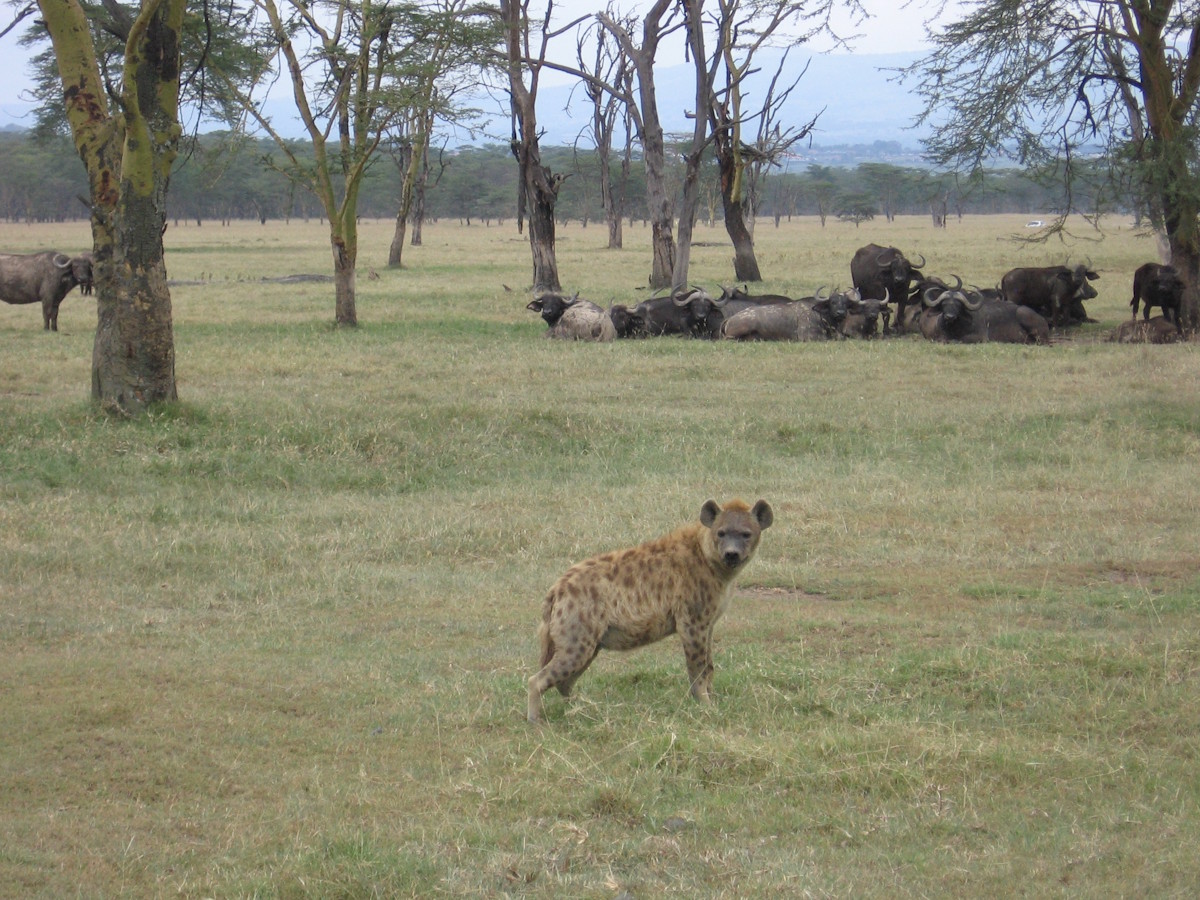
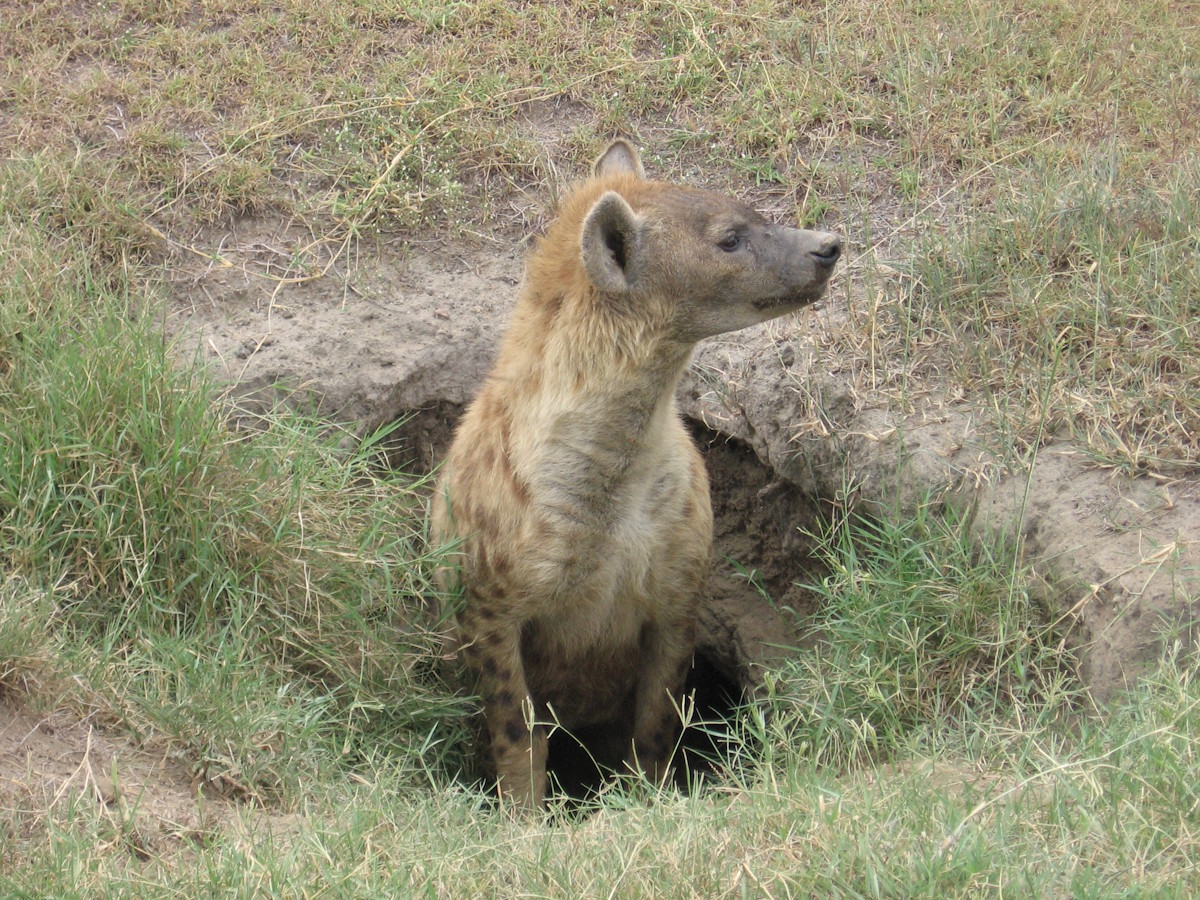
Spotted hyena (Crocuta crocuta, fisi madoa) walked past the buffaloes and went to guard its den.
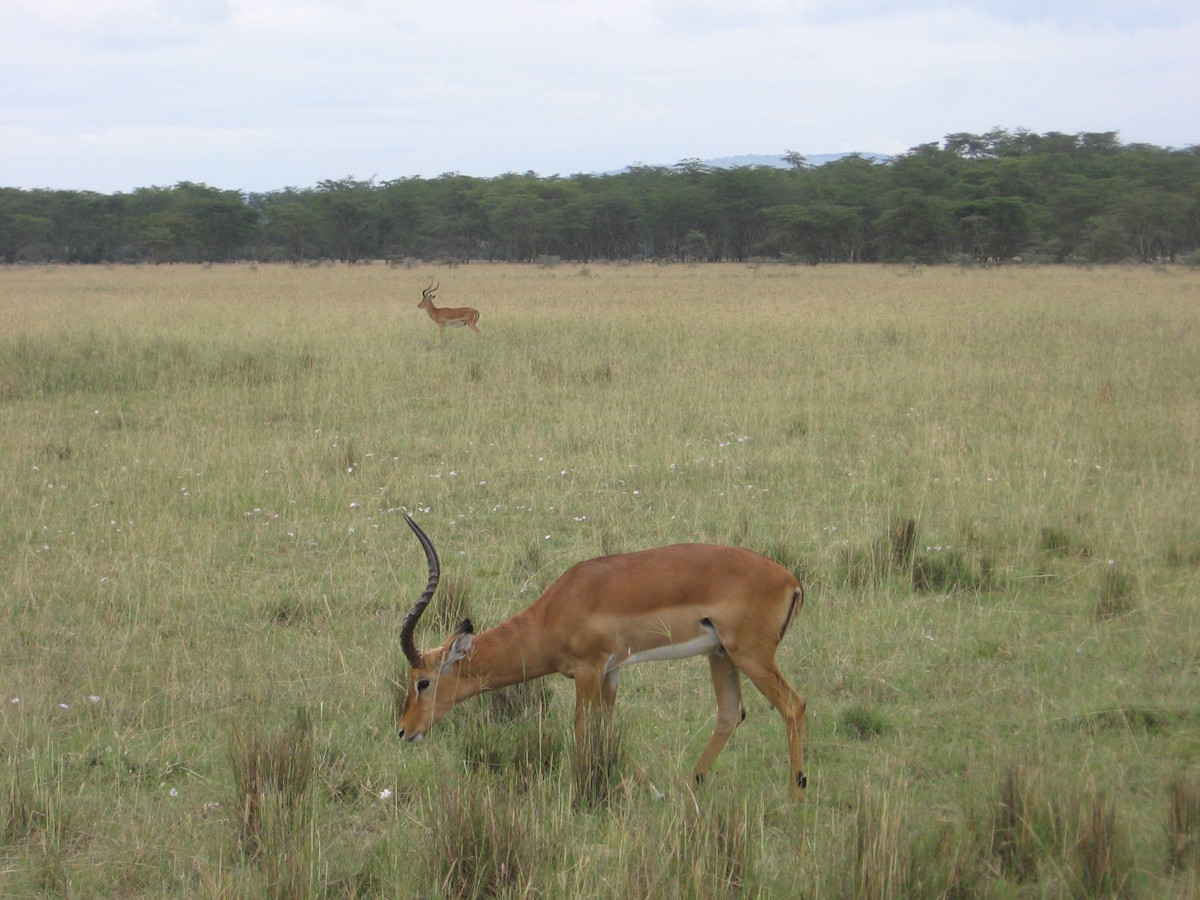
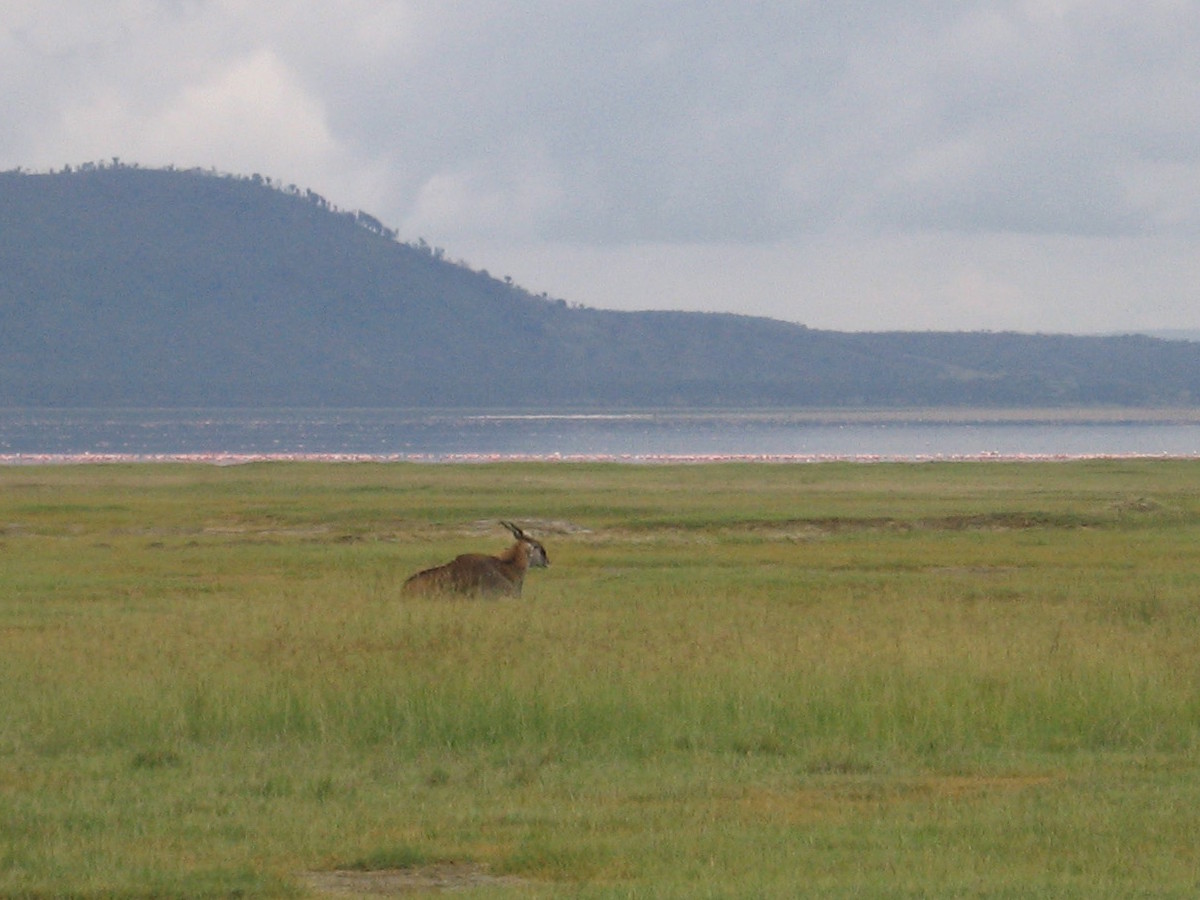
Impala (Aepyceros melampus, swala pala) and common eland (Taurotragus oryx, pofu wa kawaida).
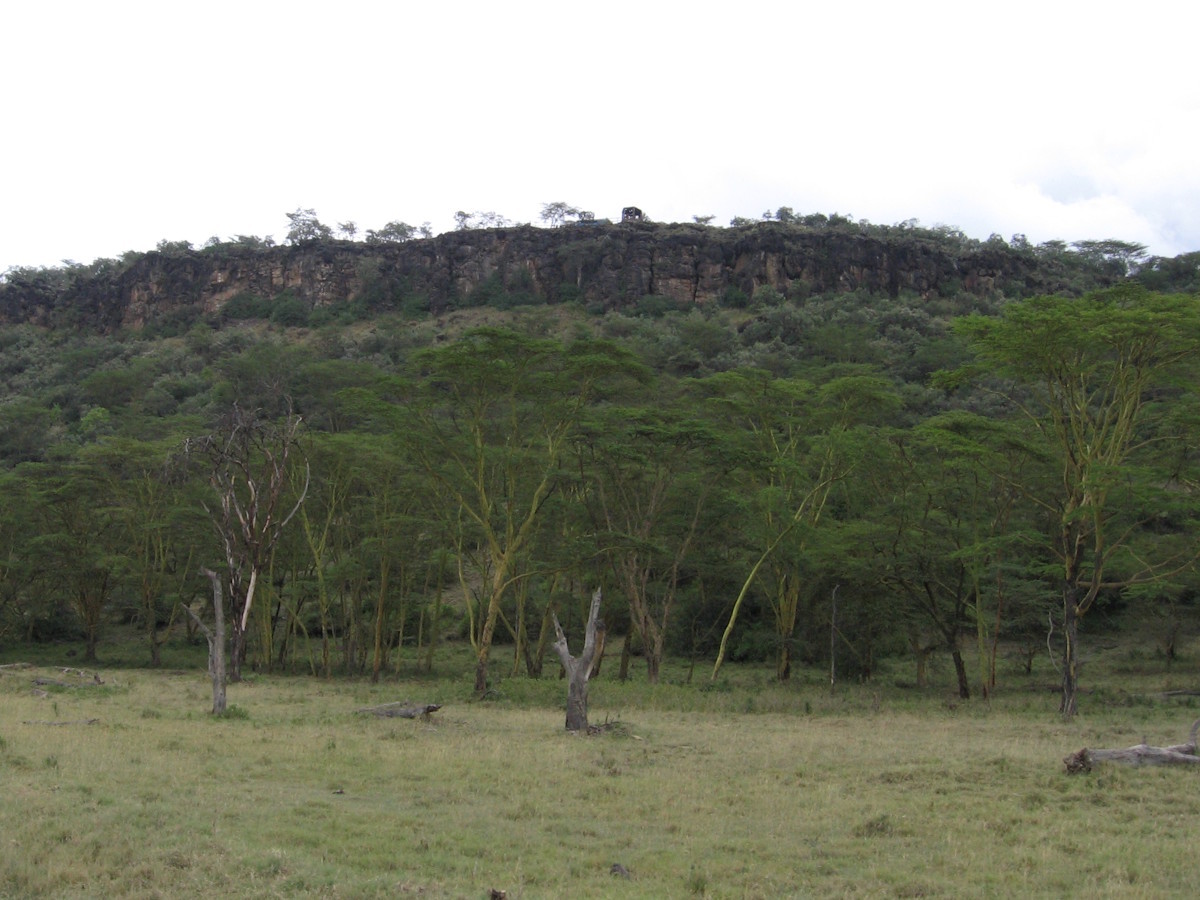
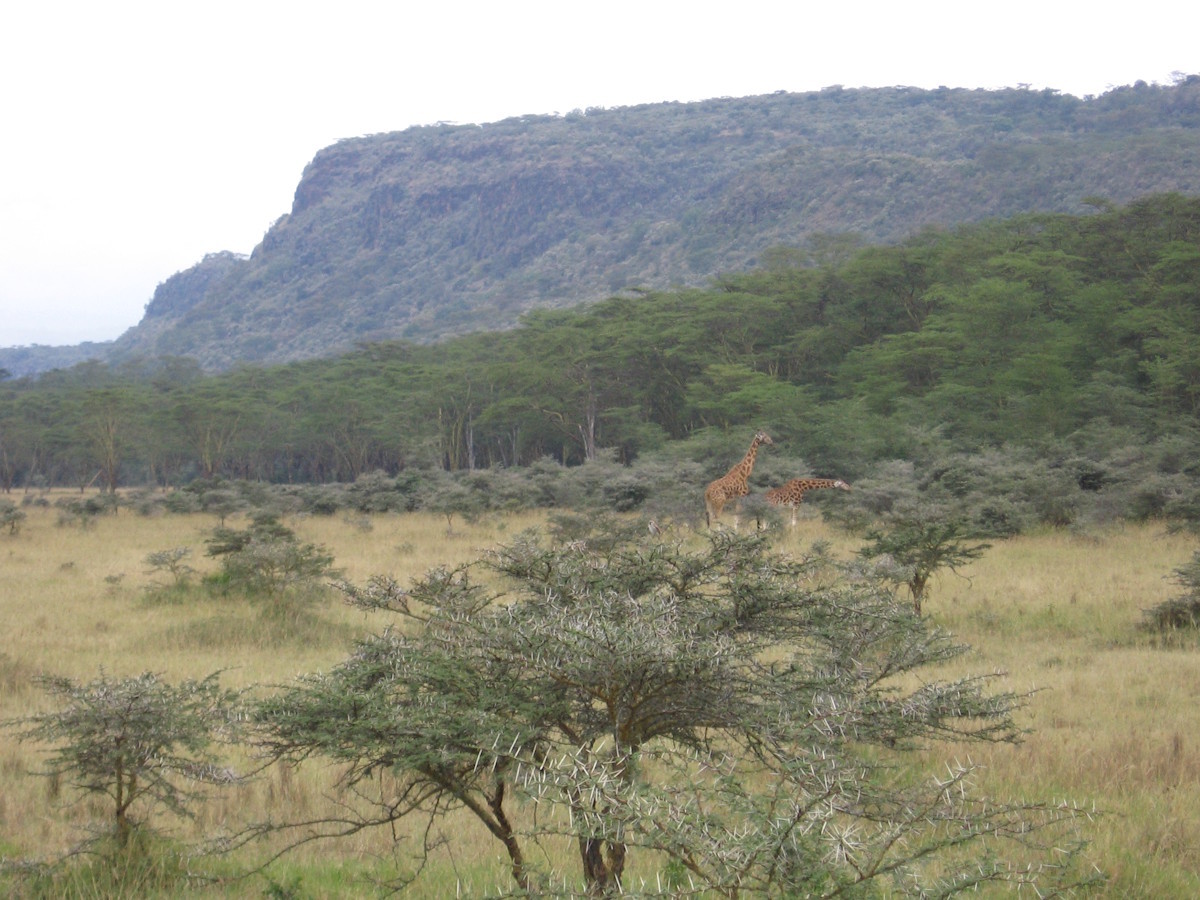
Baboon Cliff, where we were headed to have lunch. Northern giraffe (Giraffa camelopardalis, twiga kaskazi).
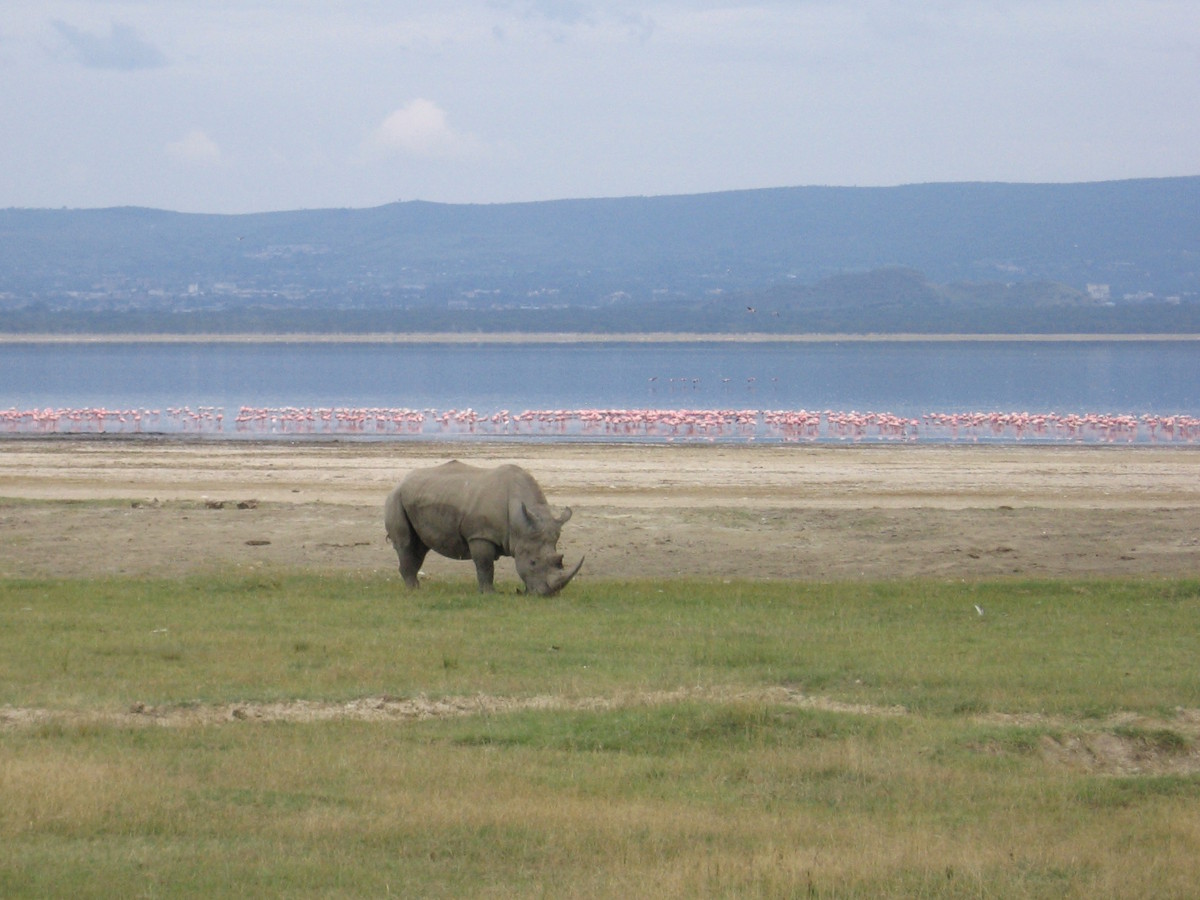
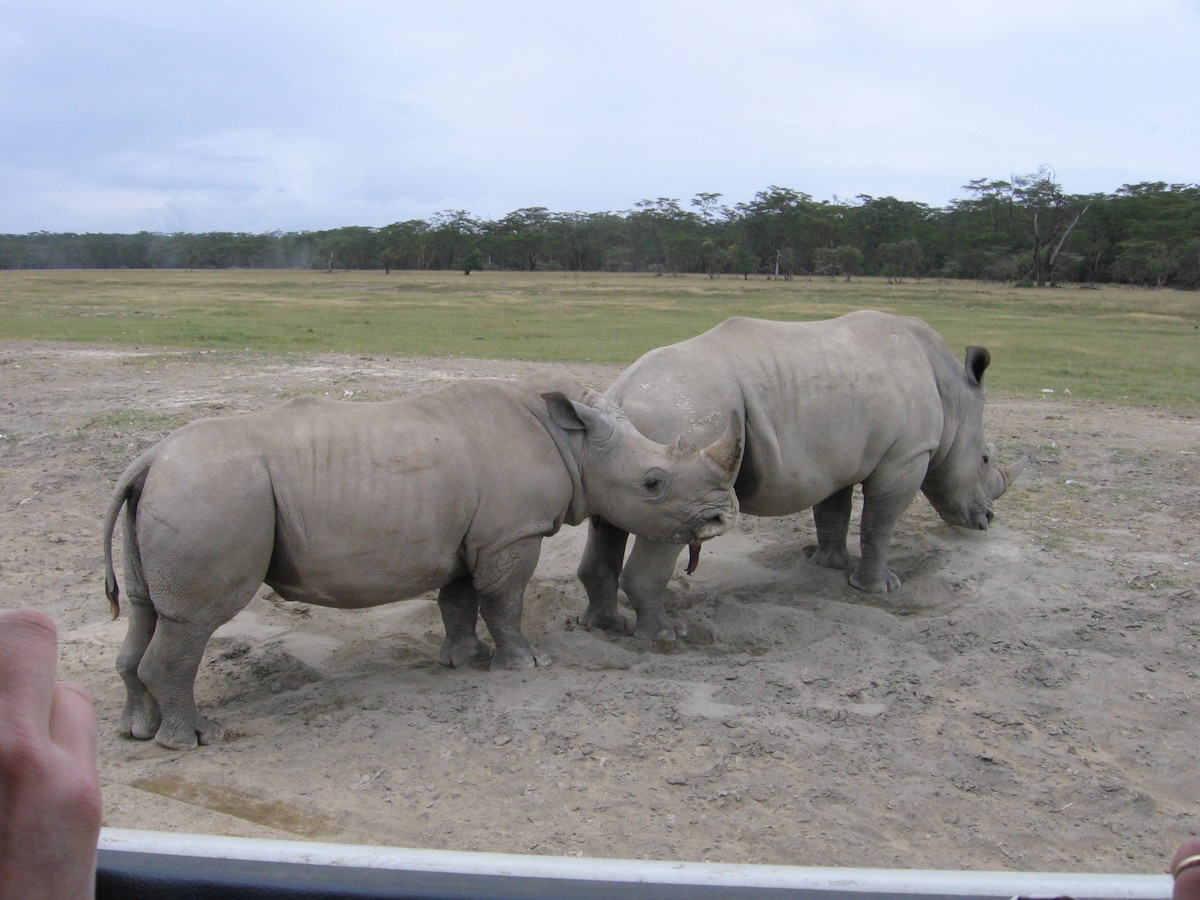
White rhinoceros (Ceratotherium simum, kifaru mweusi). We were pretty close.
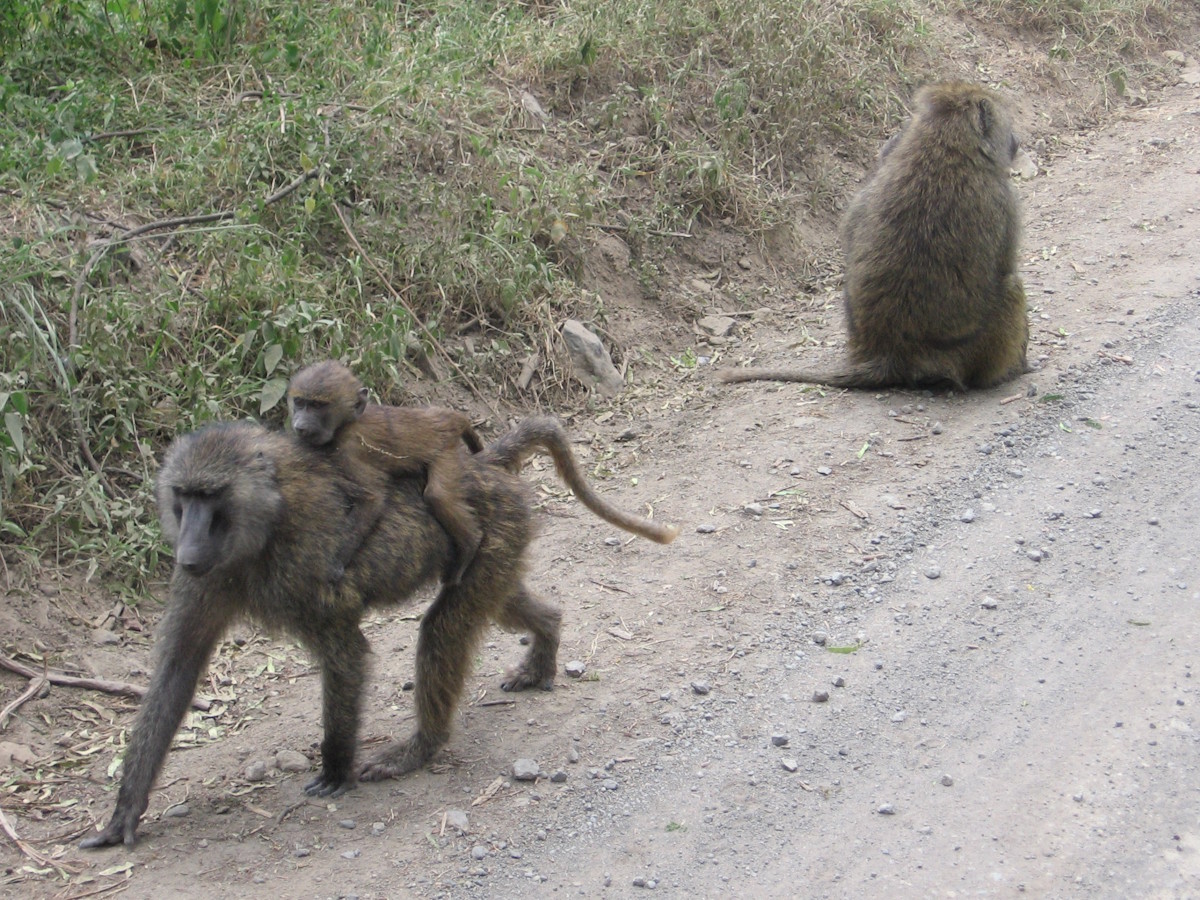
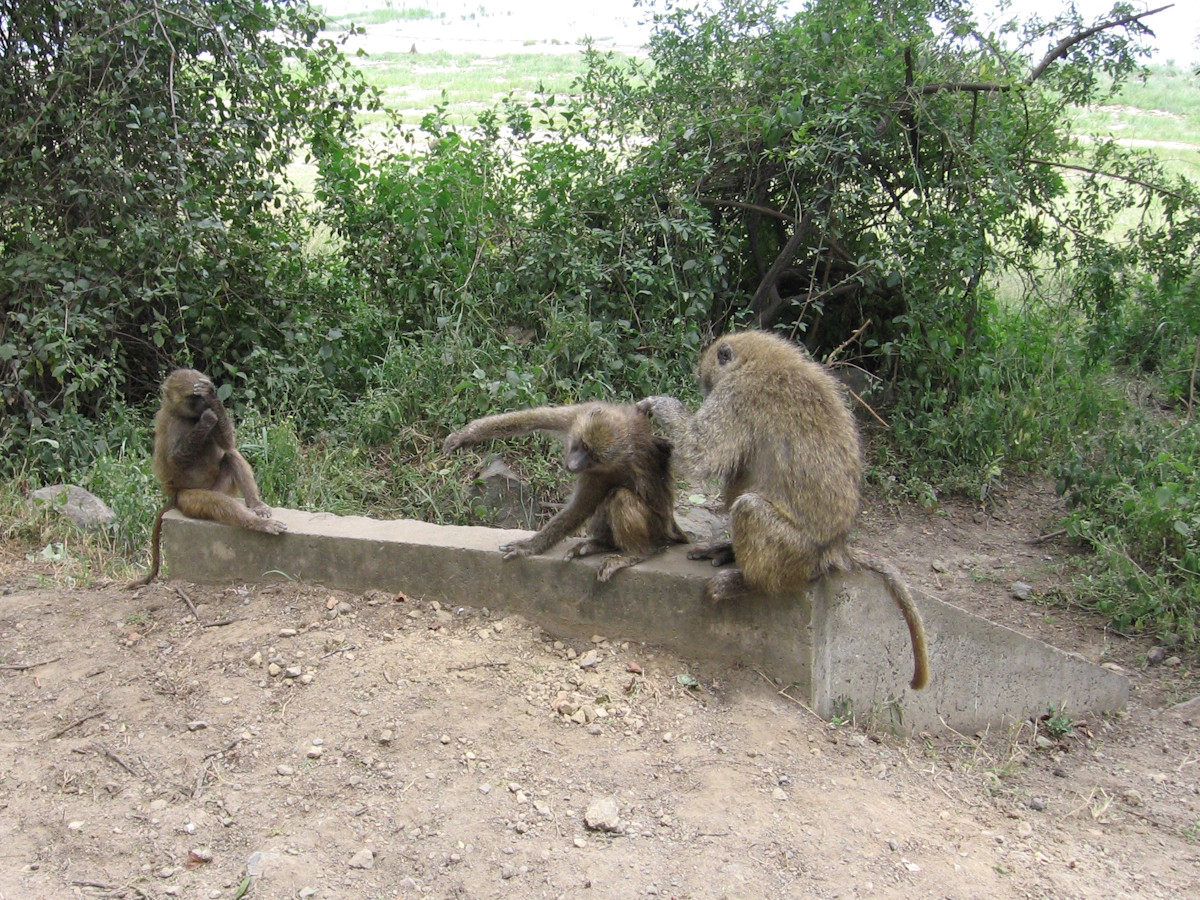
Olive baboon (Papio anubis, nyani wa kawaida). One was carrying a young and others were in the middle of grooming.
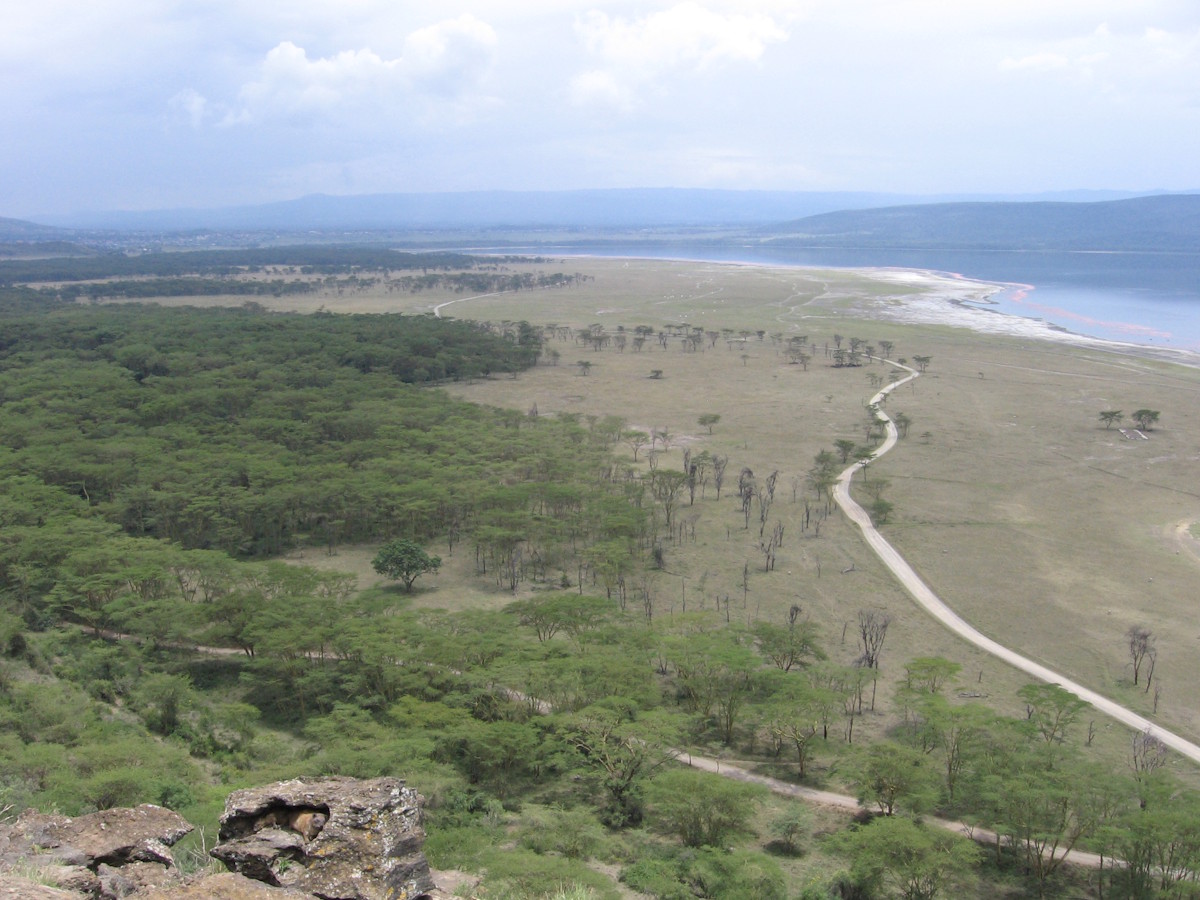
View from Baboon Cliff. Like its name suggests, there are often baboons trying to take food from humans, but we got to eat in peace.
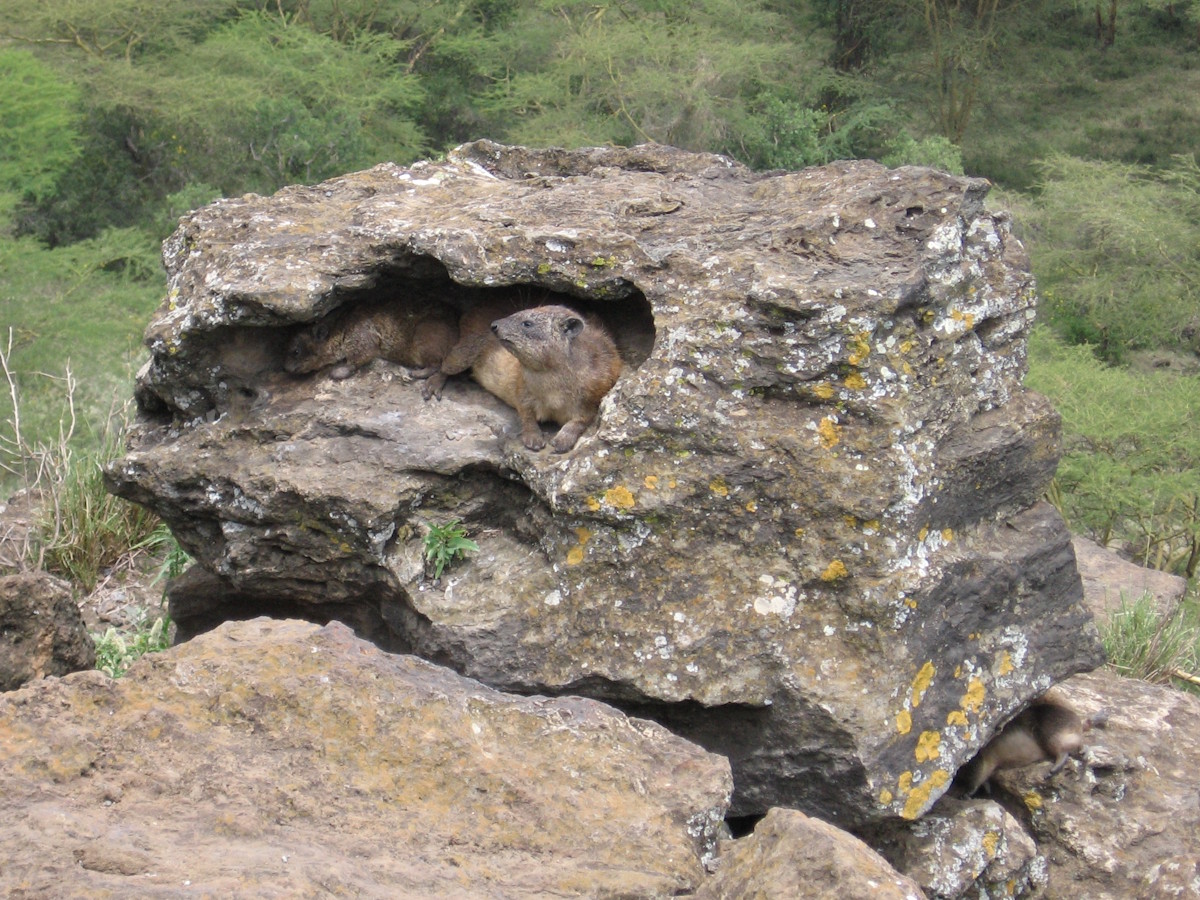
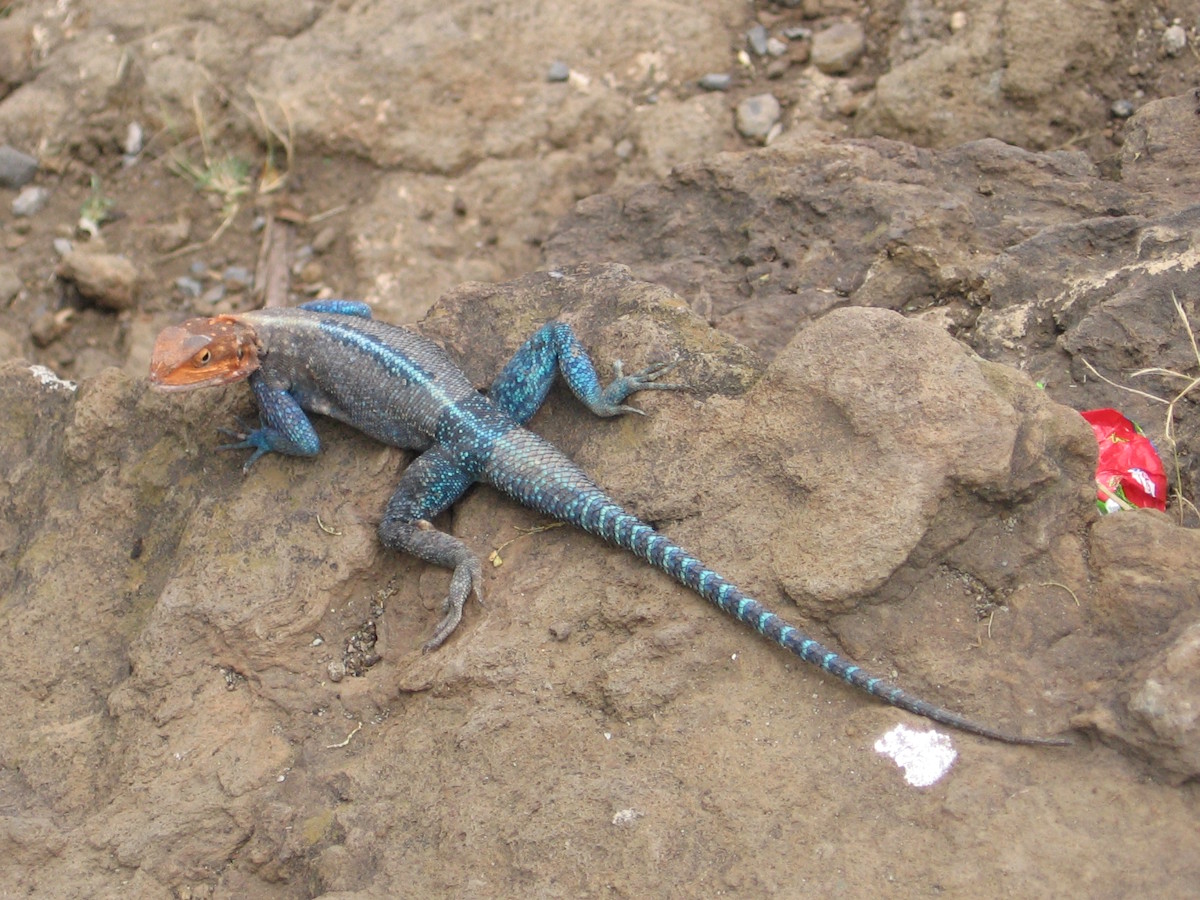
Rock hyrax (Procavia capensis, pimbi mkubwa), a close relative of the elephants. An agama (Agama agama/lionotus, balabala).
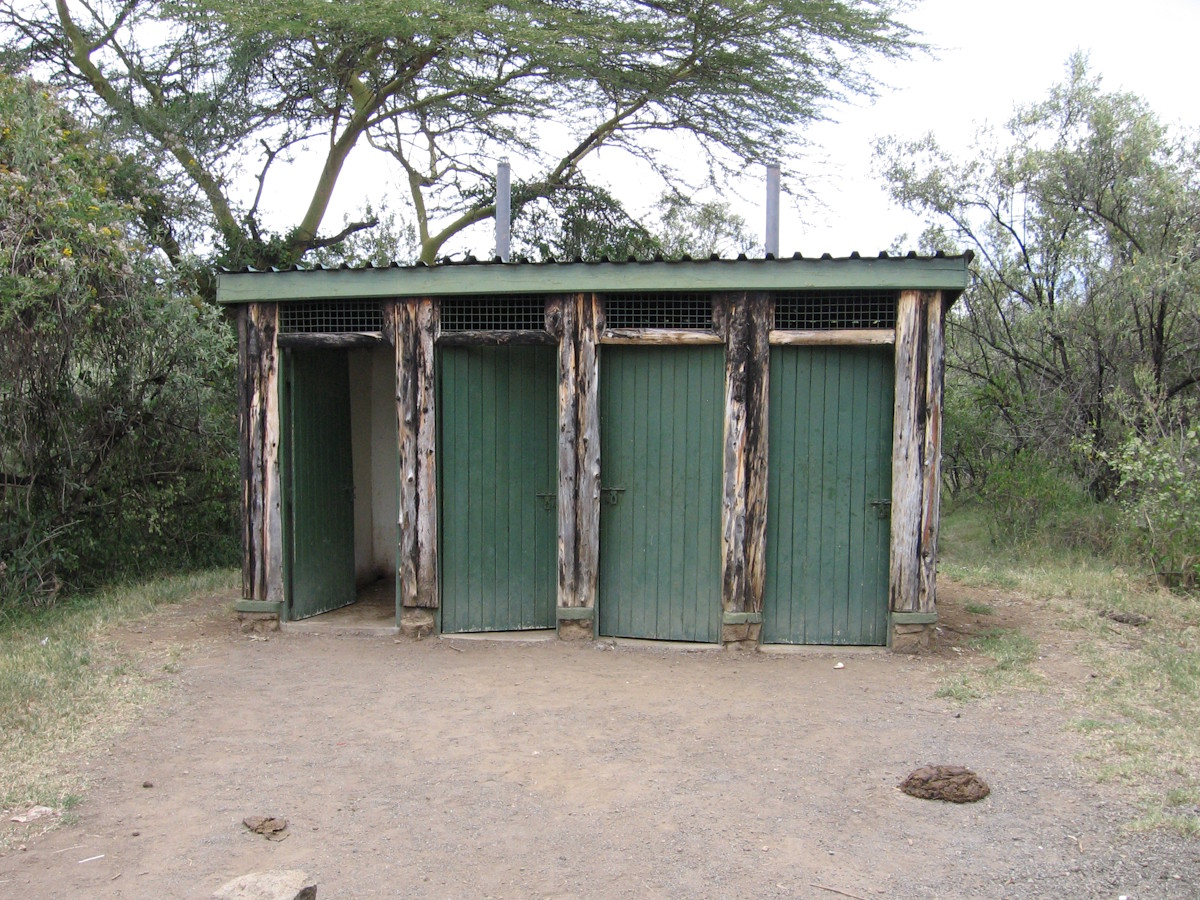
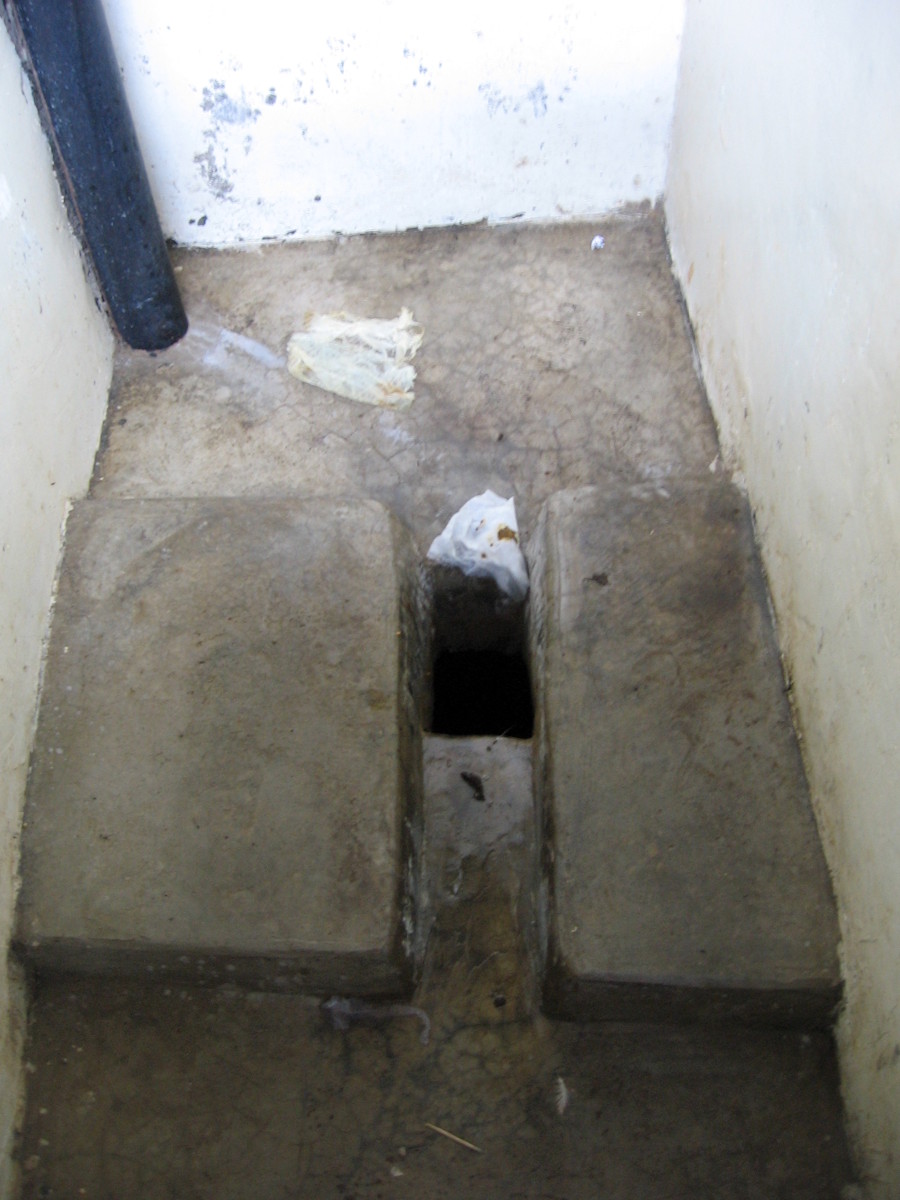
Toilet.
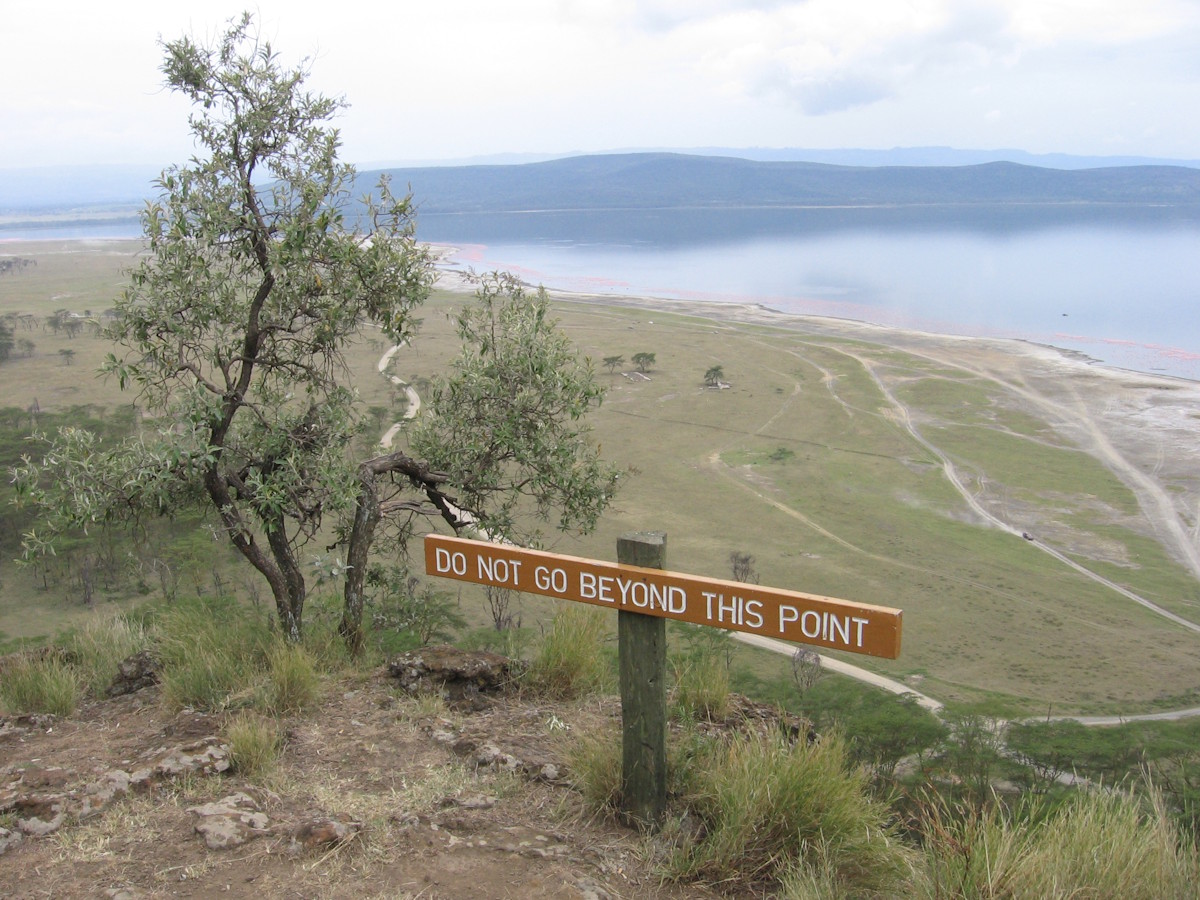
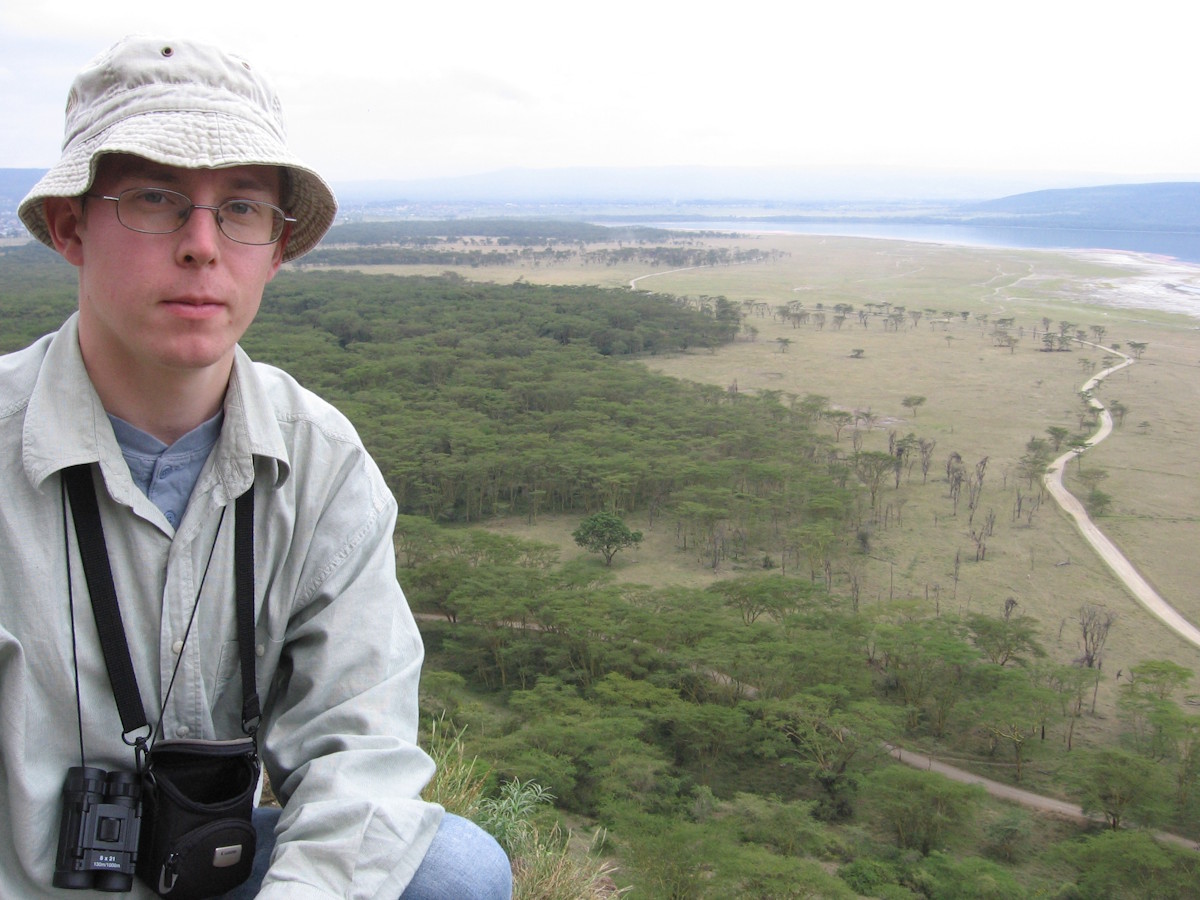
The sign said not to go over the cliff edge. I didn’t, but took a photo at the edge.
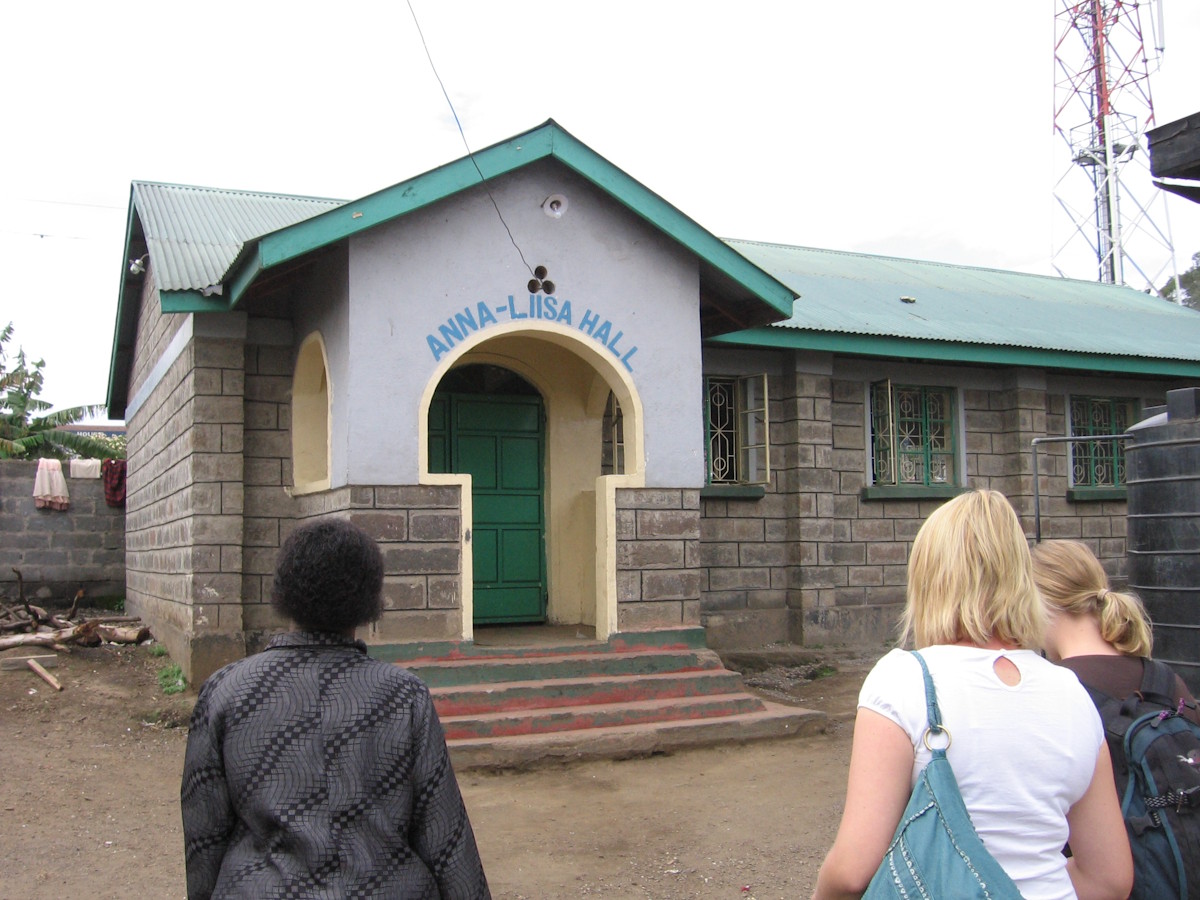
One of the main stops of the trip was Arap Moi Children’s Home. We brought a big pile of clothes and some toys. In addition, the sum we payed for the trip included a donation to the children’s home. We took a tour of the facilities. There were children from babies to teenagers. The children were watching TV but had to come look at the guests. We sang songs with them.
Anna-Liisa Hall was named after Anna-Liisa Jarkko, the founder of Nakurun lapset child sponsorship charity.
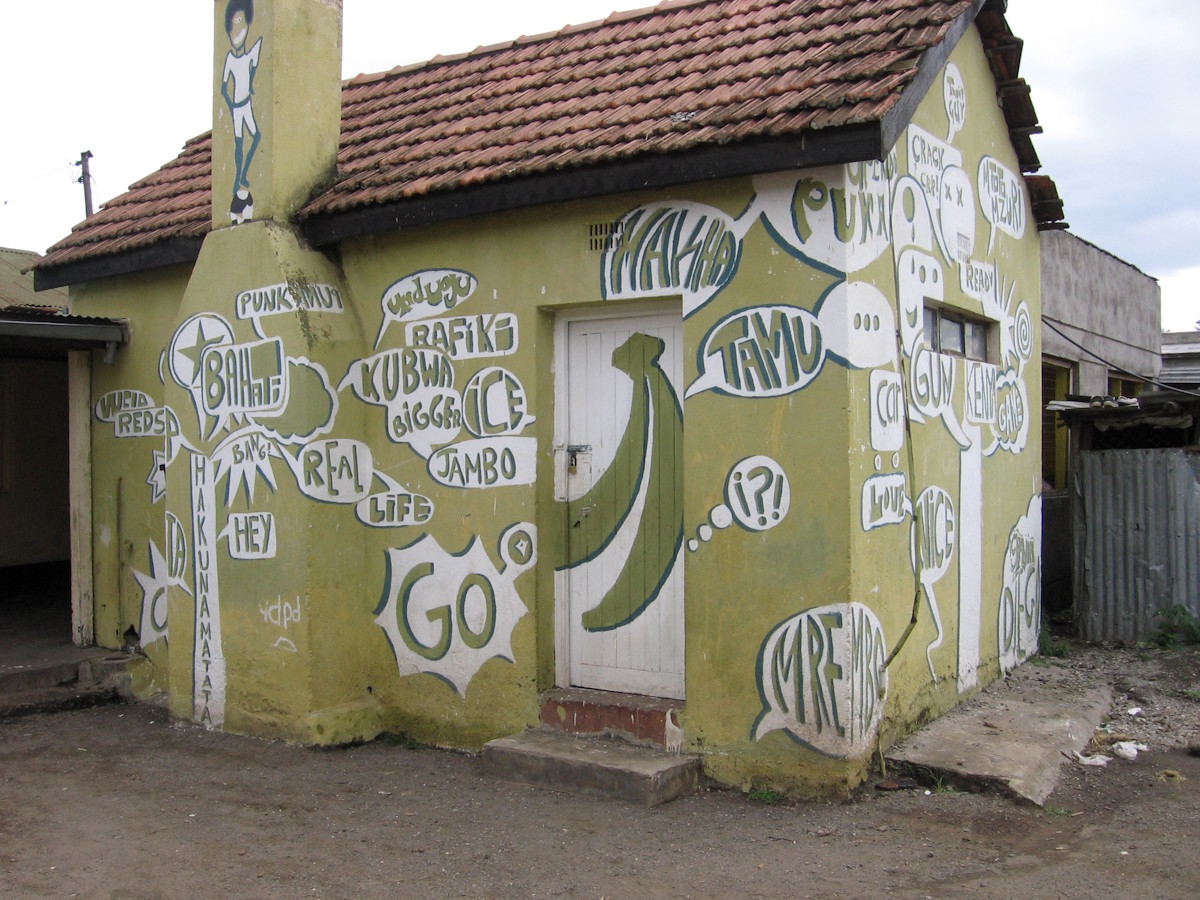
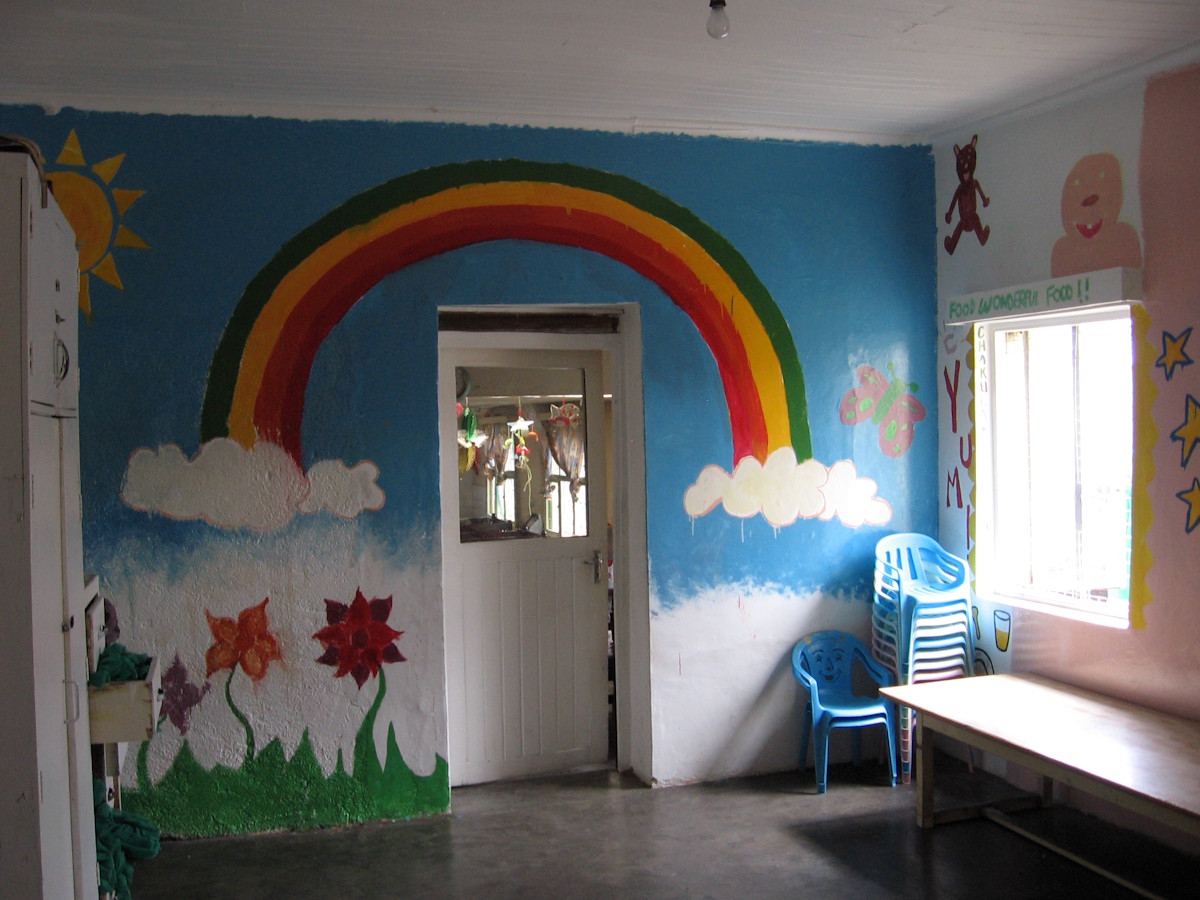
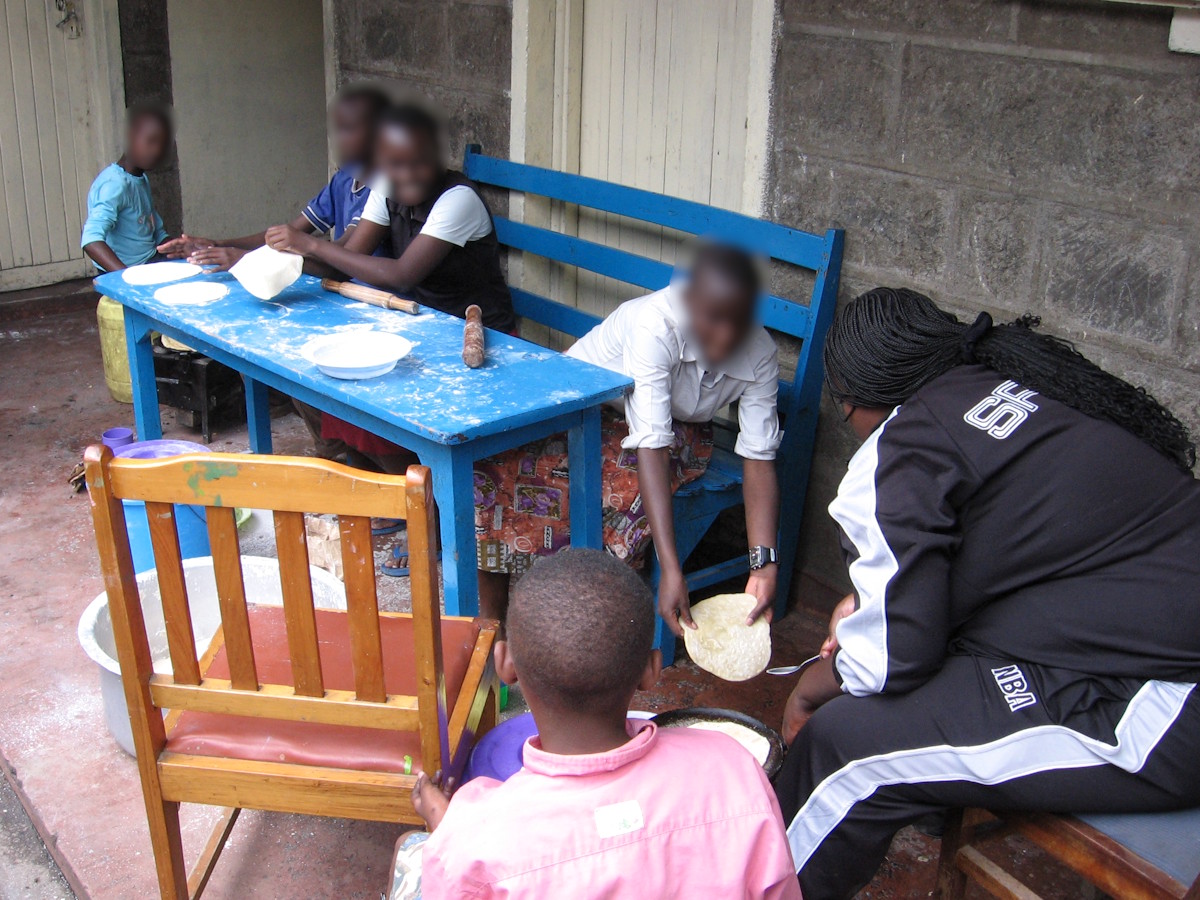
Children making chapati bread.
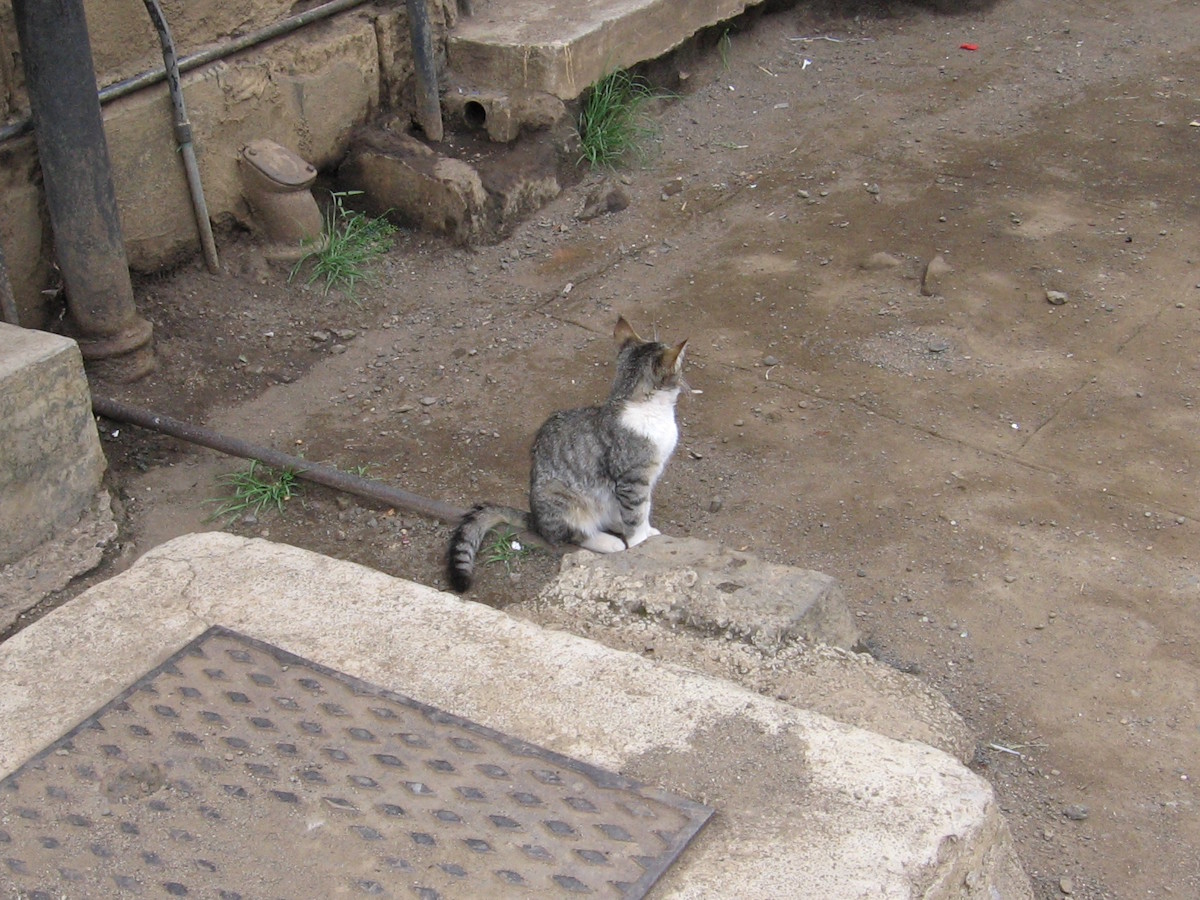
A cat and two dogs on the yard of the children’s home.
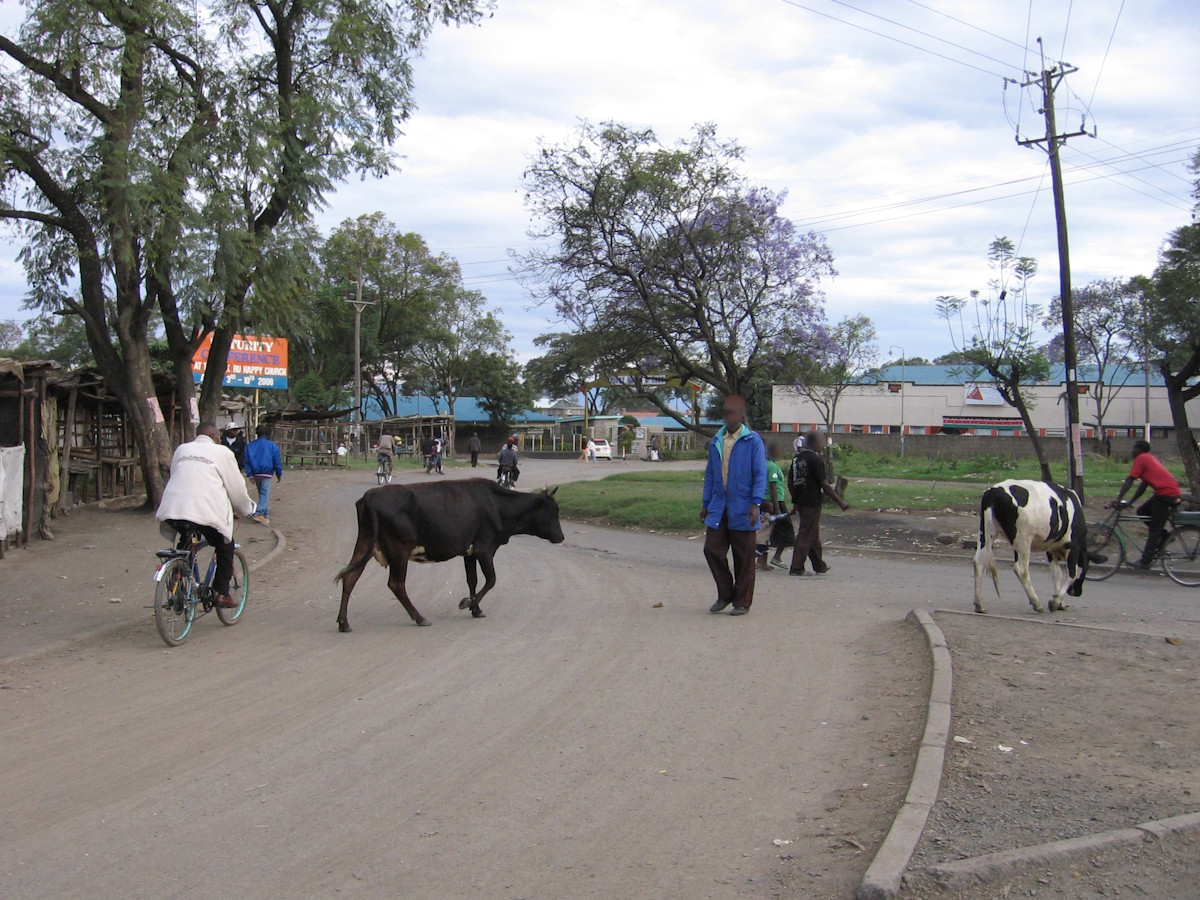
Cityscape with cows. We also went to by souvenirs. A man came to tell me that he would like get one of the women in the group as his wife and would give me cattle in exchange. I don’t know if he was just messing around with a tourist, but in any case I told him that she was not available.
At some point of the day we found out that a land ownership dispute had started in the eco village where we were supposed to start the jatropha farm. That changed our plans.
Mon 20/10
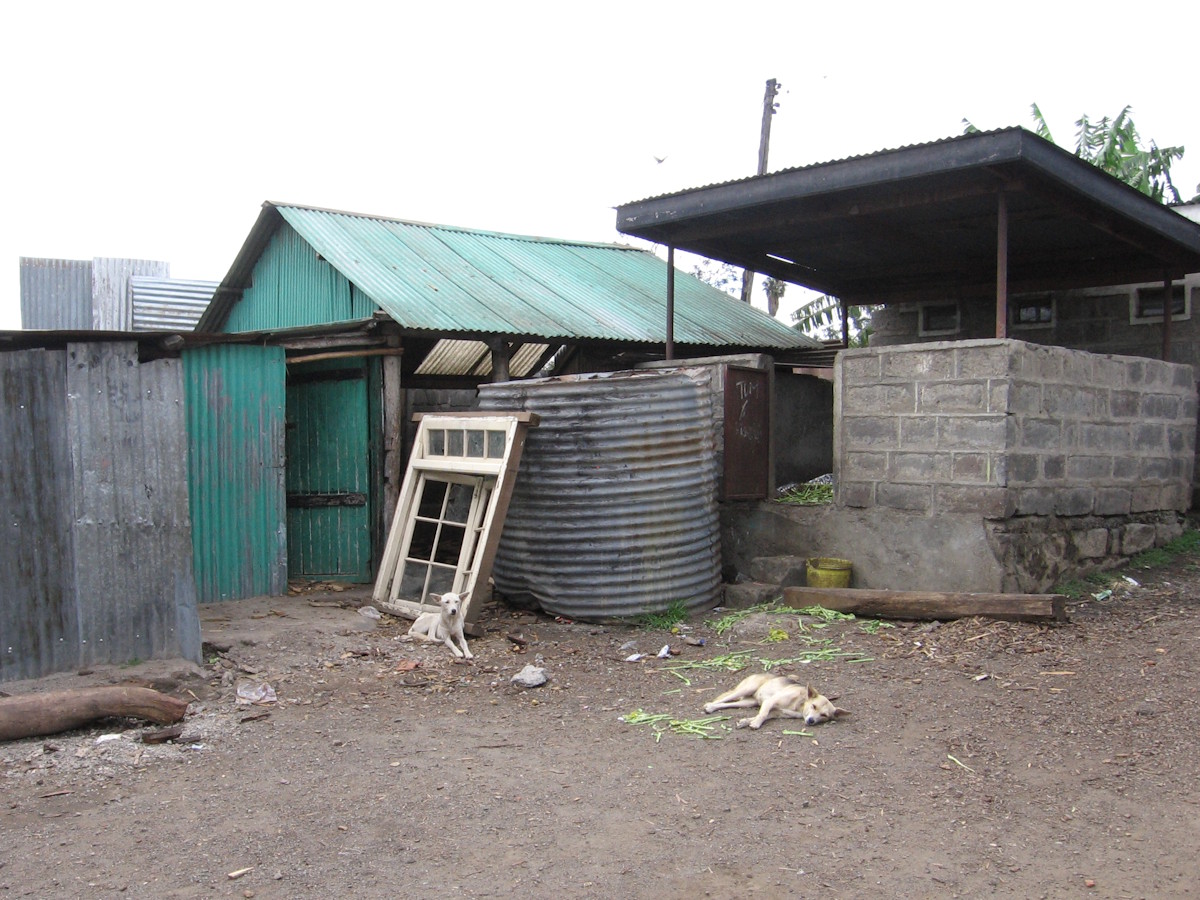
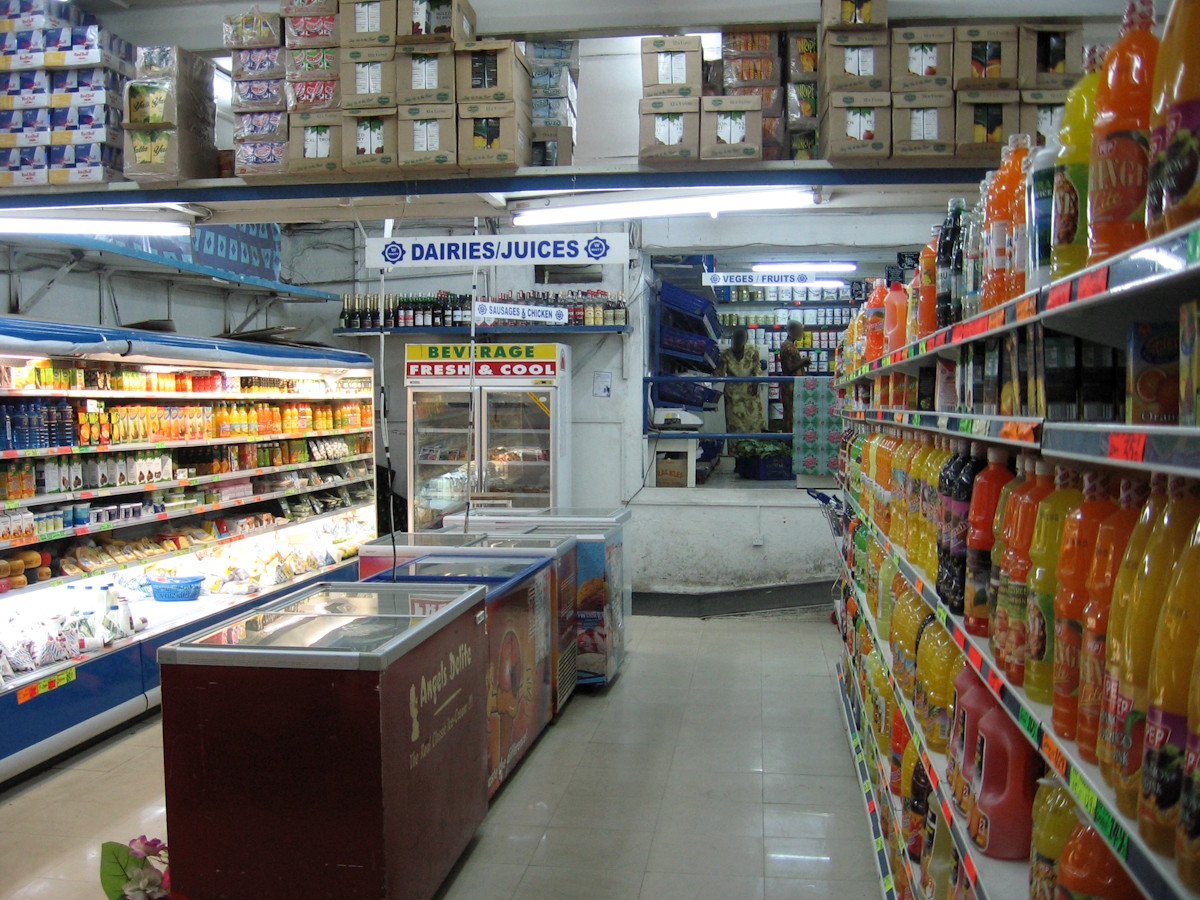
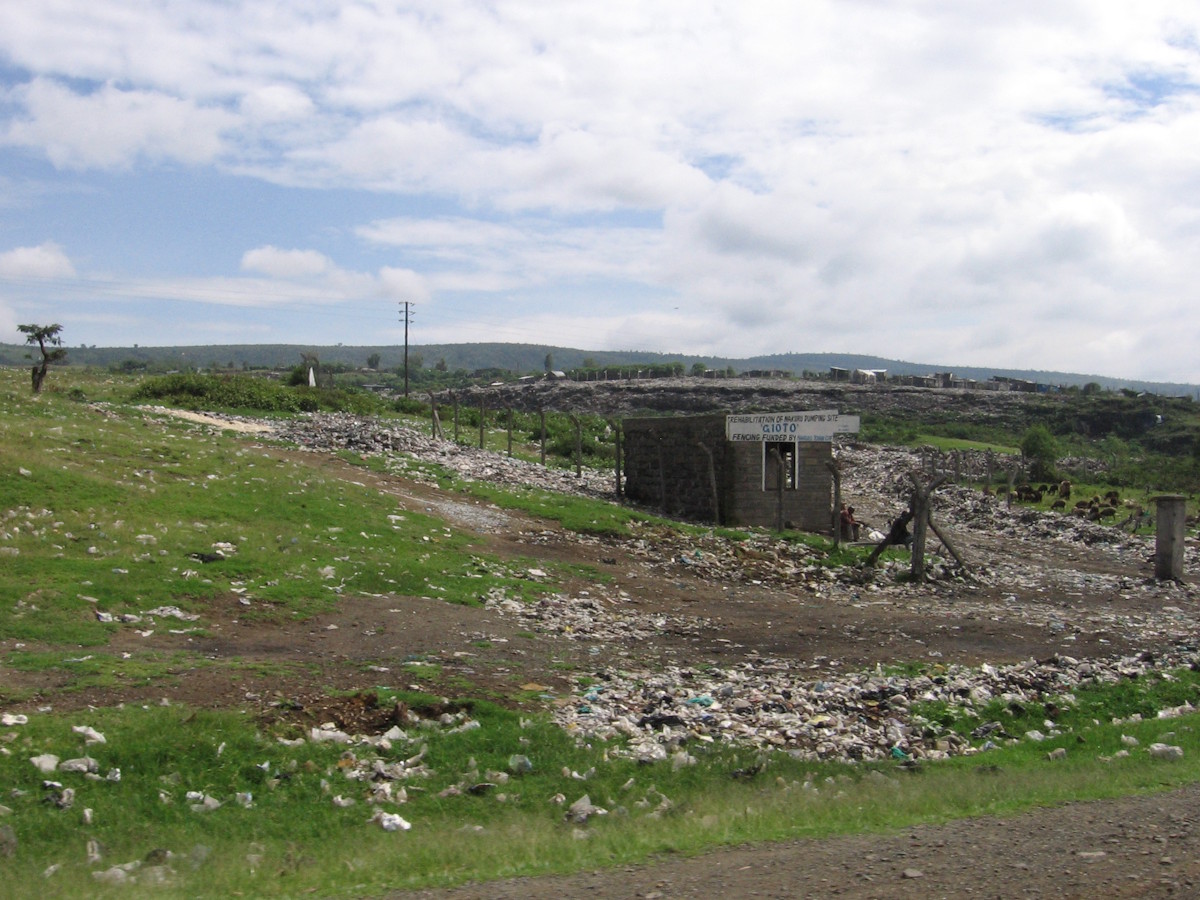
Grocery store. Gioto dump was under rehabilitation and they were planning on starting a new dump further away from the city. I think the rehabilitation is still unfinished today.
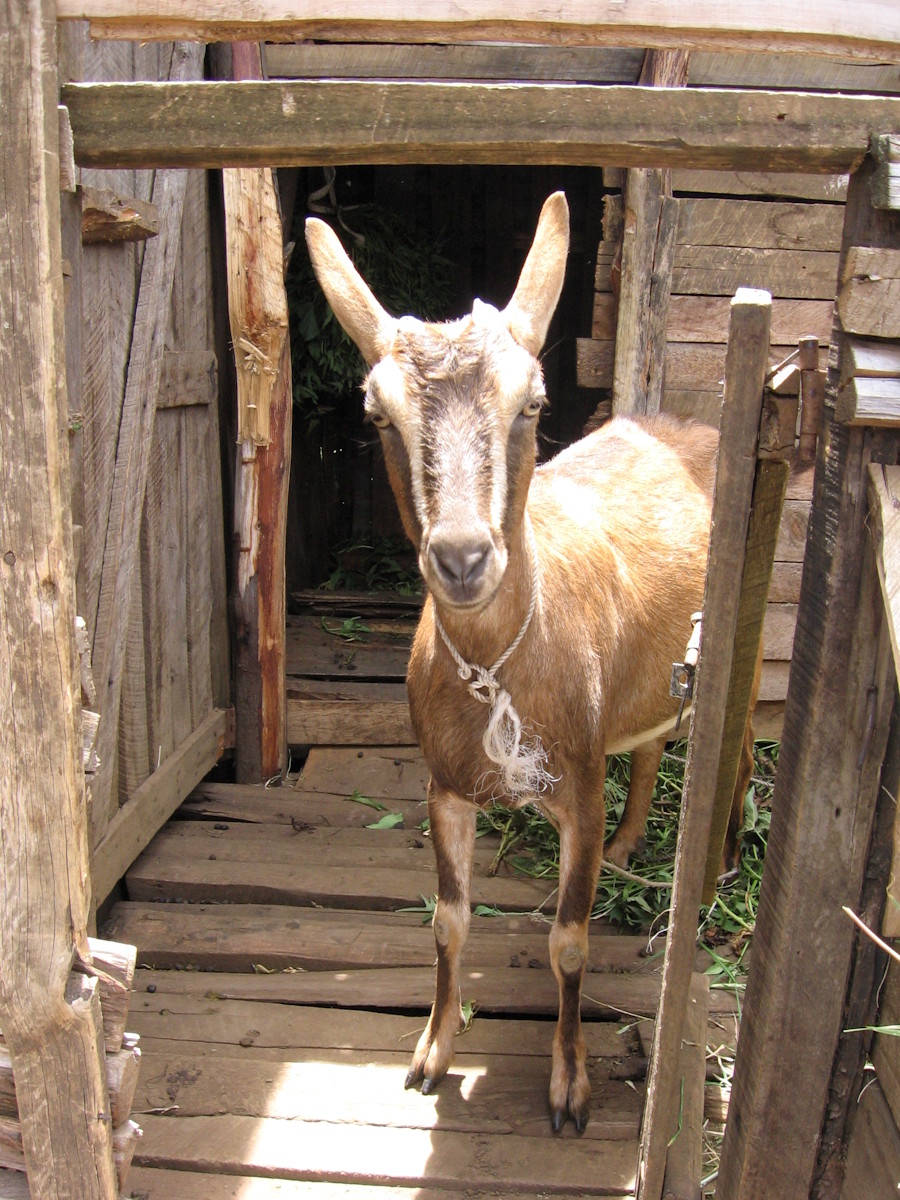
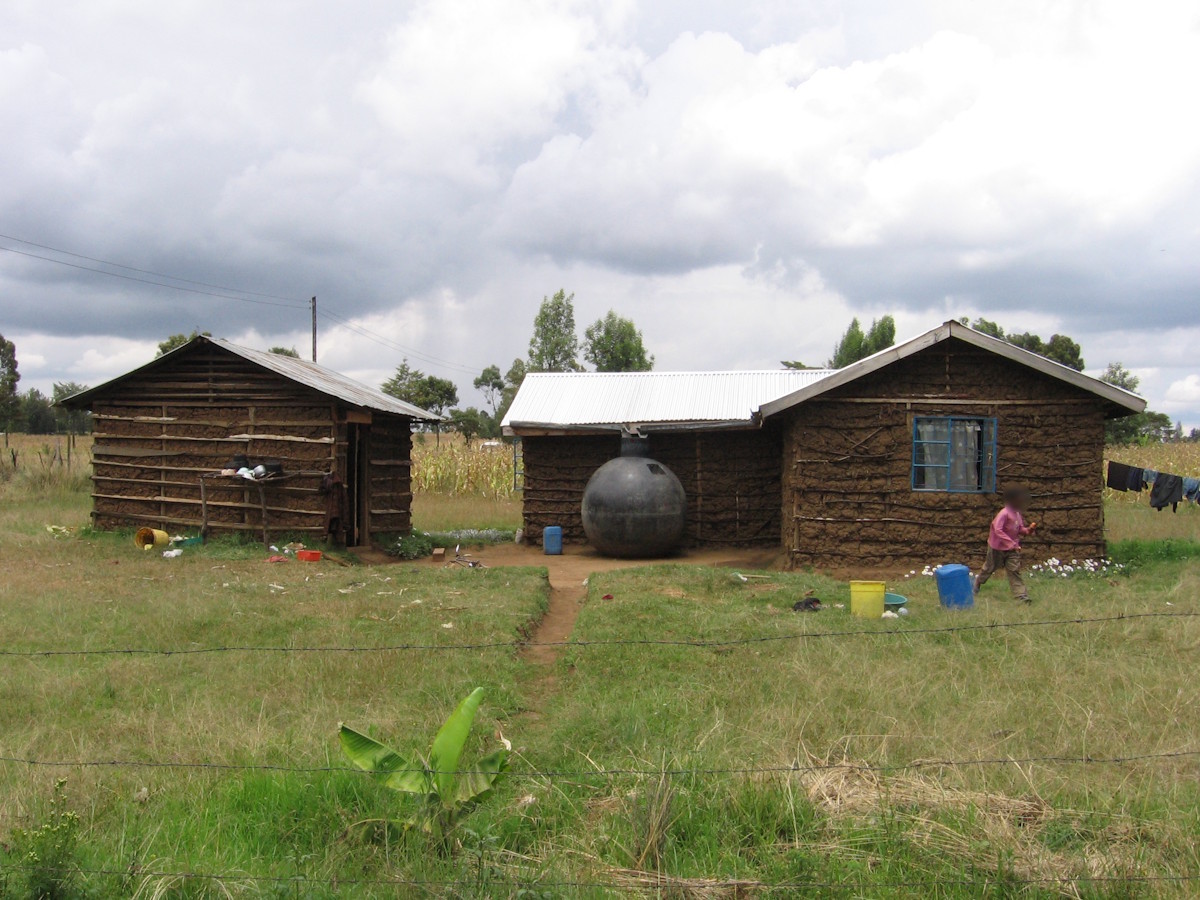
We went to pick up a few people from the Farming Systems Kenya NGO and went to Njoro to see the work of three self-help groups. Two groups had purchased a goat with help from FSK so that part of the payment was done by giving the goat’s kid to some other self-help group. By selling goat milk, the groups got income. The third group grew tomatoes.
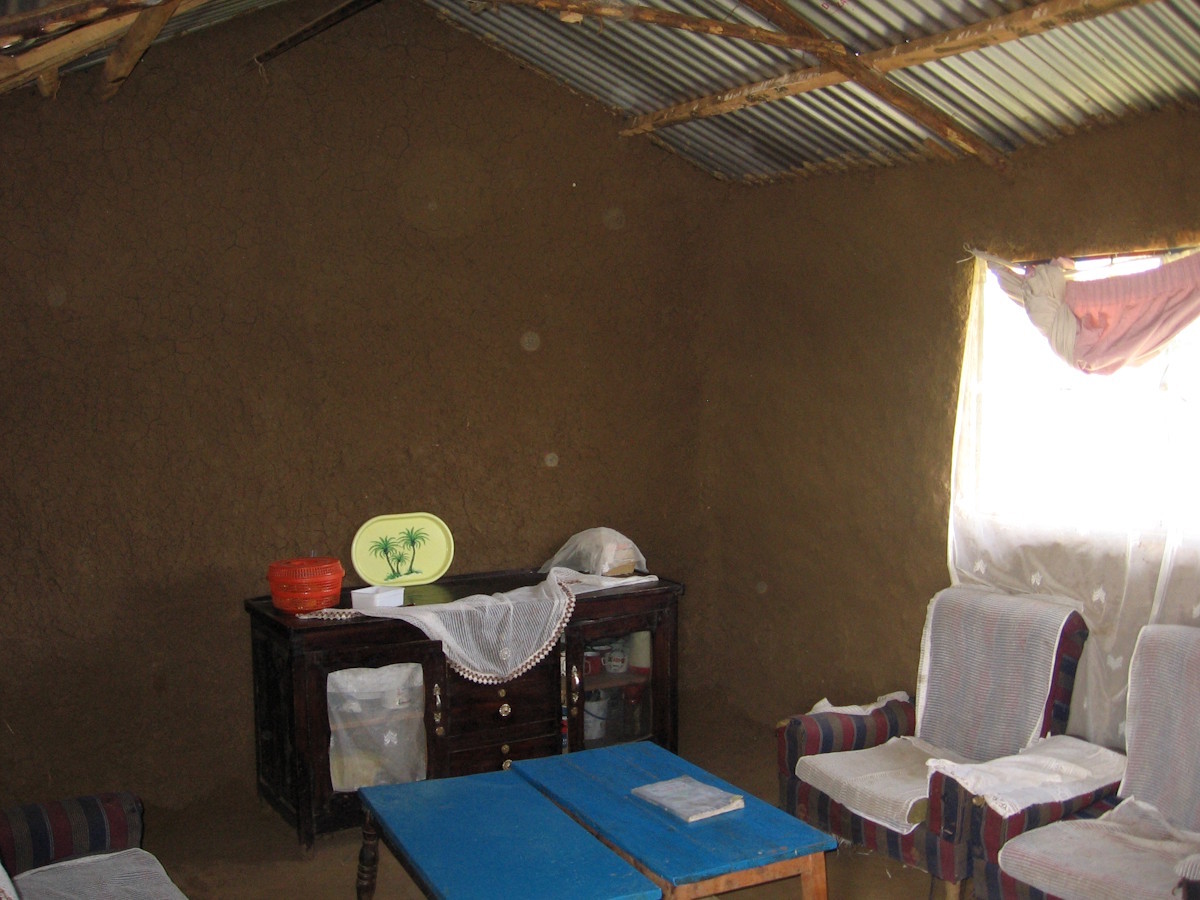
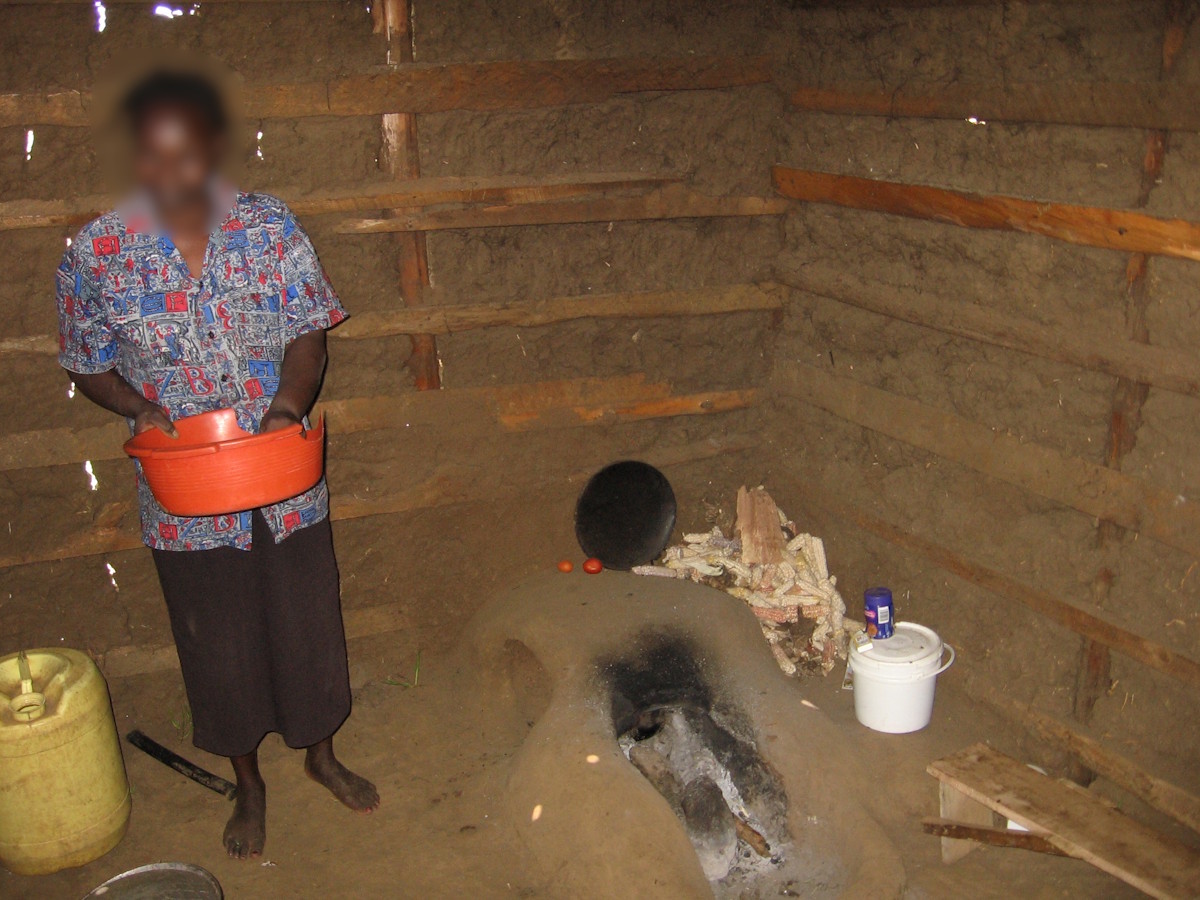
In the photos, the goat of the first group and the nice-looking house made of wood and clay of the second group, along with its fireplace.
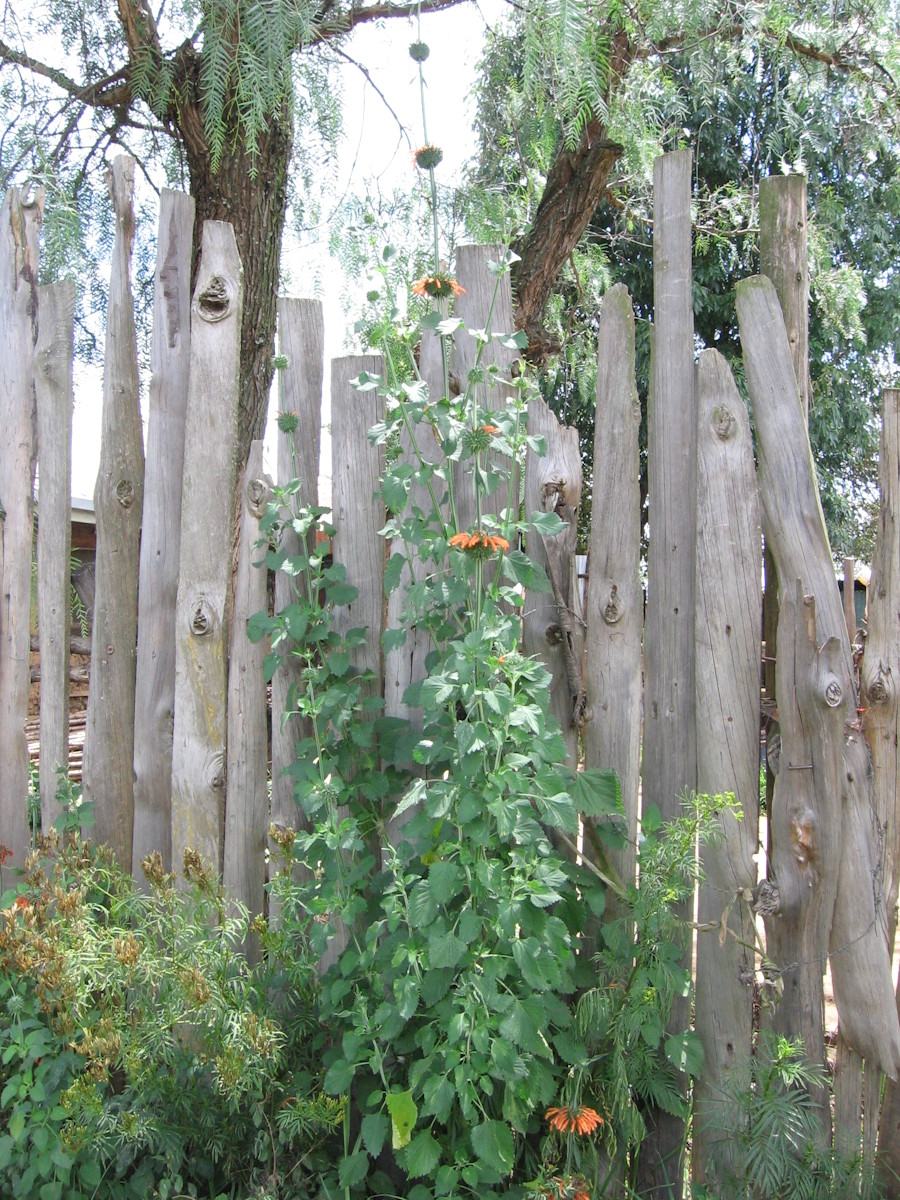
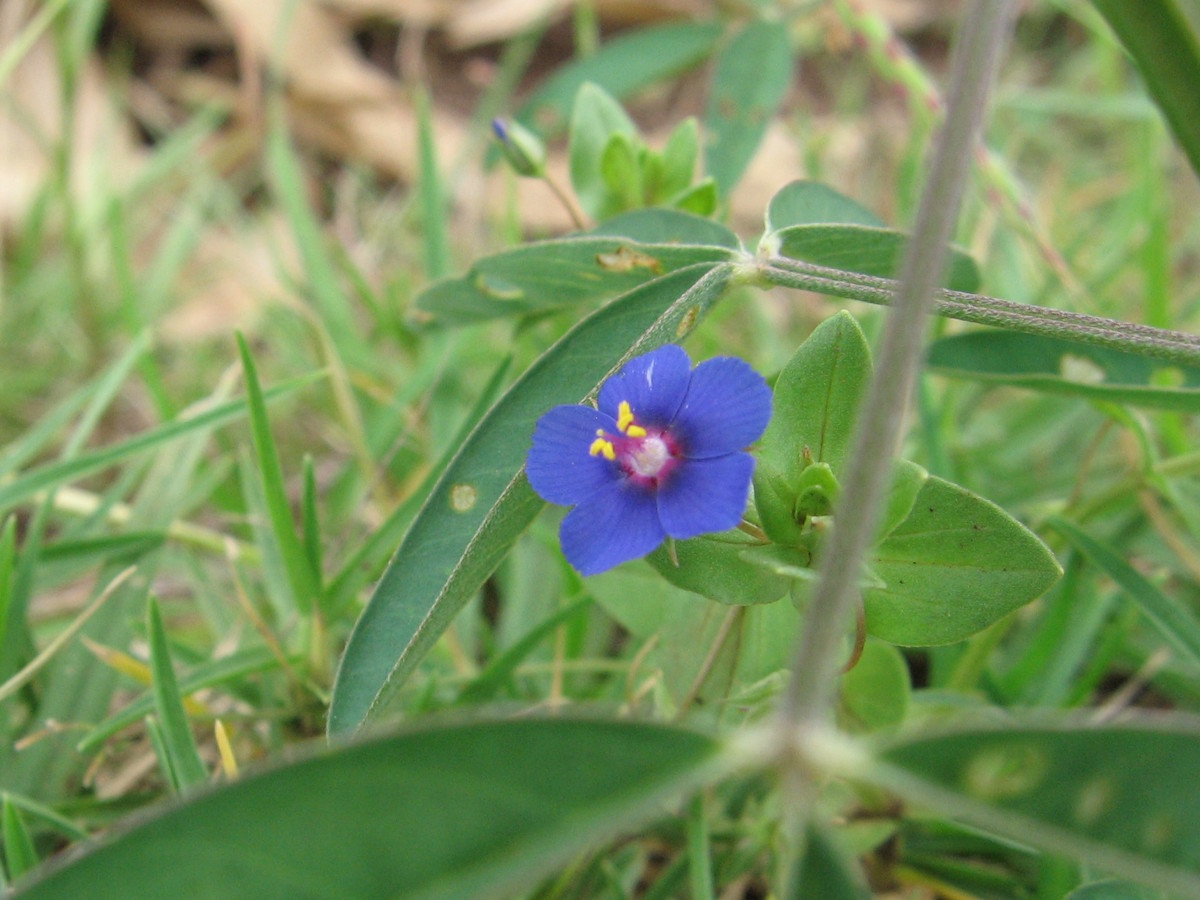
Klip dagga (Leonotis nepetifolia, mkua usiku) and Lysimachia loeflingii. Children apparently cut a part of the stem of klip dagga with two ball-shaped inflorescences and play with it like an axle and wheels.
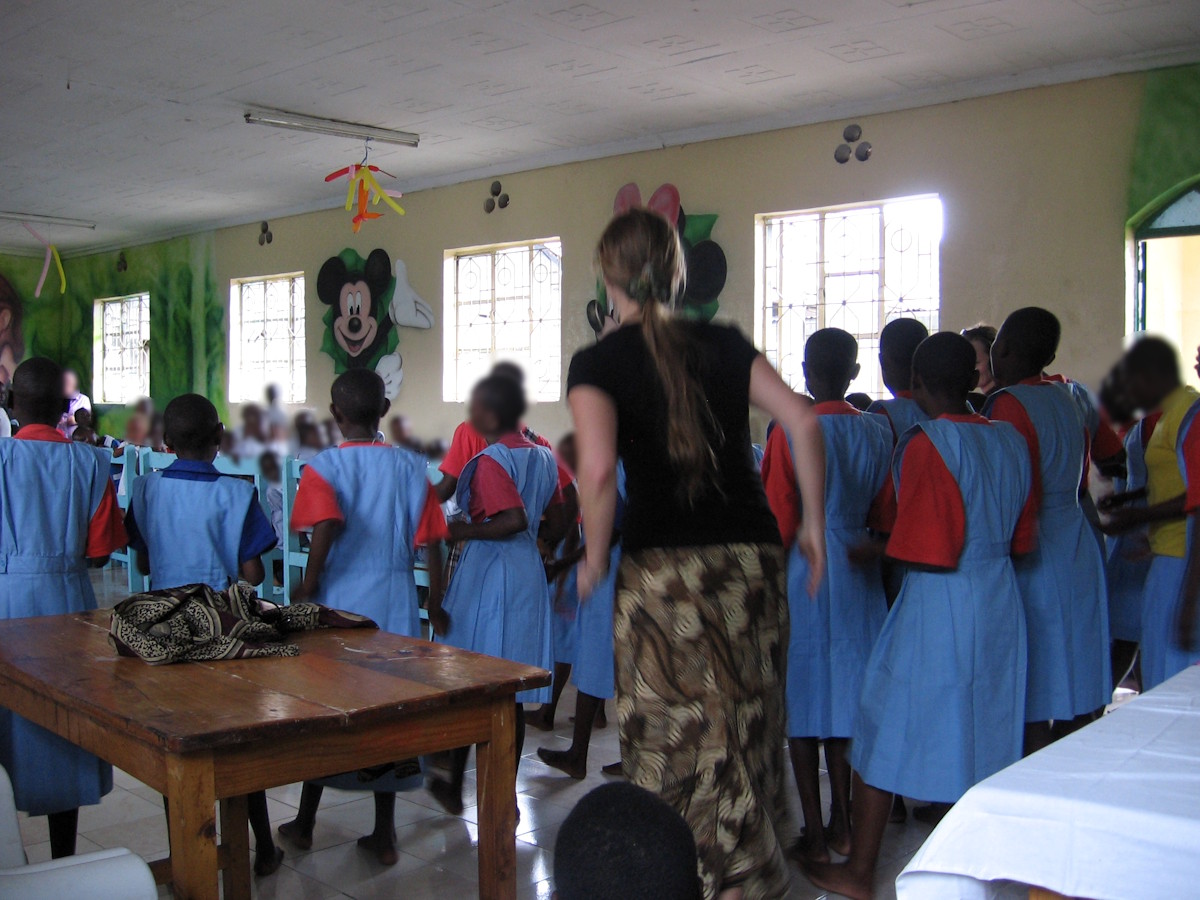
We went to the children’s home again, because we had forgot to bring some toys and one of us had forgot some of her stuff there. The children immediately came to hold our hands.
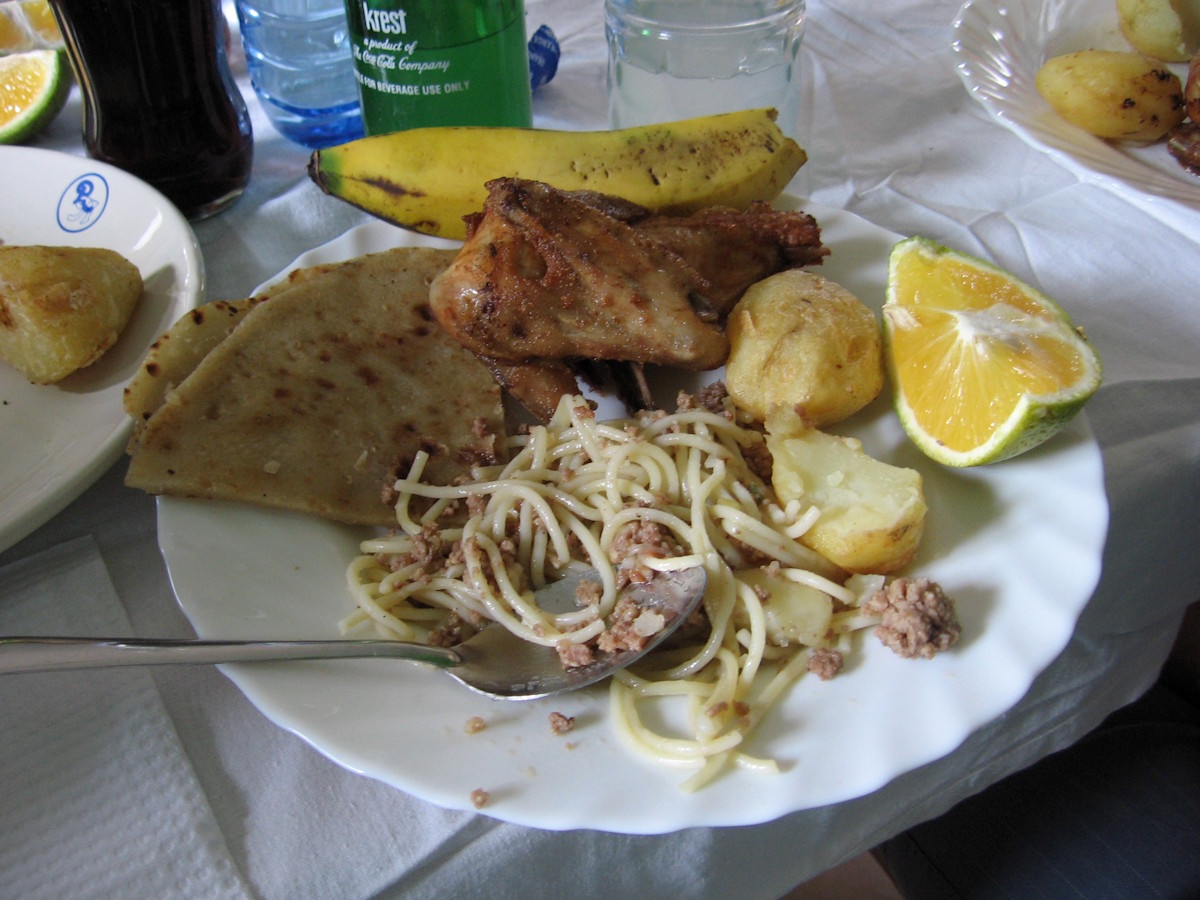
A few Finnish people from the Nakurun lapset charity happened to be there, and our tour leader new them. We sang and danced and stayed for lunch. We were given bottles of soda, and for a little while we thought of it as unfair, until we saw that each child was also given a bottle. It was Kenyatta Day (today called Mashujaa Day), a day to honour those that contributed to the independence, and the sodas were to celebrate. The green bottle just visible in the photo is Krest ginger ale which I liked a lot and always took it if it was available.
A video of children singing.
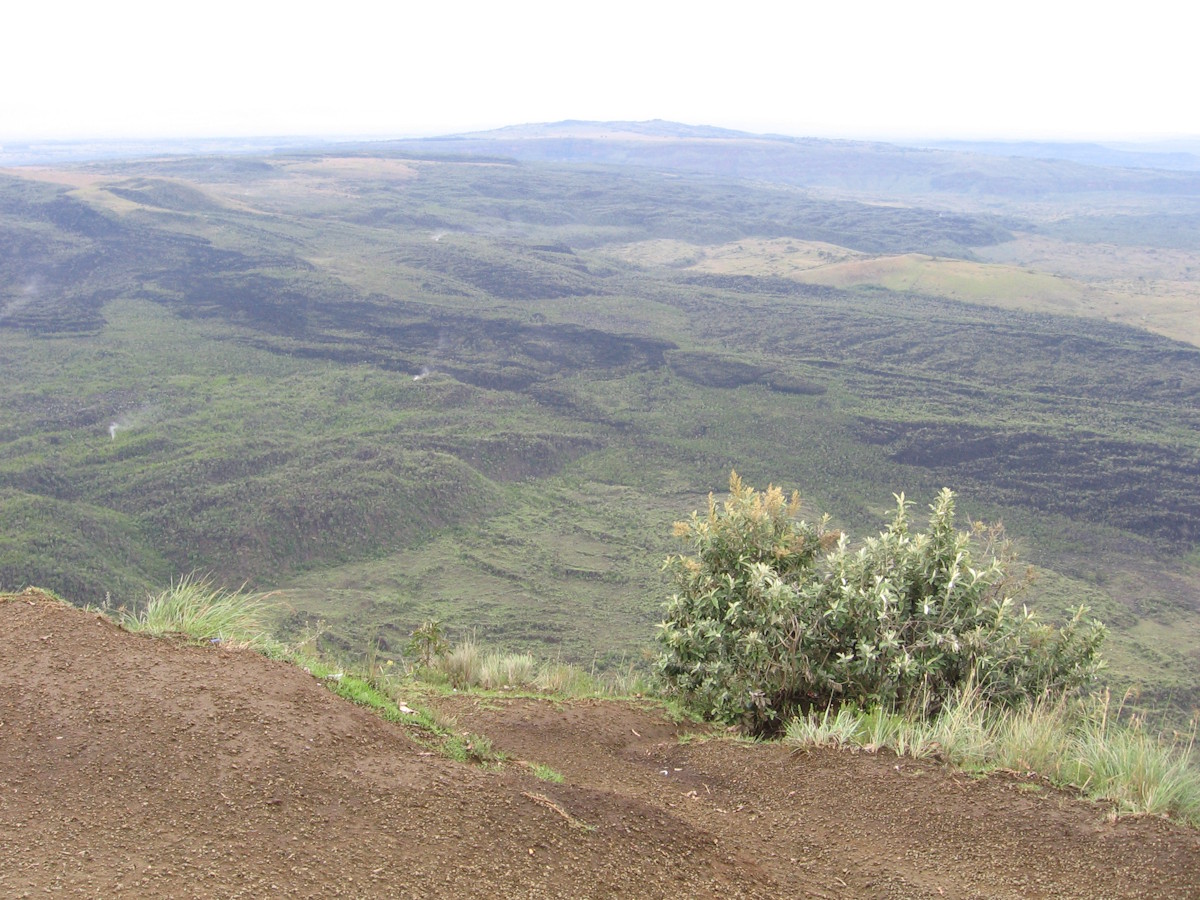
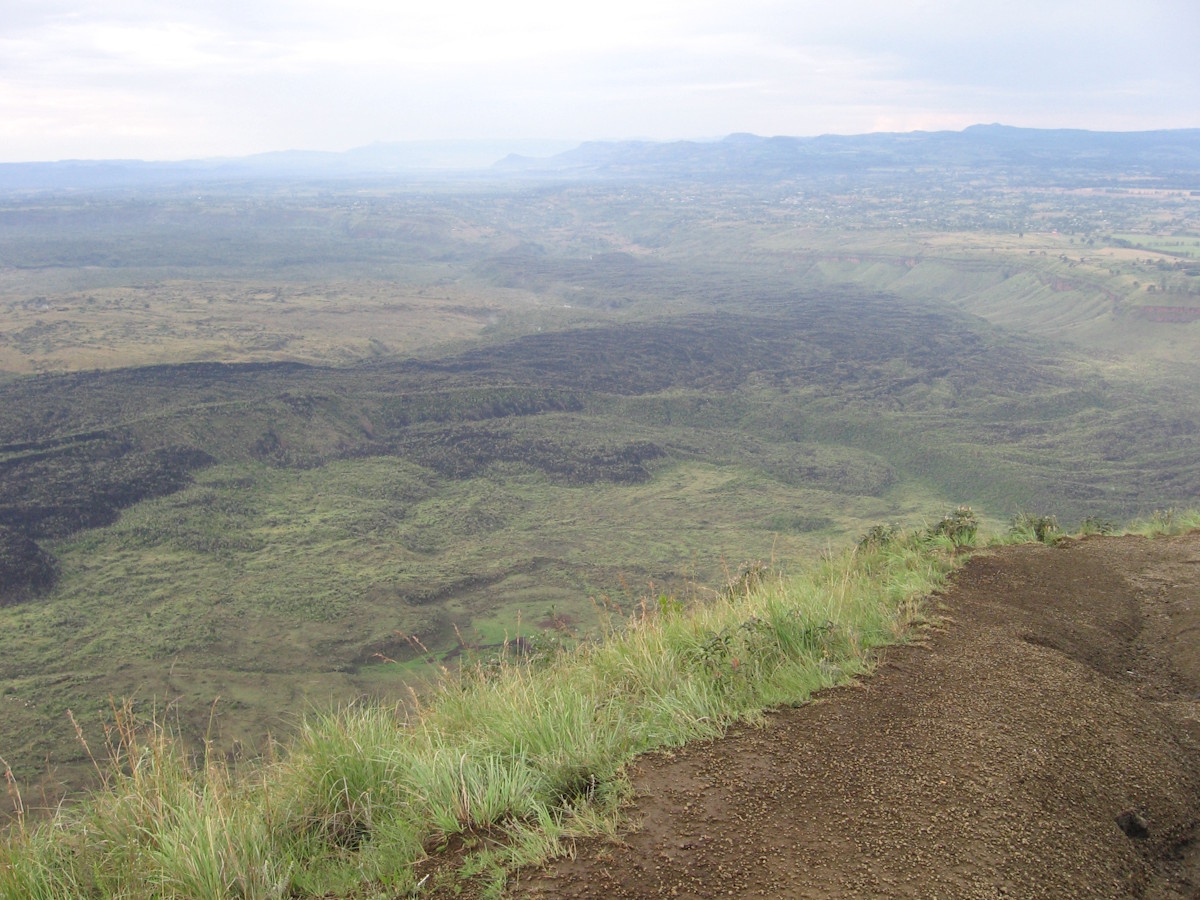
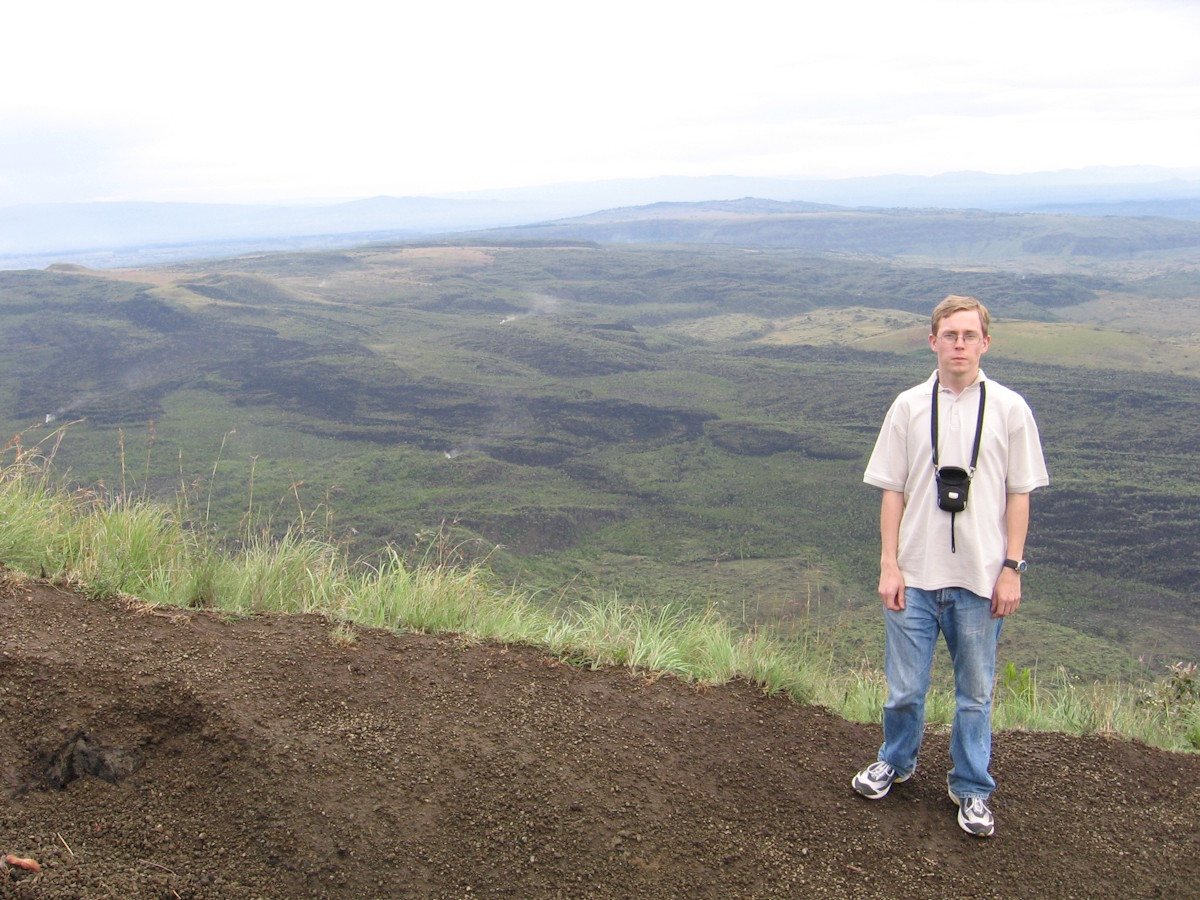
We went to pick up a local city councillor from her home and went to see Menengai Crater. On the way there we were a bit scared for our lives, because the road was narrow and had deep ditches on either side, and the driver drove pretty fast.
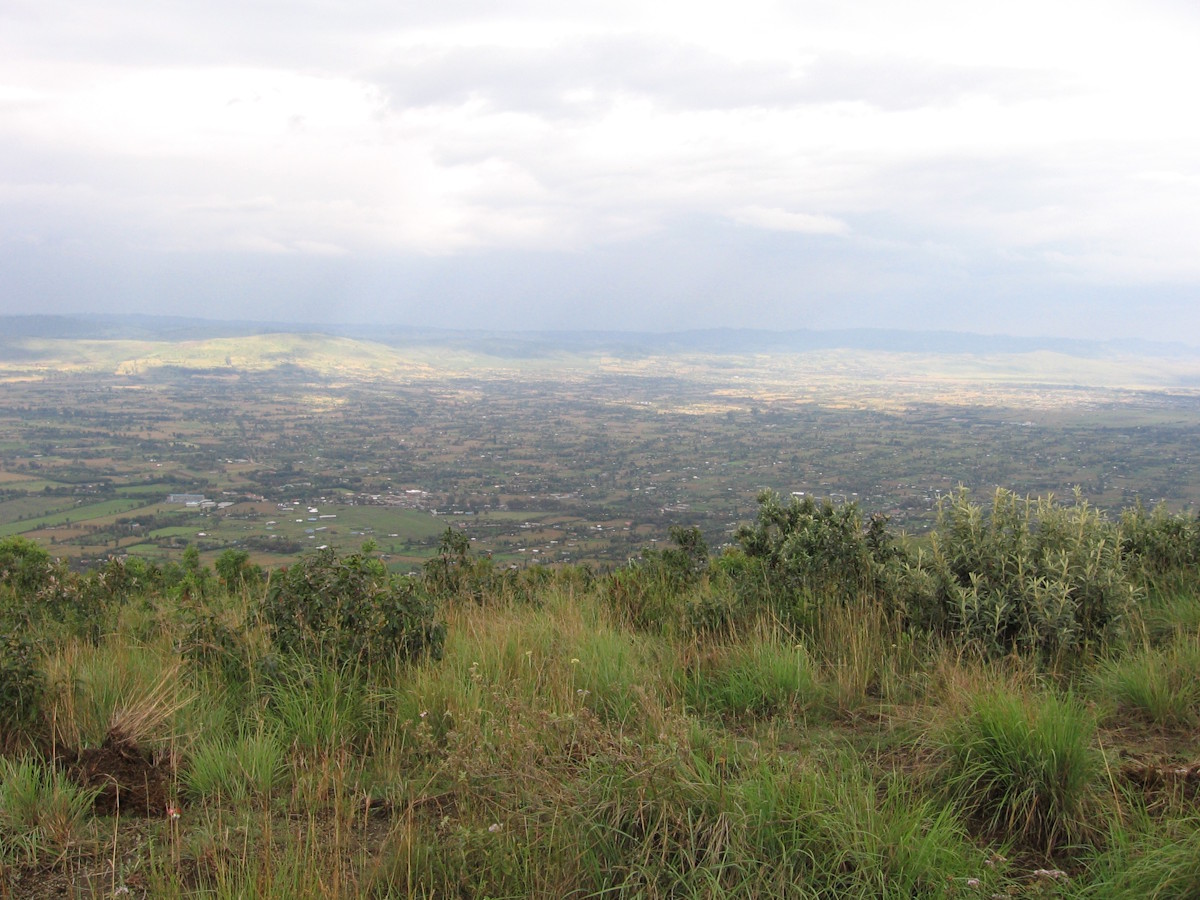
The place was amazing. The crater is the caldera of a shield volcano with a diameter of about 10 km. It is the second largest caldera in Africa (the largest is Ngorongoro in Tanzania). The smokes in the bottom come from human-made fires. Beyond the edge the landscape continued low, because the Kenyan Rift Valley runs through here; this is seen in the last photo.
Souvenir stalls.
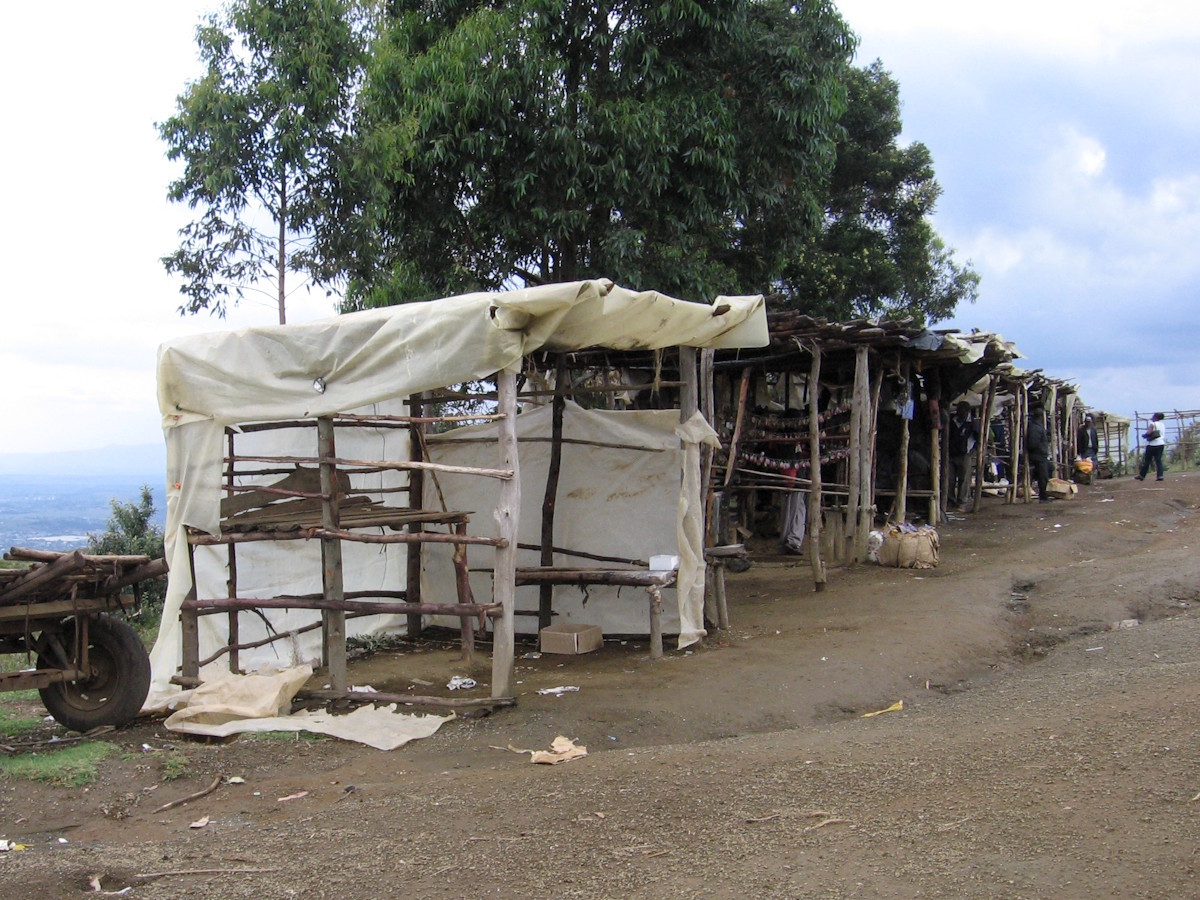
On the way back we were even more scared, because now the road went downhill and the driver drove even faster. There were also cattle and children on the road.
In the evening, the councillor spoke to us in her home about being a female politician in Kenya. We also visited a clothes store owned by her and bought some clothes. I bought a colourful African-style shirt that hadn’t been fetched by the person who had ordered it.
Tue 21/10
Today some of us (including me) were hit by mild travel illnesses: diarrhoea, nausea and some fever.
In the morning we went to the office of Farming Systems Kenya to learn about the work of the organisation. We also talked about what Kenya had felt like so far. FSK offers help in matters related to farming, animal husbandry, marketing and management of natural resources.
We went to have lunch at Egerton University and visited the university botanical garden.
From Egerton we went north. On the way we saw this familiar-looking placename (it means ‘dick’ in Finnish).
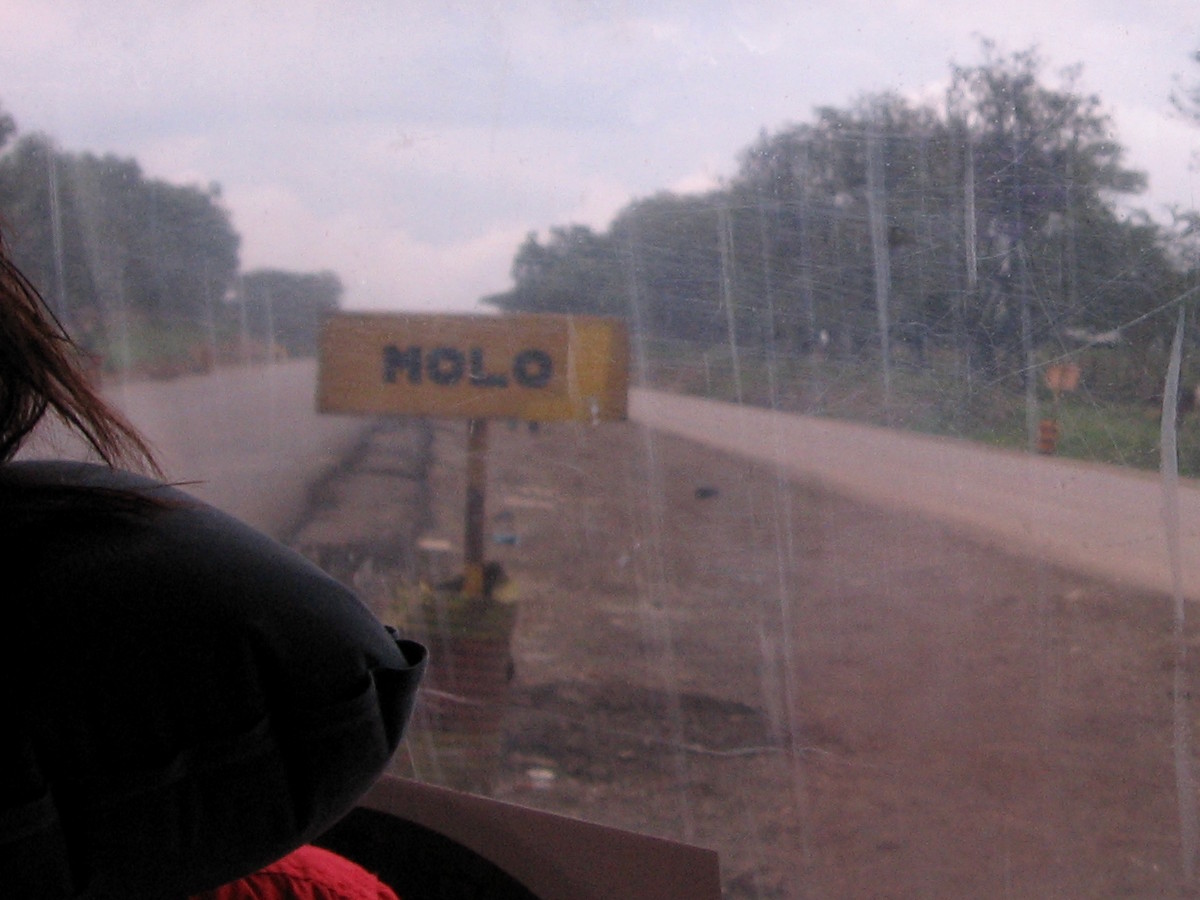
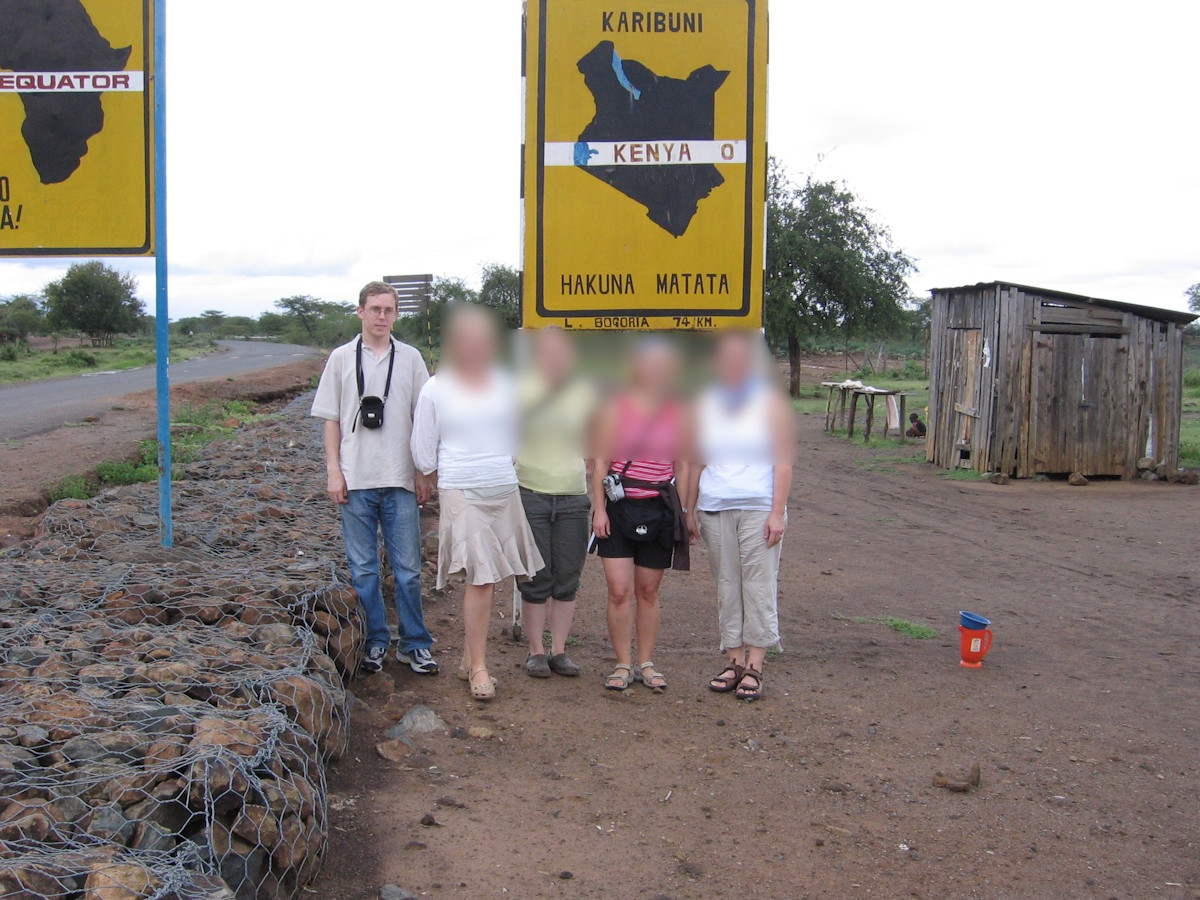
At the equator some of us took a group photo.
Wed 22/10
My room in Kabarnet and a view of the town.
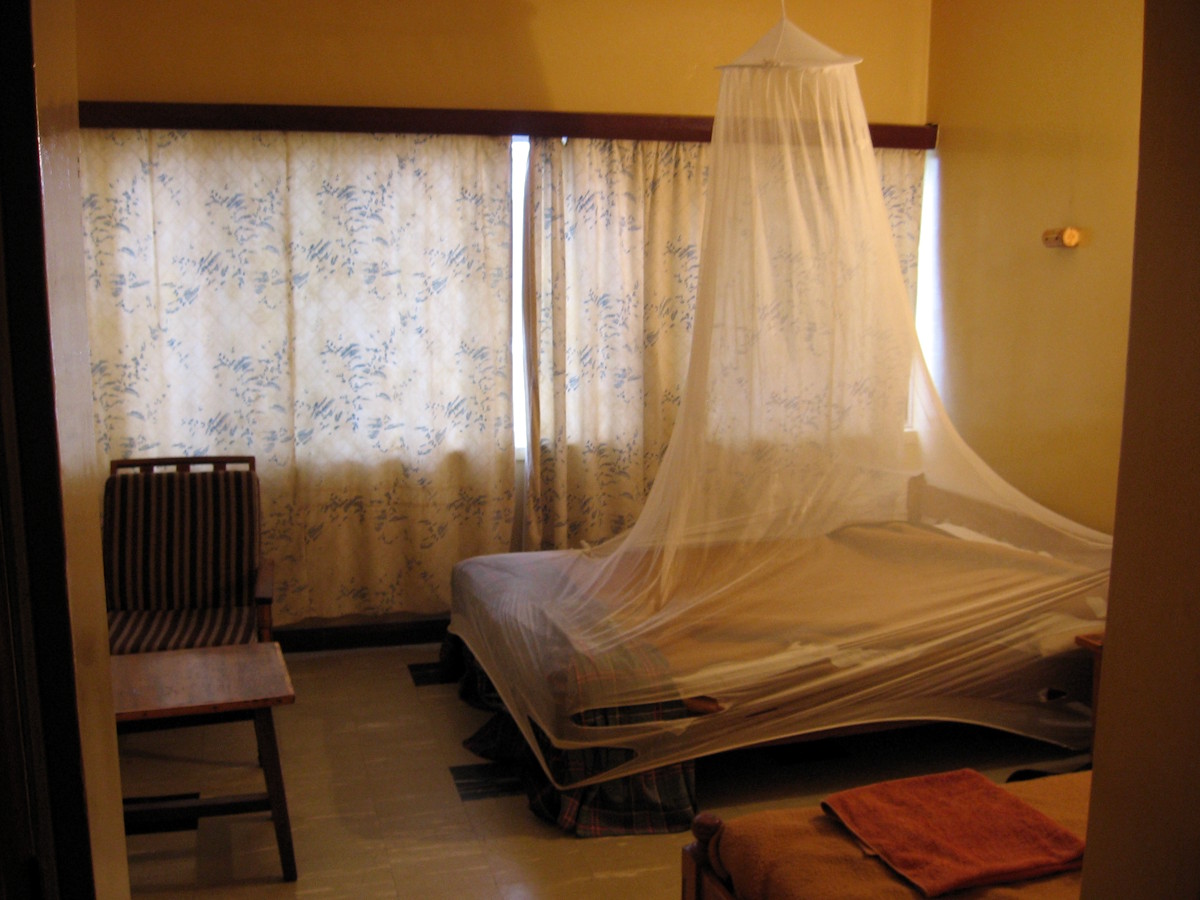
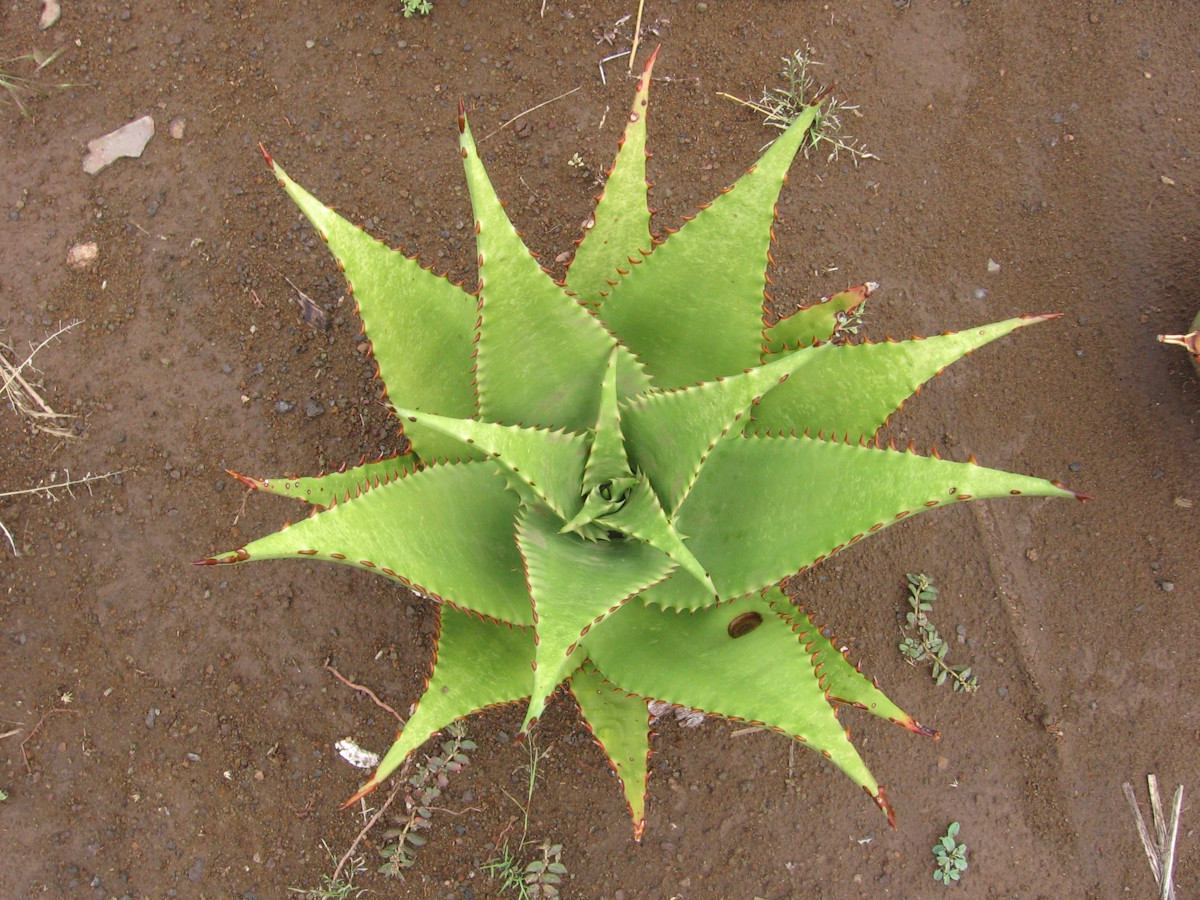
Kabarnet is located about 1,800 metres above sea level, and the view from the road between Kabarnet and Marigat was beautiful. We visited an aloe farm near Marigat to get information on aloe farming and harvesting. In the photo there is Aloe secundiflora (mshubiri-nyani).
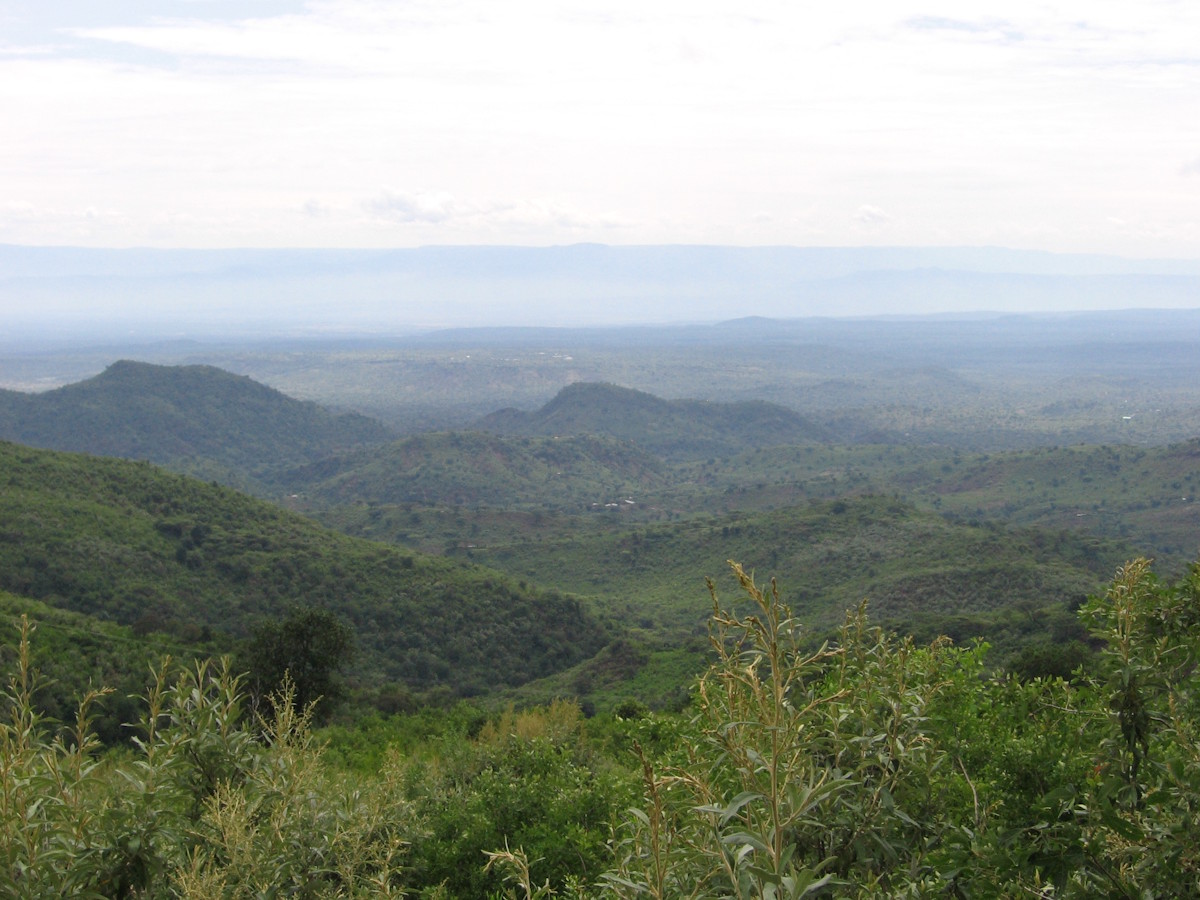
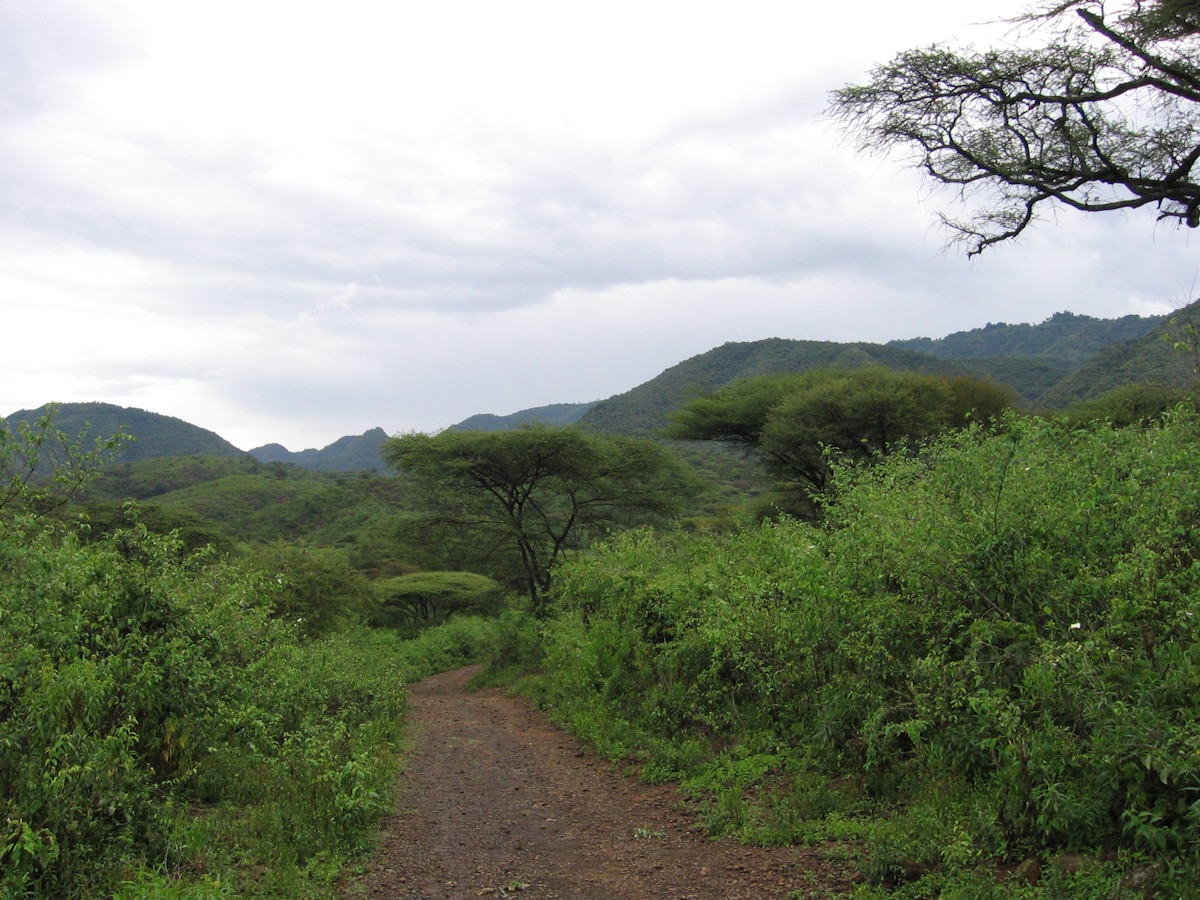
Meanwhile, the tour leader and the FSK representative drove around searching for a place where the jatropha farm could be started. Finally a suitable village was found, and we went to see it. While we were there, it rained some and the path was flooded, but the views were excellent.
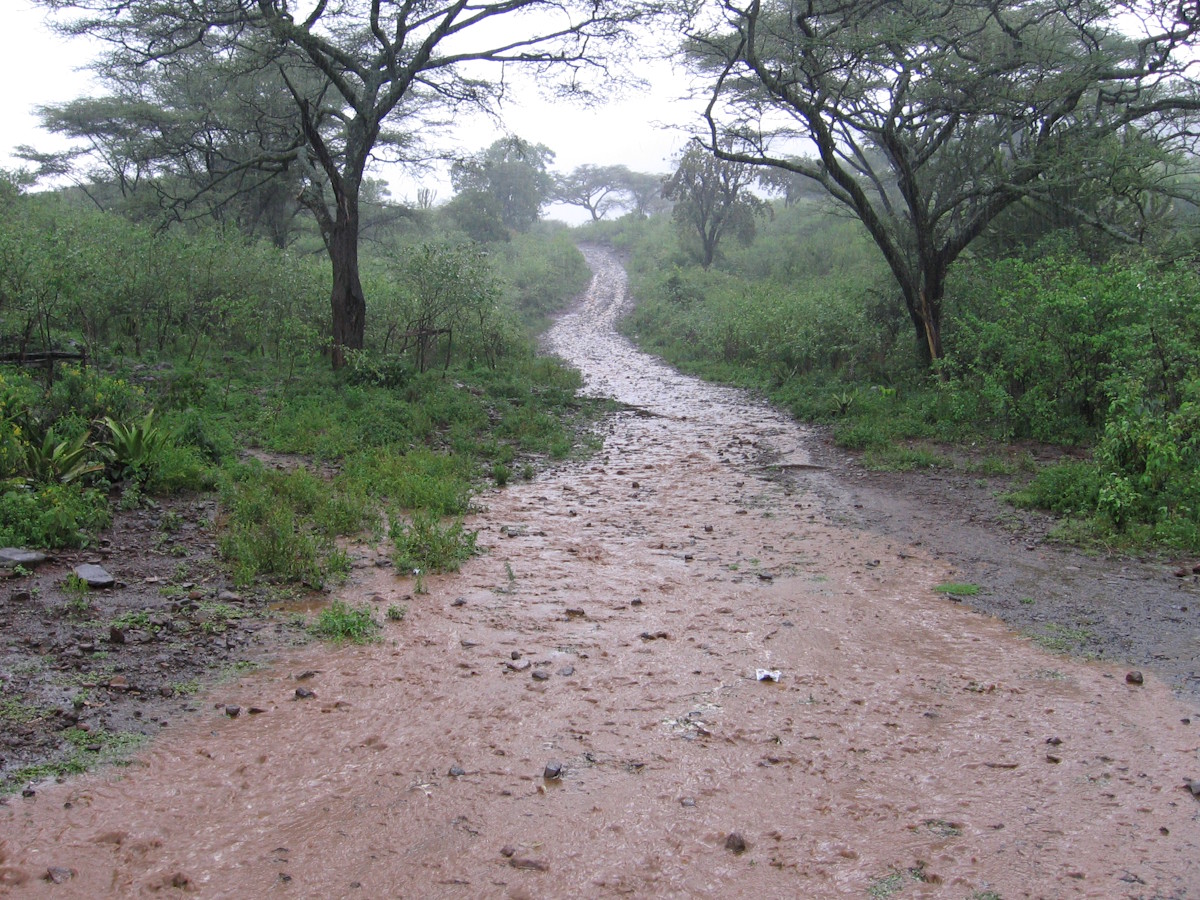
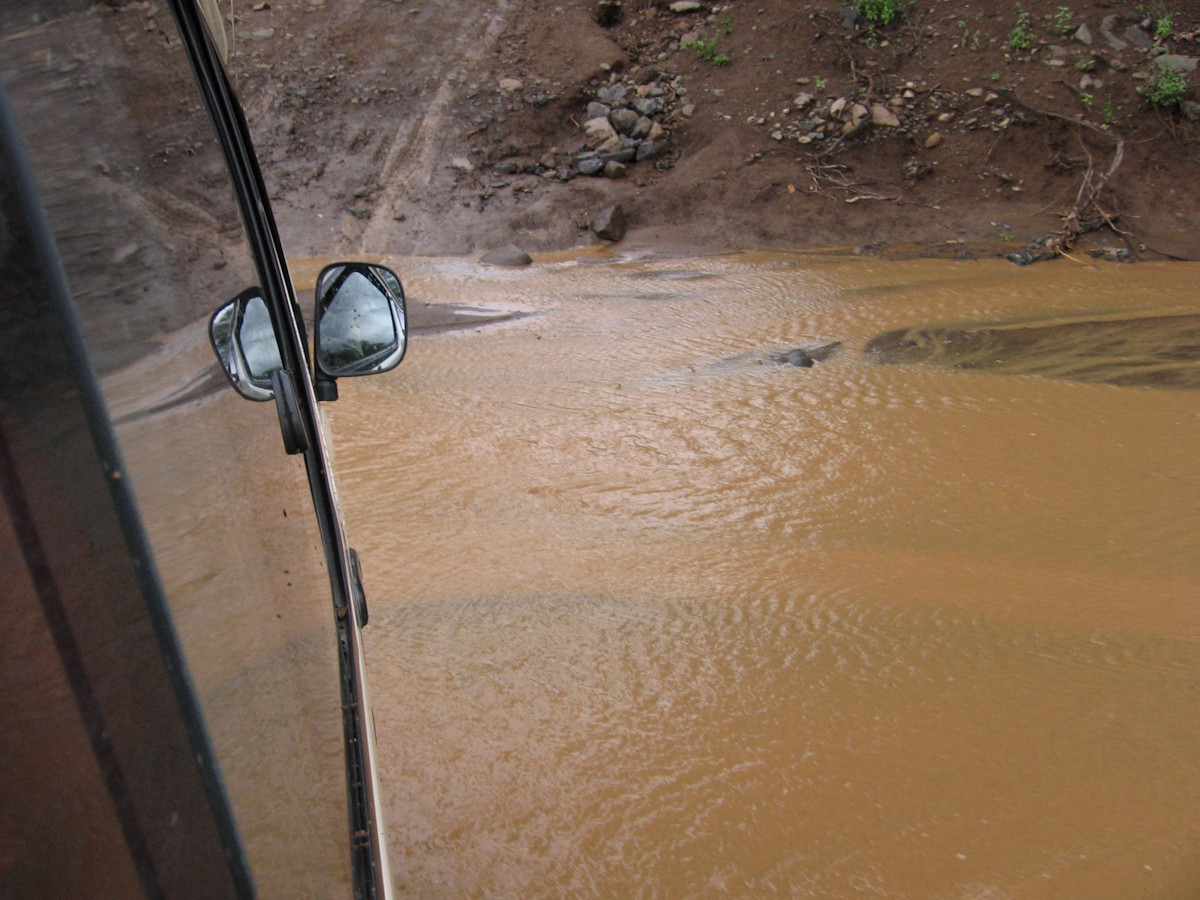
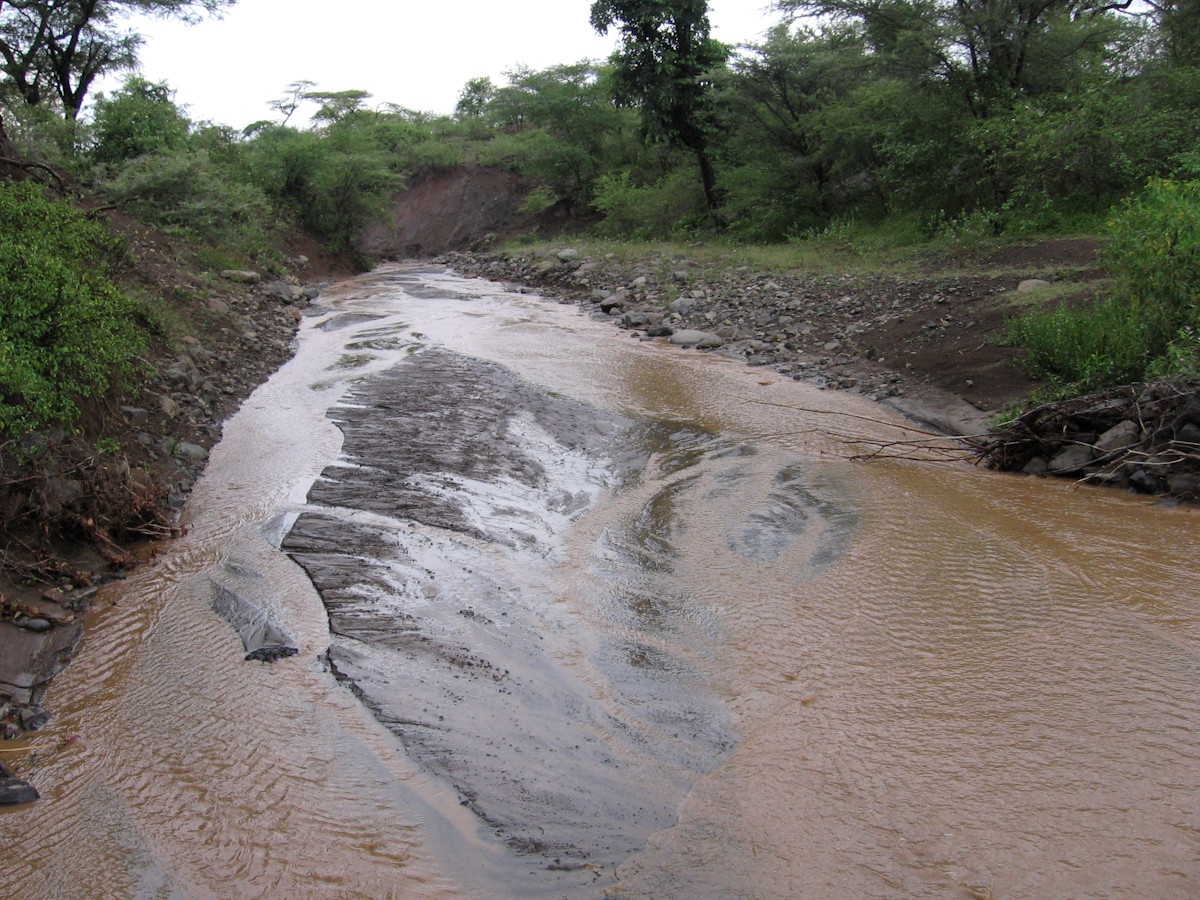
On the way back, we had to drive over small rivers.
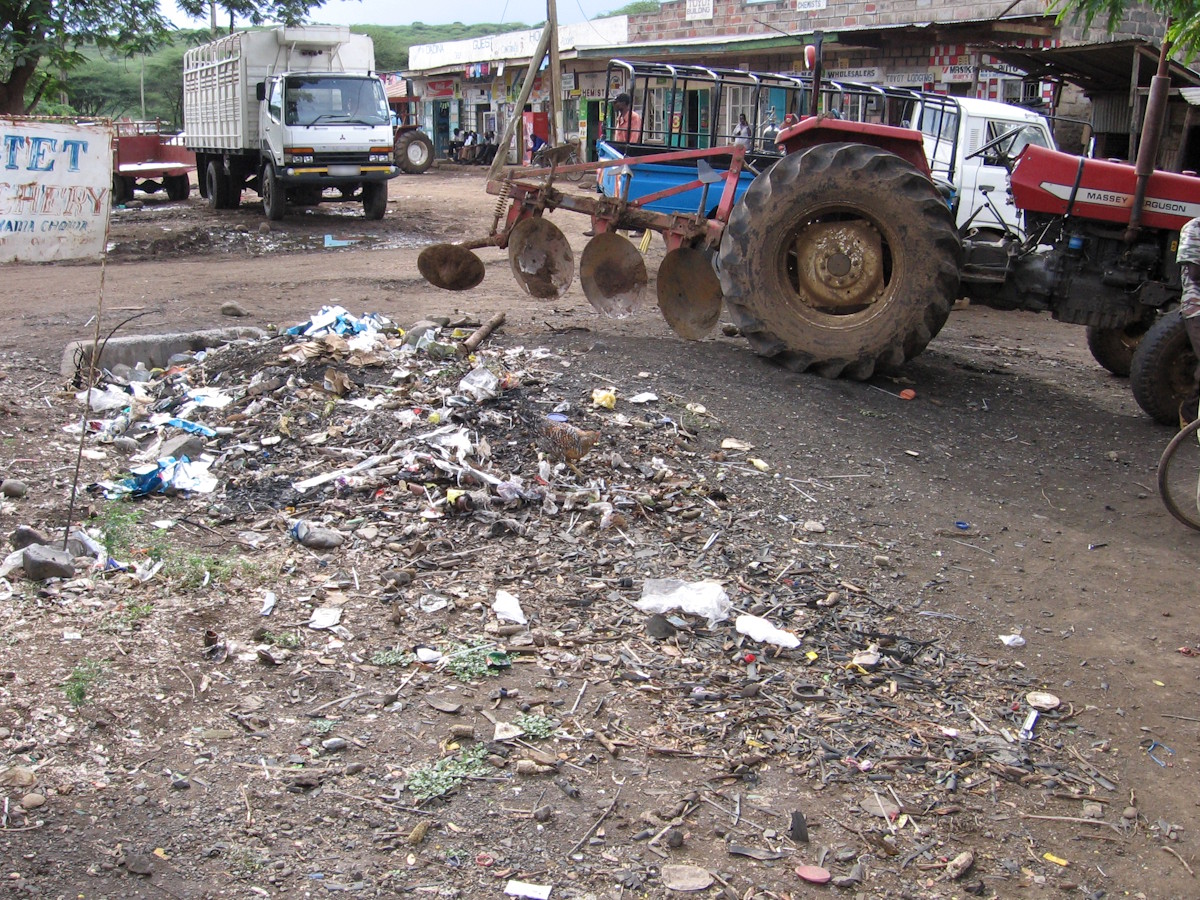
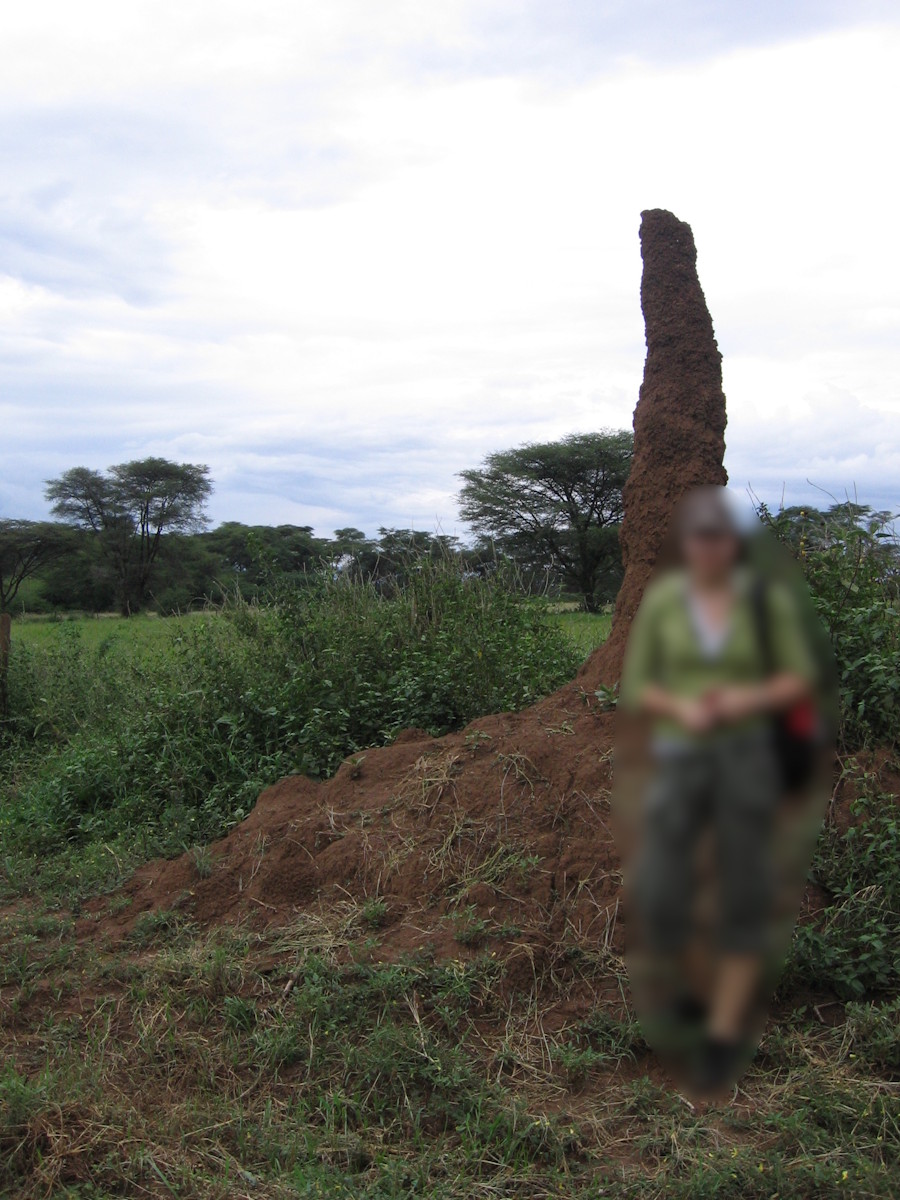
Garbage pile and chicken in Marigat. We visited KARI (Kenya Agriculture Reforms & Innovations) and KEFRI (Kenya Forestry Research Institute) to ask questions about aloe. The termite hill taller than a human was somewhere in their land.
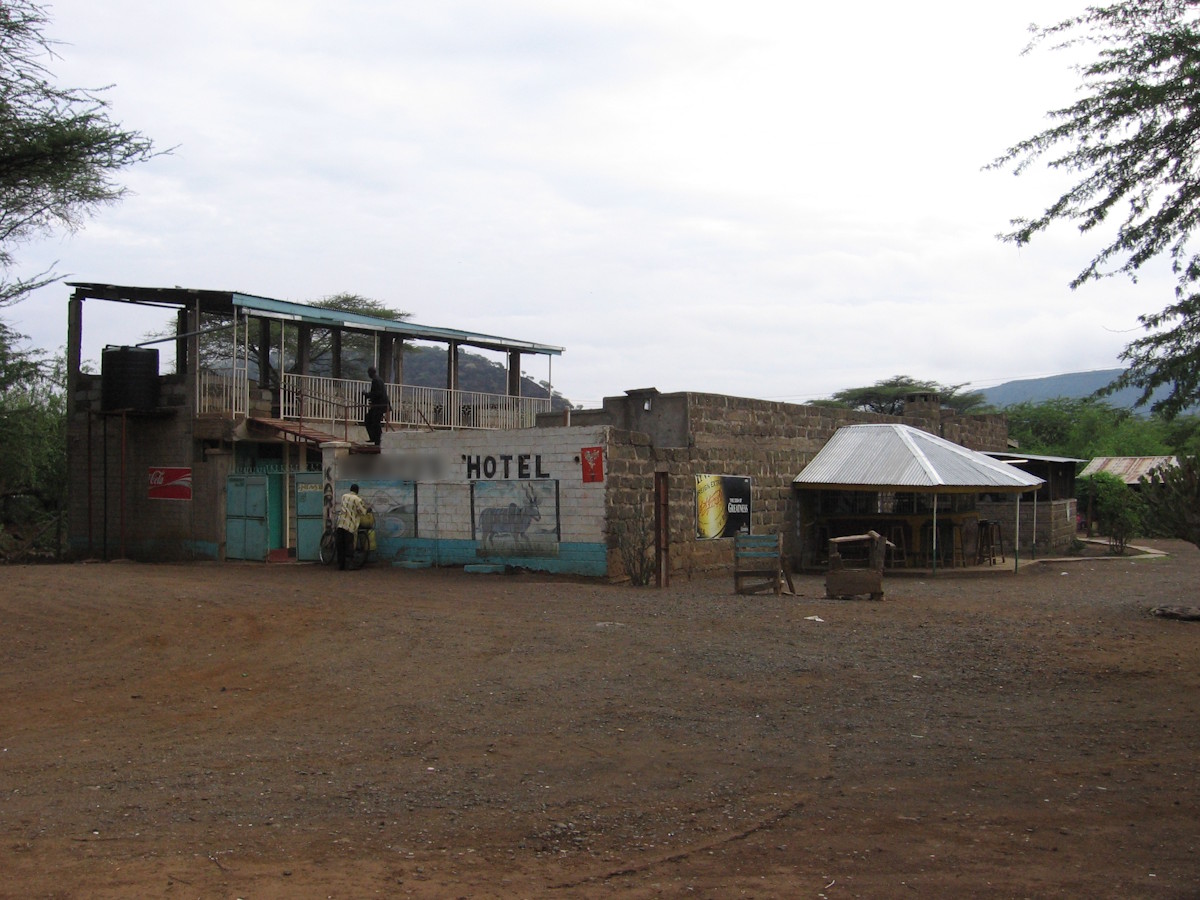
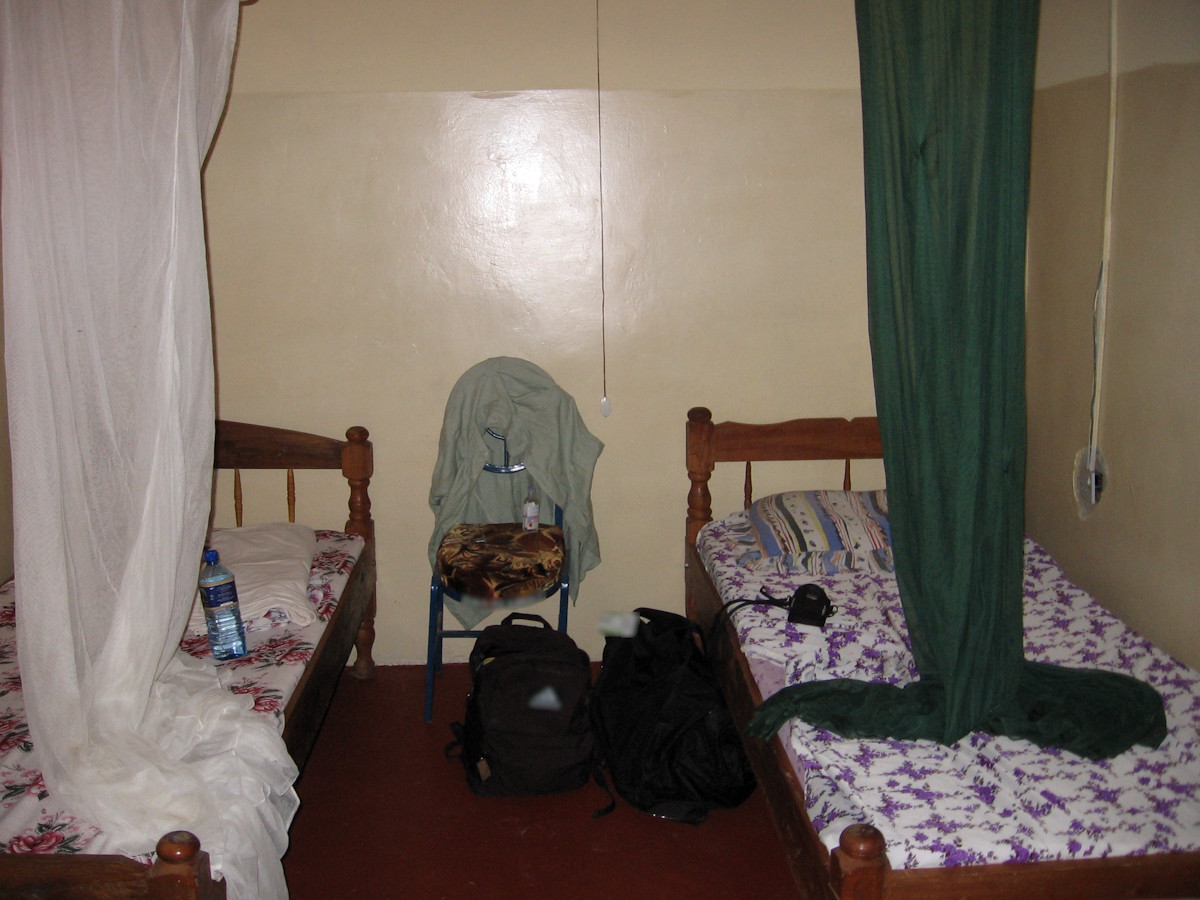
At the same time the tour leader was looking for the next lodging. The place she found was dirty and frankly a little creepy. A couple of rooms had a hole in the floor for a toilet. One room had a gecko inside, and the staff killed it by hitting it with a sandal. They also threw stones at the neighbour’s dogs.
The food was more typically Kenyan than what we usually ate. We had potatoes, goat meat, ugali (thick maize porridge) and sukuma wiki (cooked cabbage and onion) for dinner. It was good to have that experience, even though it is not very easy for me to eat food that I’m not used to.
When I went to sleep, a cricket was chirping in my room, but I couldn’t find where the sound was coming from. I tried to sleep, but at half past two I had to get up and listen to where it was making the noise. Finally I found it in the end of the other bed in a small hole between boards. I had to kill it because I wouldn’t have been able to get it out of the room.
Thu 23/10
On the way back to the village, we saw an aloe farm and went to have a look. The owner was there and talked with us.
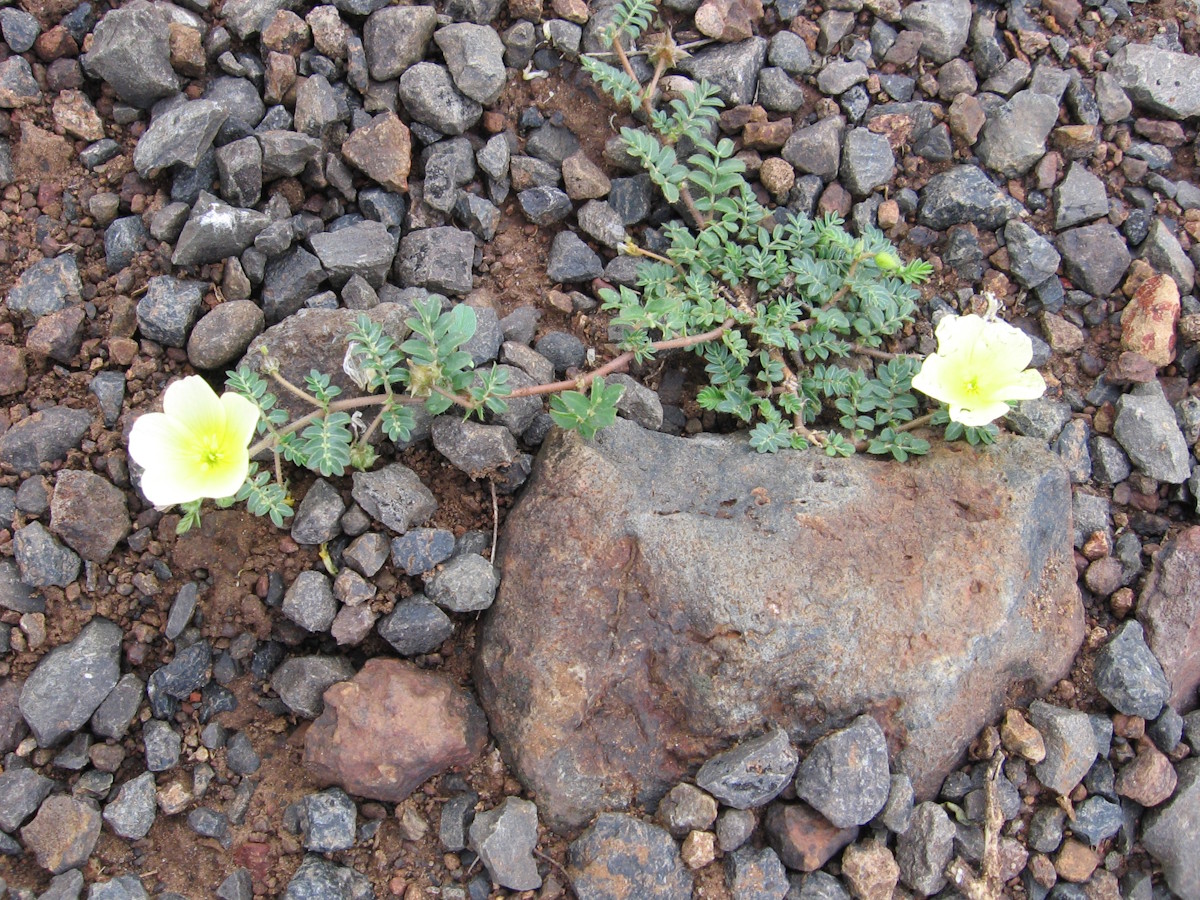
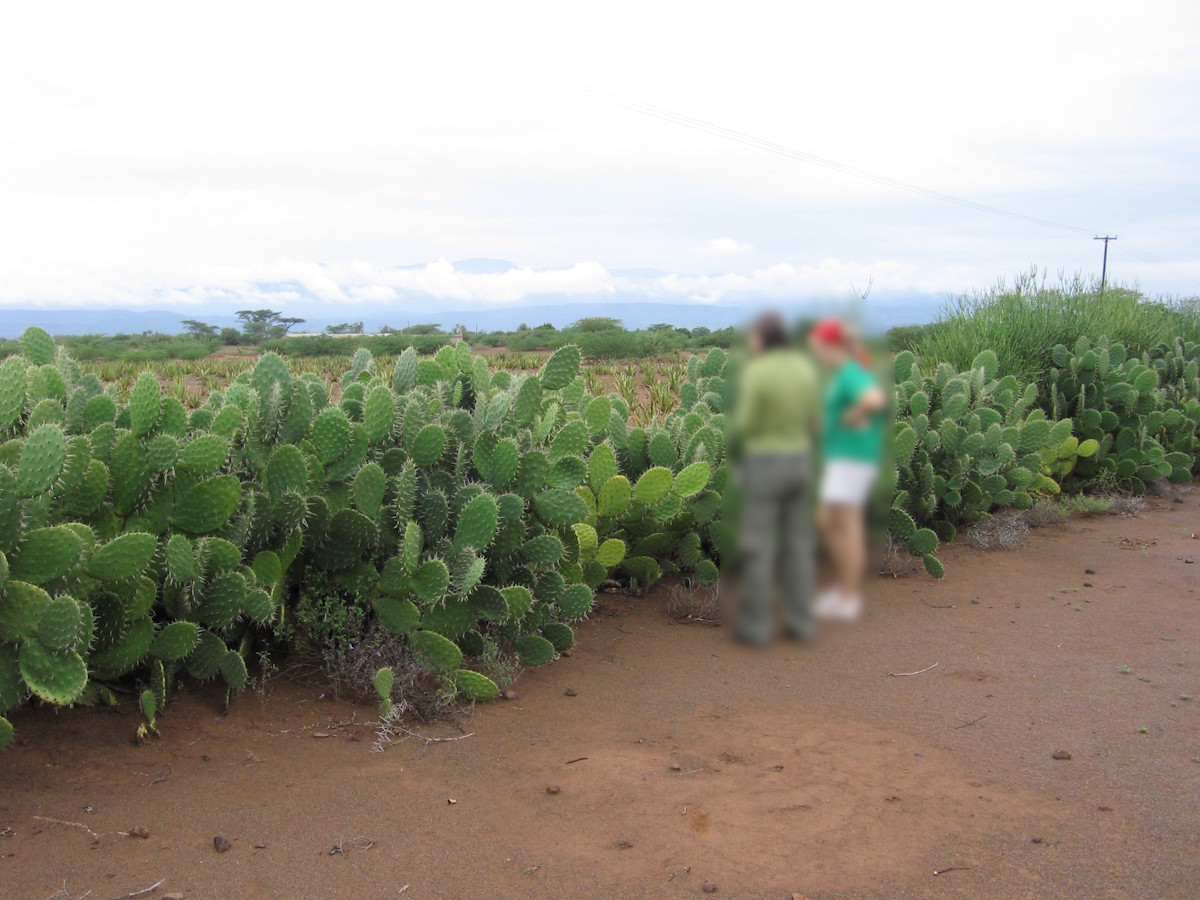
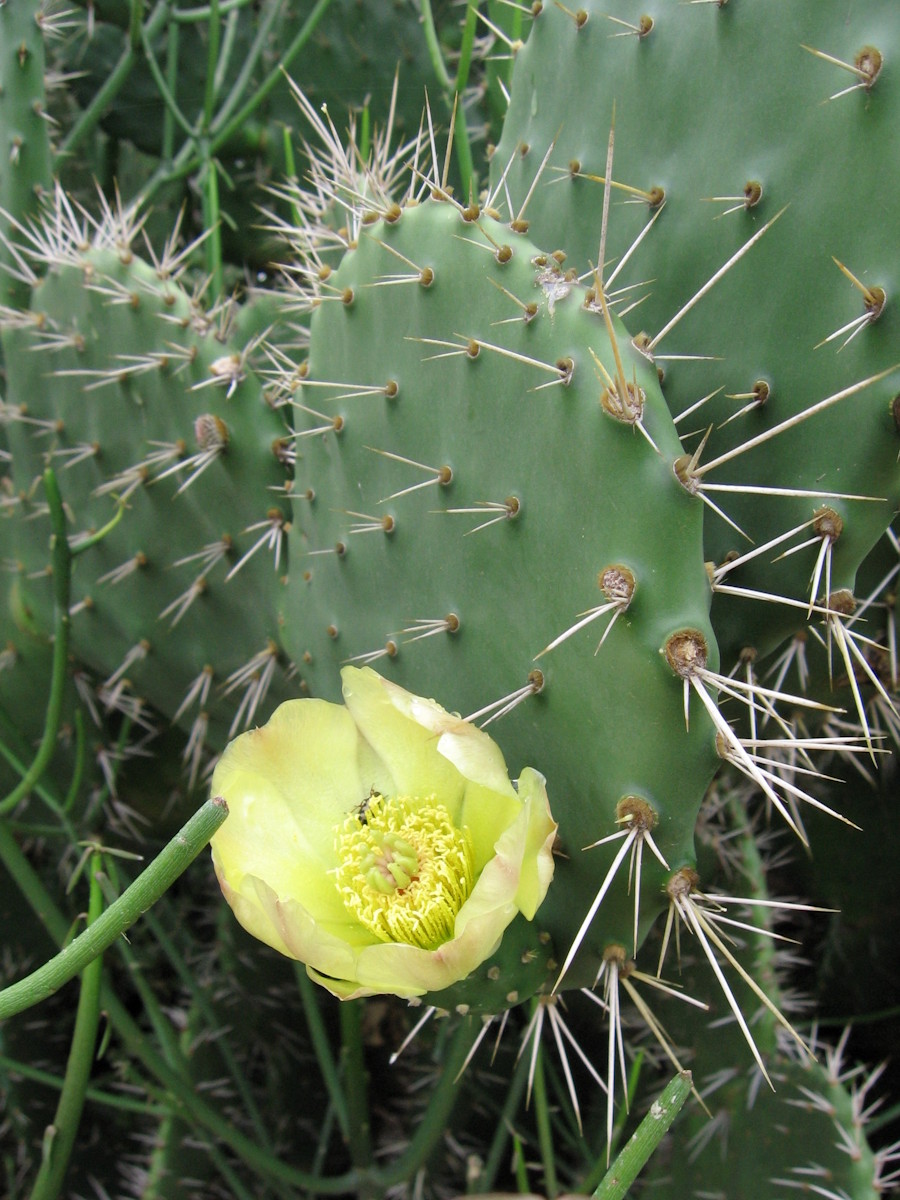
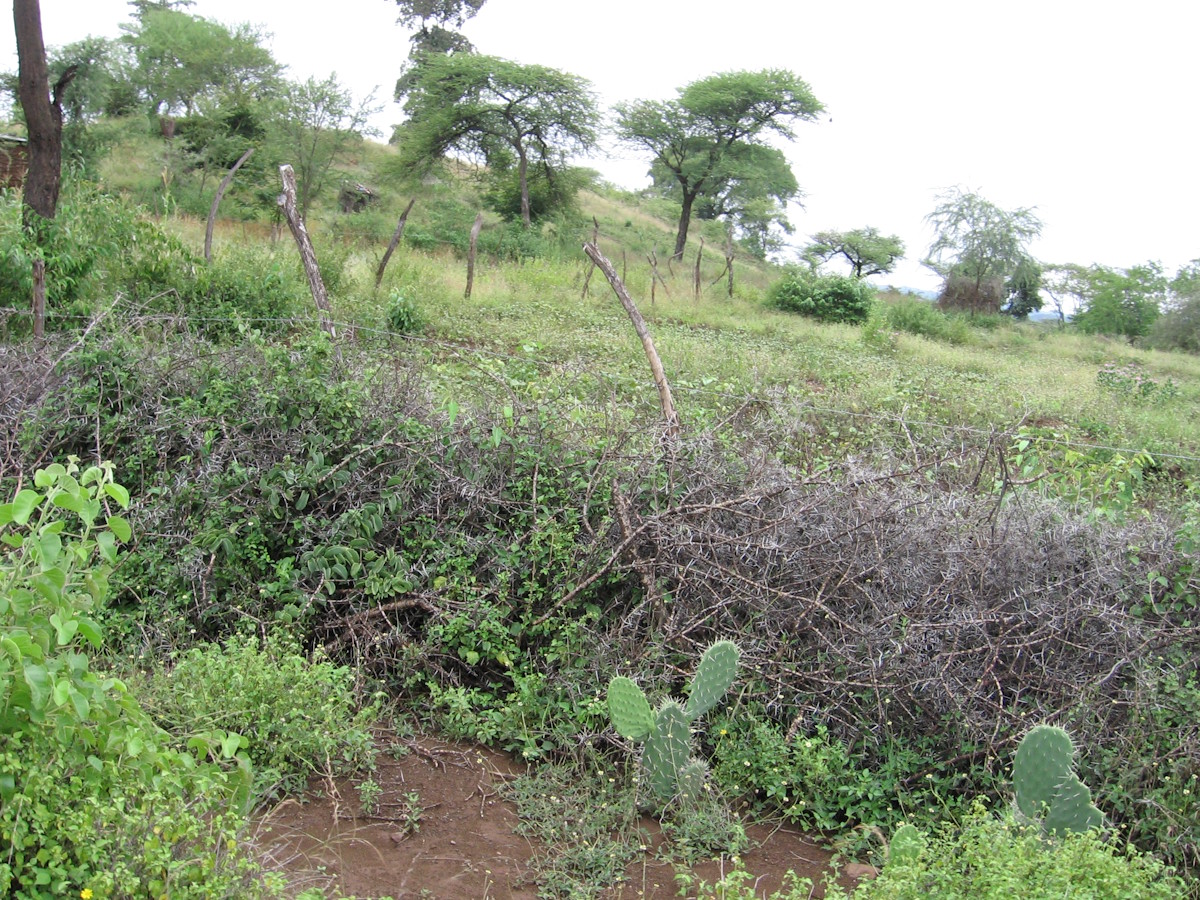
A caltrop (Tribulus sp.) and a fence grown from prickly pear cactuses (Opuntia sp.) as well as a cactus flower.
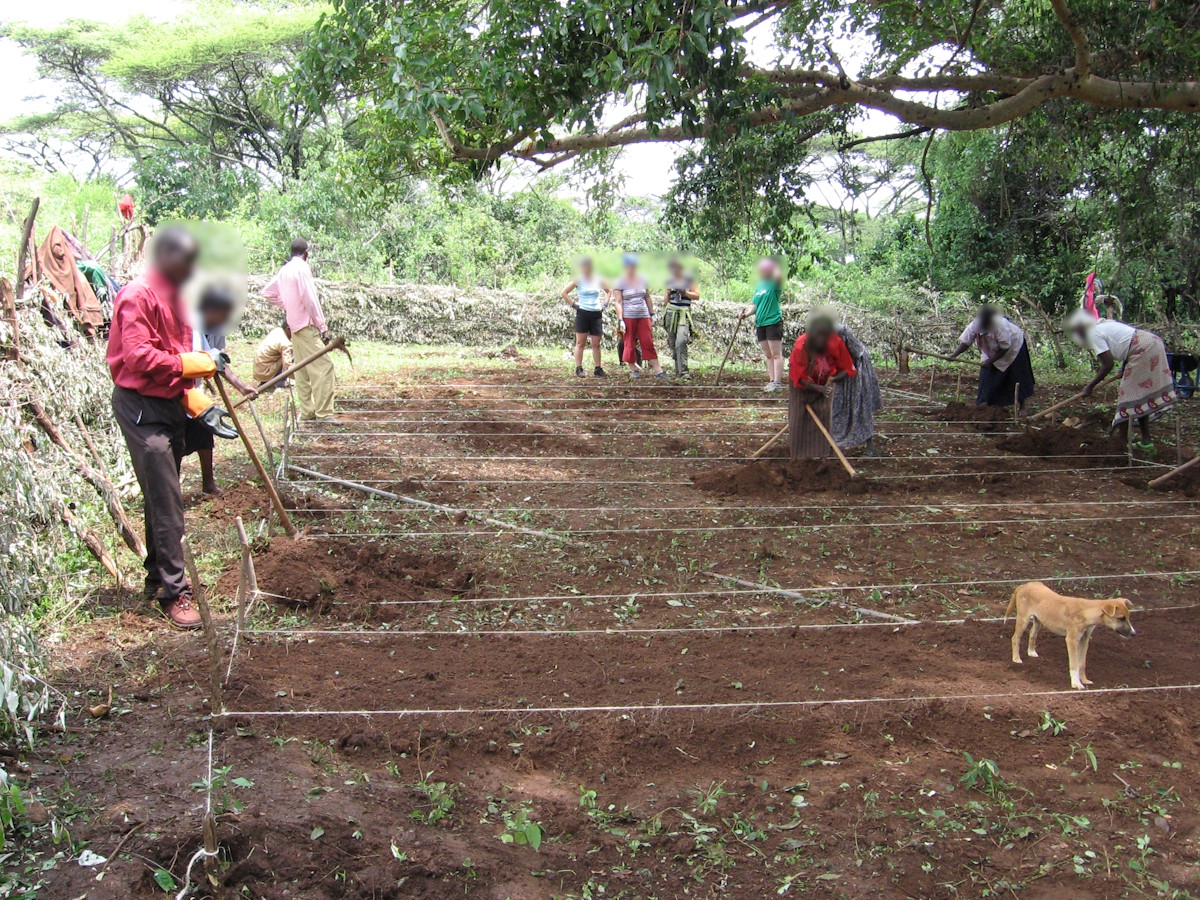
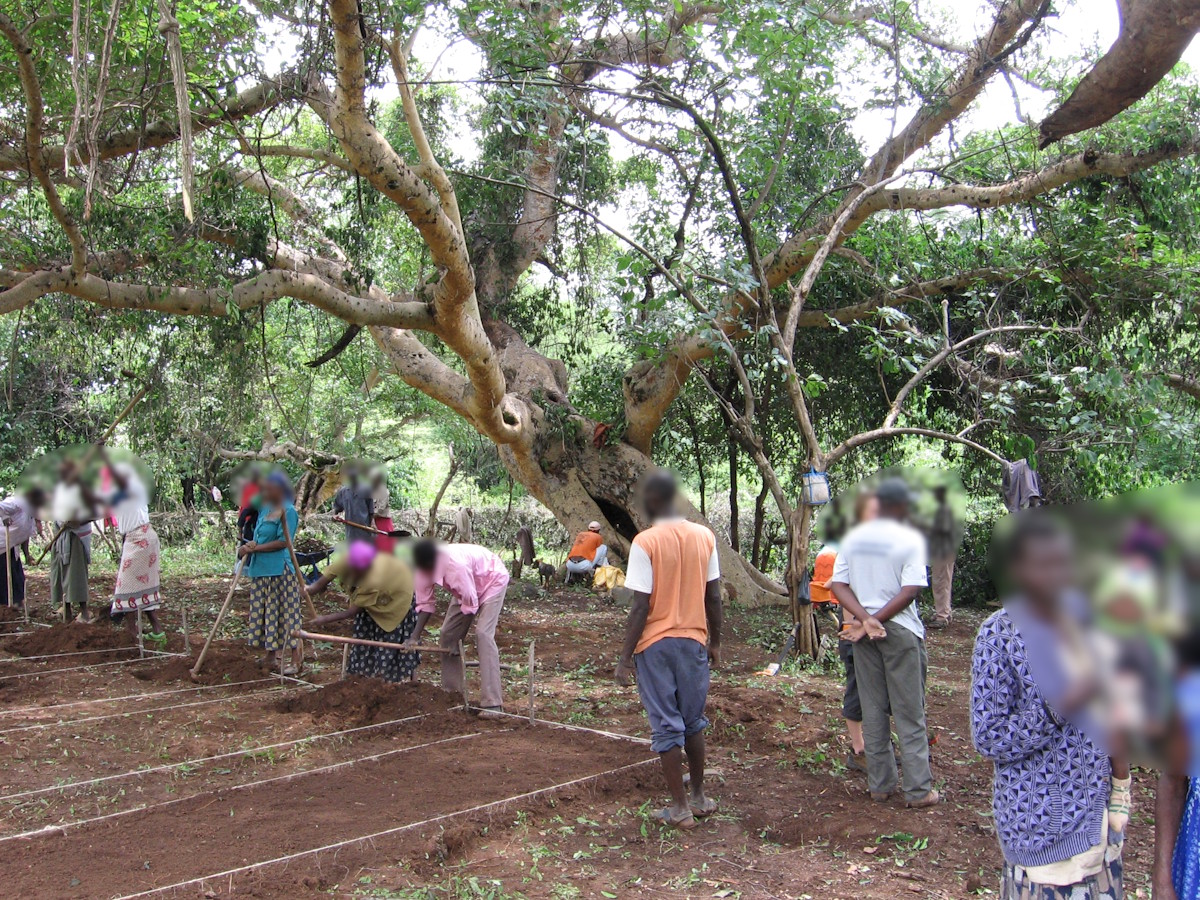
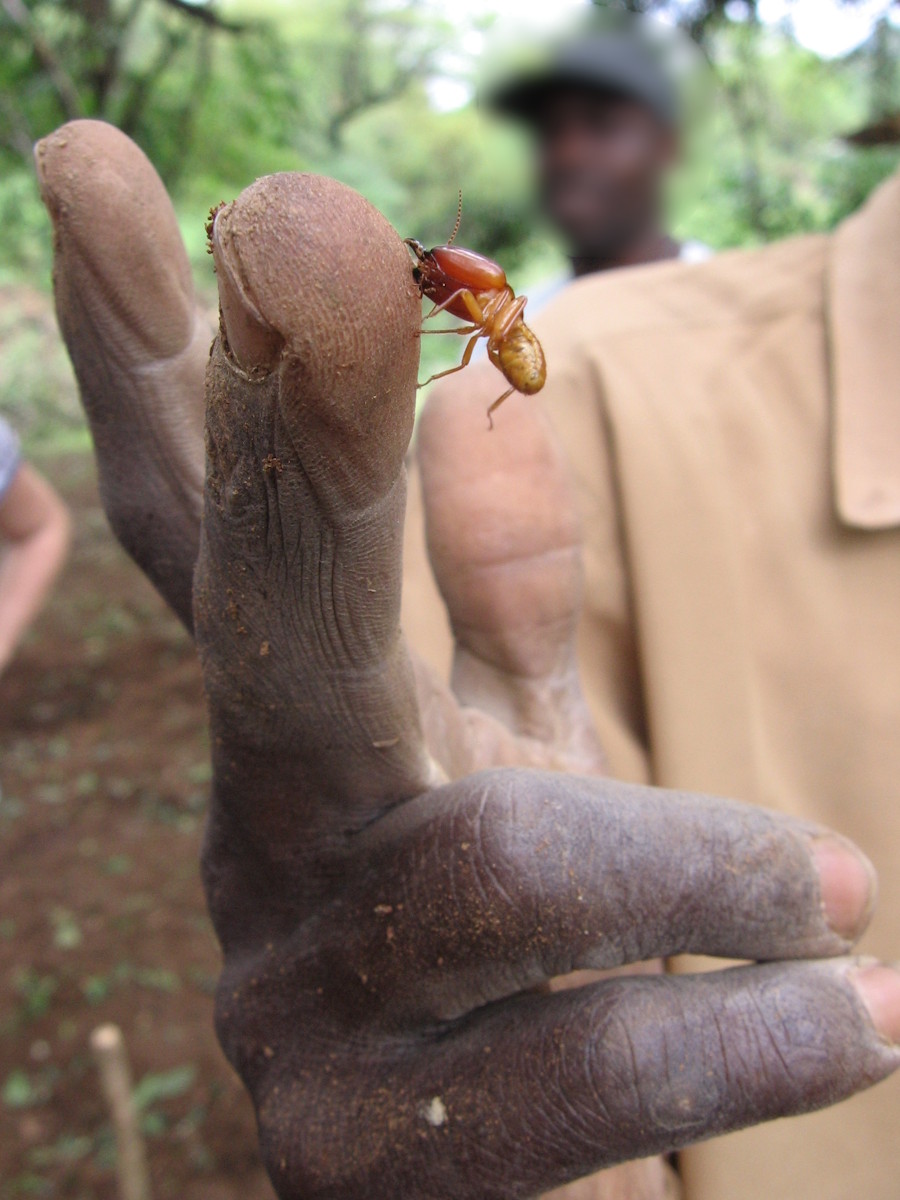
The villagers had cleared the area and made a fence around it. The FSK representative taught how to mark the planting beds with sticks and strings, and then the soil was tilled. Both the villagers and we used the hoe, but the villagers were much more productive. The farm was watched over by a large fig tree (Ficus sp., mkuyu). A villager showed me a termite (Isoptera sp., mchwa).
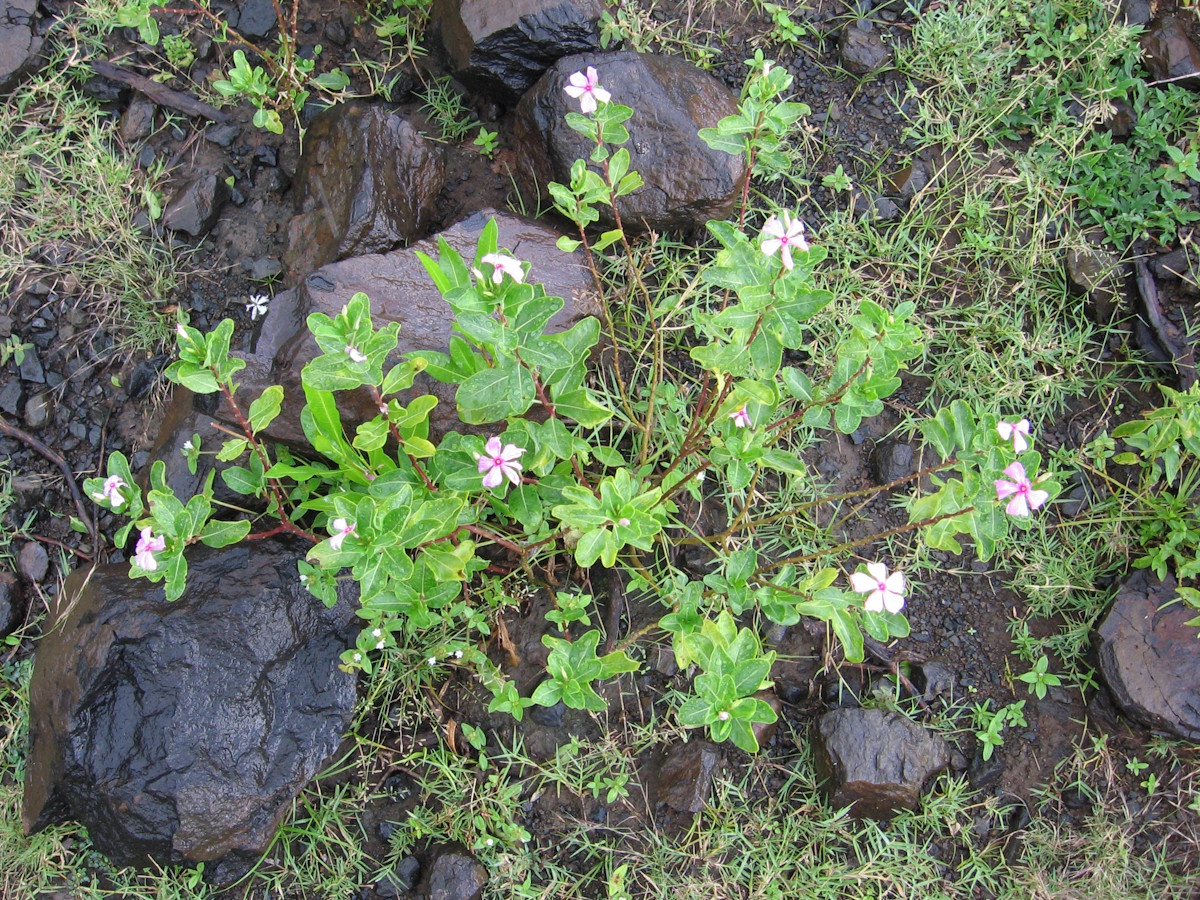
We went back to Kabarnet to the same hotel where we were before the creepy one. Madagascar periwinkle (Catharanthus roseus, mchanda) grew beside the road.
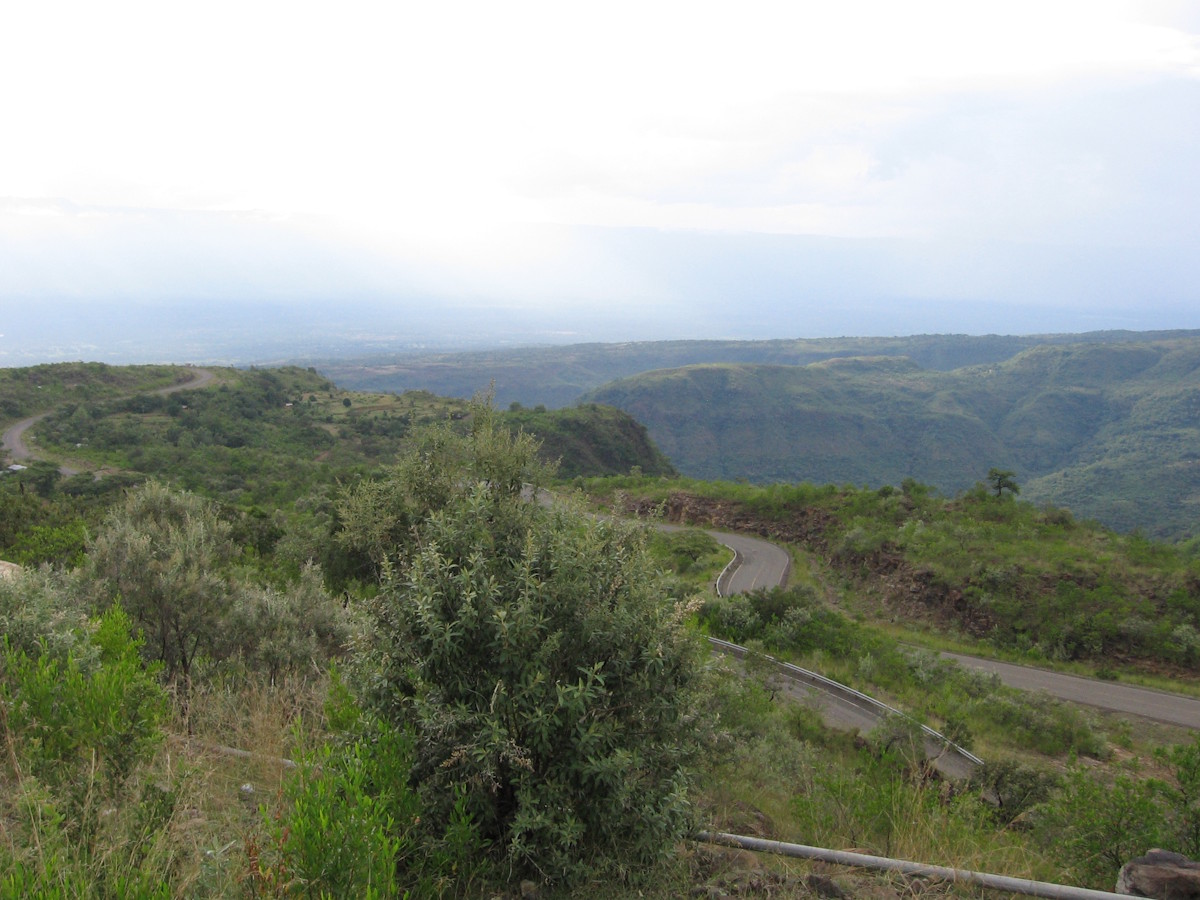
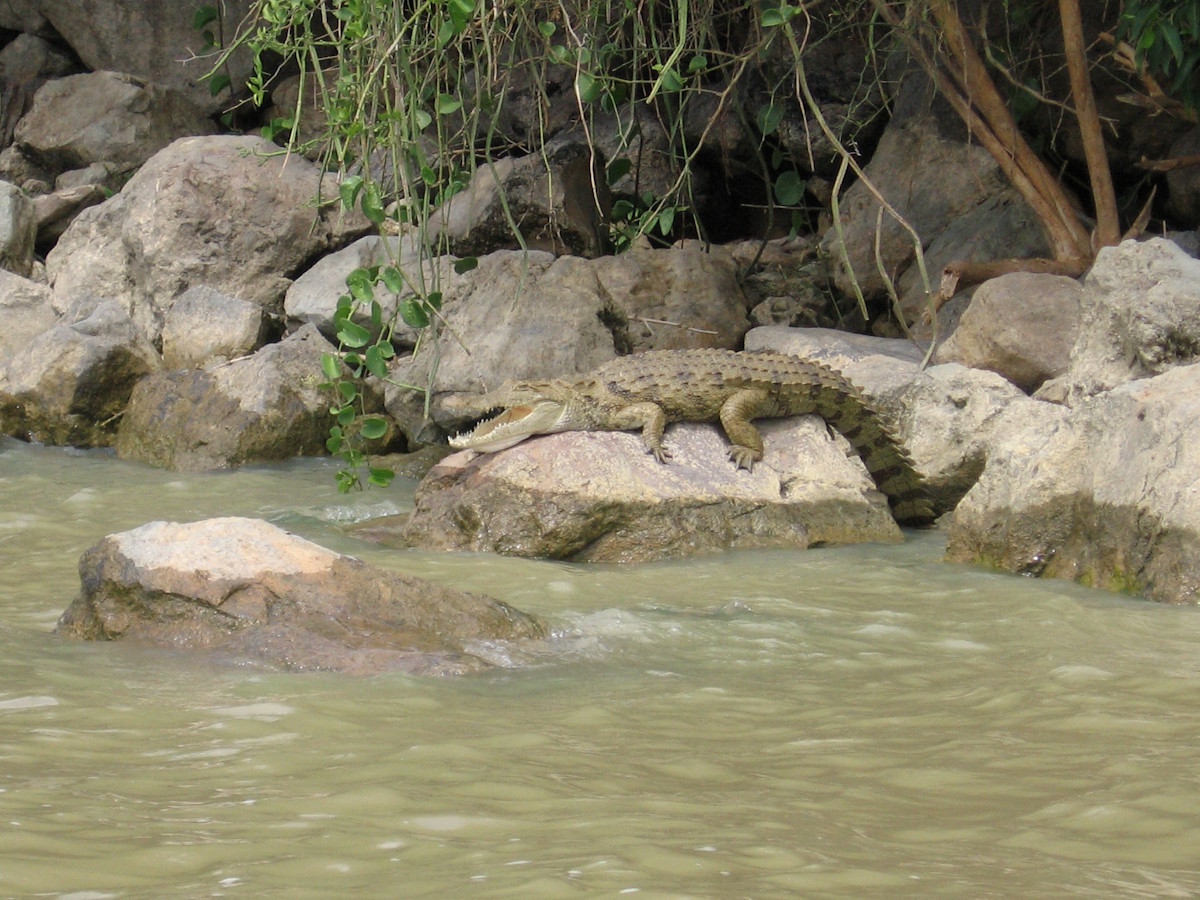
Before dinner we went to Kerio River which flowed in an awesome canyon. The first photo shows mountaineous landscape on the way there. We saw a crocodile on the riverbank.
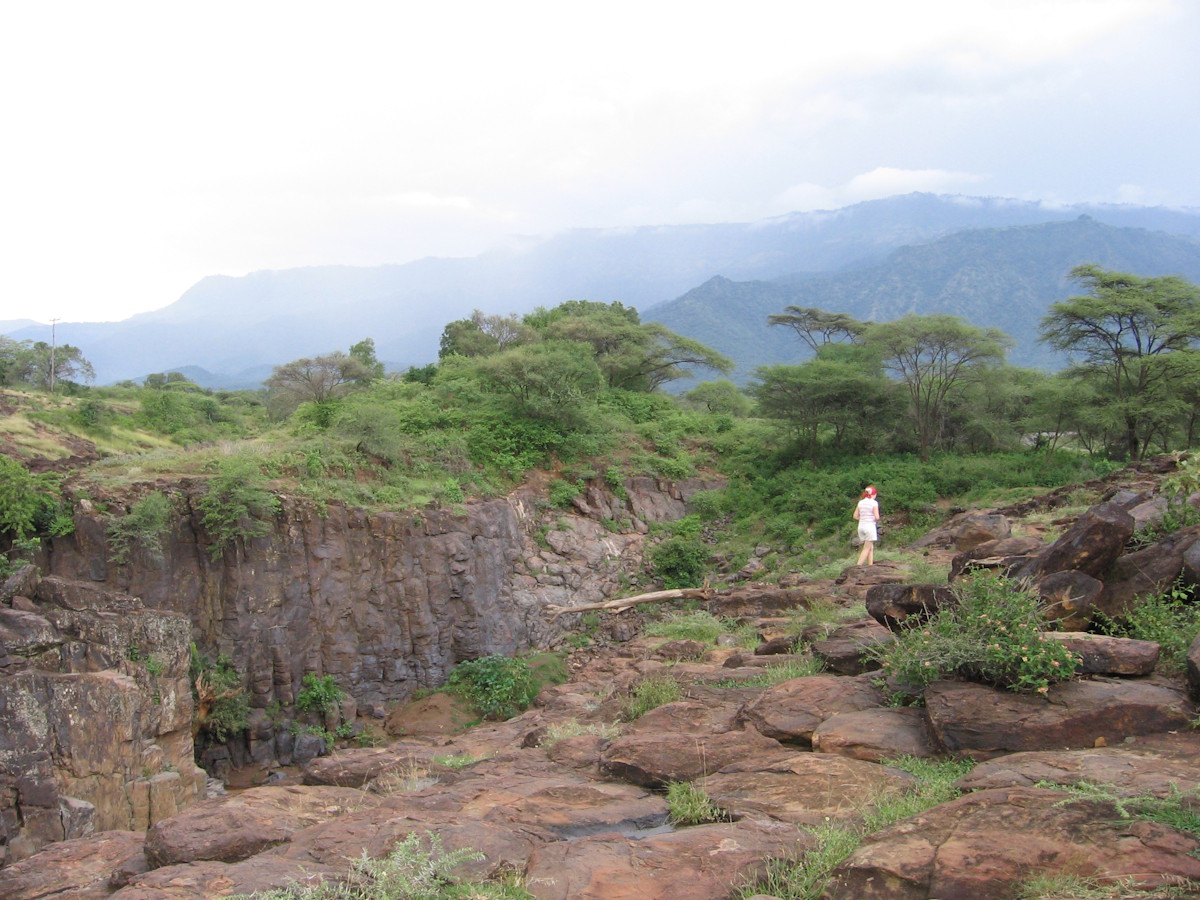
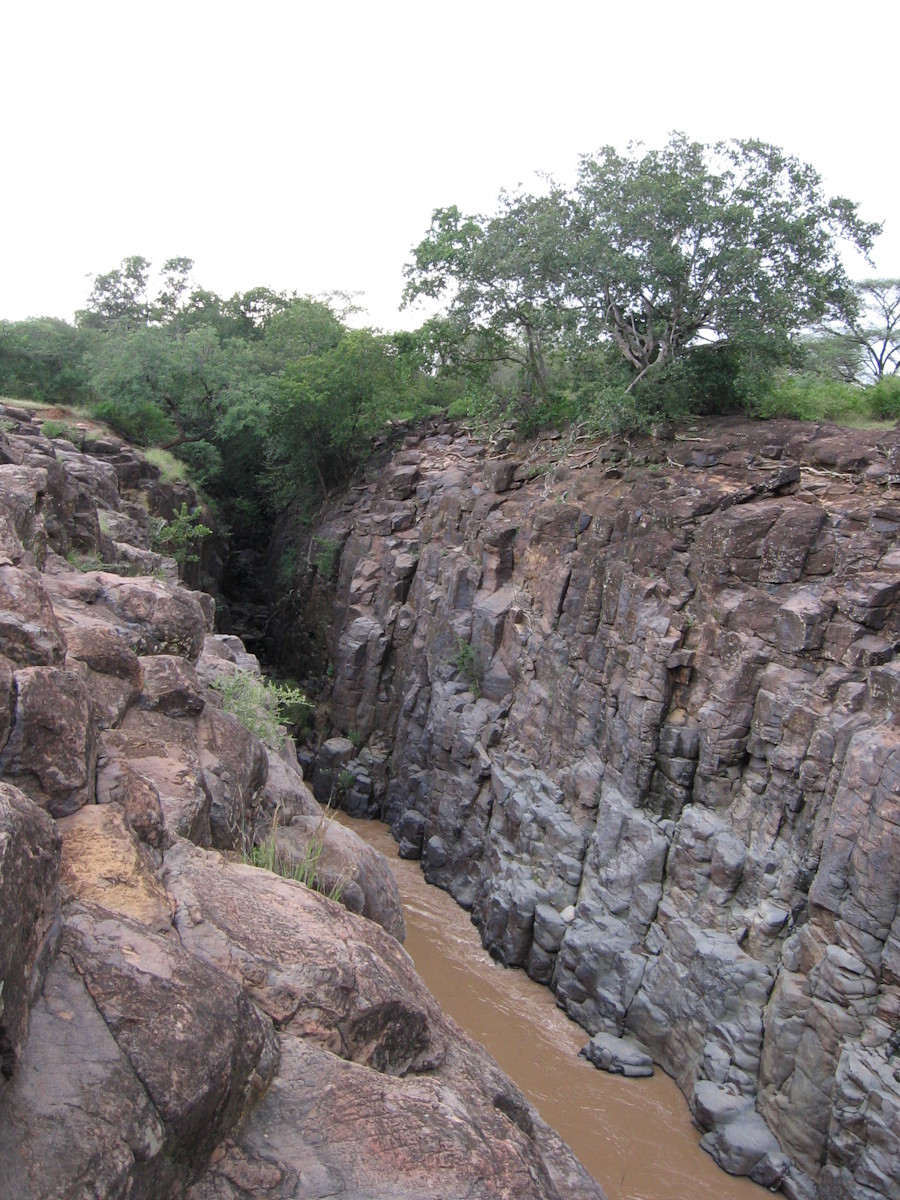
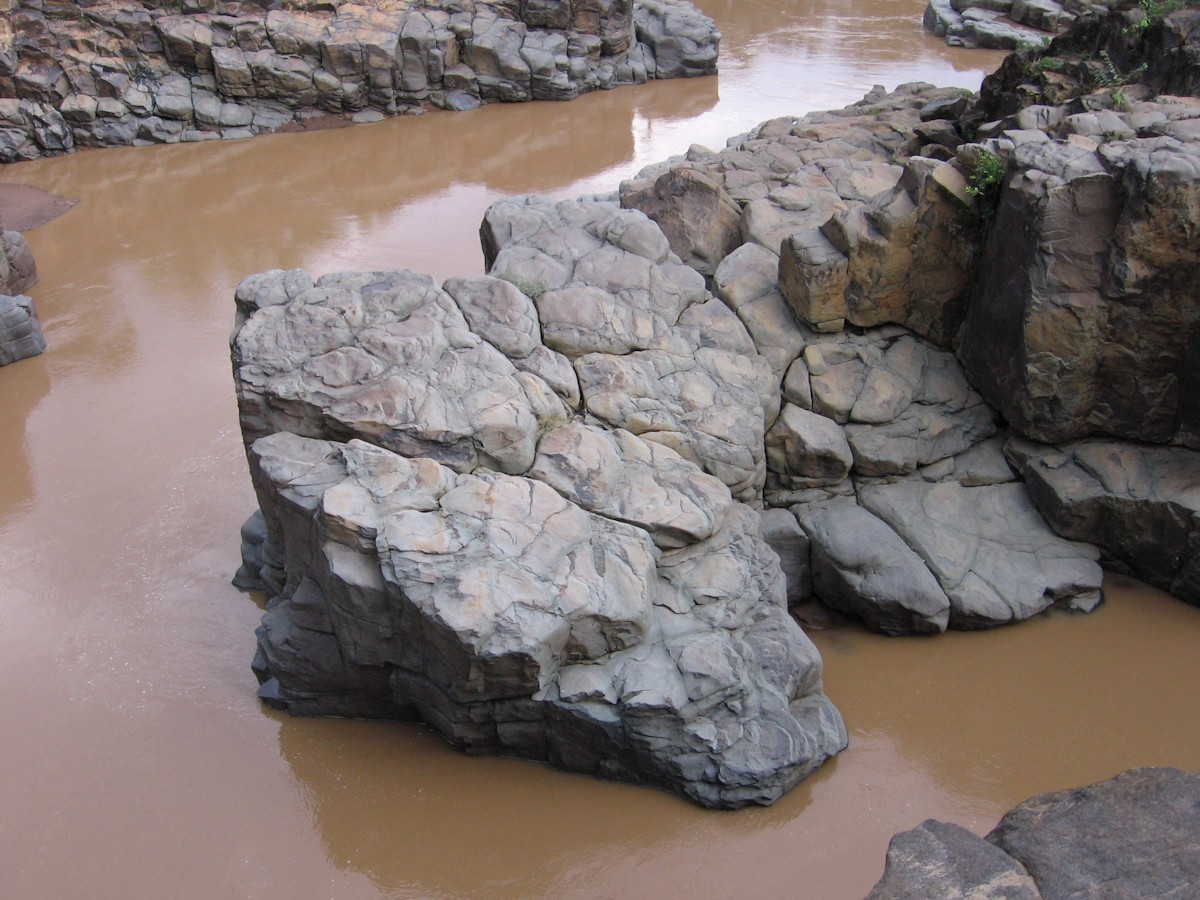
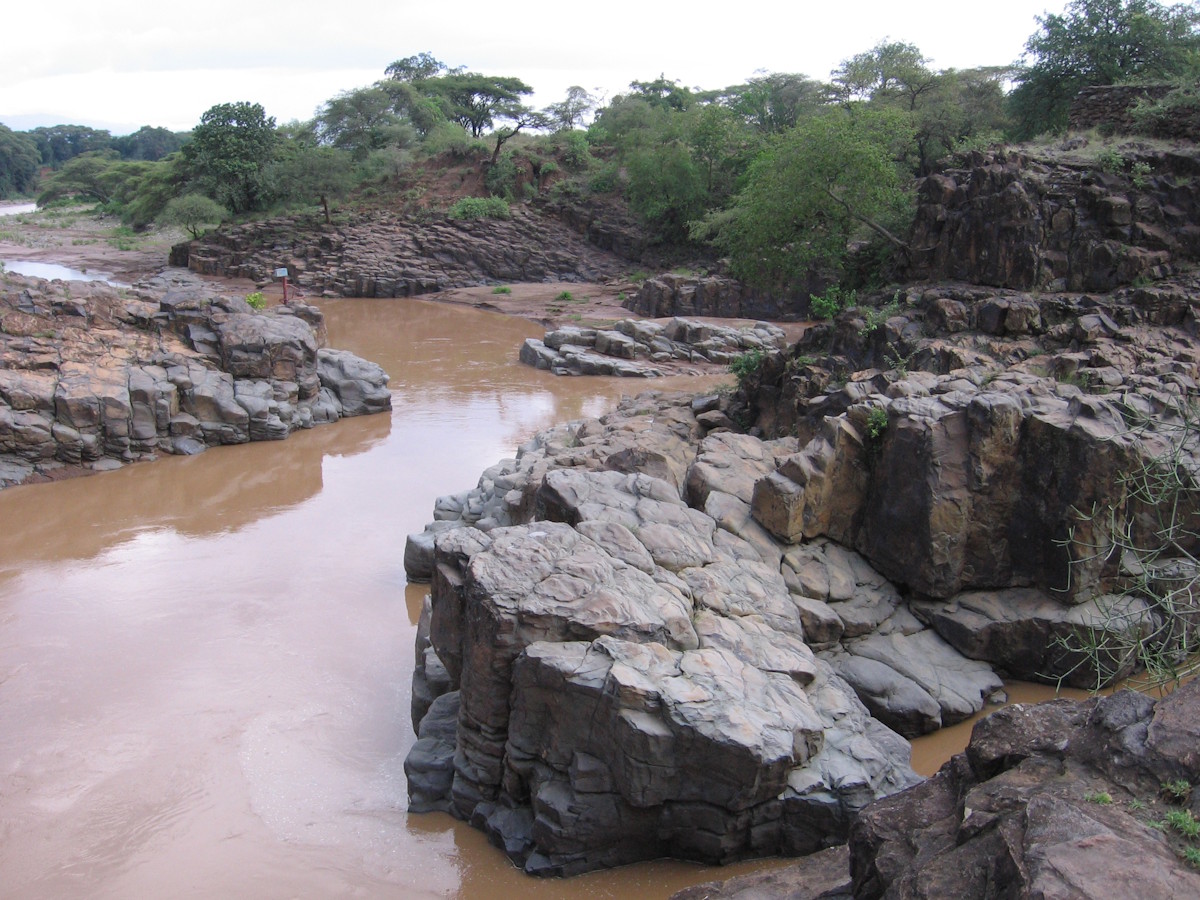
Photos of me and a resurrection plant (Craterostigma plantagineum).
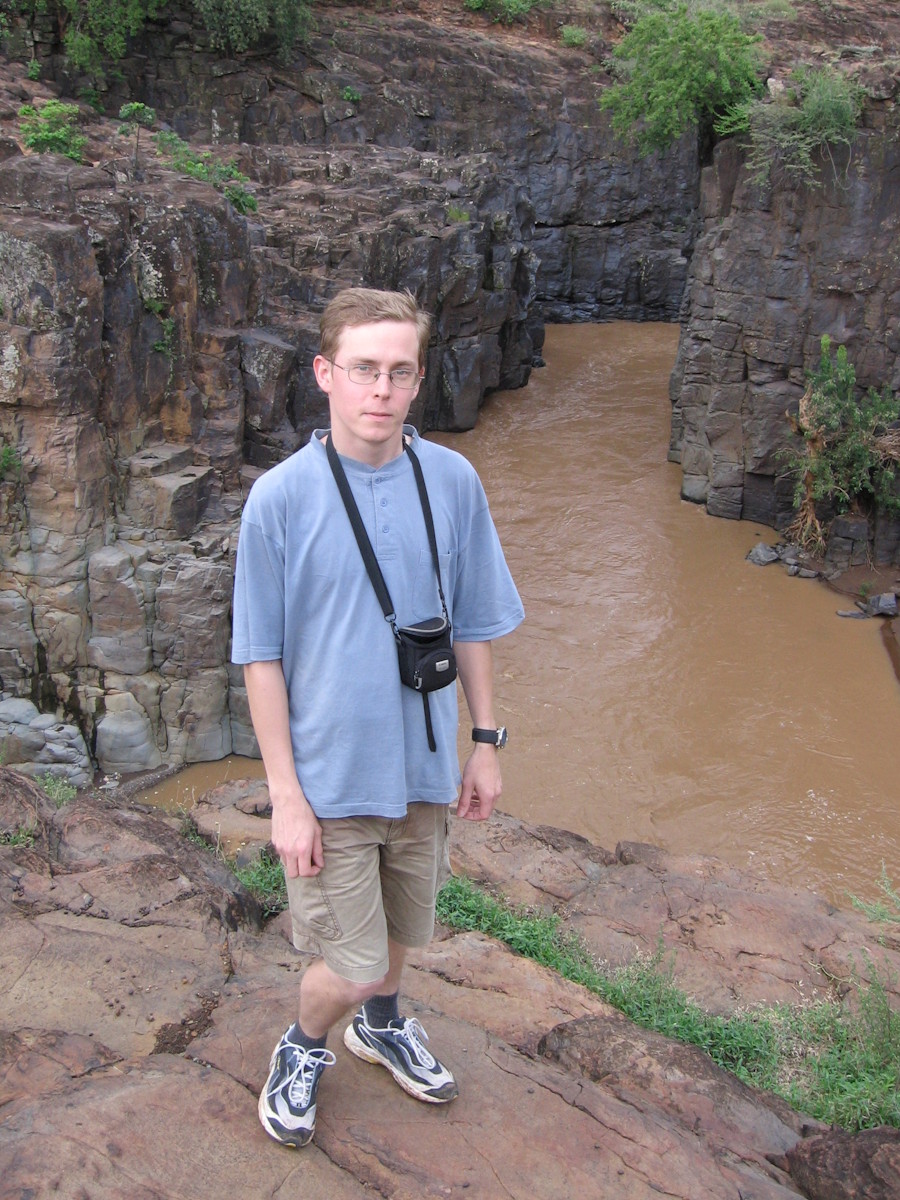
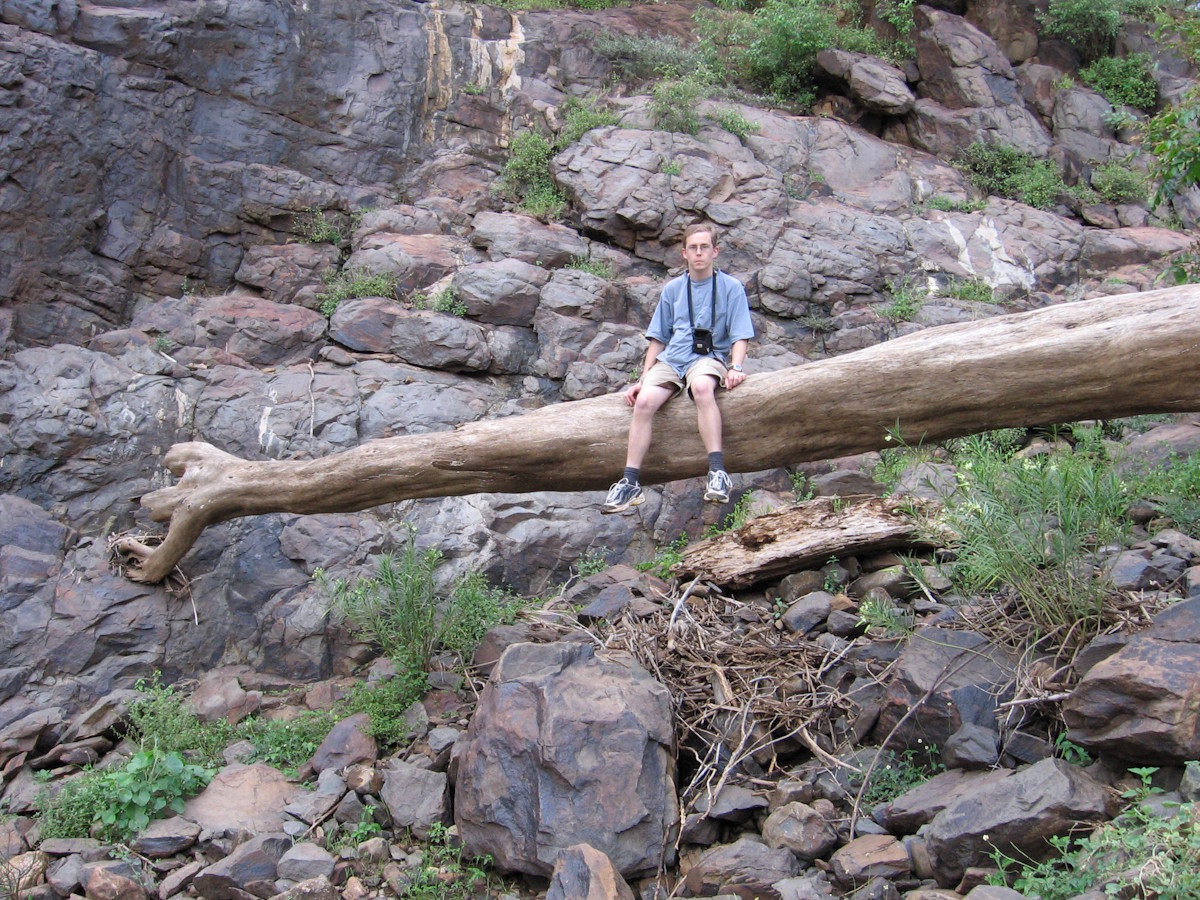
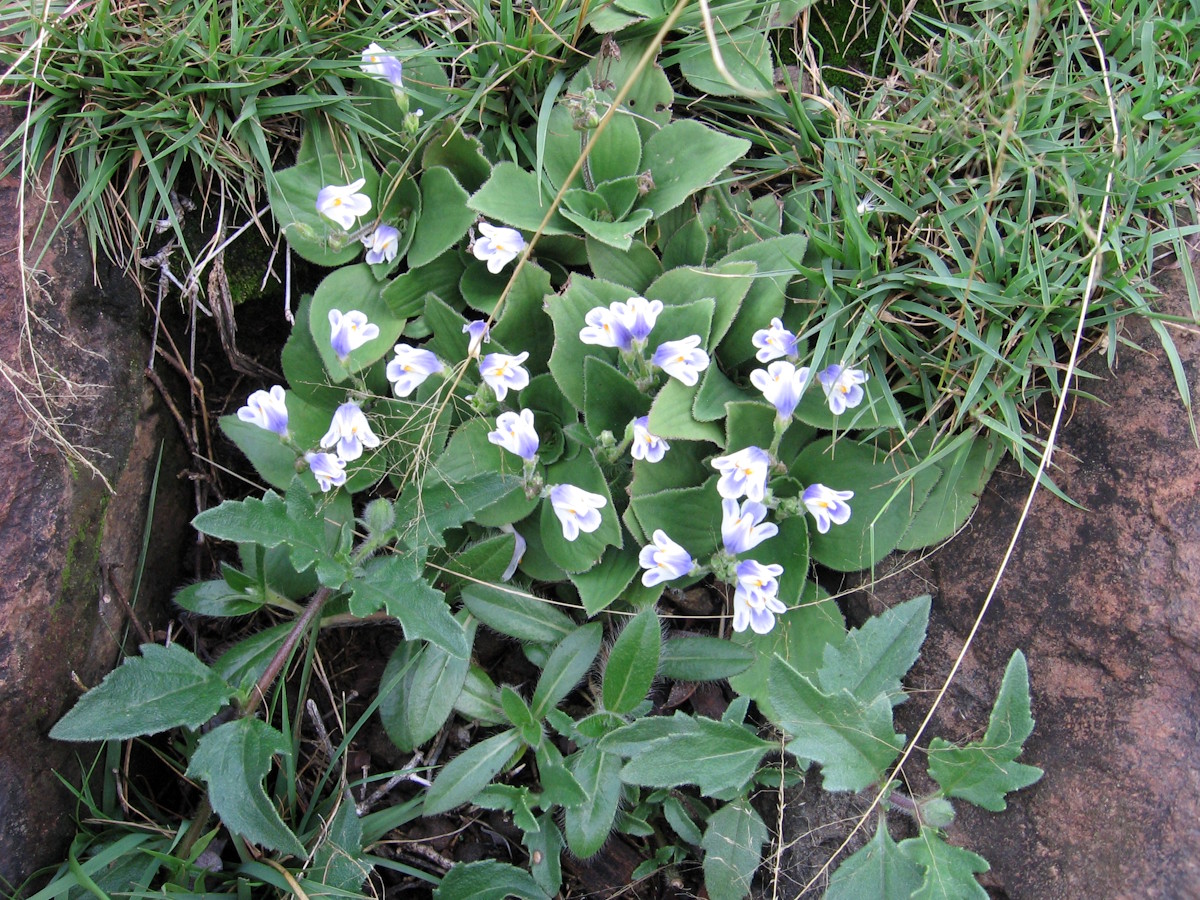
Our driver was a bit reckless but fortunately he stayed alive.
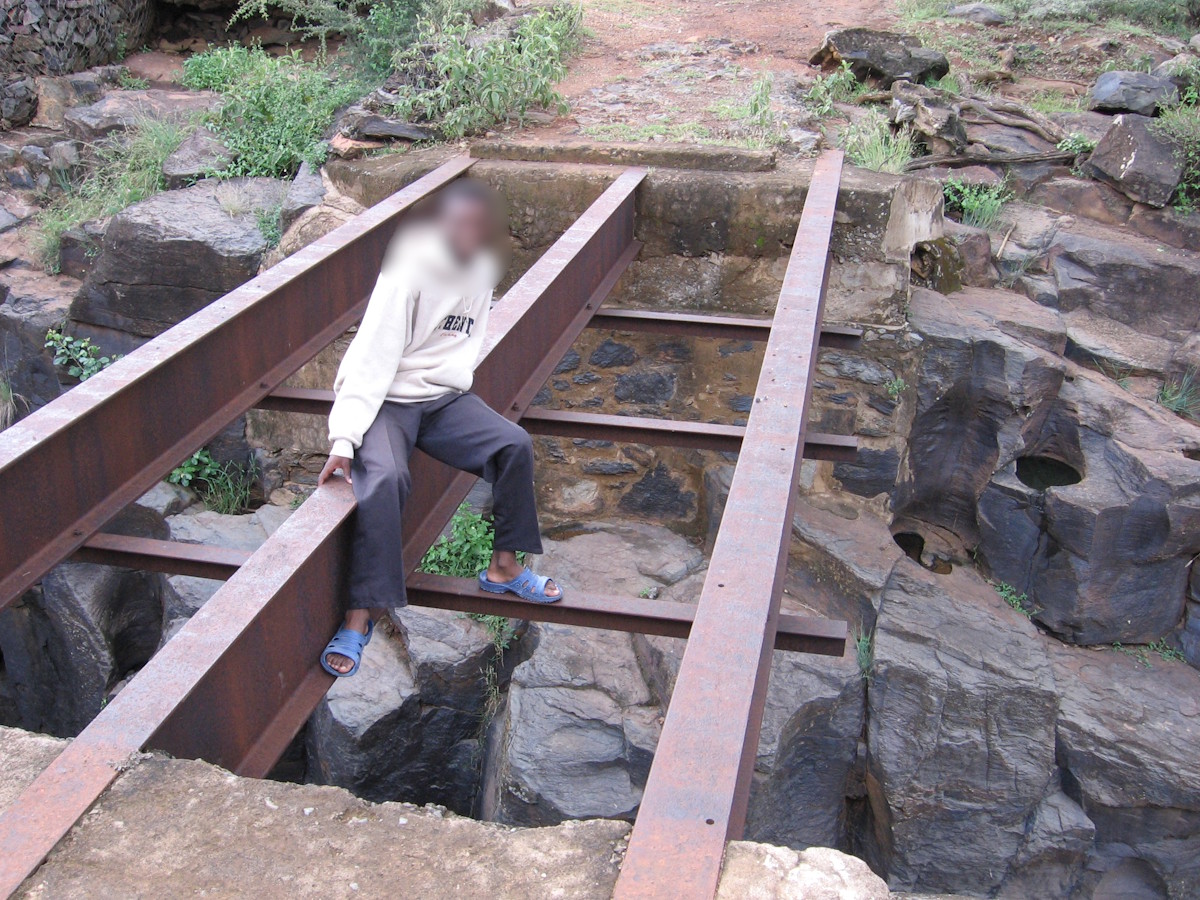
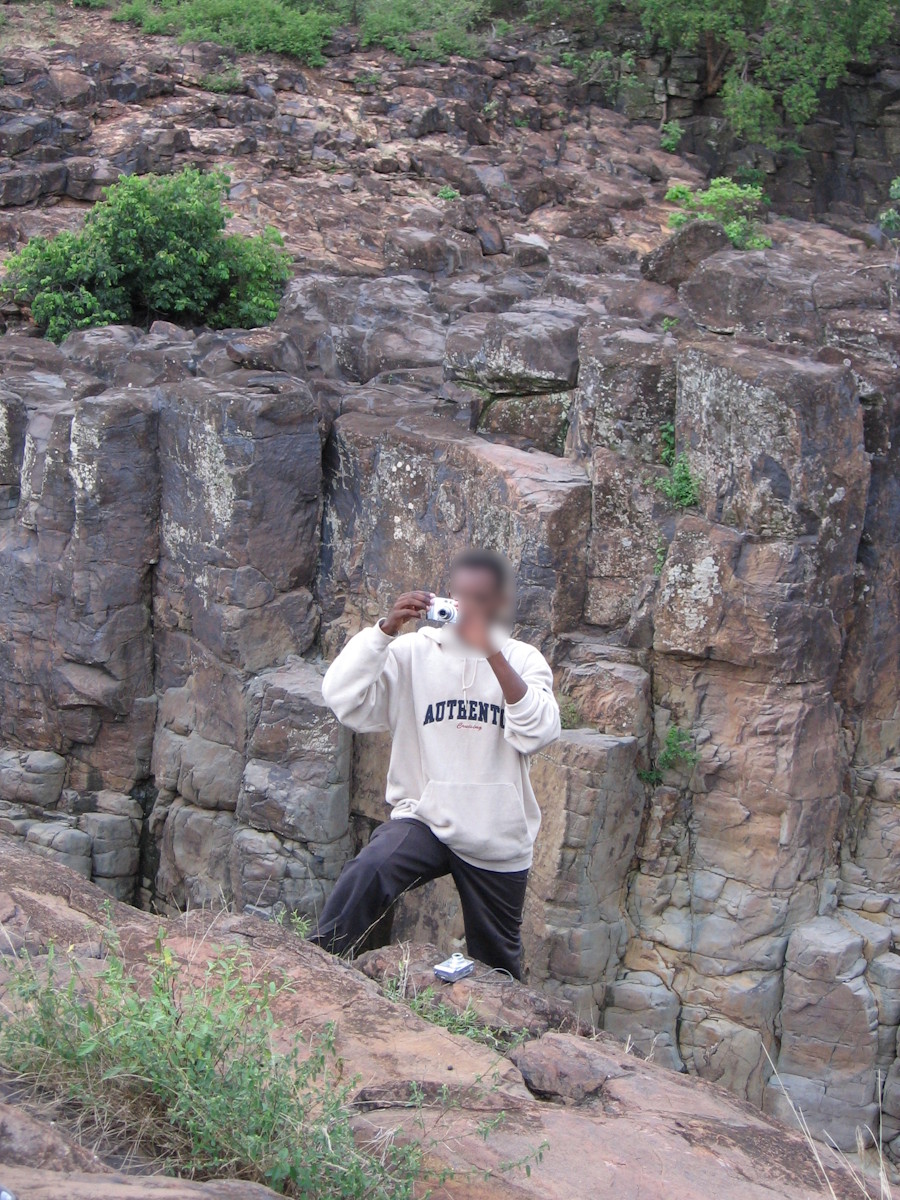
Fri 24/10
For one more time, we returned to the village, where the jatropha seeds were sown to the planting beds. On the way there, we saw one more fence made of thorny plants to prevent animals from going to farmland. After the seeds were sown, the villagers showed us how to make soap out of aloe.
For the weekend we moved to a lodging on the shore of Lake Baringo, where we had a cabin for the group. For some reason I didn’t take a photo of it. The tour leader and the FSK representative left us among ourselves and went elsewhere. The driver stayed with us and took us to places. For dinner we had tilapia among other foods.
Today the place has been submerged by the rising water of Lake Baringo.
Sat 25/10
In the morning we went for a boat ride.
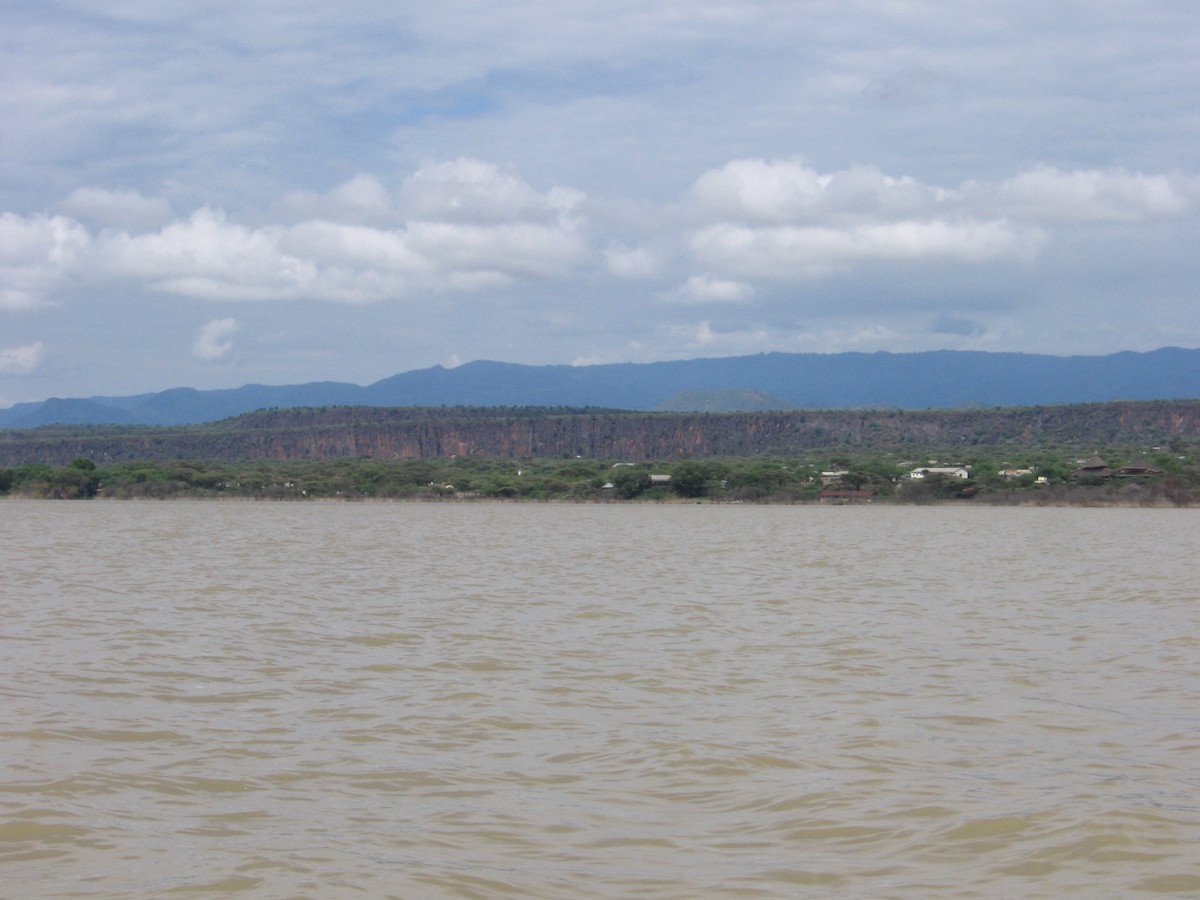
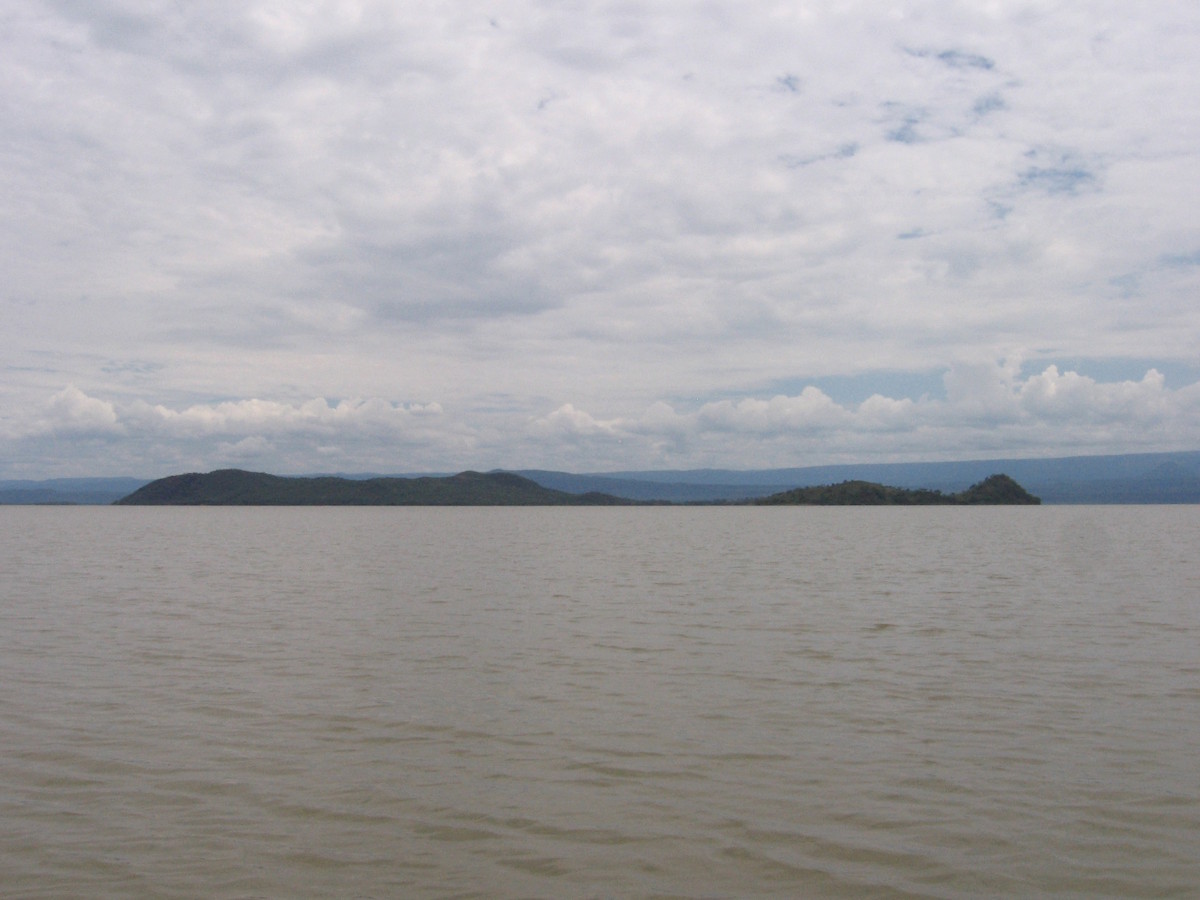
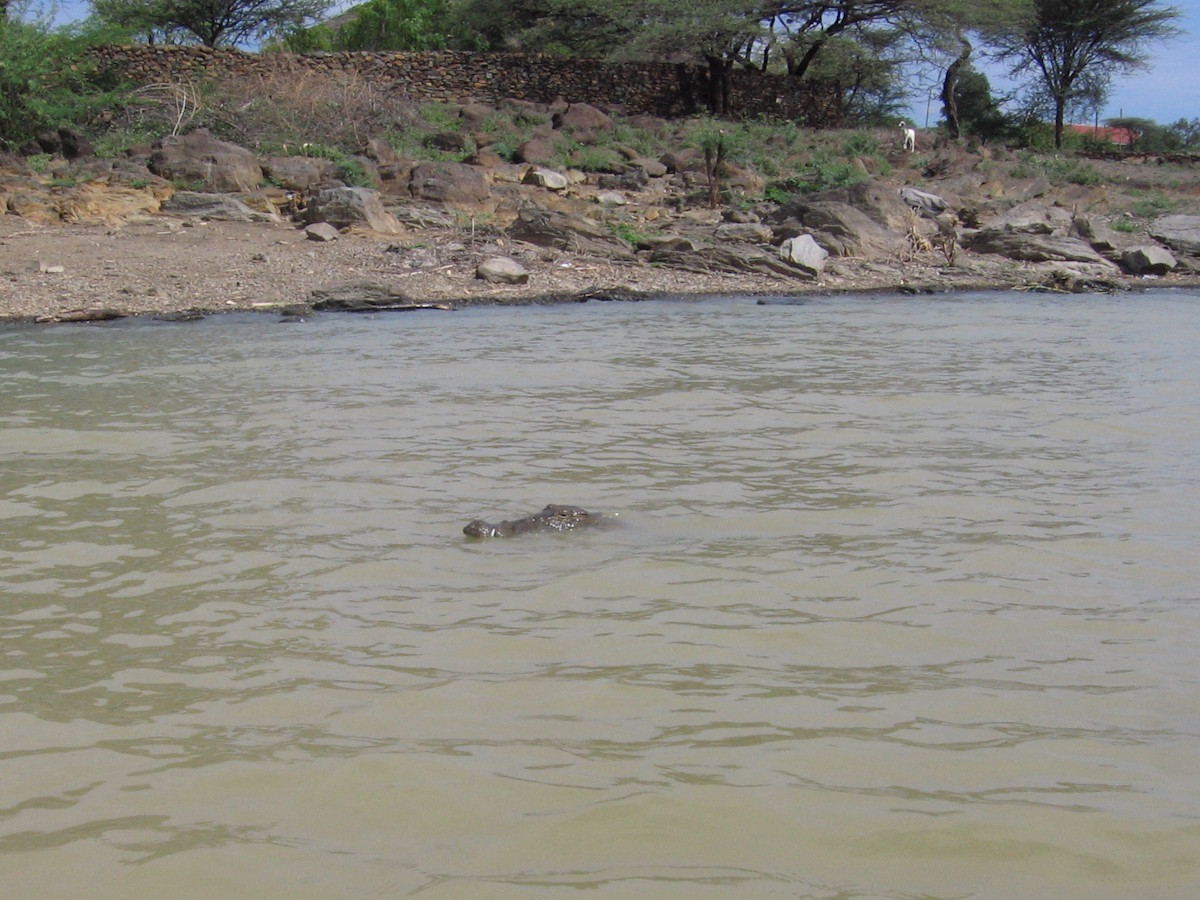
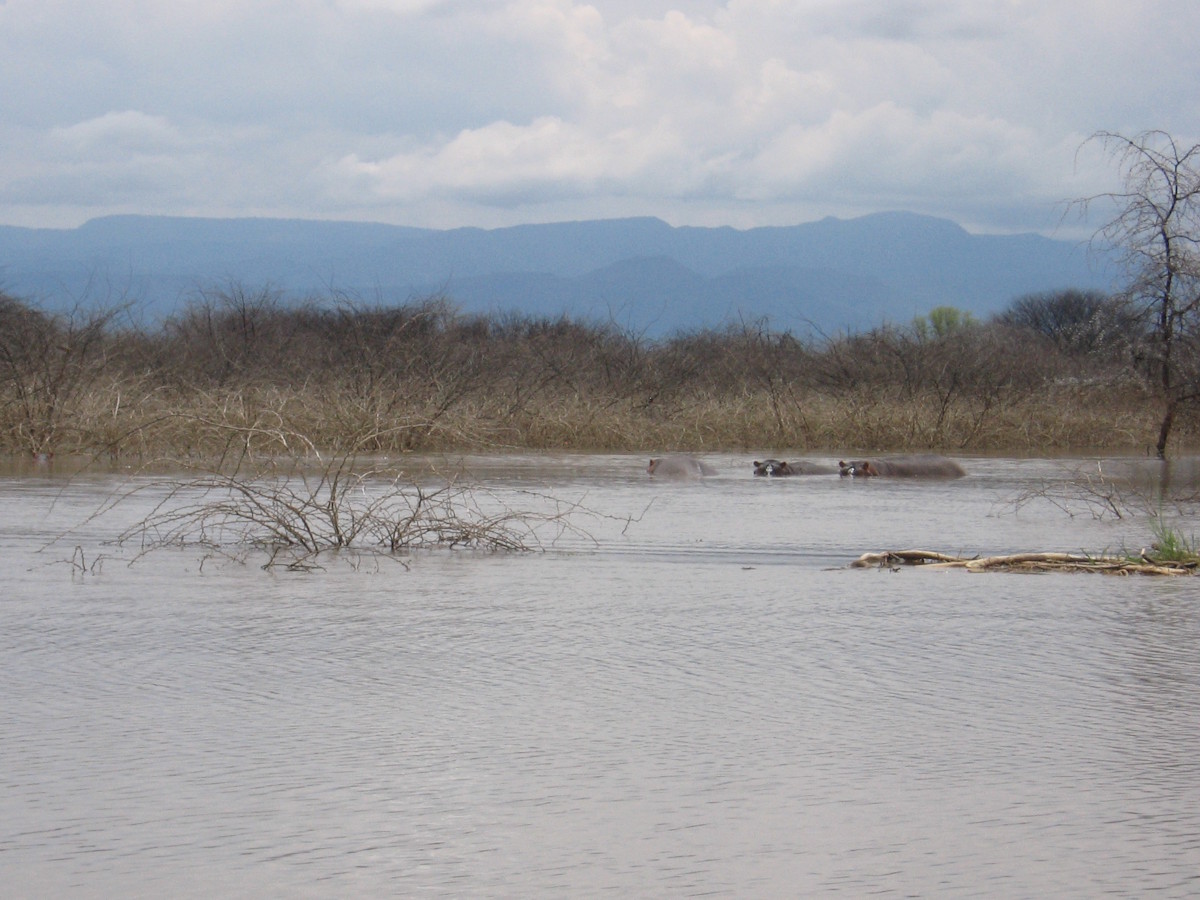
A couple of Nile crocodiles (Crocodylus niloticus, mamba wa Afrika) and common hippopotamuses (Hippopotamus amphibius, kiboko).
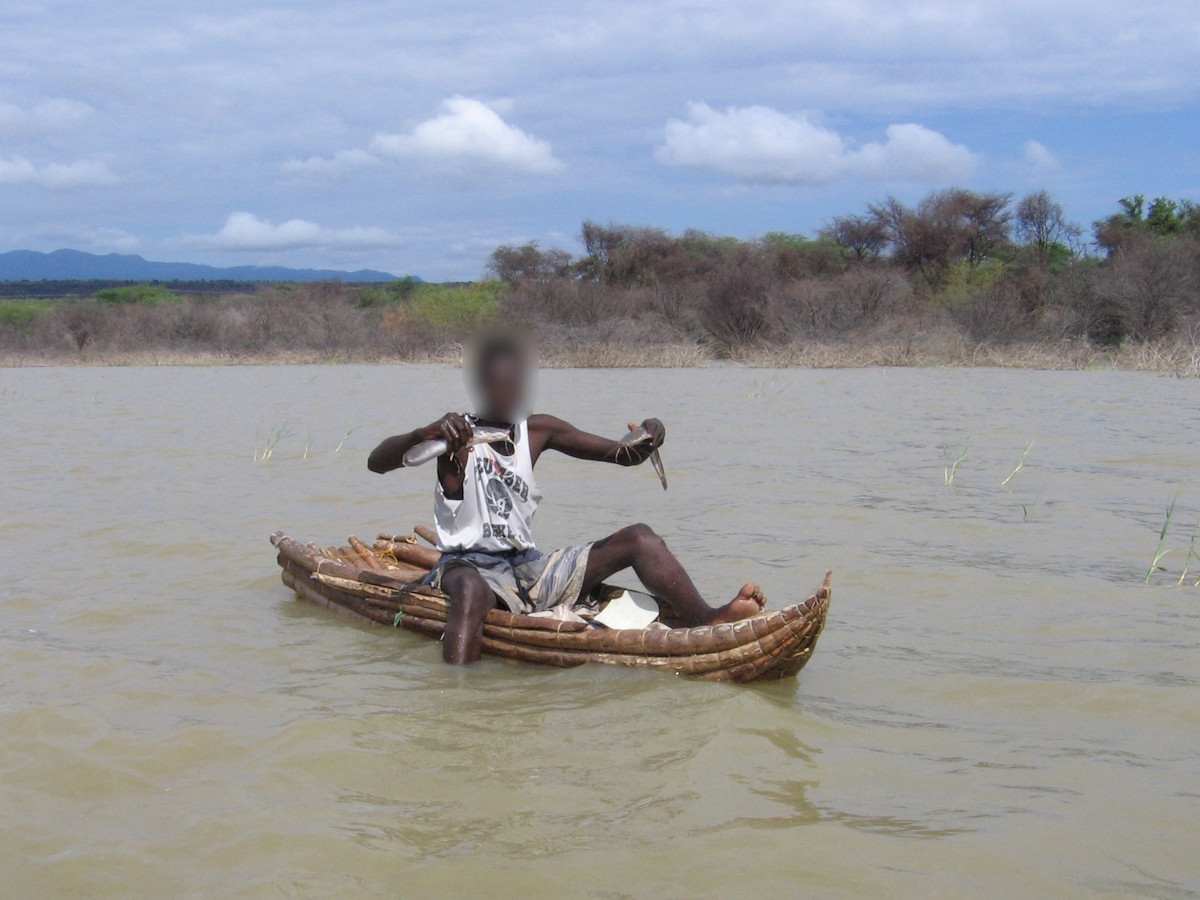
The man in the boat gave us fish to throw in the water, and an African fish eagle (Icthyophaga vocifer, furukombe wa Afrika) came to catch them.
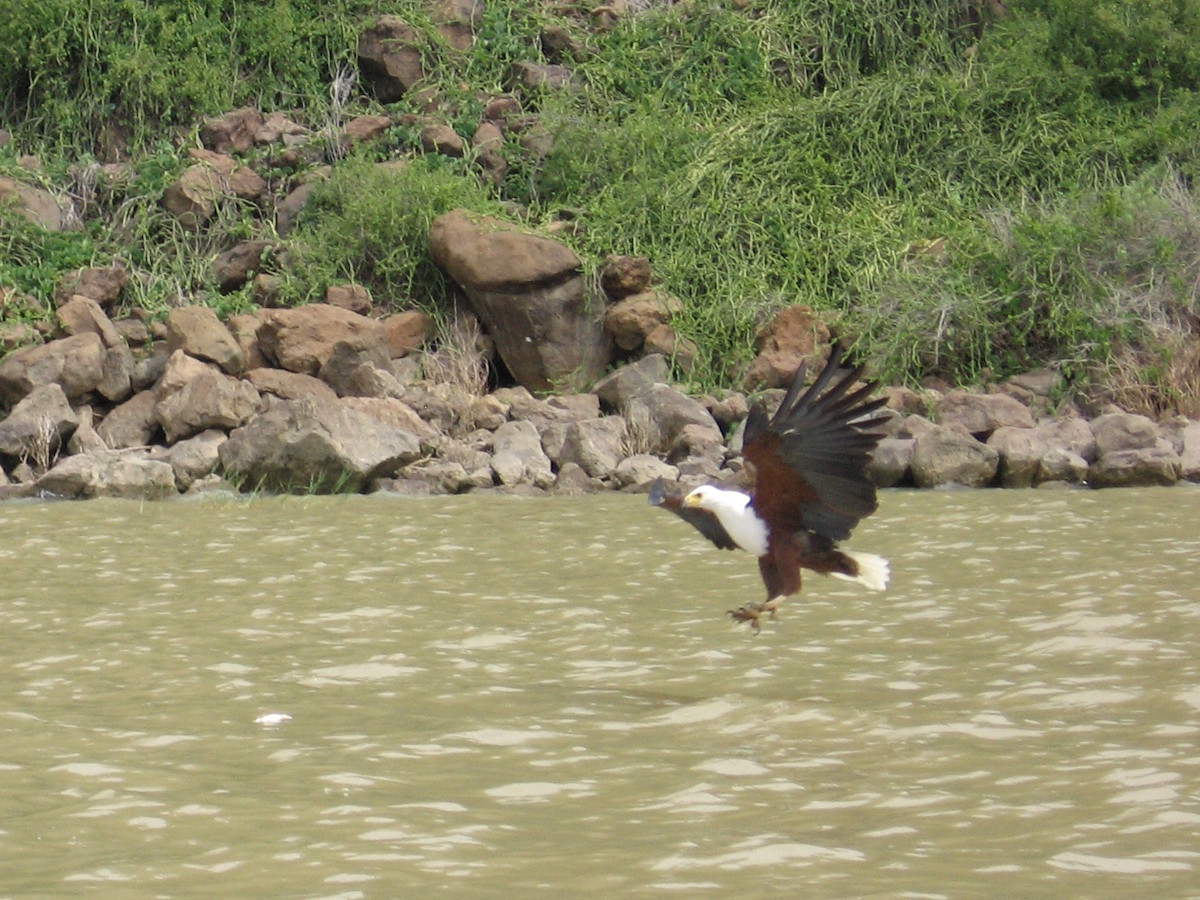
Besides the species in the photos, we saw cormorants, kingfishers and a monitor lizard. I have no recollection of the kingfishers, but that’s what my notes say.
After returning from the lake, we ordered pizza for lunch from the restaurant of our lodging. The others ordered a ham and cheese pizza for everyone while I was elsewhere, and when I’d rather have something else, I went to ask that one pizza would be a Spitting Cobra that had salami and chili peppers. Our communication was a bit awkward, and I was left with a little doubt that the restaurant staff thought I wanted to switch all pizzas to the spicy one. Fortunately this didn’t happen. He also asked me how hot I wanted the pizza and to be on the safe side, I said not very hot. In the end it was quite mild, but delicious all the same.
After lunch, we went to the swimming pool of a nearby hotel for a couple of hours. Despite the good weather, there was nobody else: we we told the whole hotel was empty. We tried to teach our driver to swim a little, but he didn’t want to do it for long. Even this hotel is flooded today.
The women in the group wanted to get African-style hairdos, and a friend of our housekeeper came to design them in the evening. After that we planned the aloe cultivation guide.
Sun 26/10
I did take a photo of my room. Some cockroach (Blattodea sp., mende).
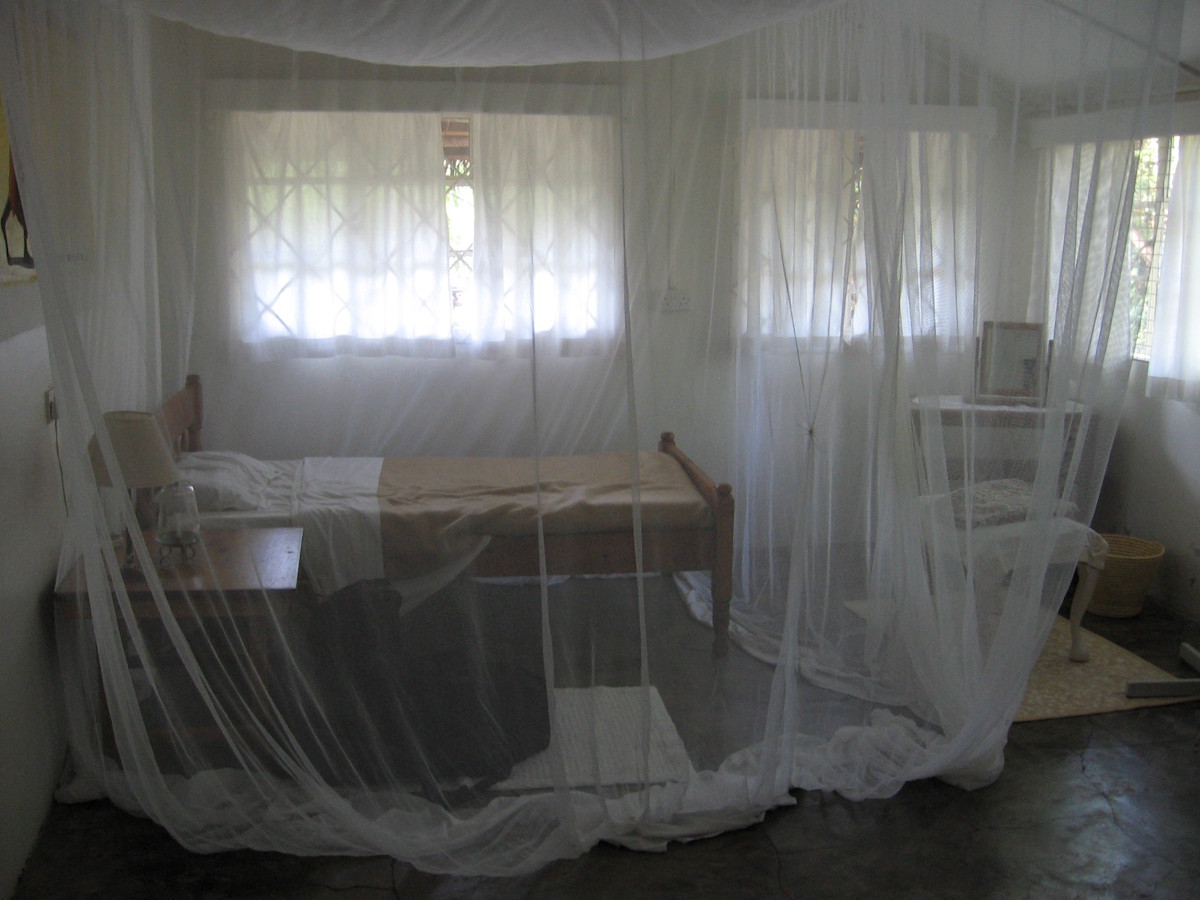
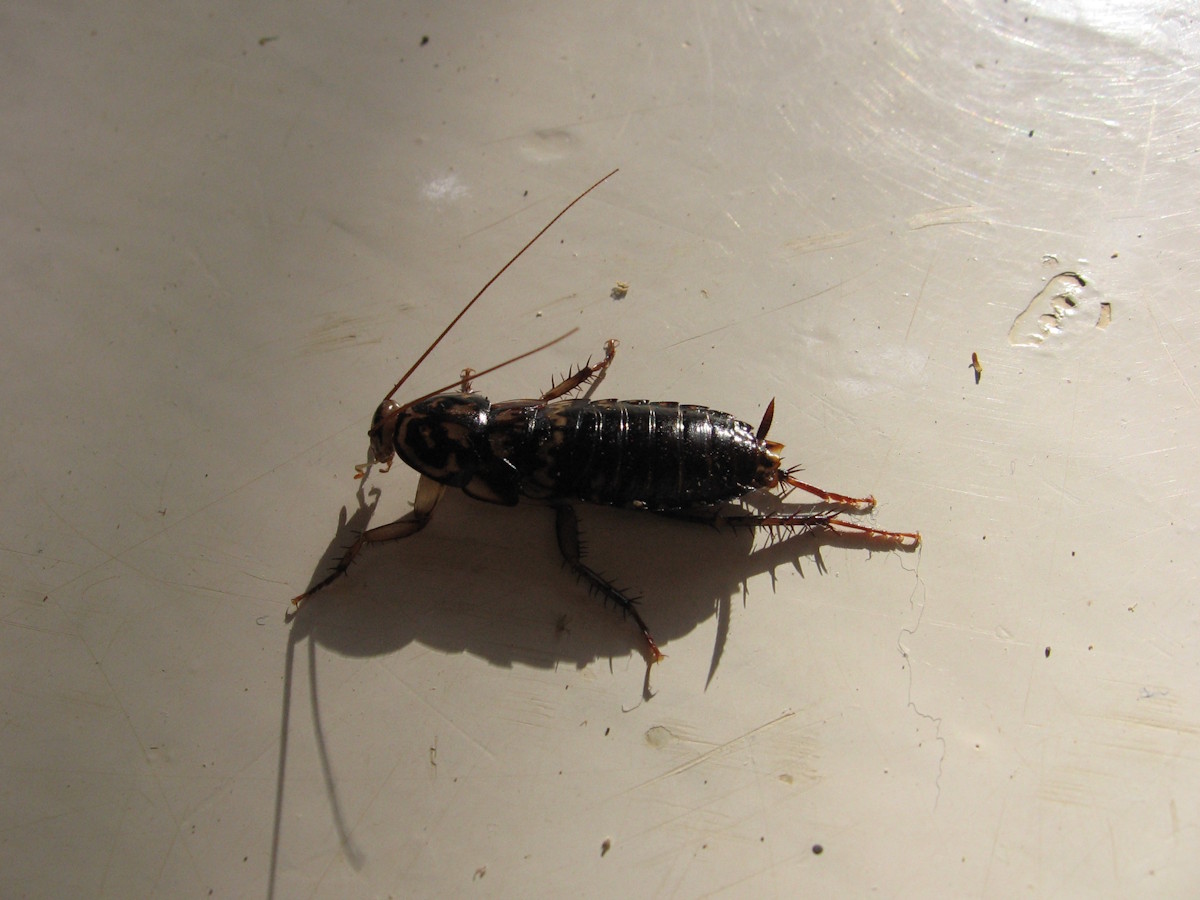
In the morning we went to the yard of a local lady, where about ten women did the hair for the women of our group for five and a half hours. I sat there and watched. Each got their head covered in thin braids.
Jackson’s hornbill (Tockus jacksoni, fimbi wa Jackson) and a nice stone wall.
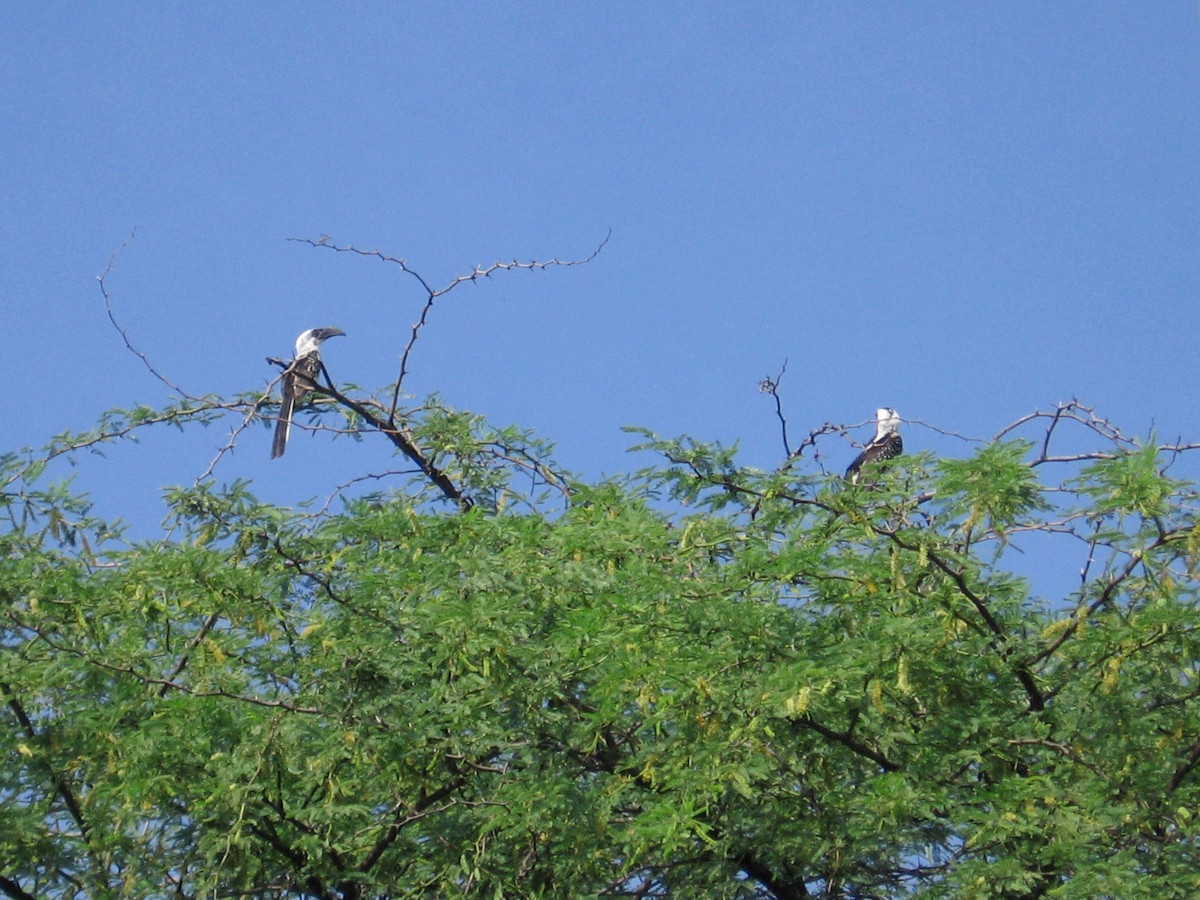
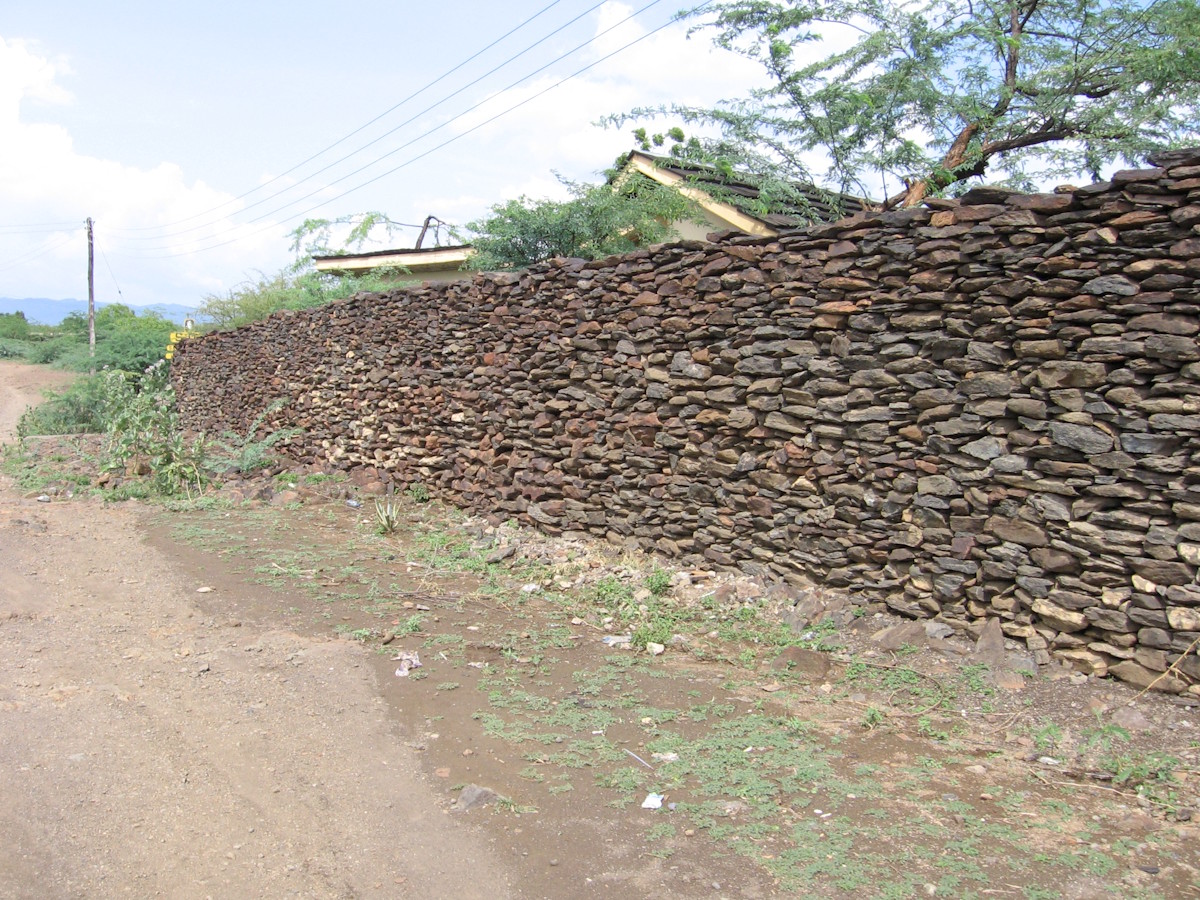
After lunch we spent another couple of hours at the swimming pool, and then went to see a reptile exhibition. The photos have a rock python and some tortoise. They also had crocodiles, which the staff harassed by poking them with a stick. I doubt the animals in these kind of exhibitions have very good living conditions anyway.
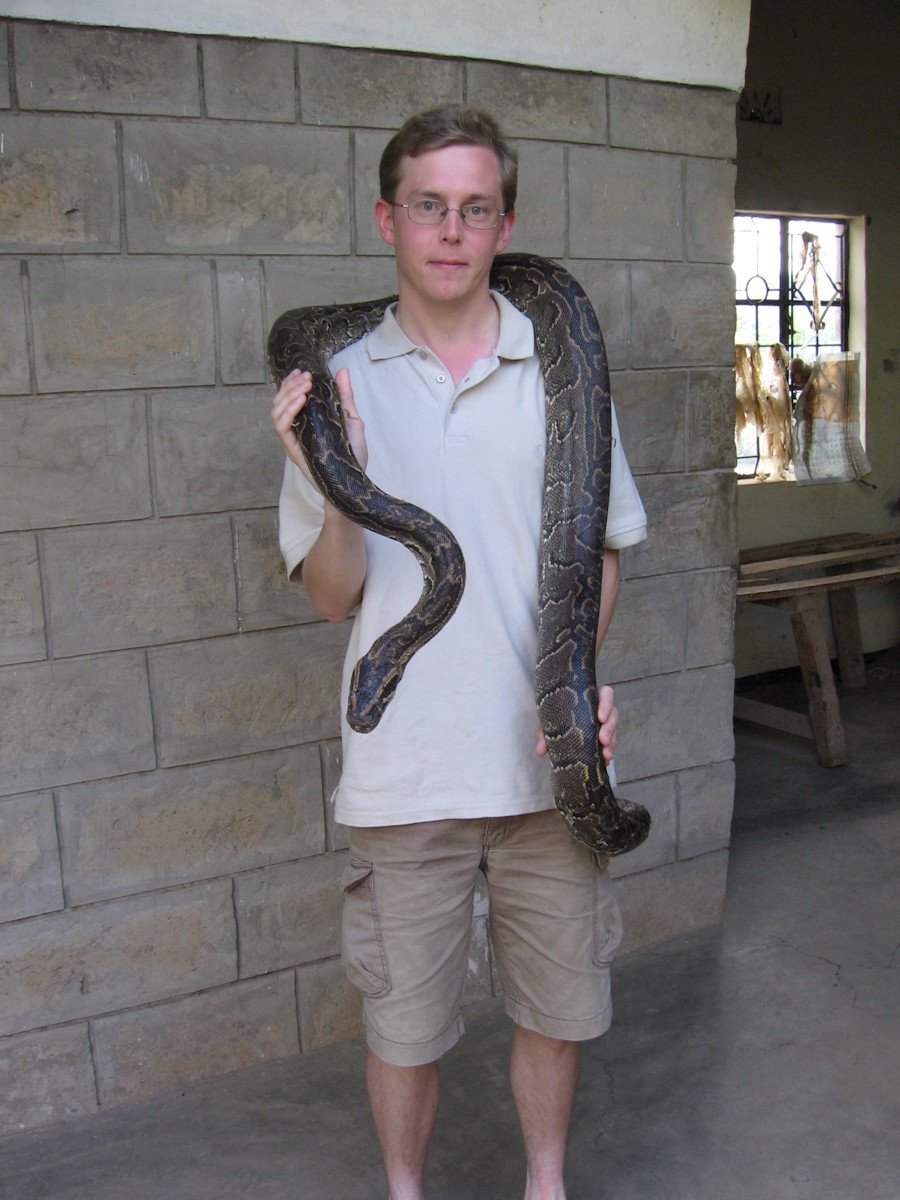
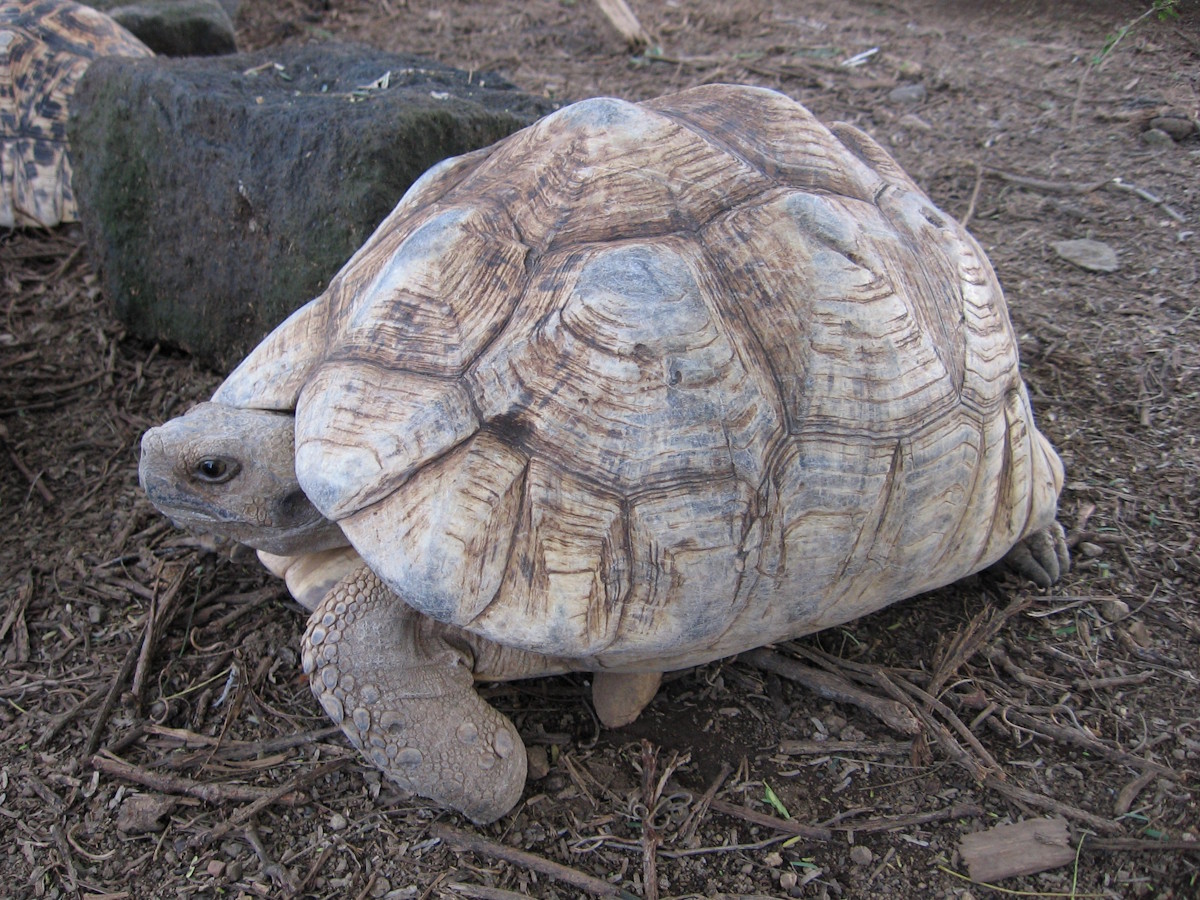
For the last night of the weekend we moved to a cottage on the beach. We were warned that hippos may come walking on the yard when it gets dark. In the evening we saw crocodile eyes shining in the water. We planned the jatropha cultivation guide. The tour leader and the FSK representative came back to us.
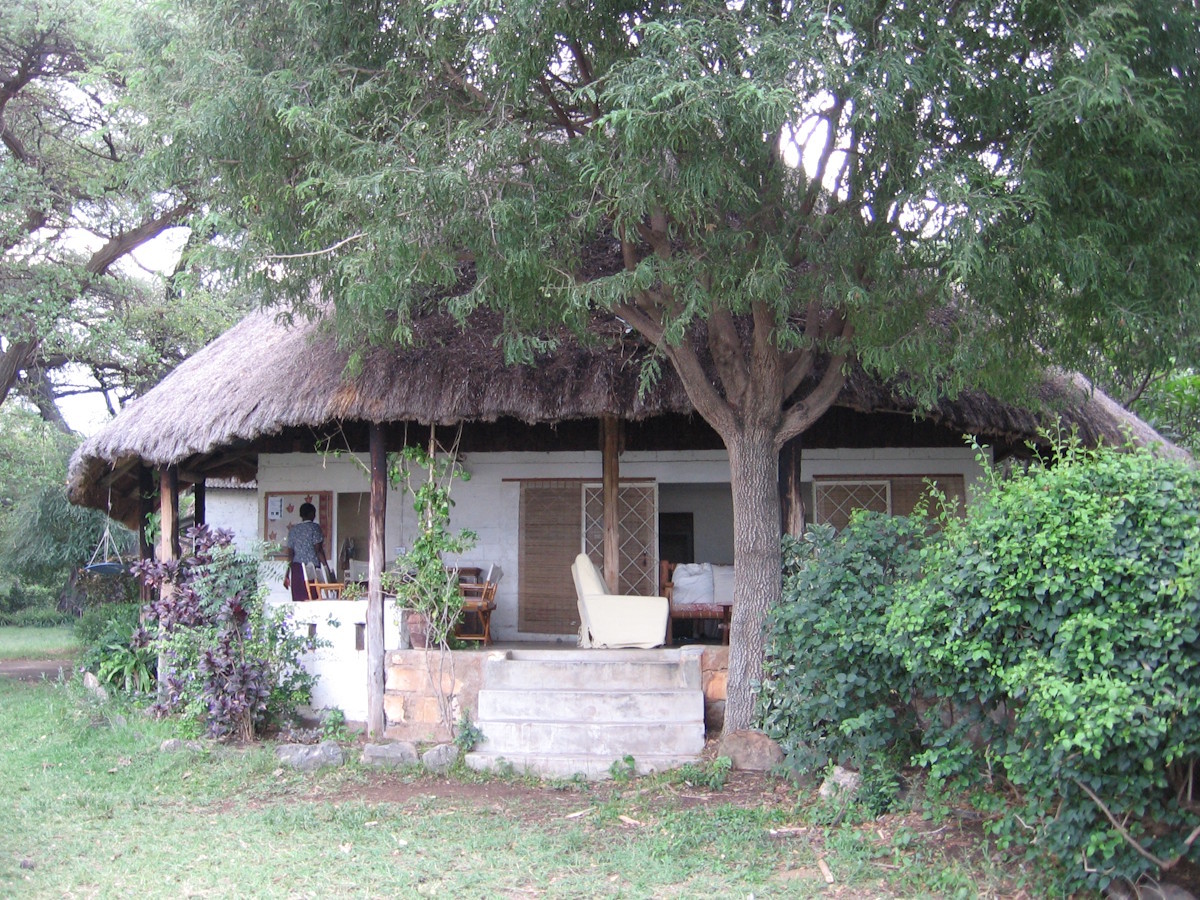
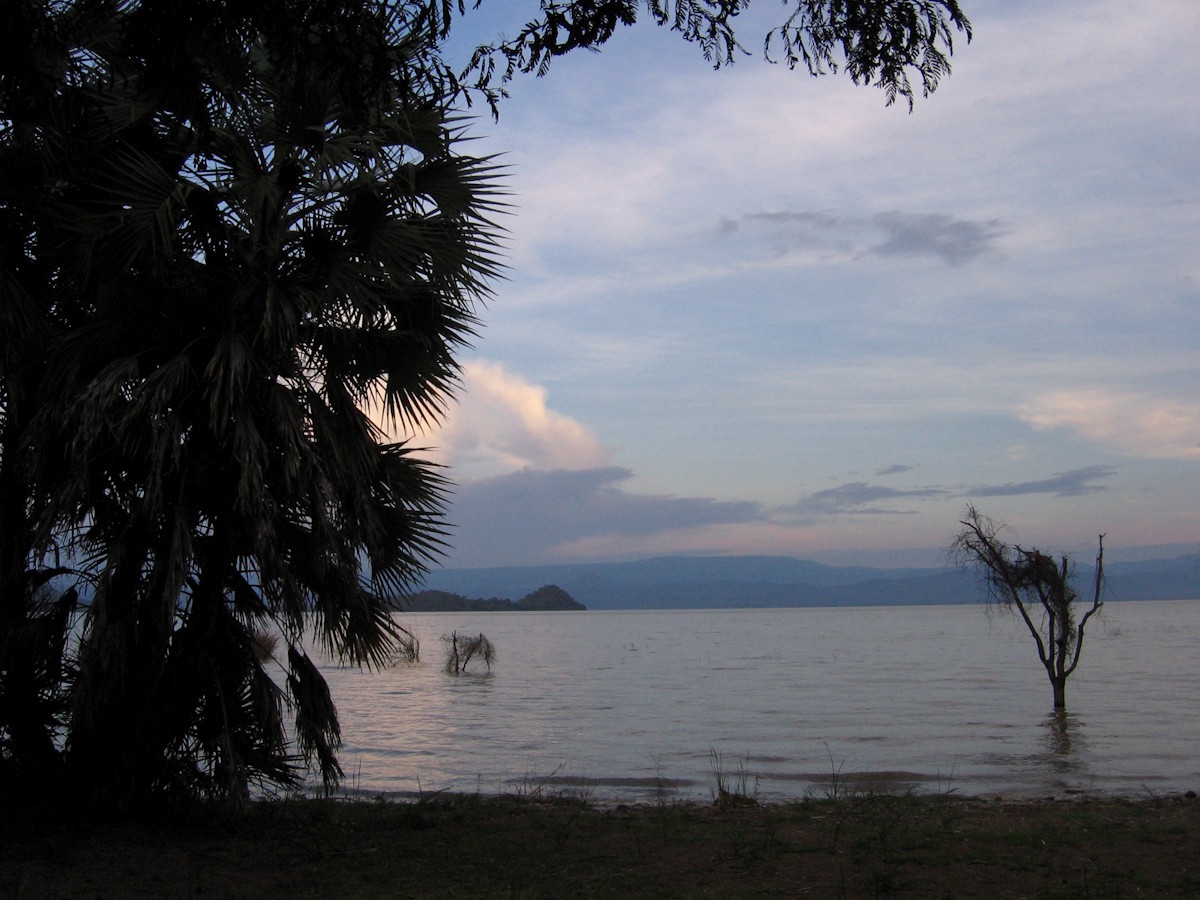
Mon 27/10
We woke up at six to see if we could see crocodiles or hippos. We saw a couple of hippopotamus heads and heard some splashing.
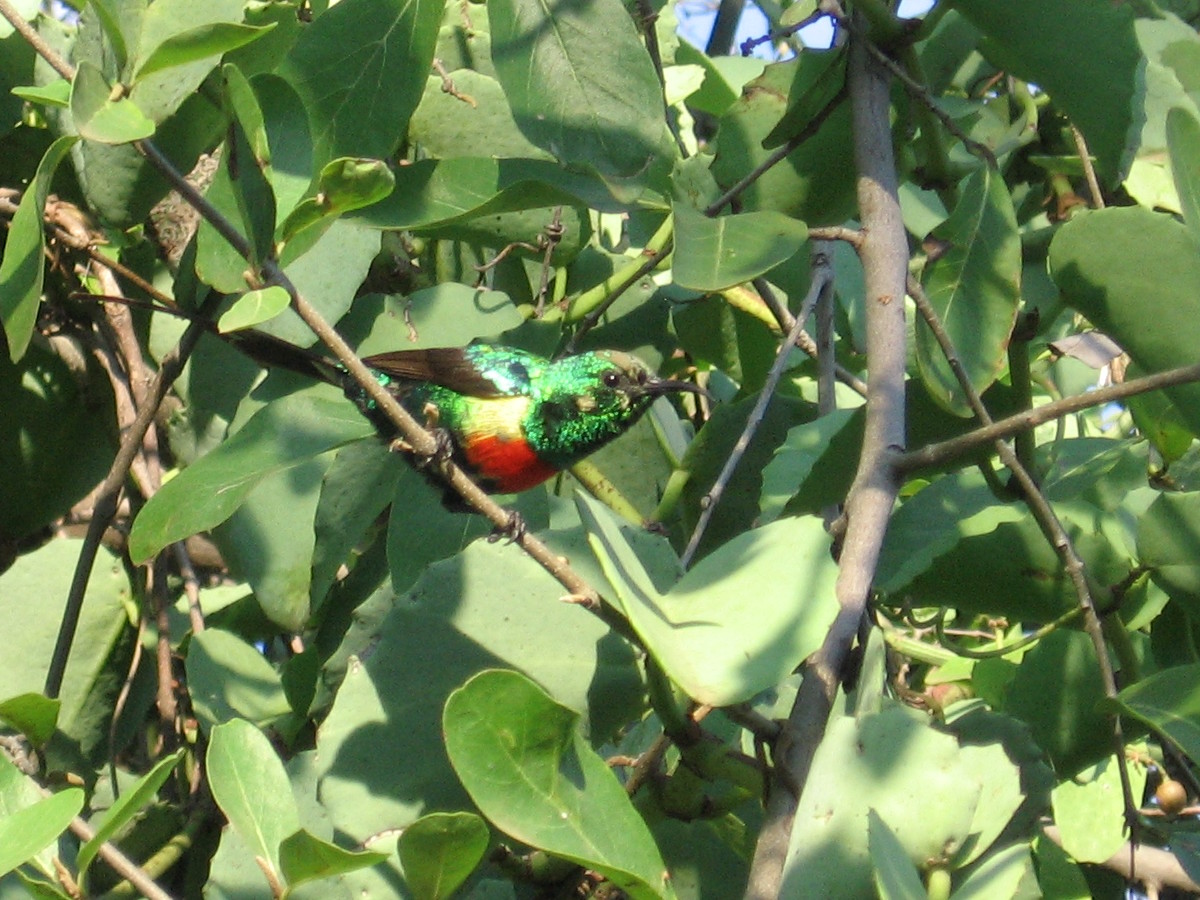
Beautiful sunbird (Cinnyris pulchellus, chozi mzuri).
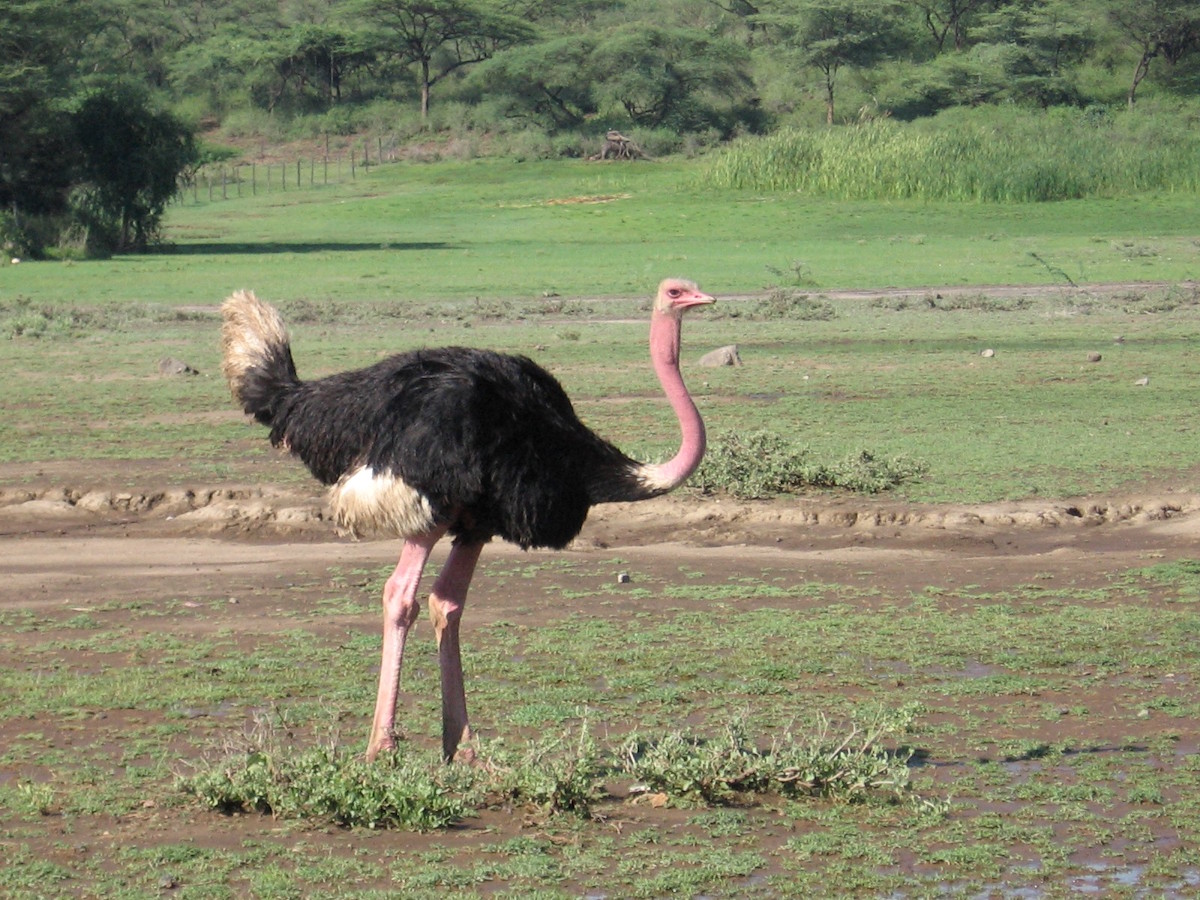
We left Lake Baringo to Lake Bogoria. On the way we saw common ostriches (Struthio camelus, mbuni wa kawaida).
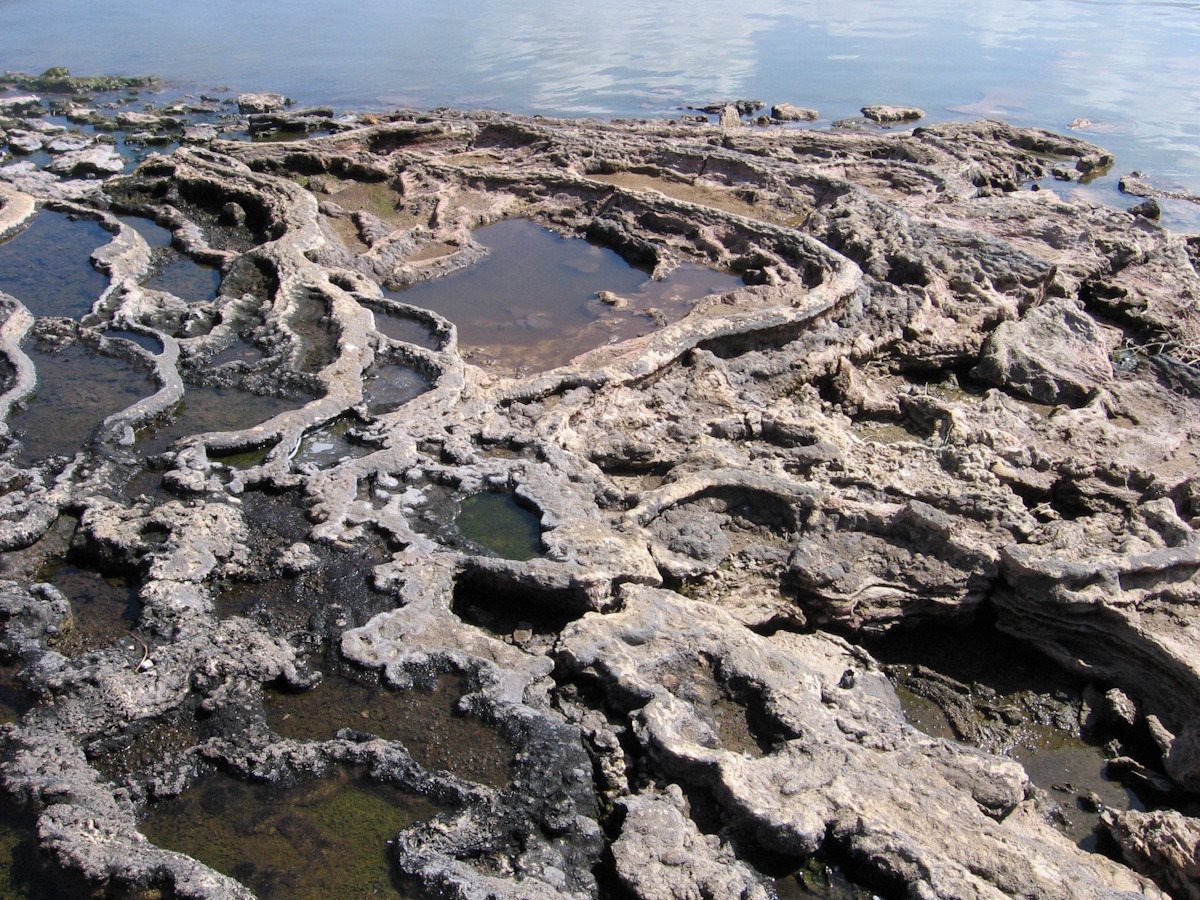
Hot springs of Lake Bogoria. We boiled eggs in the spring.
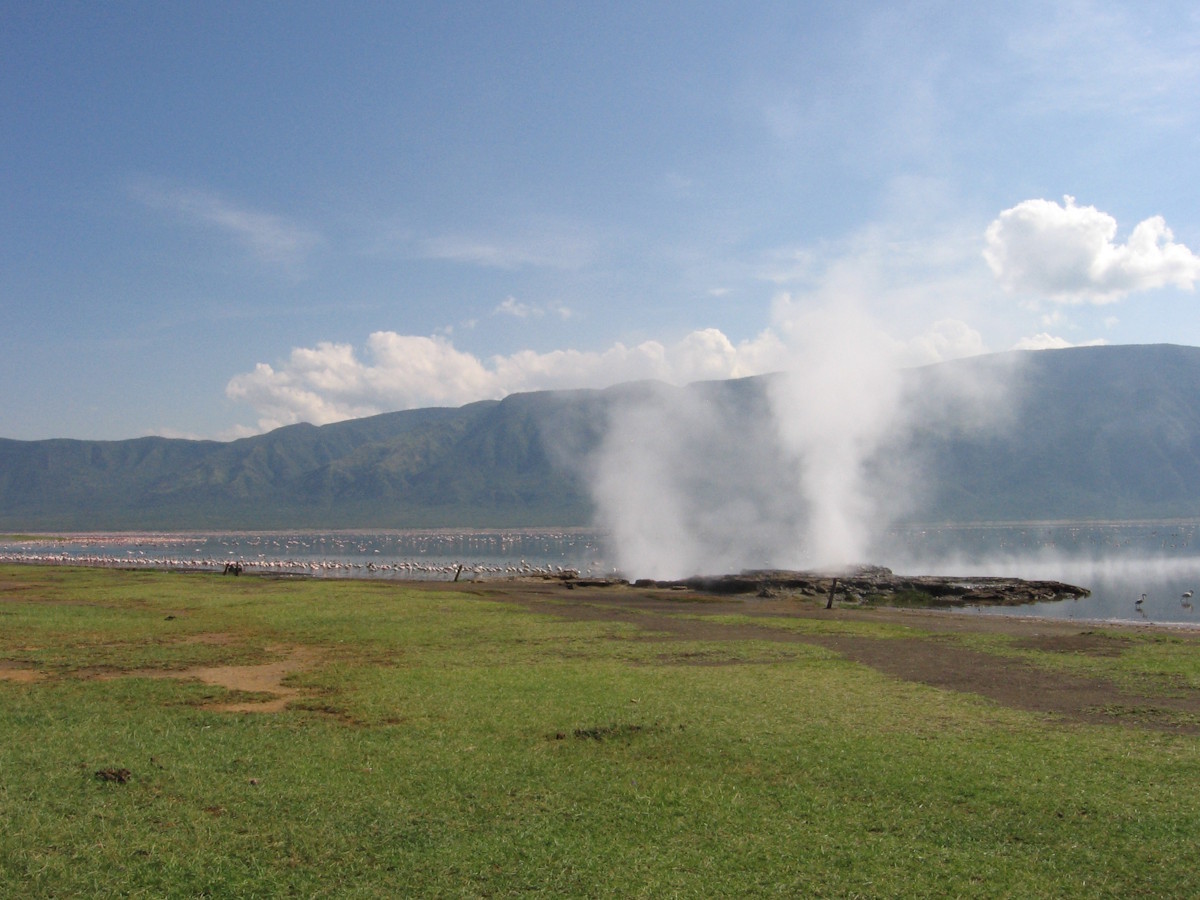
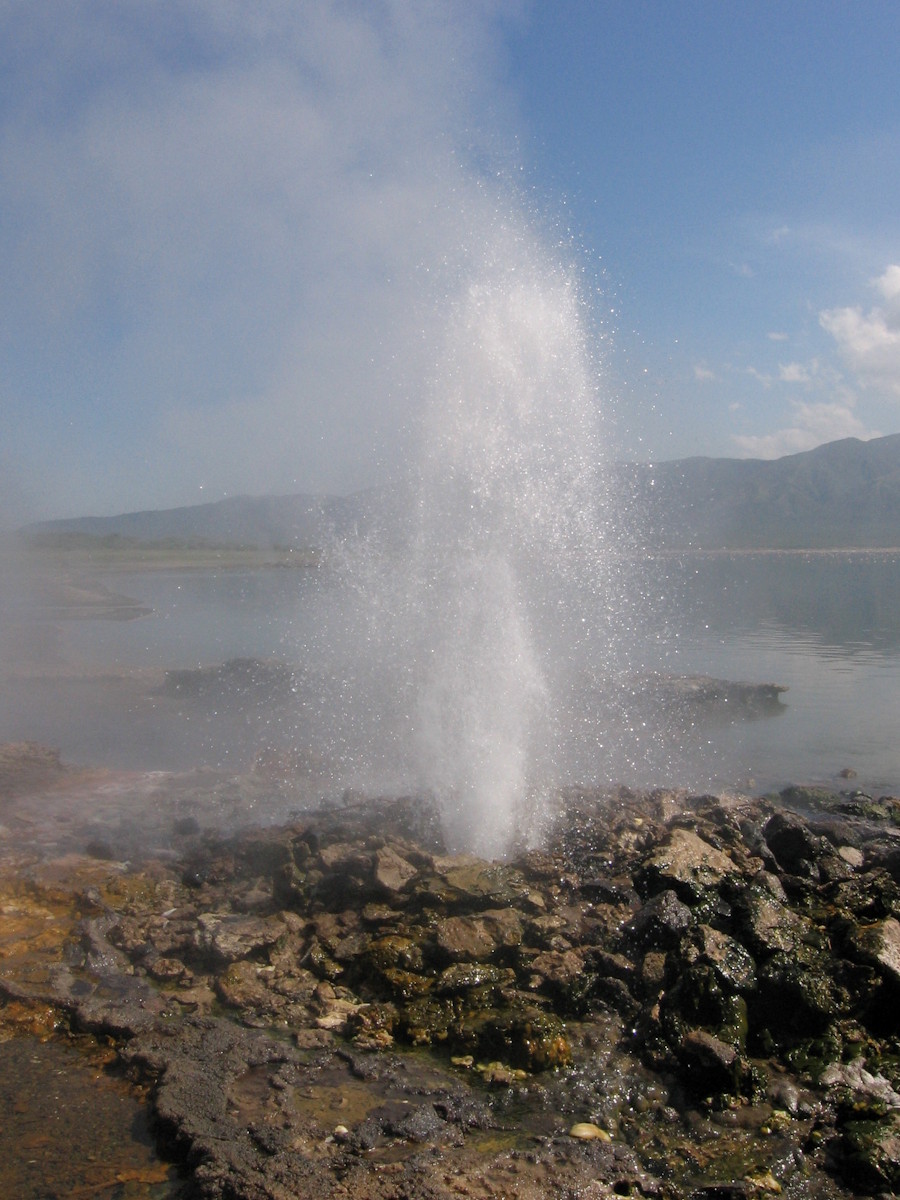
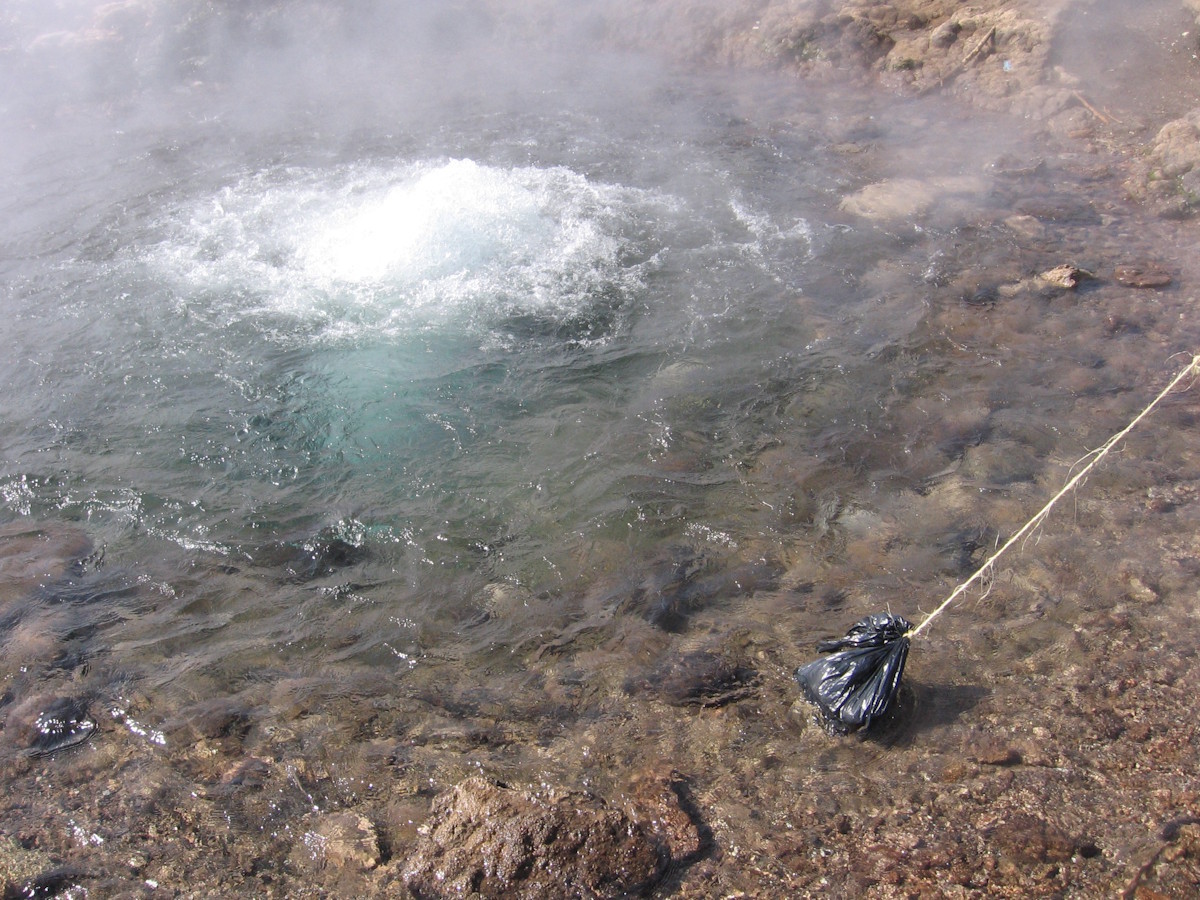
A video of a hot spring.
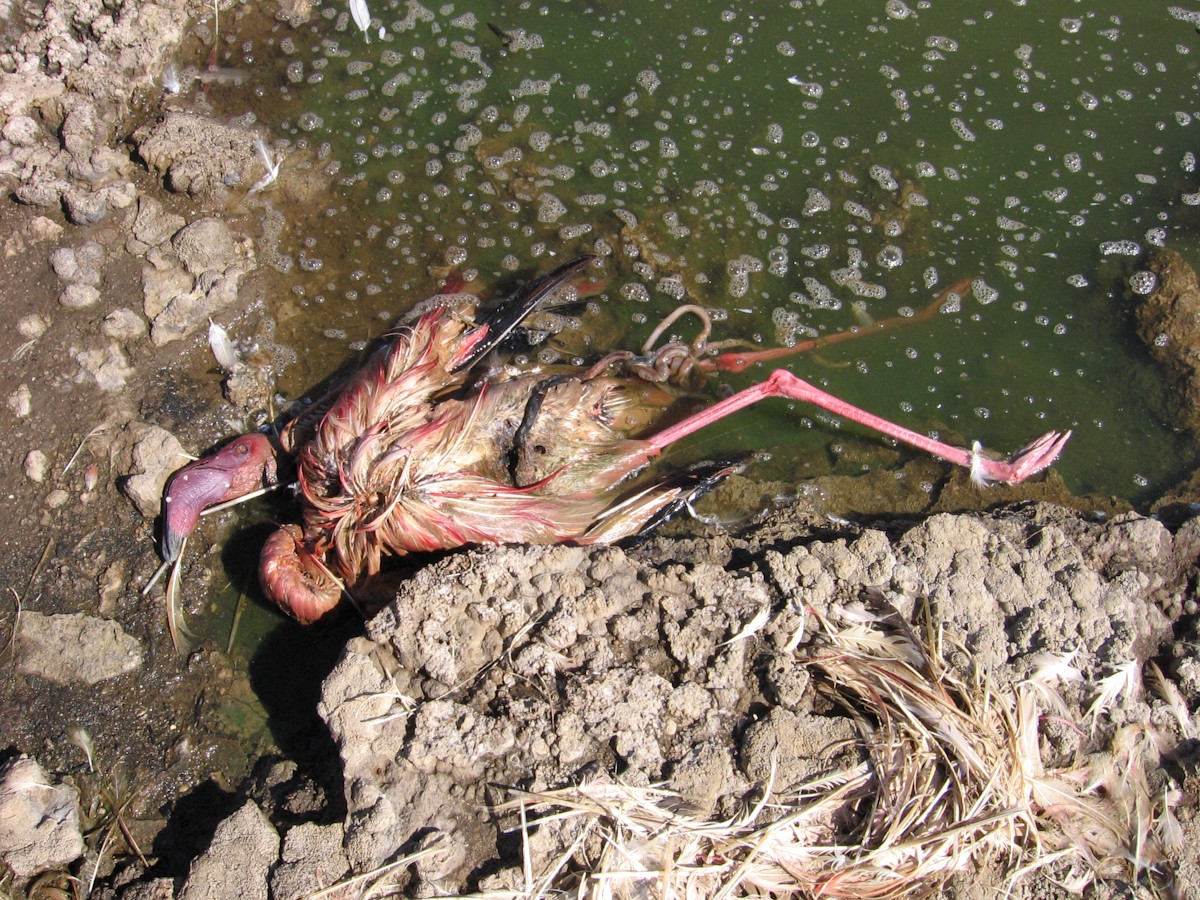
There was a carcass of a greater flamingo (Phoenicopterus roseus, heroe mkubwa) on the shore. I didn’t take any photos of living flamingos, because I didn’t realise they were a different species from the lesser flamingos at Lake Nakuru.
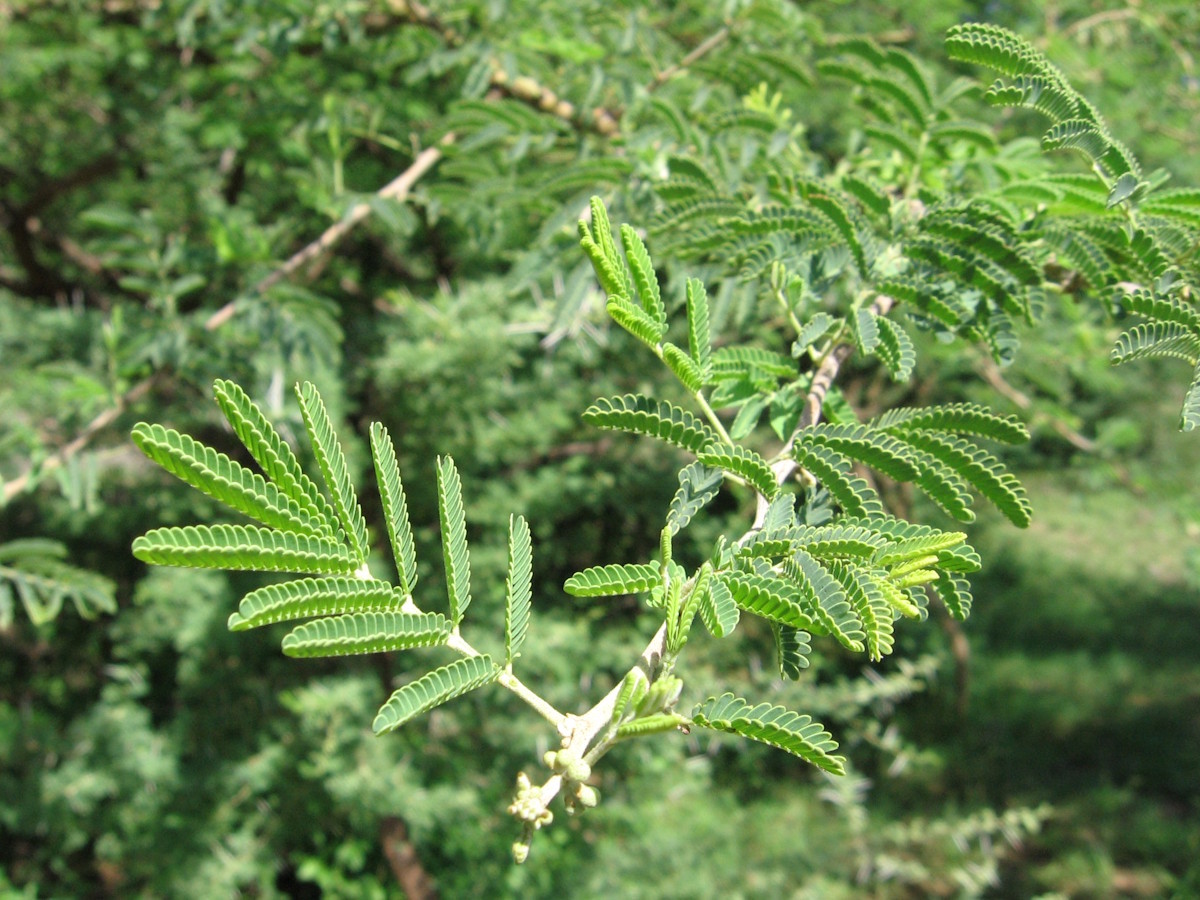
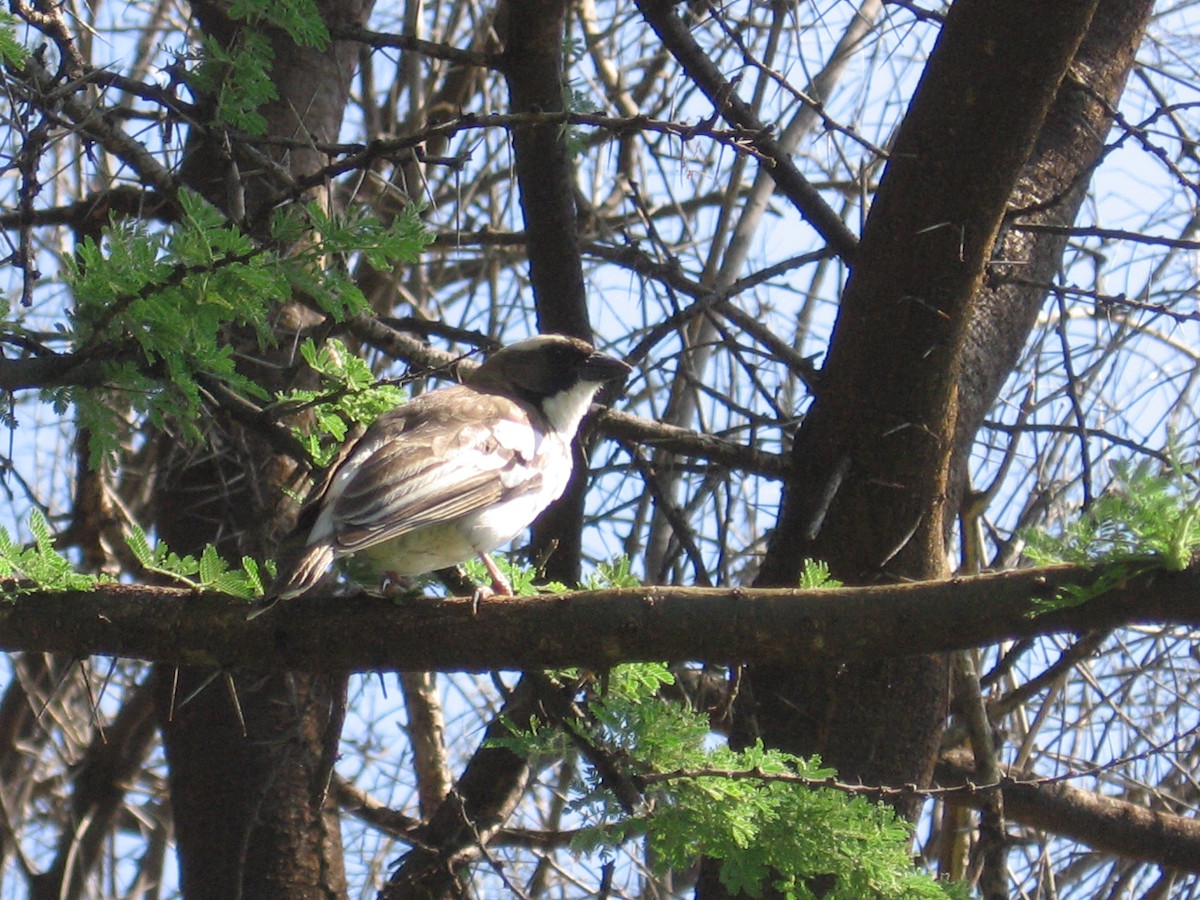
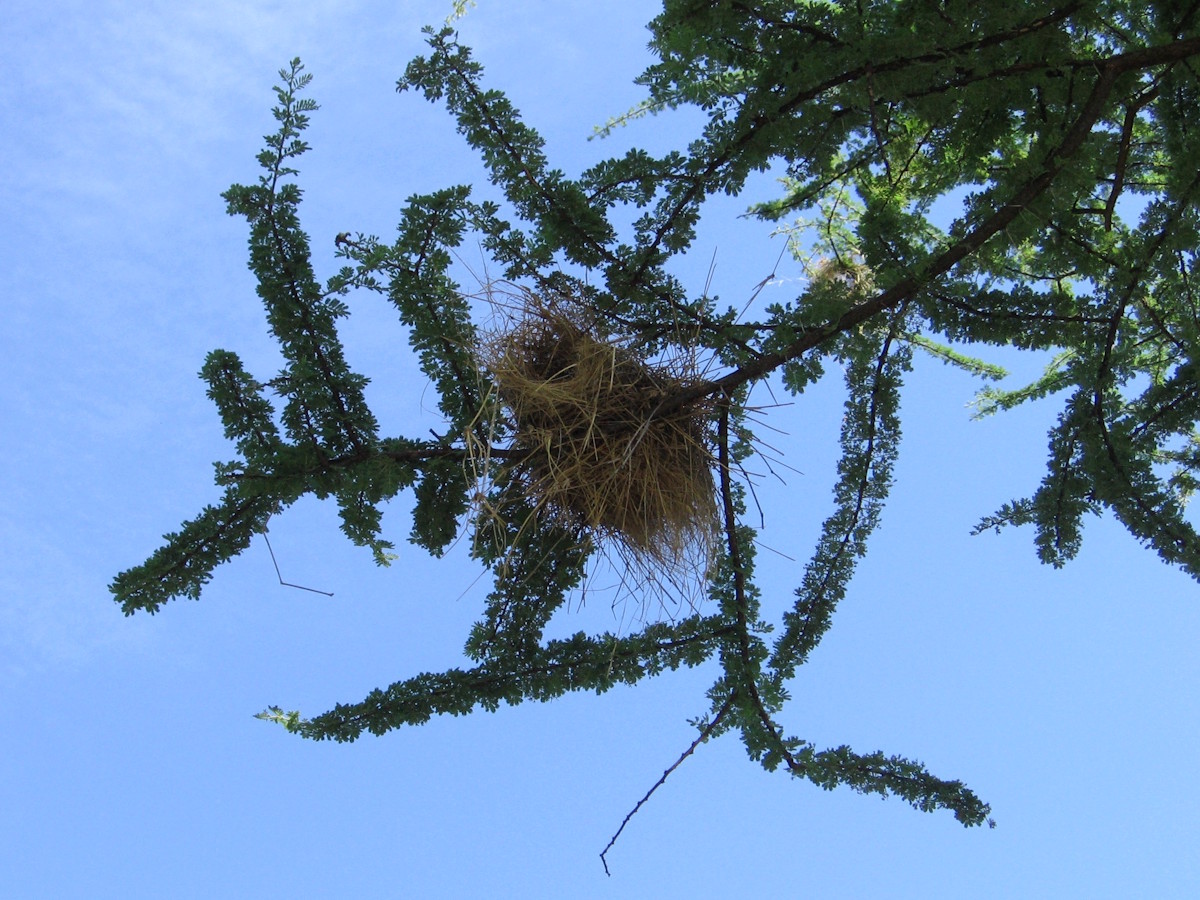
Acacia (Acacia sp., muwati), white-browed sparrow-weaver (Plocepasser mahali, korobindo nyusi-nyeupe) and its nest.
We continued to Nakuru using an old safari rally route. The second photo shows a sisal farm.
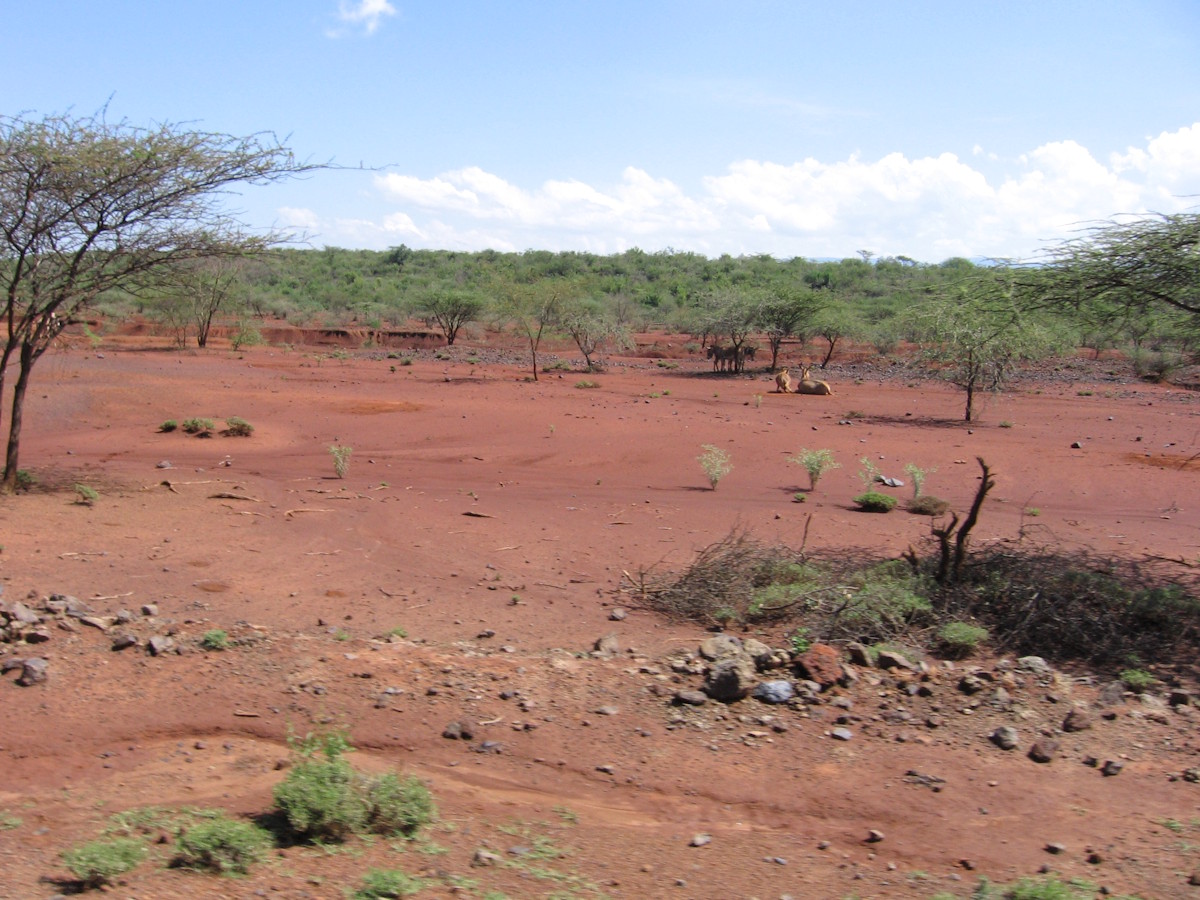
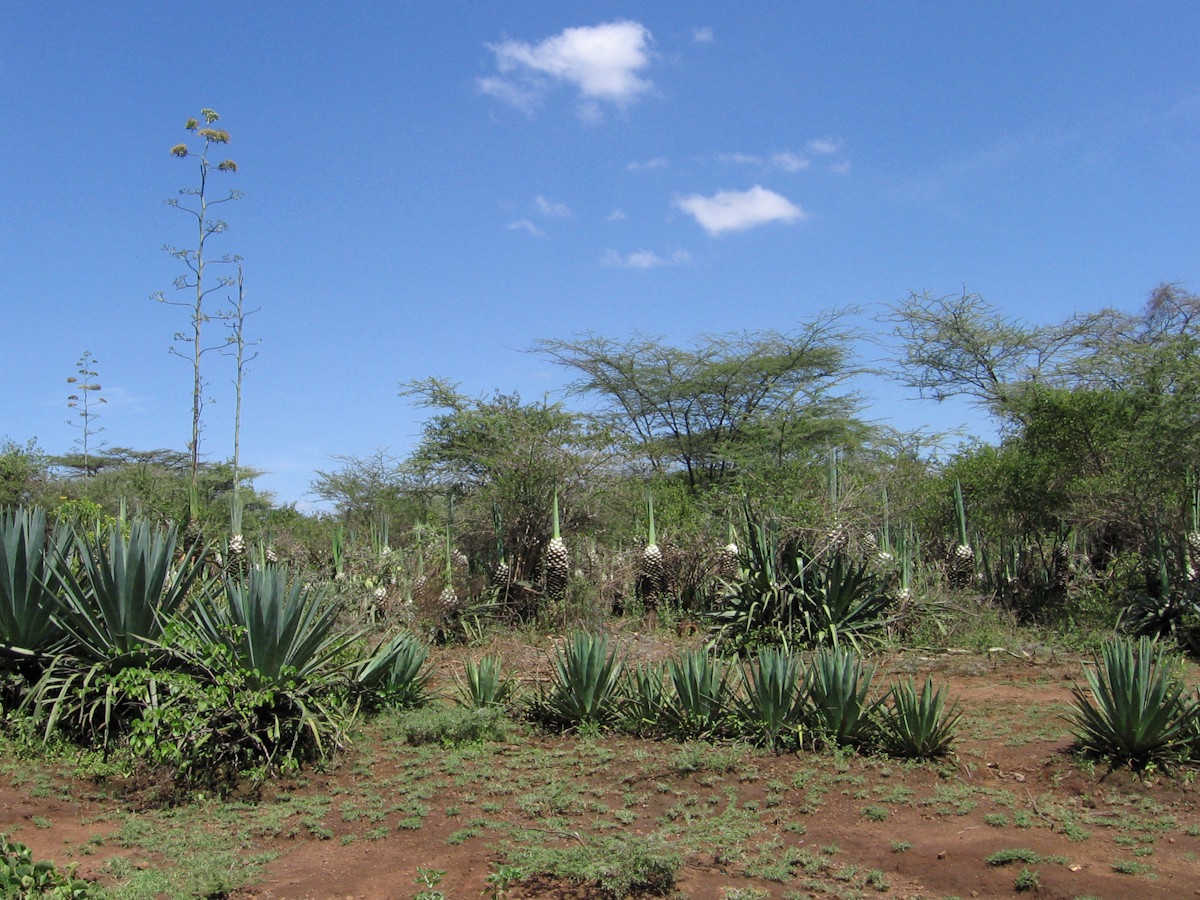
In Nakuru we went shopping. I bought at least shoes and a T-shirt with the text mzungu (white person).
We had dinner at the home of the councillor who was with us earlier. In addition to chicken and beef we had for example cassava, sweet potato and pumpkin.
Tue 28/10
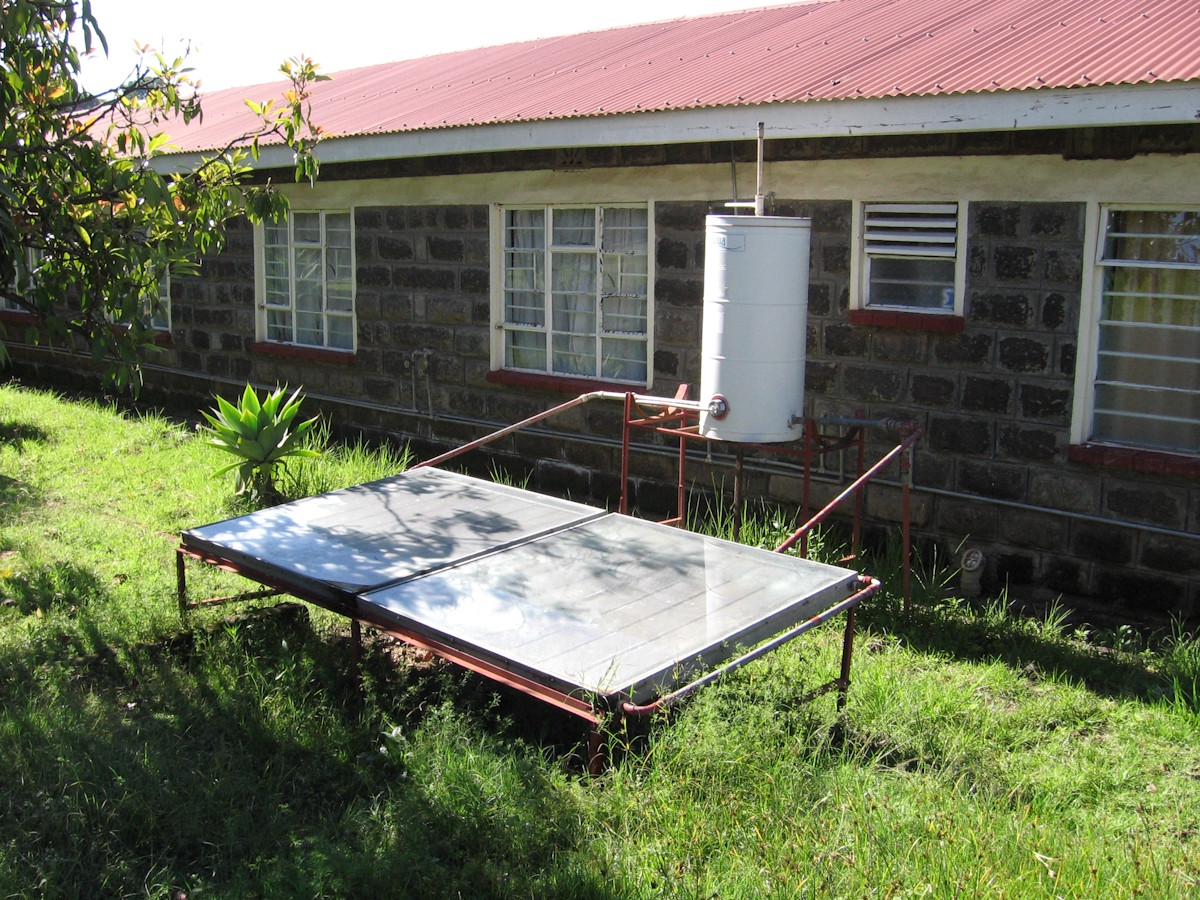
In Nakuru we spent the night in the same place as earlier. They heated water with a solar thermal collector.
There were again some delays and we left for Narok via Naivasha almost an hour and a half late.
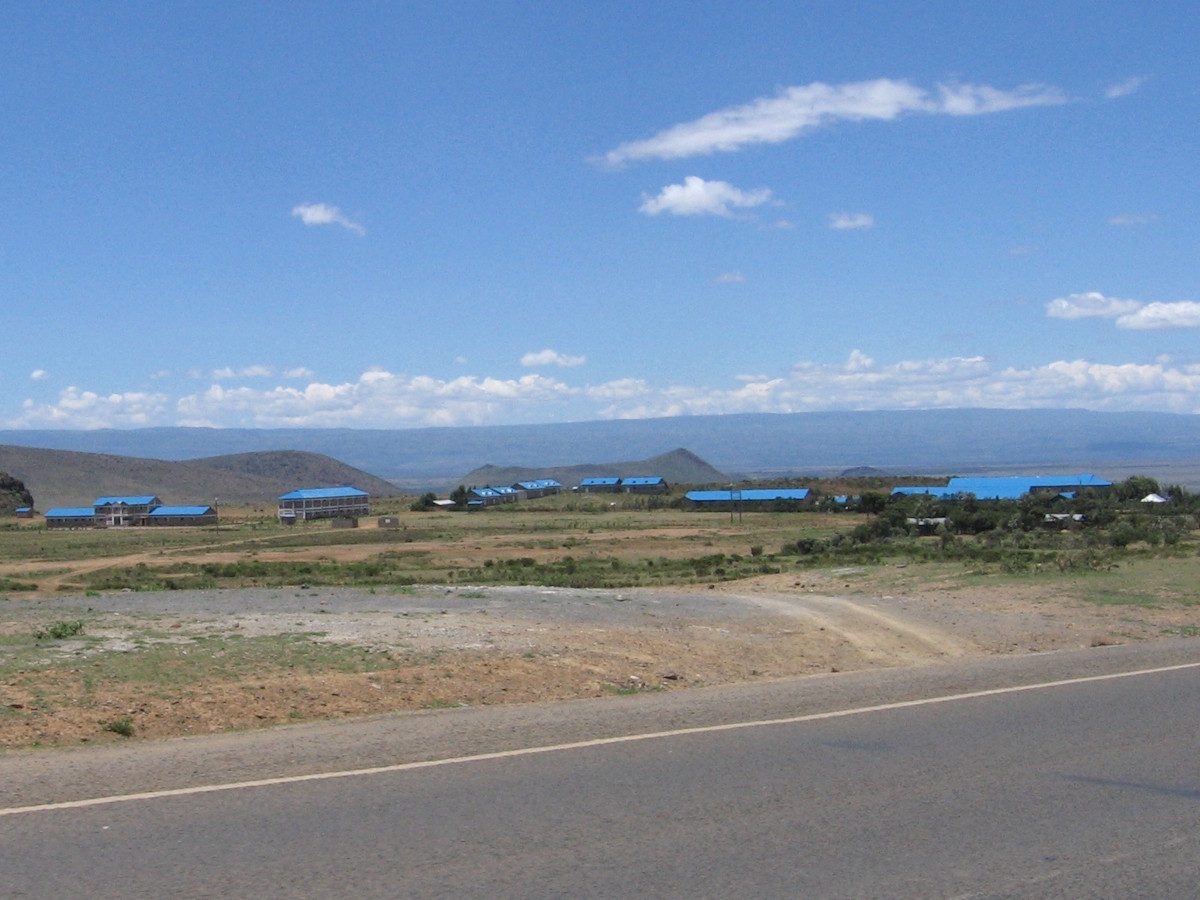
On the way from Nakuru to Naivasha there was a school with a blue roof. We saw blue roofs in several places. I liked them.
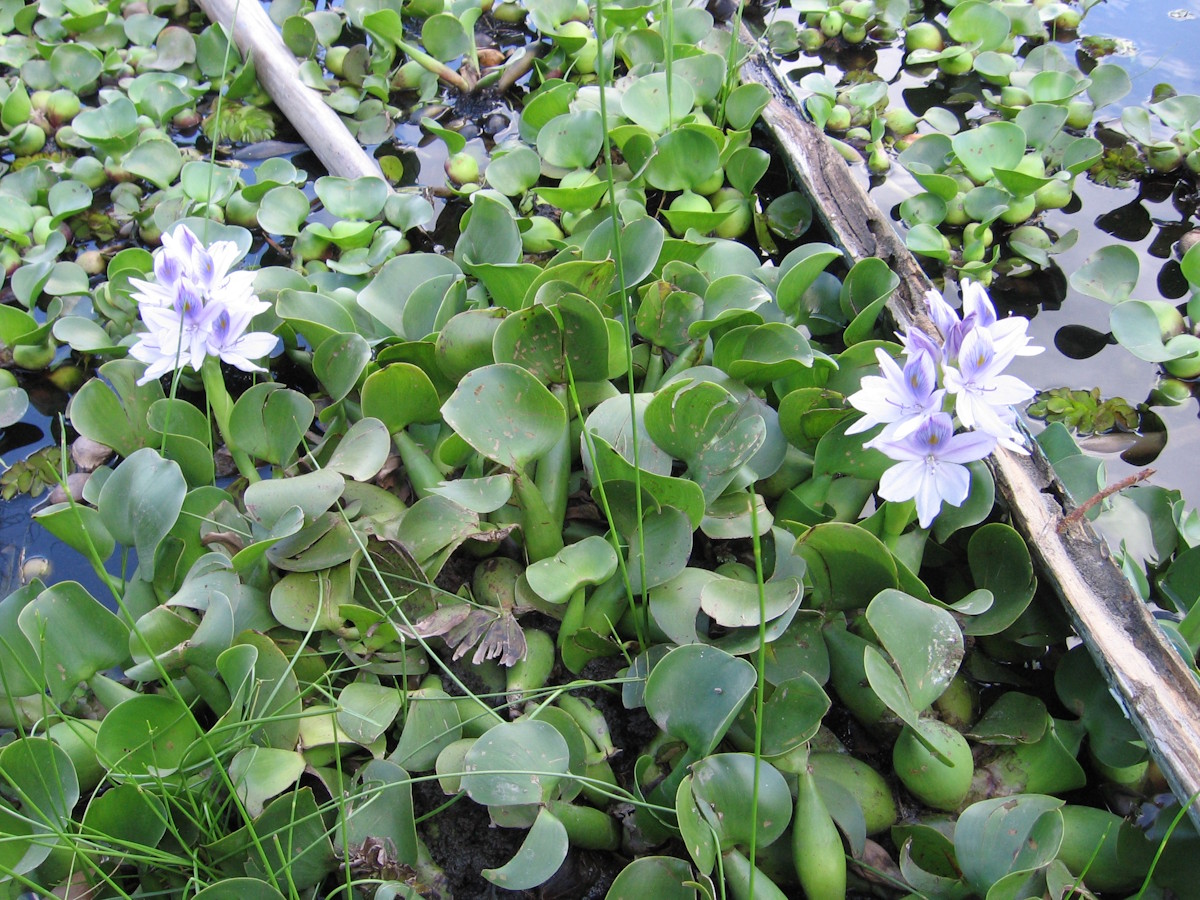
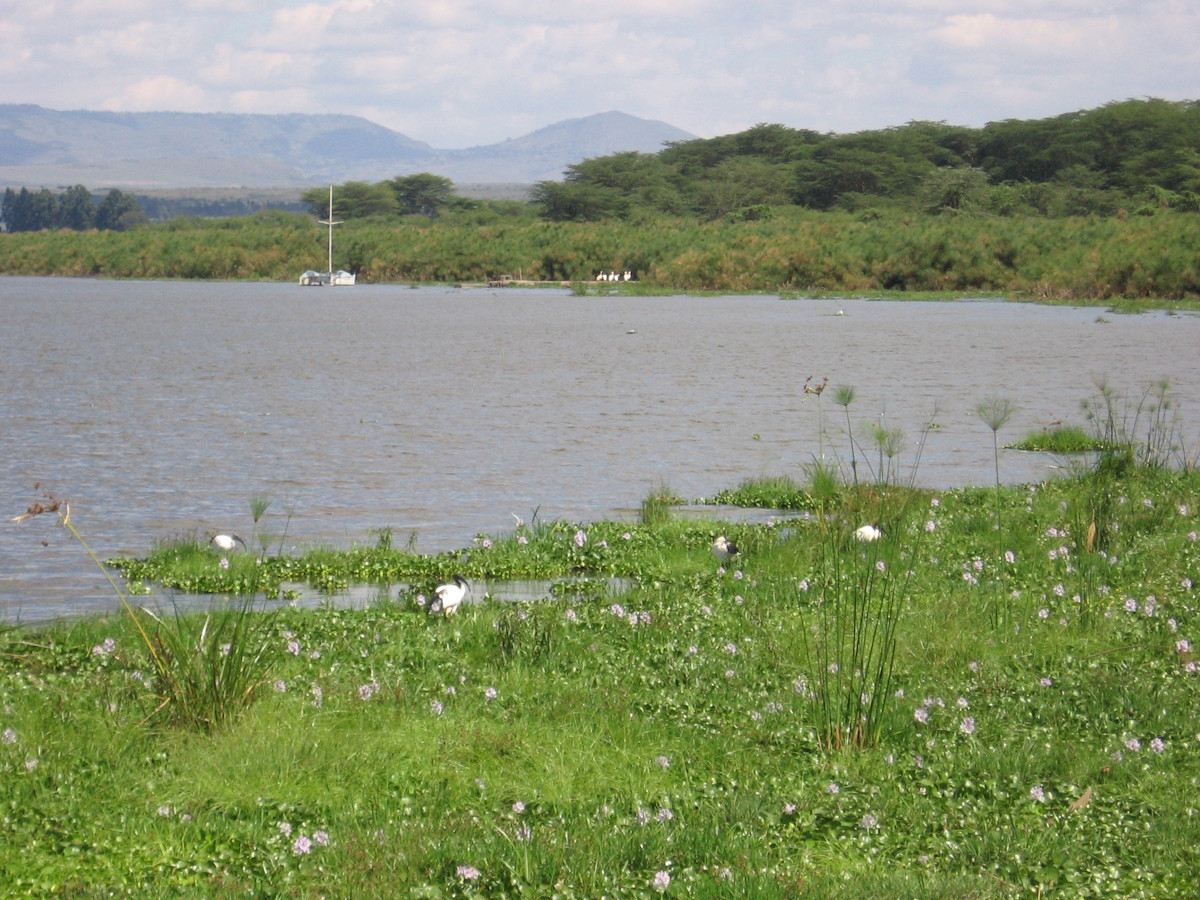
We stopped for lunch in Naivasha and to admire the views on the shore of Lake Naivasha at a lodging place. The invasive species common water hyacinth (Pontederia crassipes, gugumaji) grew in the lake. African sacred ibises (Threskiornis aethiopicus, kwarara shingo-nyeusi) walked on the plants.
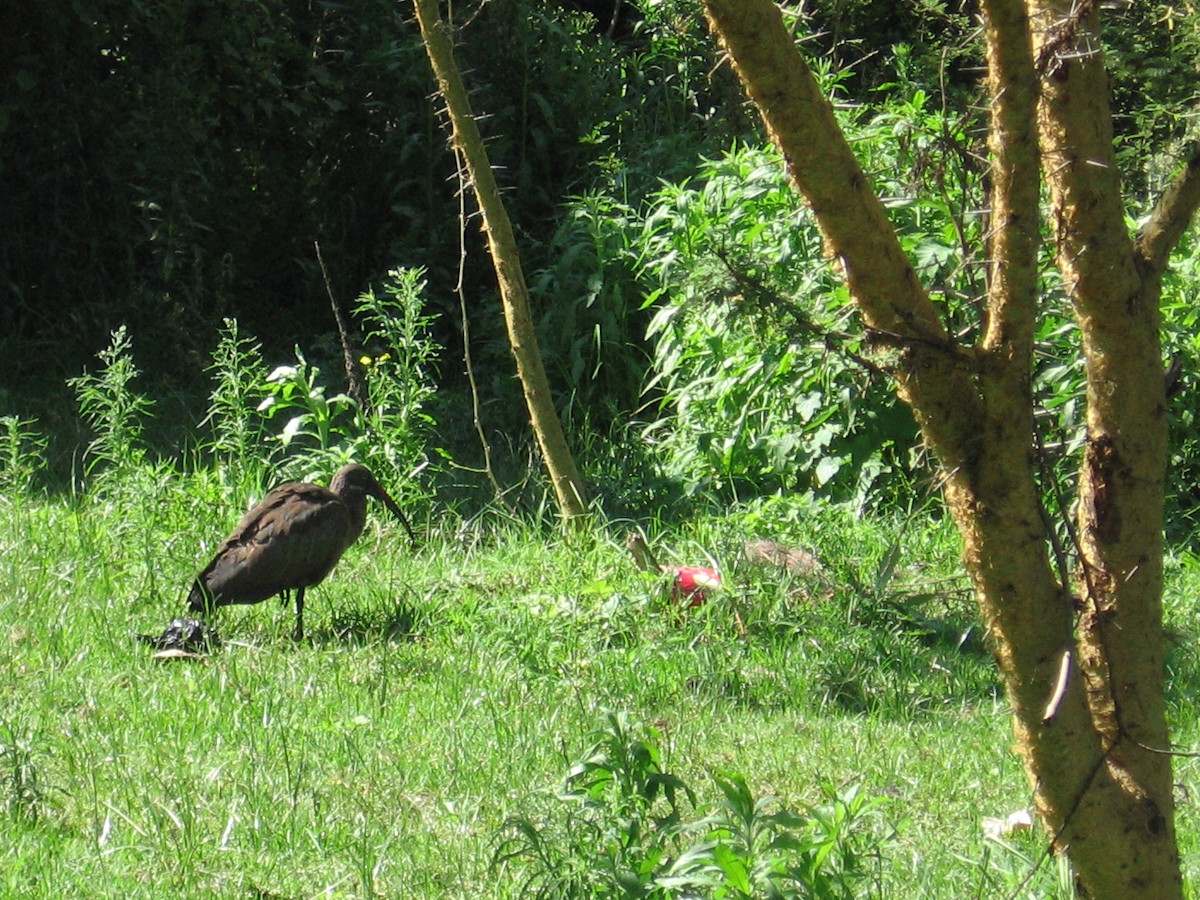
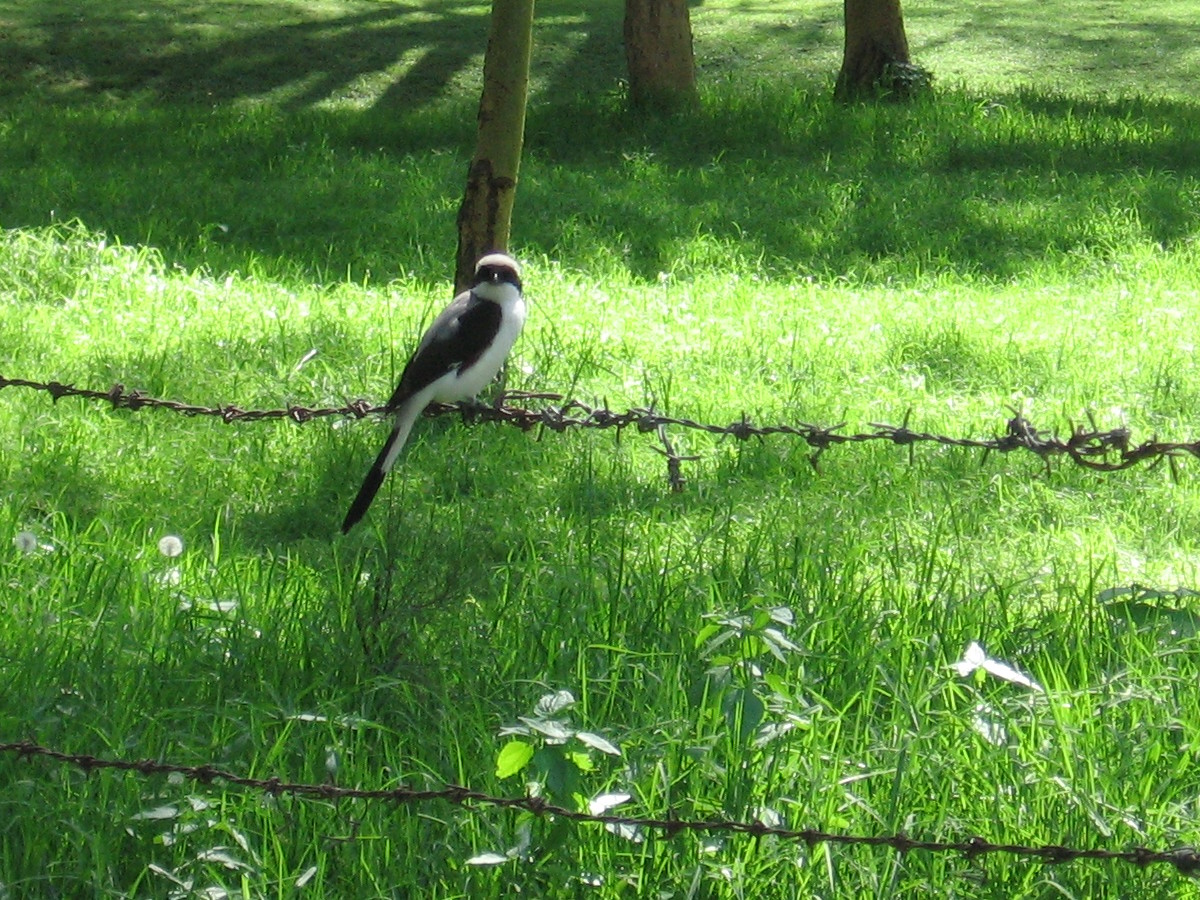
Hadada ibis (Bostrychia hagedash, kwarara hijani) and grey-backed fiscal (Lanius excubitoroides, mbwigu mgongo-kijivu).
Mantled guereza (Colobus guereza, mbega mweupe mashariki). The sign said not to play with the monkeys because they are wild.
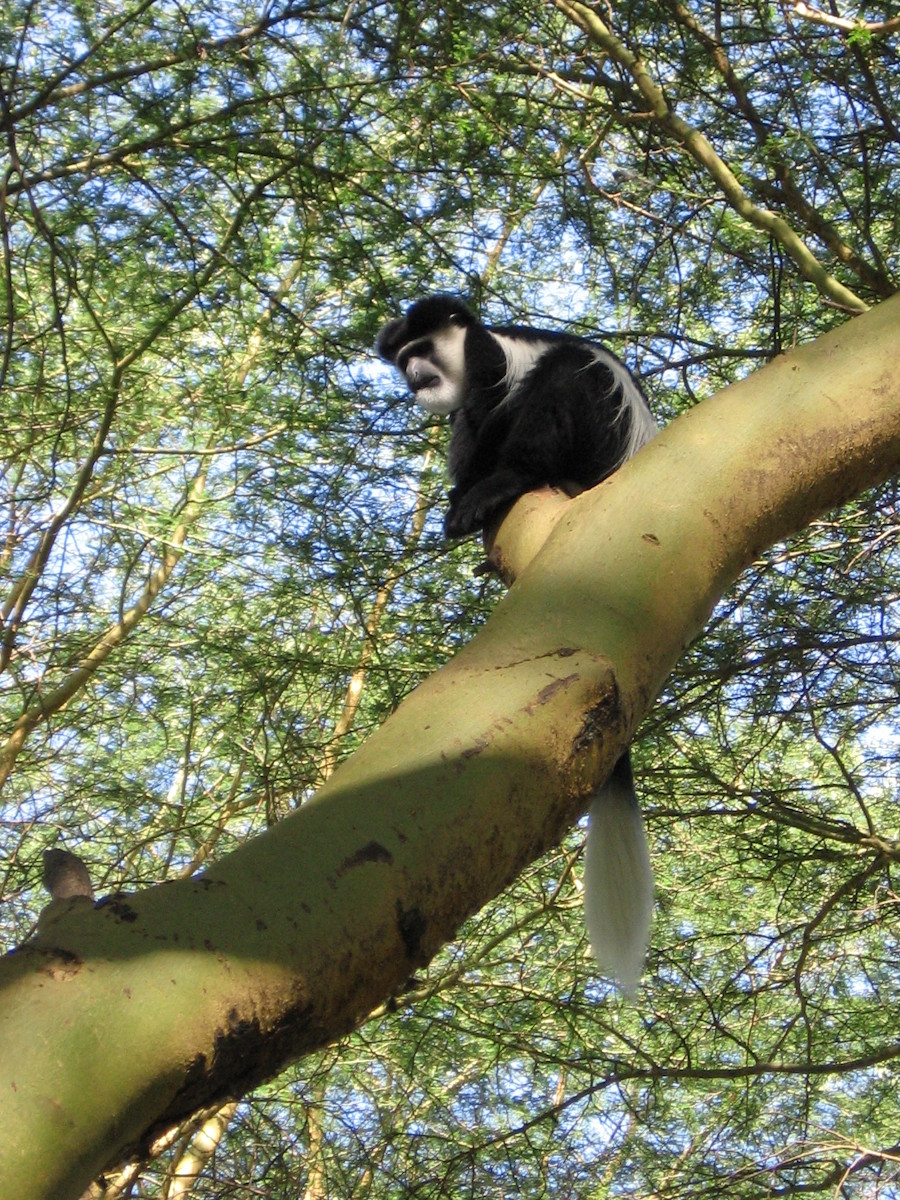
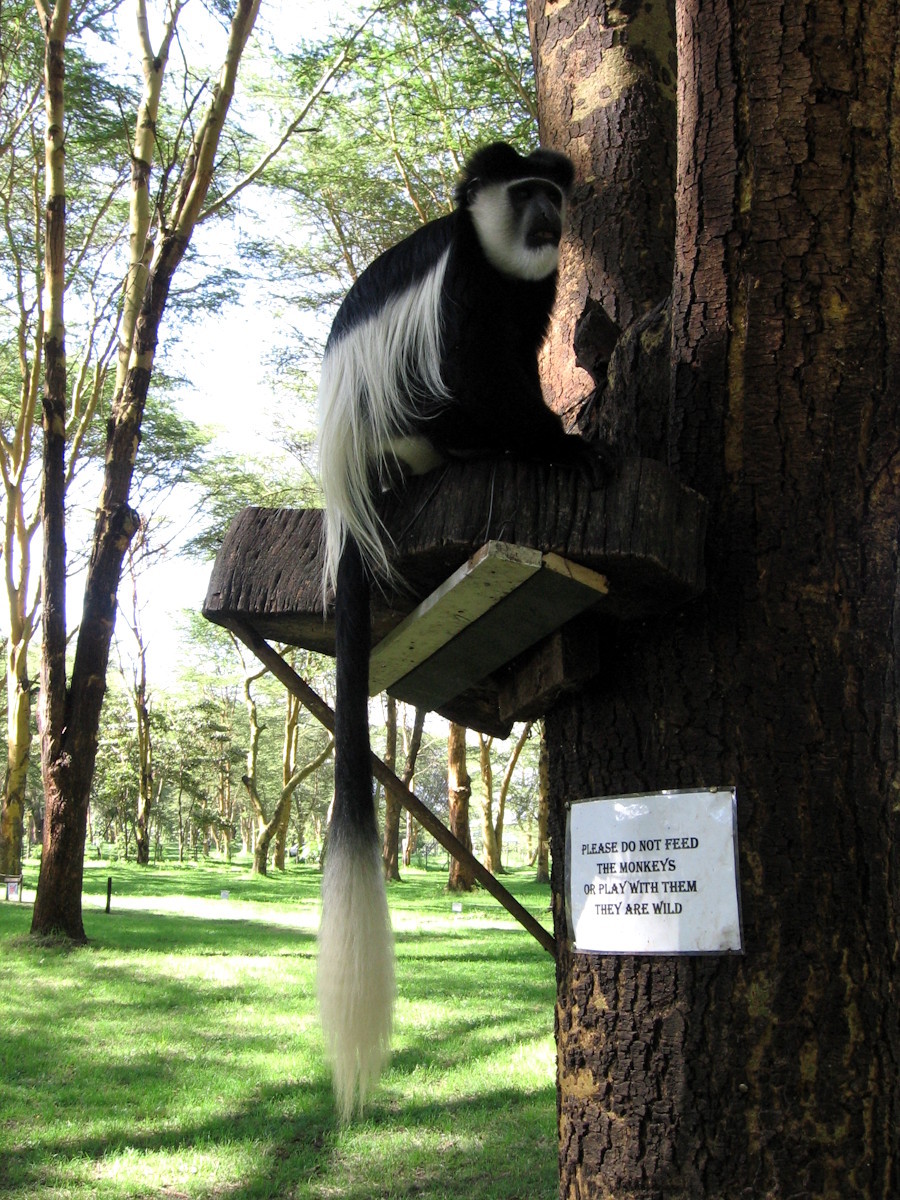
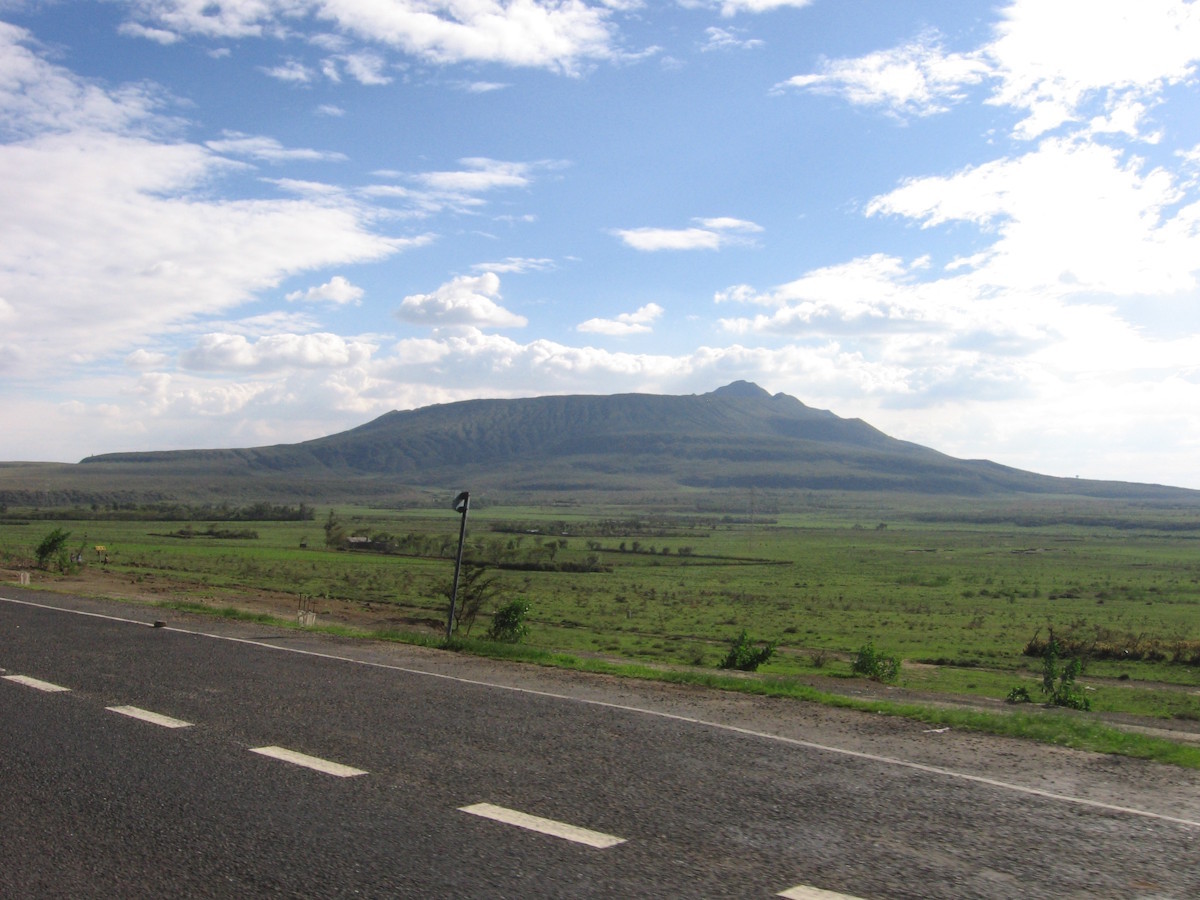
On the way to Narok we admired Mount Longonot, which is a dormant stratovolcano that last erupted in the 1860s. Its peak is 2,776 metres above sea level.
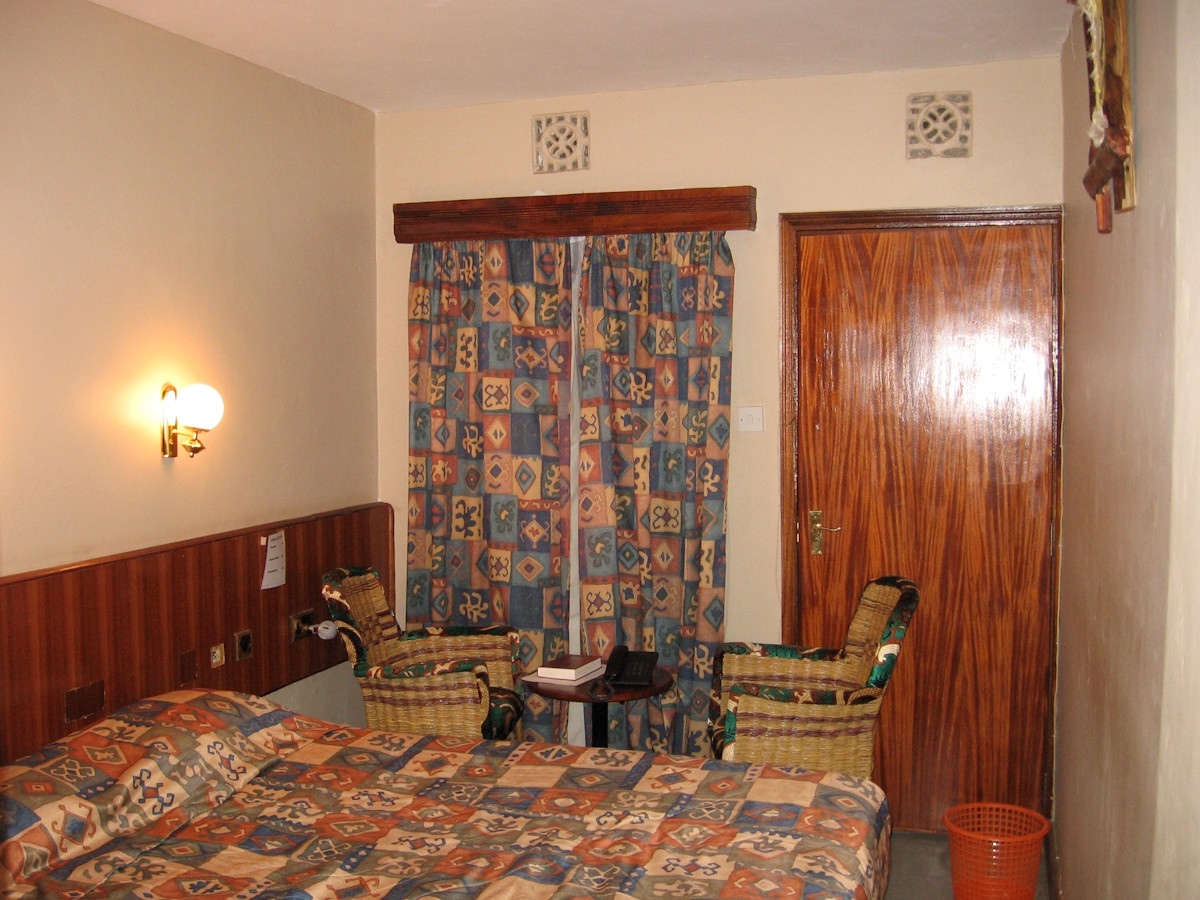
In Narok, the showers of the hotel had the warmest water on the trip. Our other lodgings had had fairly cool water.
Wed 29/10
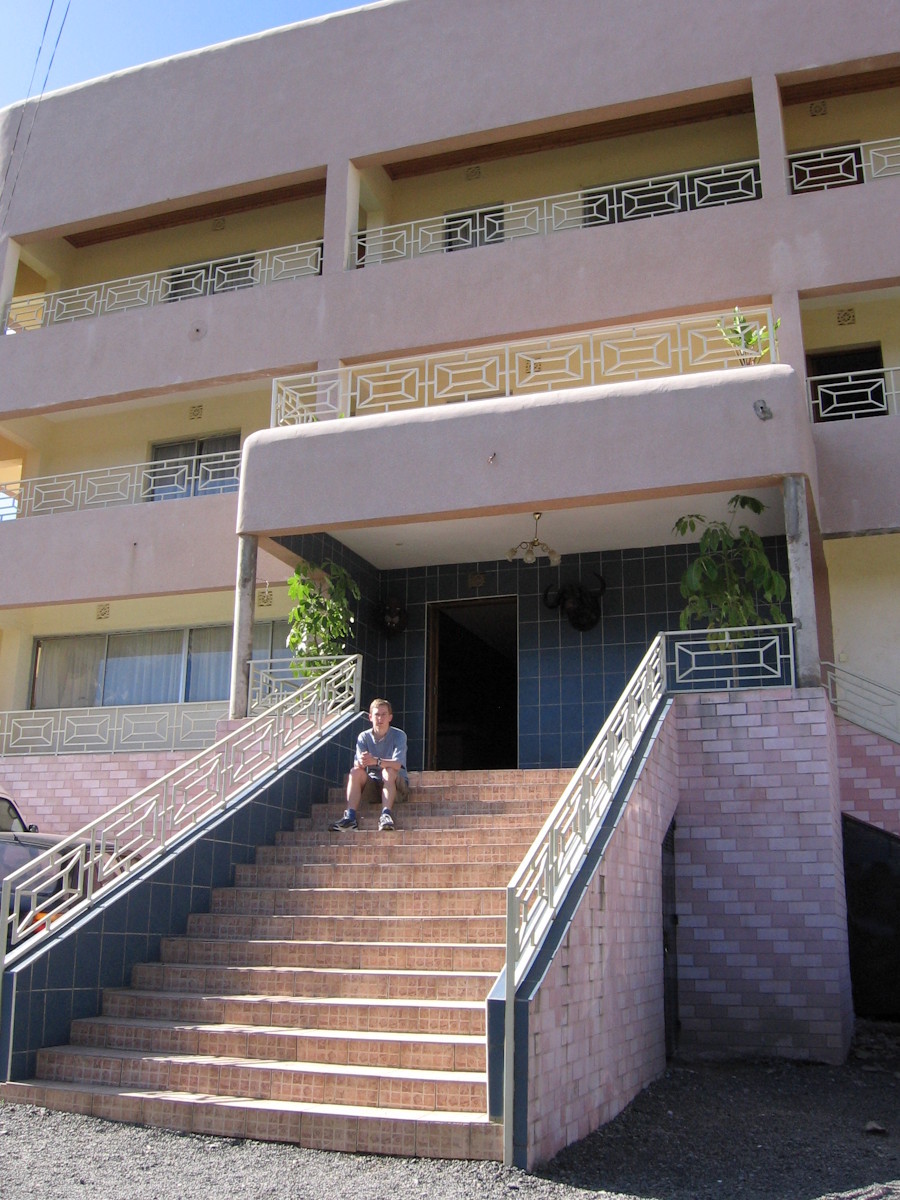
Me waiting at the hotel for us to leave. Before driving to Maasai Mara, we went to town to buy souvenirs. I think this was the place where I managed to have a conversation with the seller in Swahili. I answered his question about if we are students, and handled the whole buying in Swahili, including the bargaining.
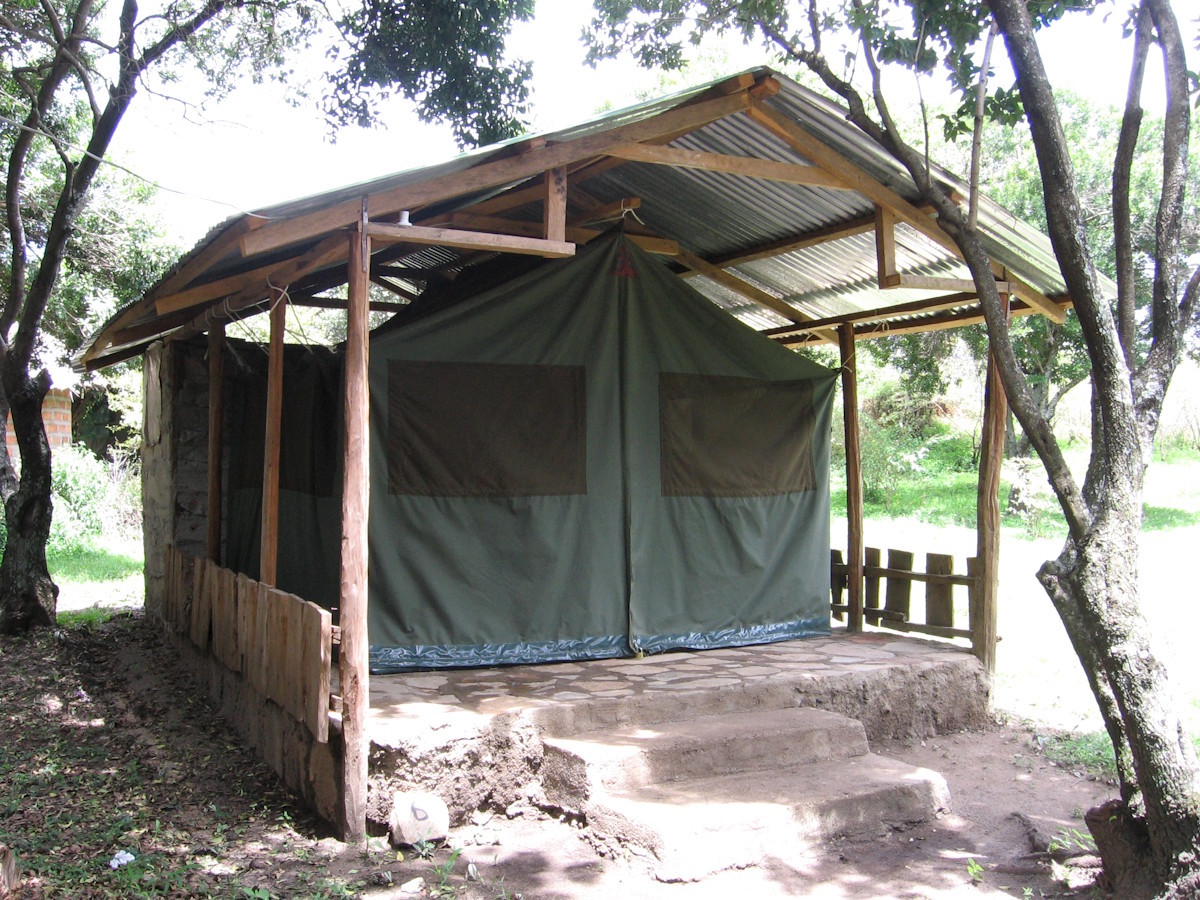
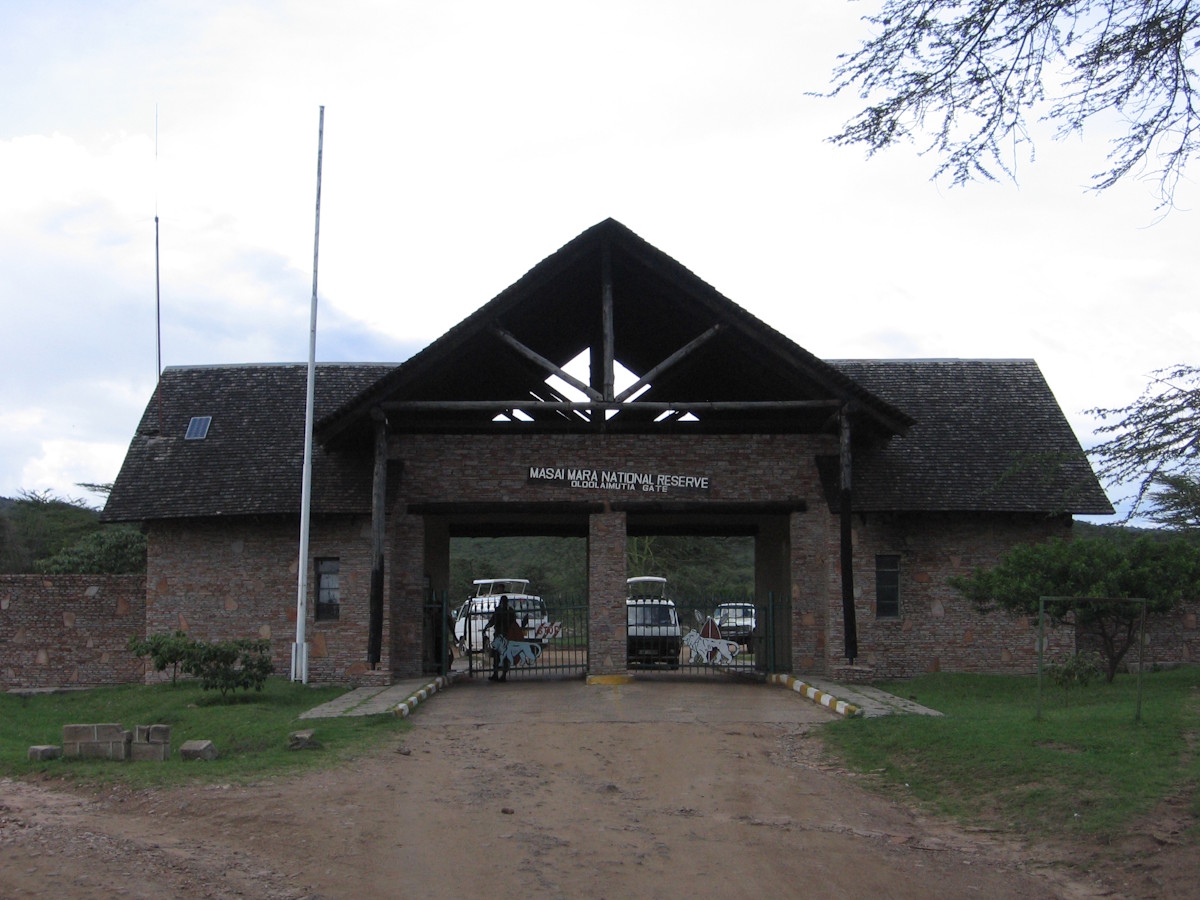
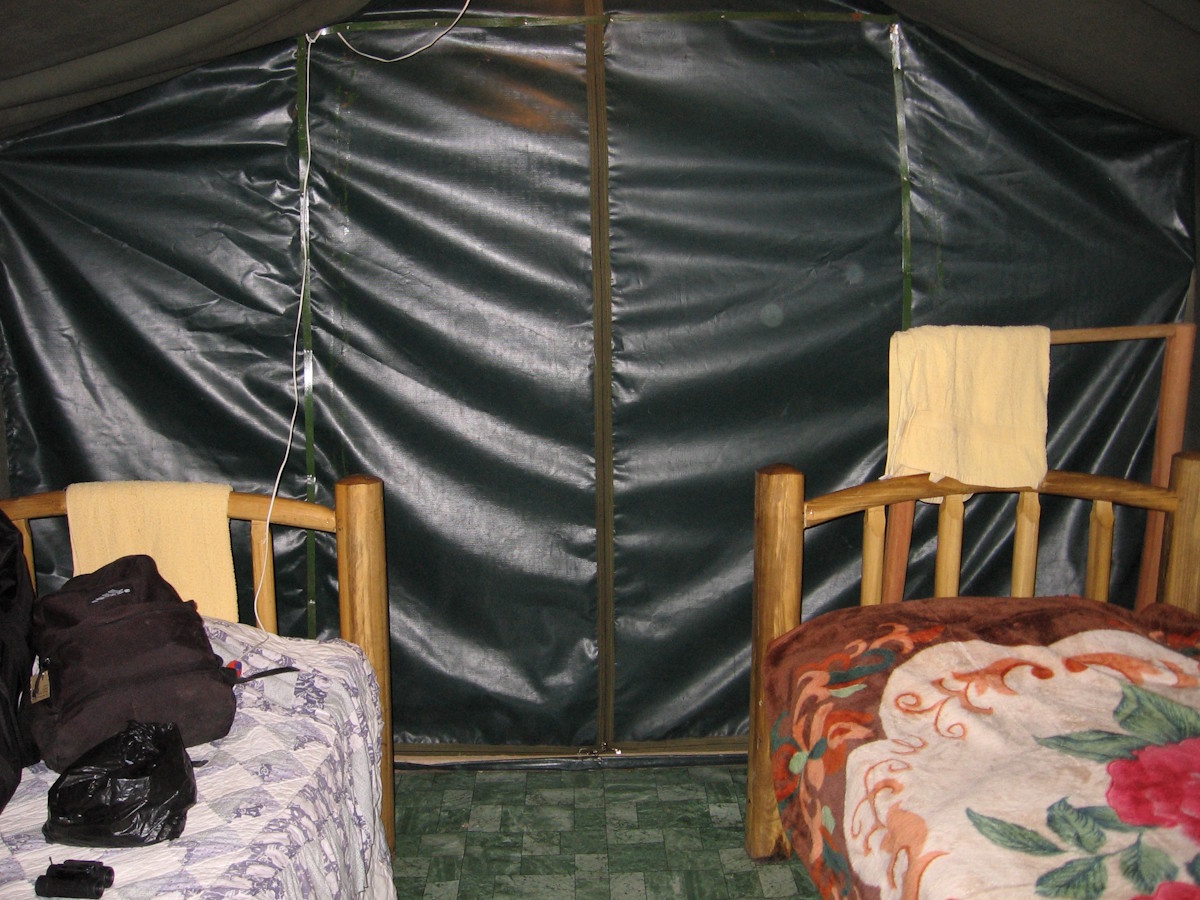
We arrived at the edge of Maasai Mara National Reserve shortly after noon and were given big tents that had rain shelters and locks. After having lunch we planned the cultivation guides and then went to the reserve for a couple of hours: we had to leave the reserve before dark.
Oloolaimutia Gate of Maasai Mara National Reserve.
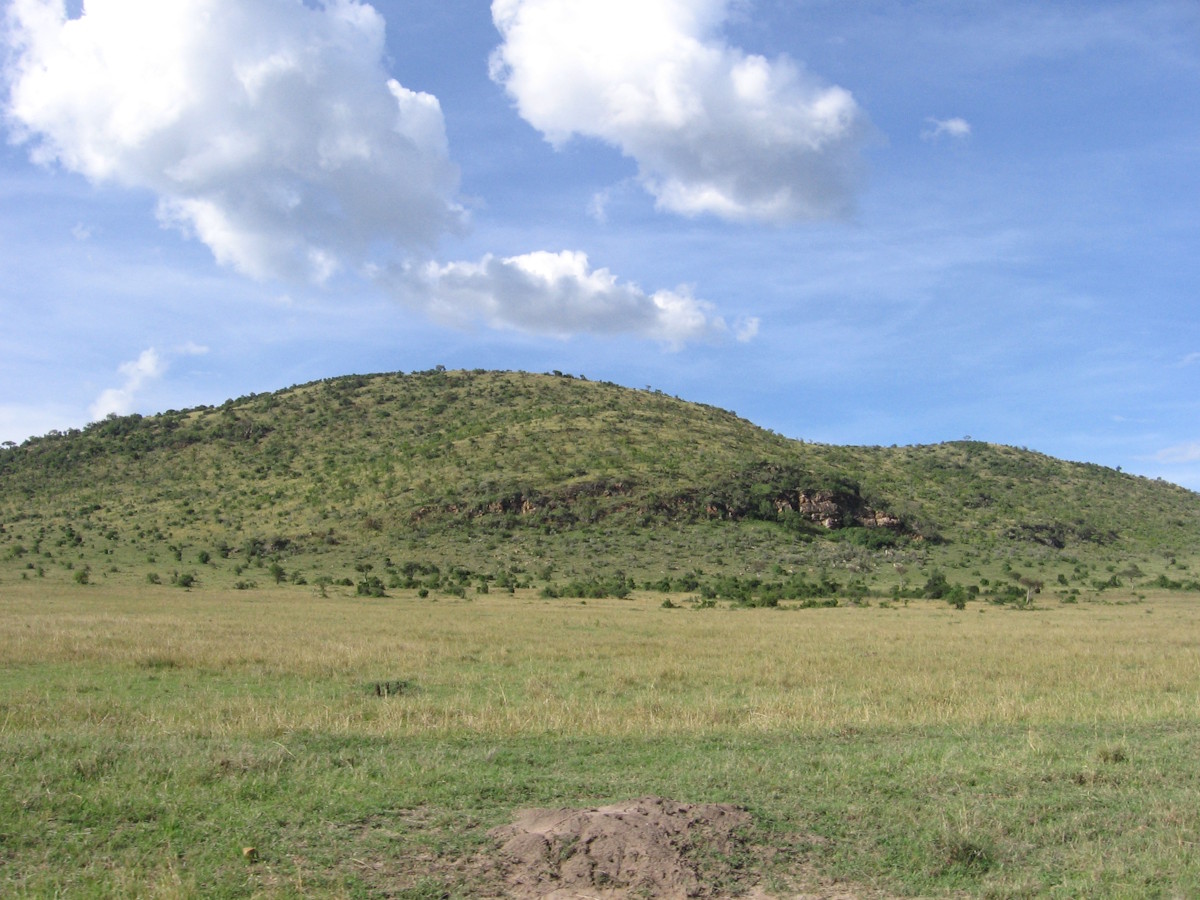
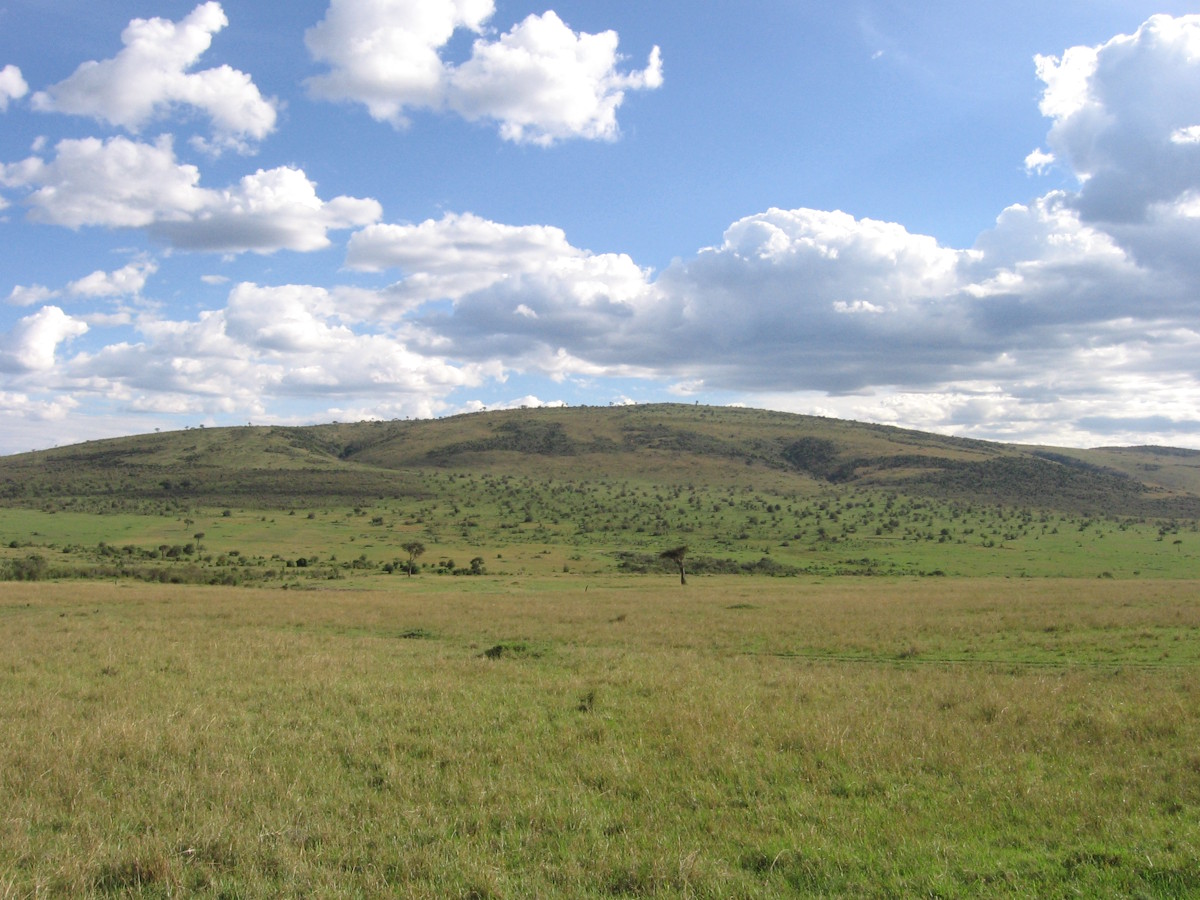
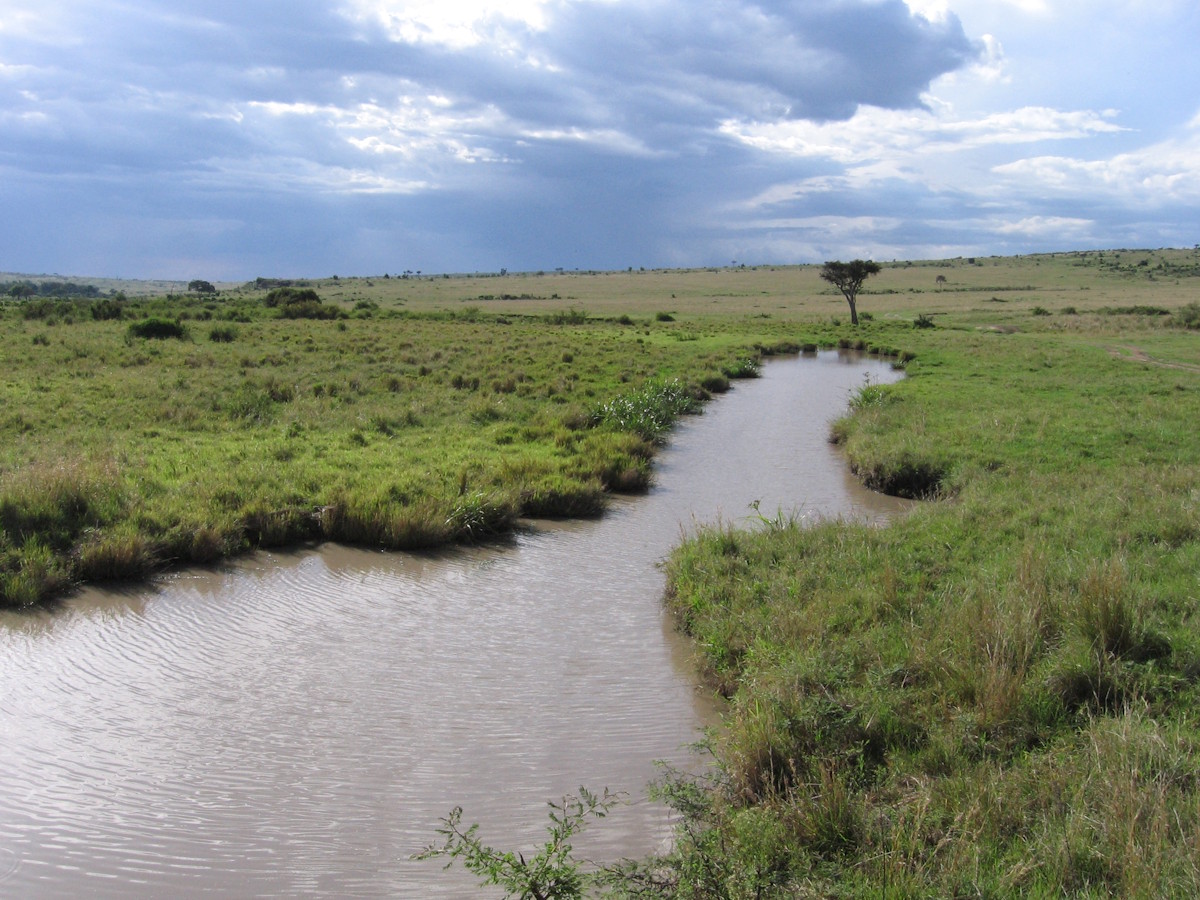
Savanna landscape.
At one point we saw that the spare wheel of another group’s safari van had fallen off, and their guide fetched it. Running.
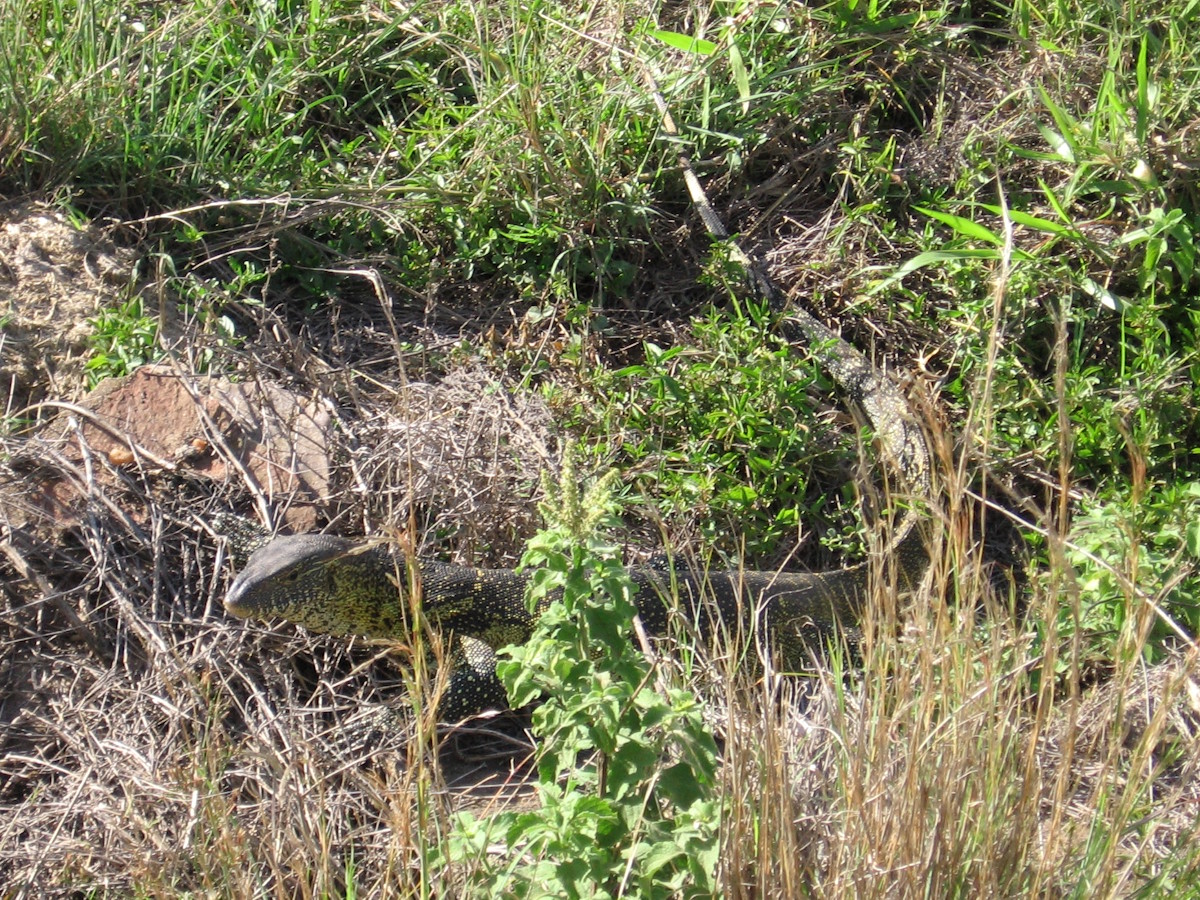
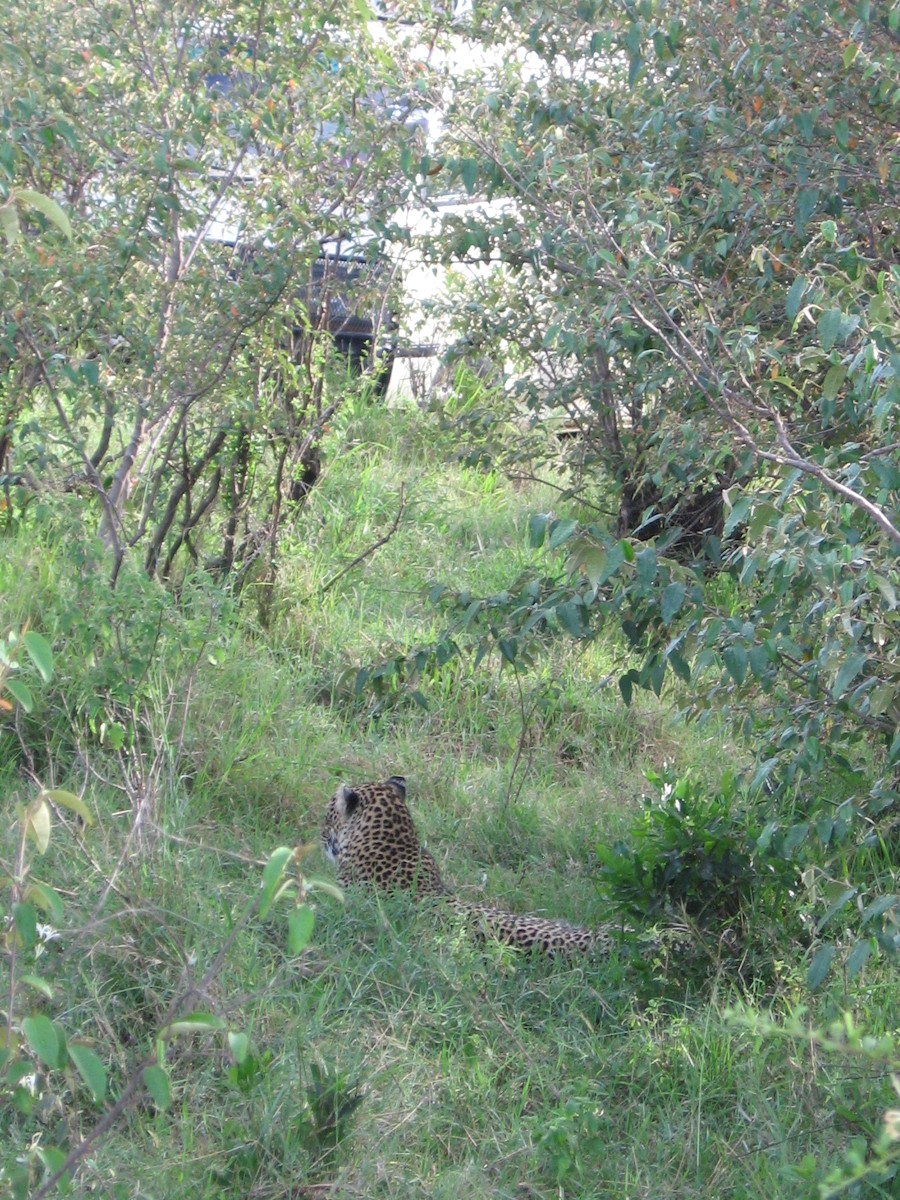
Nile monitor (Varanus niloticus, mburukenge) and leopard (Panthera pardus, chui). Tourist groups exchanged information about places where interesting animals had been sighted, and a flock of cars always gathered around those animals. This poor leopard tried to stay hidden in the bushes, and we inside the car had mixed feelings when at the same time we wanted to get a good look and felt sorry for the leopard.
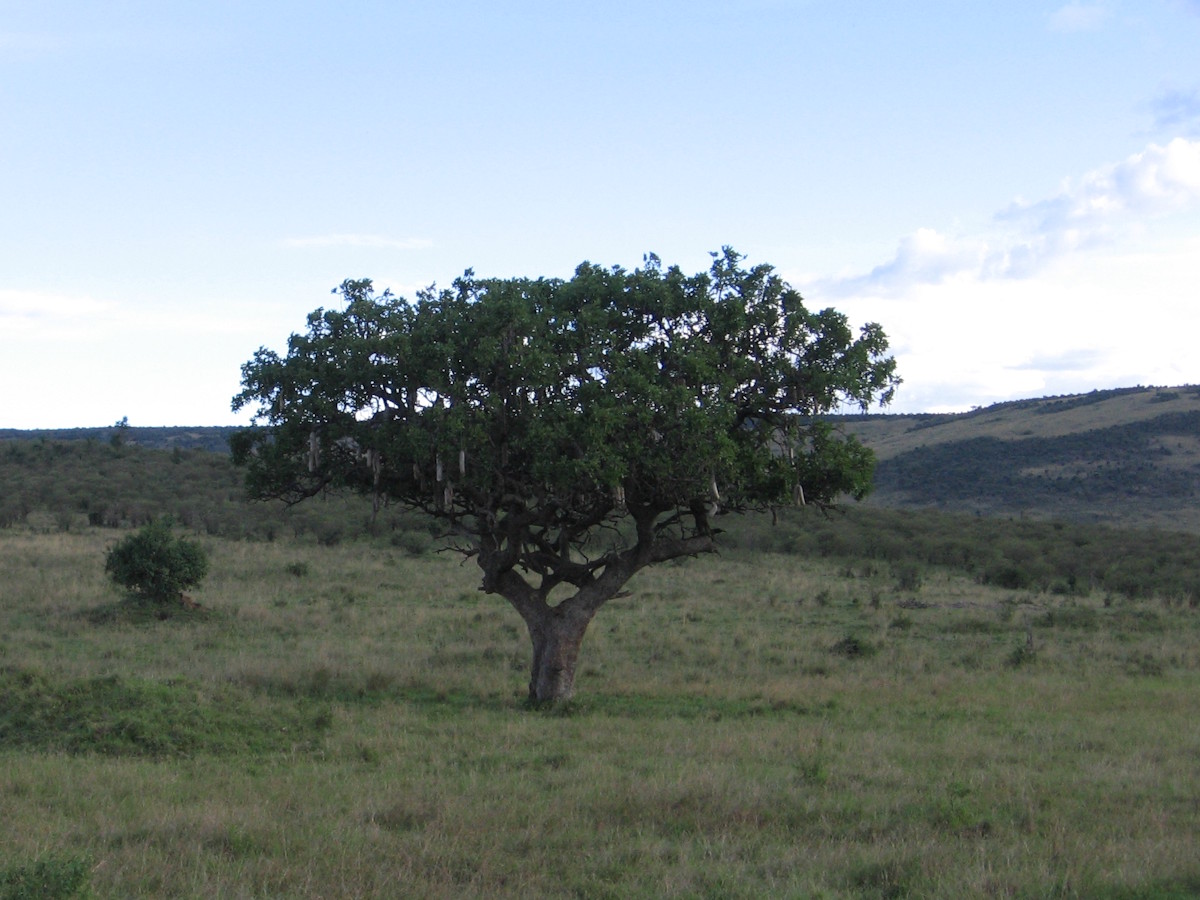
Sausage tree (Kigelia africana, mvungunya) has got its name from its sausage-shaped fruit that can just be seen in this dark photo.
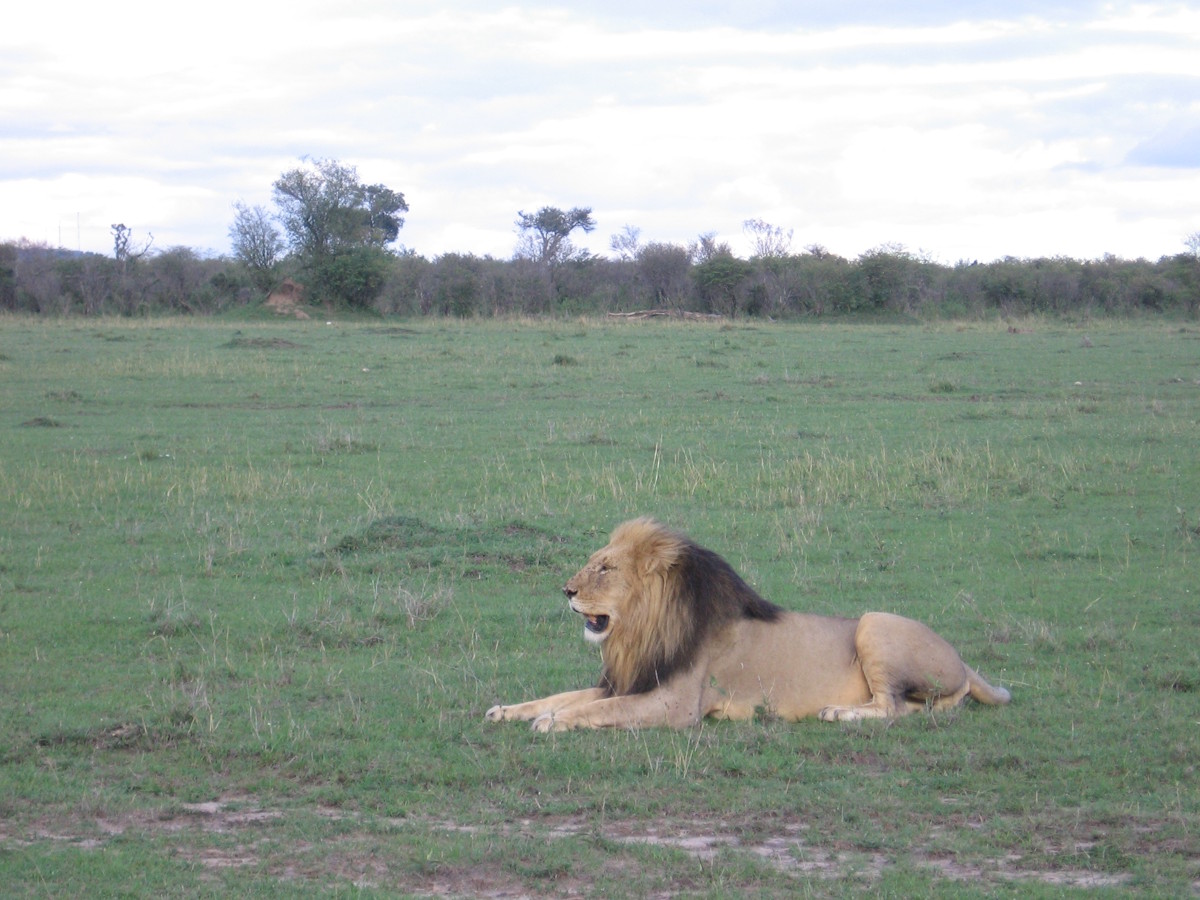
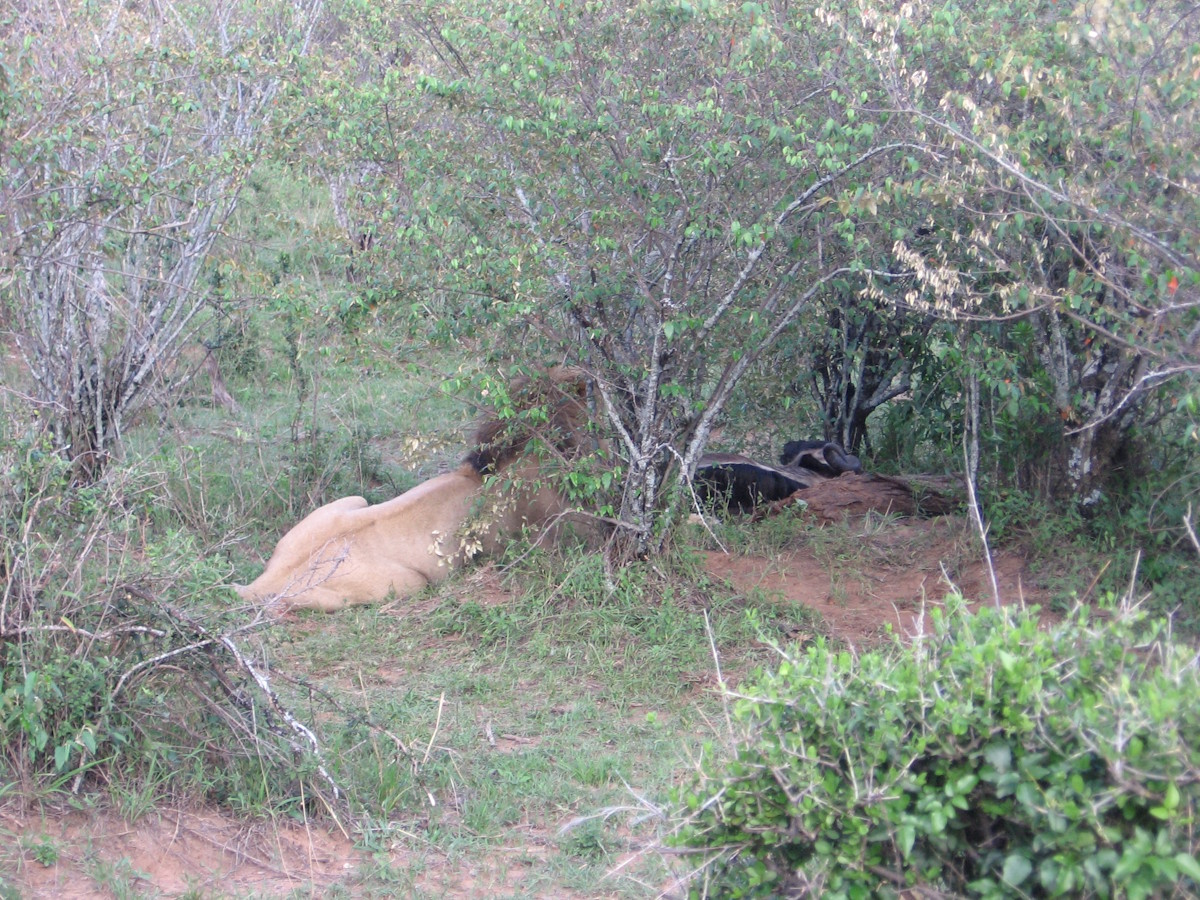
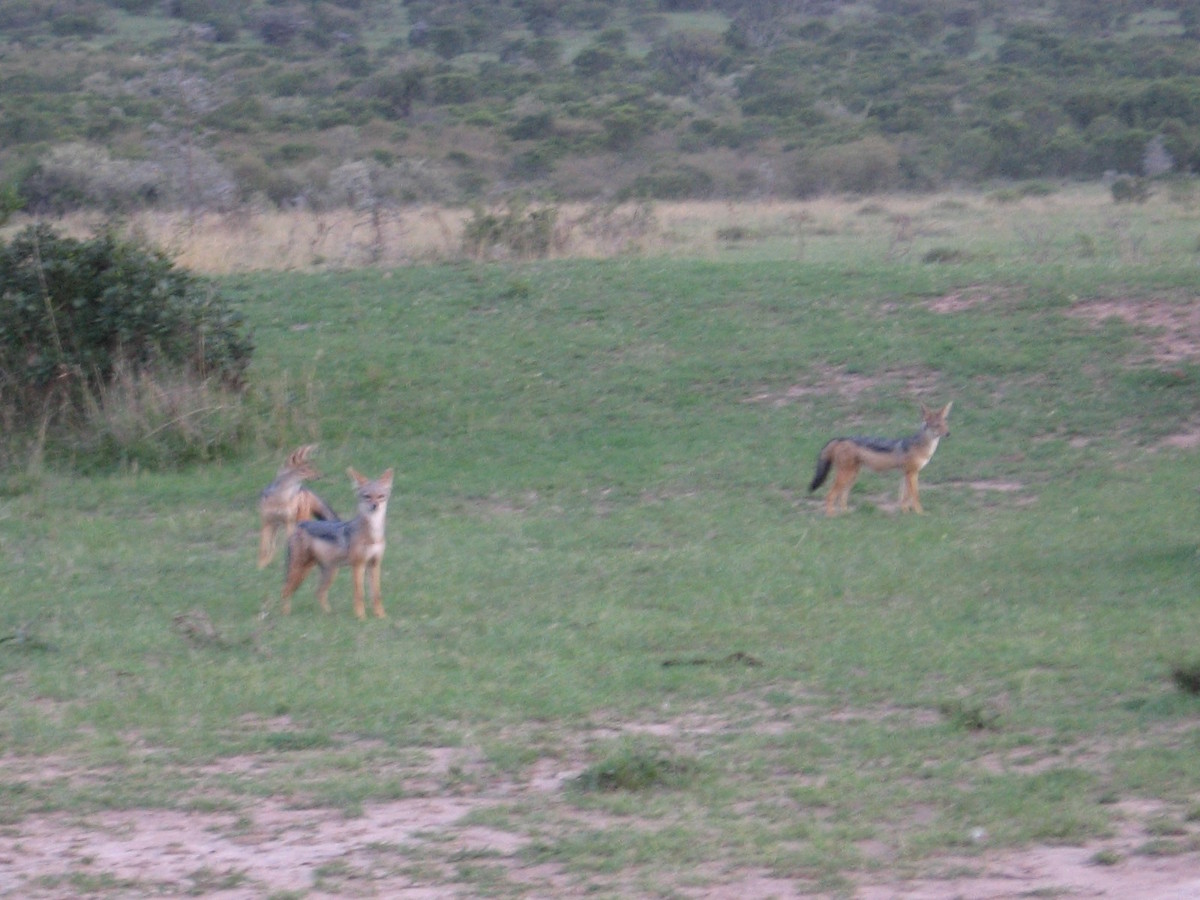
Lion (Panthera leo, simba), lion eating a wildebeest, and black-backed jackal (Lupulella mesomelas, bweha mgongo-mweusi).
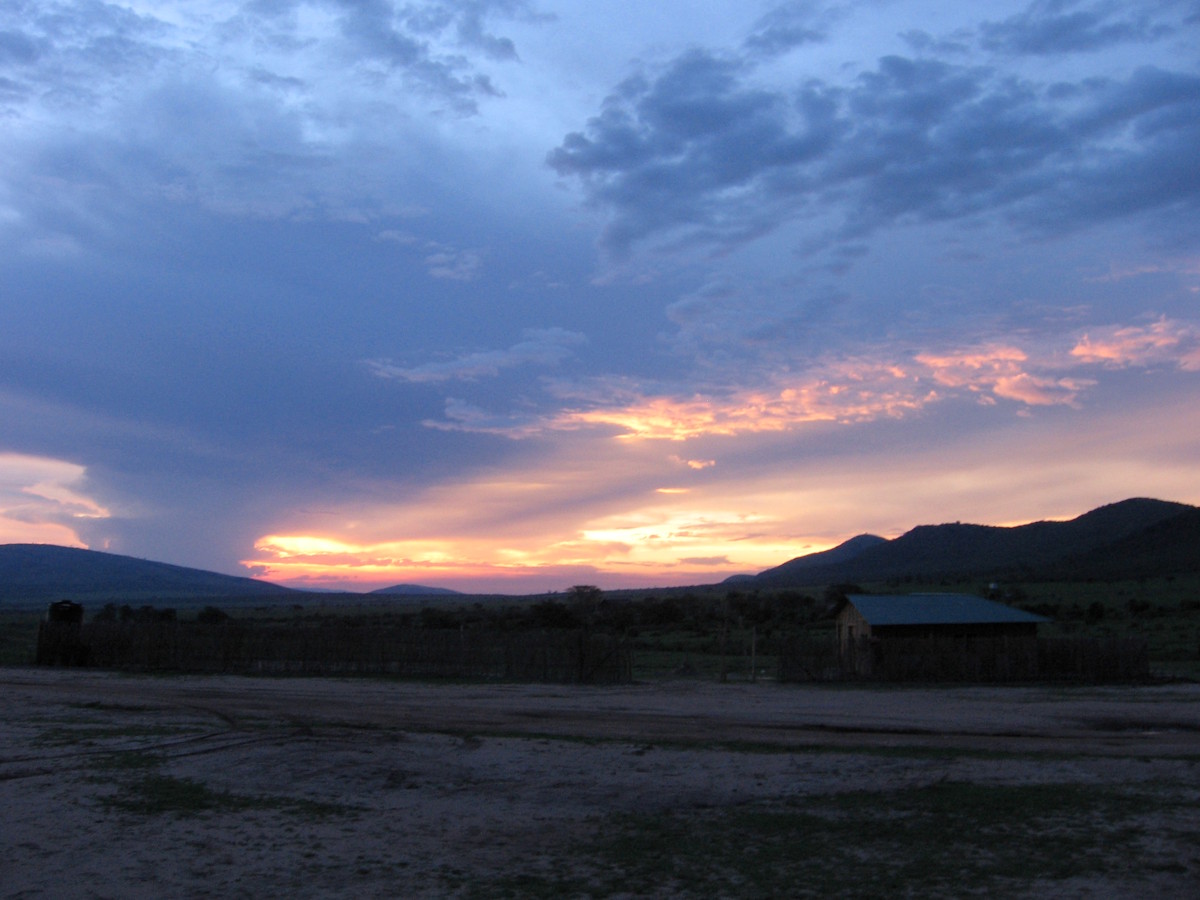
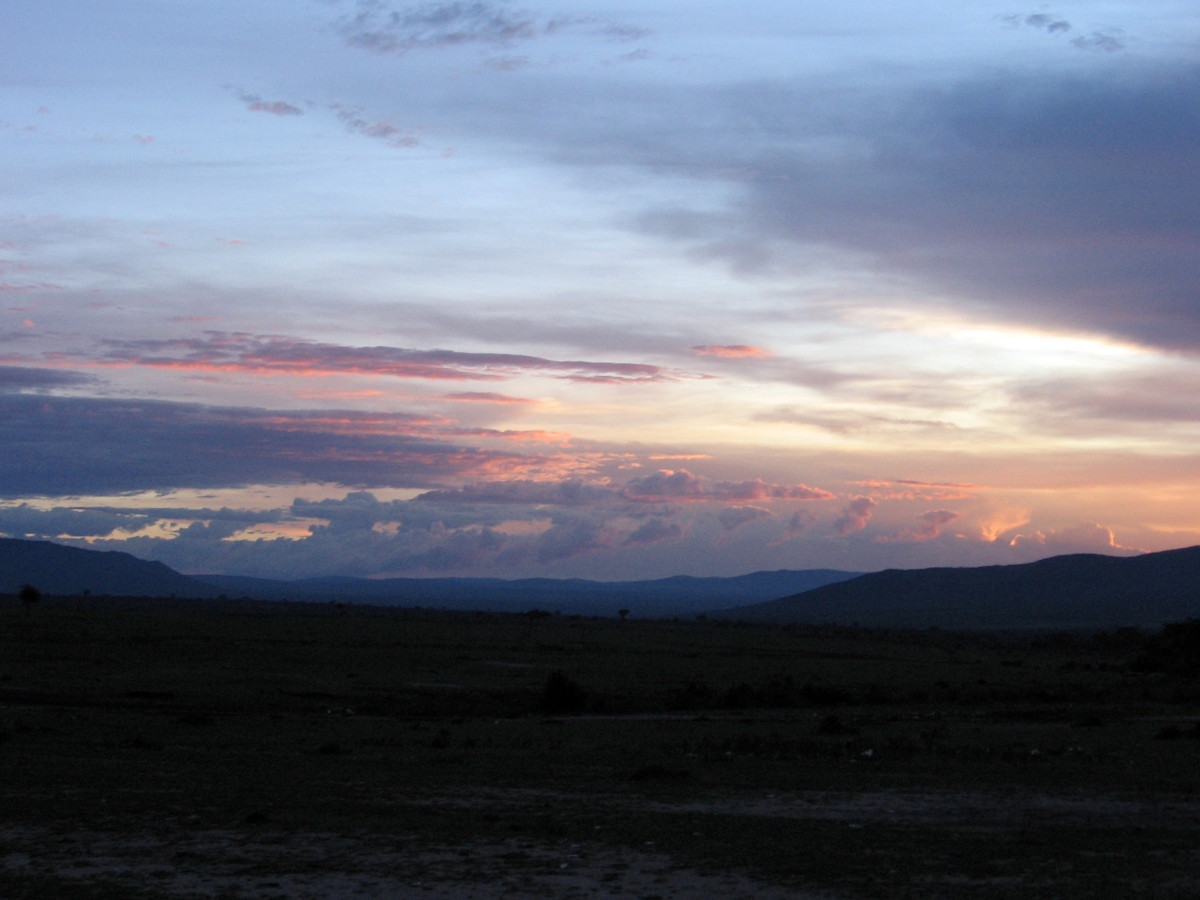
Sunset.
After dinner we celebrated the birthday of the FSK representative. We had cake, and the tour leader gave him a maasai outfit as a present. A maasai man helped him put it on.
By the campfire, we saw maasai dancing, and they made us dance as well.
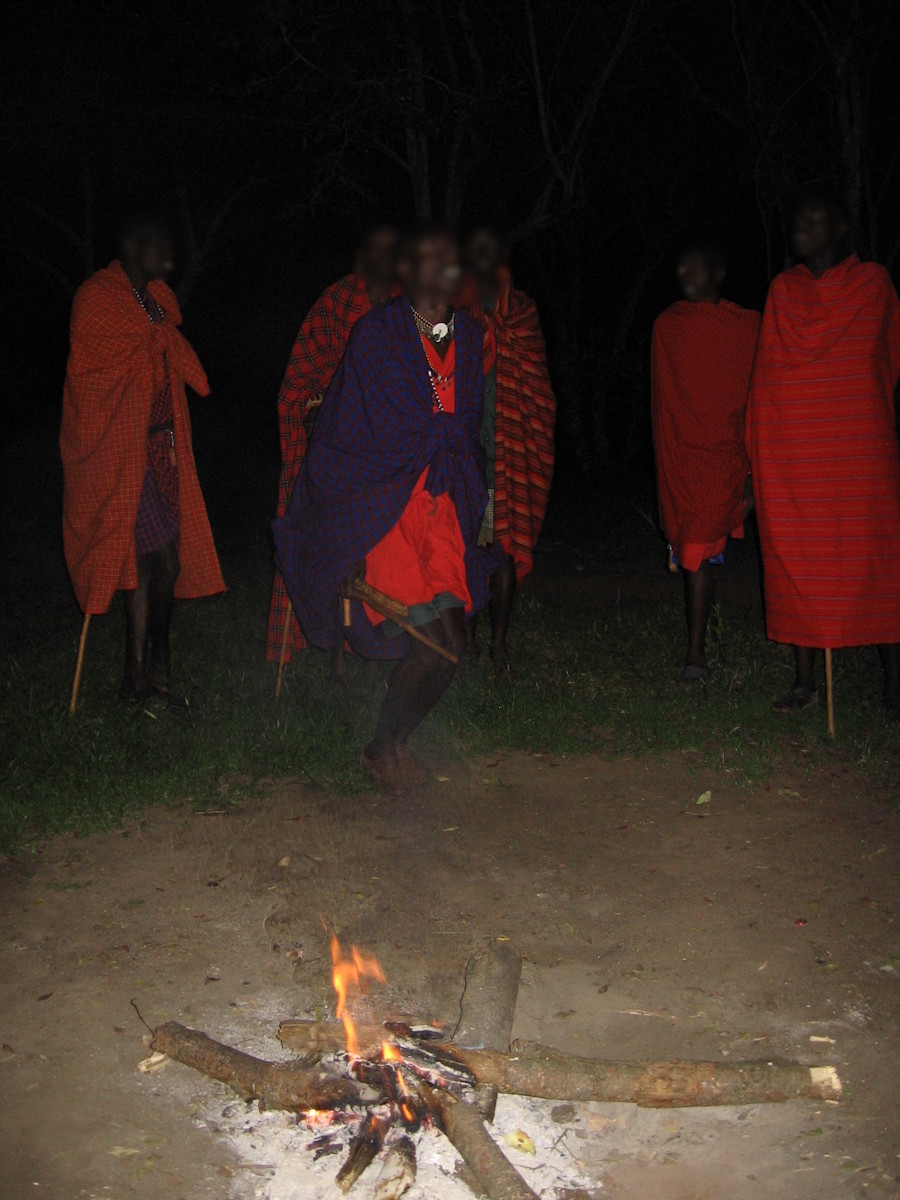
A video of a maasai dance. You can only see the fire, but the voices can be heard.
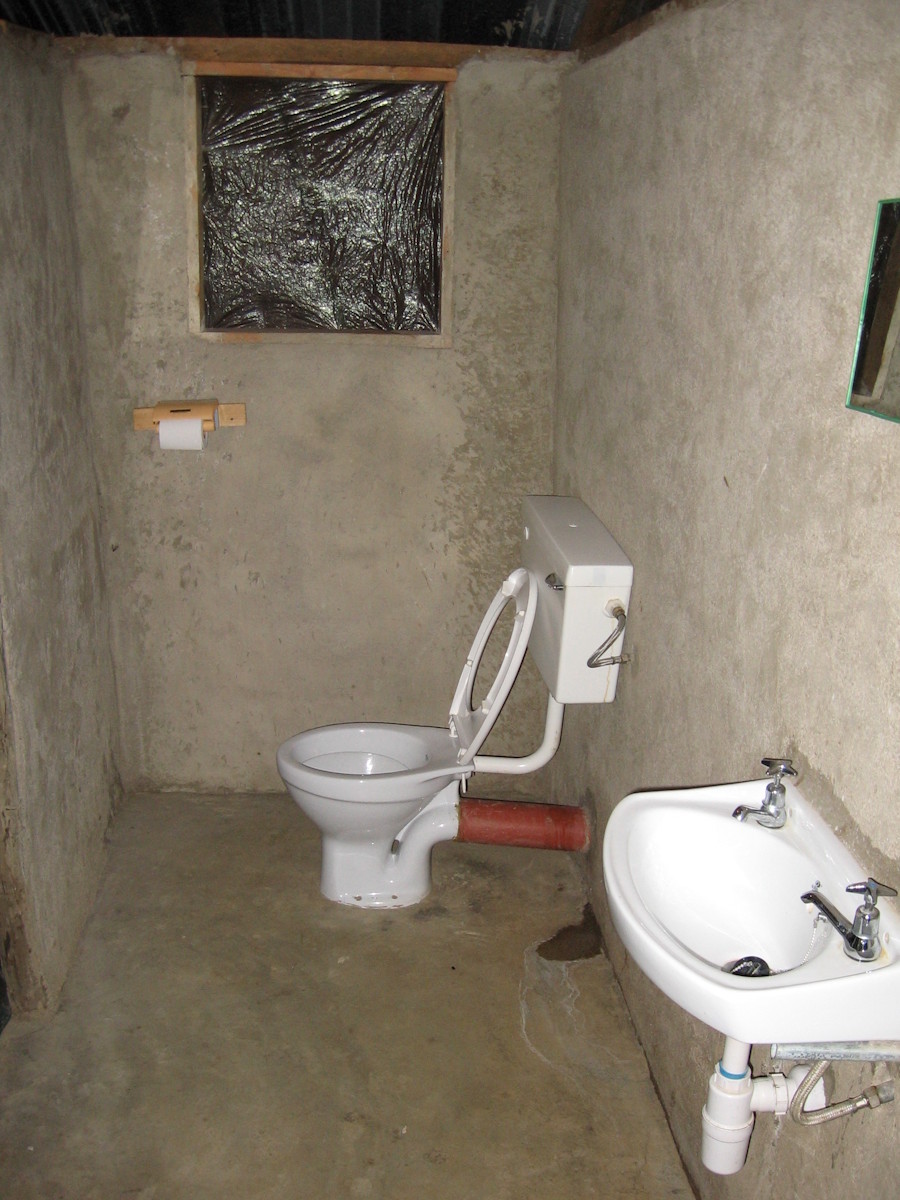
The inside of my tent and the toilet with concrete walls behind the tent.
Thu 30/10
At eight in the morning we were back in the reserve. Because of early rains, there were no big herds, but plenty to see nonetheless.
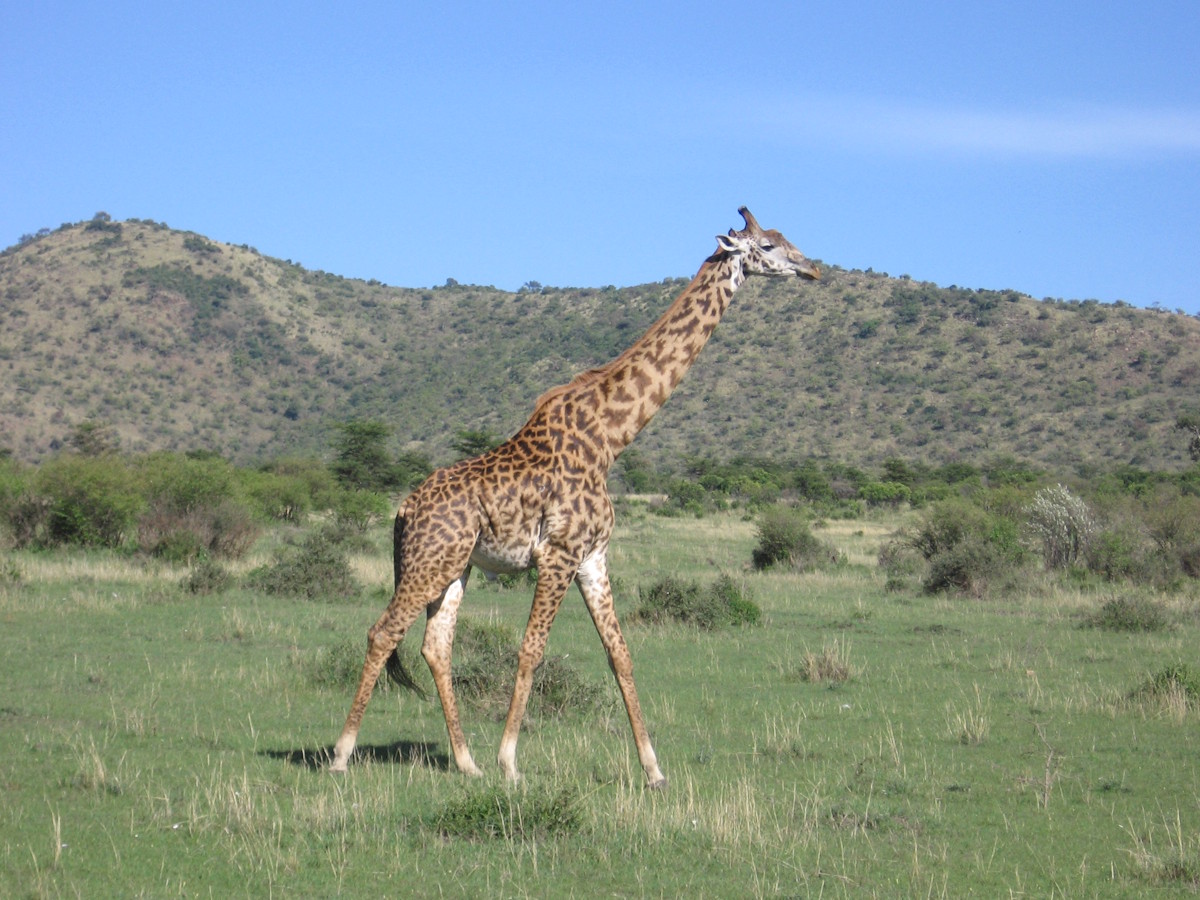
The giraffe in the distance seems to be a northern giraffe (Giraffa camelopardalis, twiga kaskazi) and the one up close a Masai giraffe (Giraffa tippelskirchi, twiga Masai).
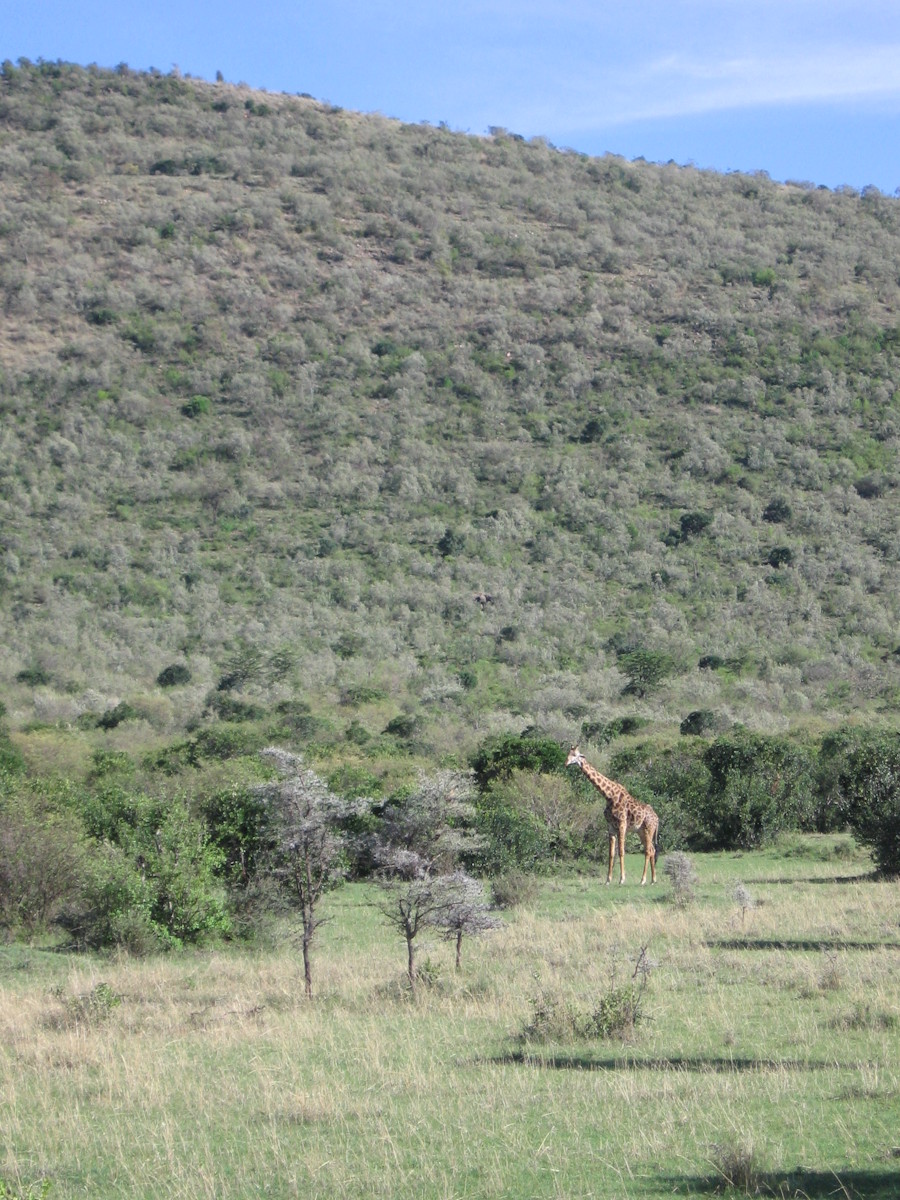
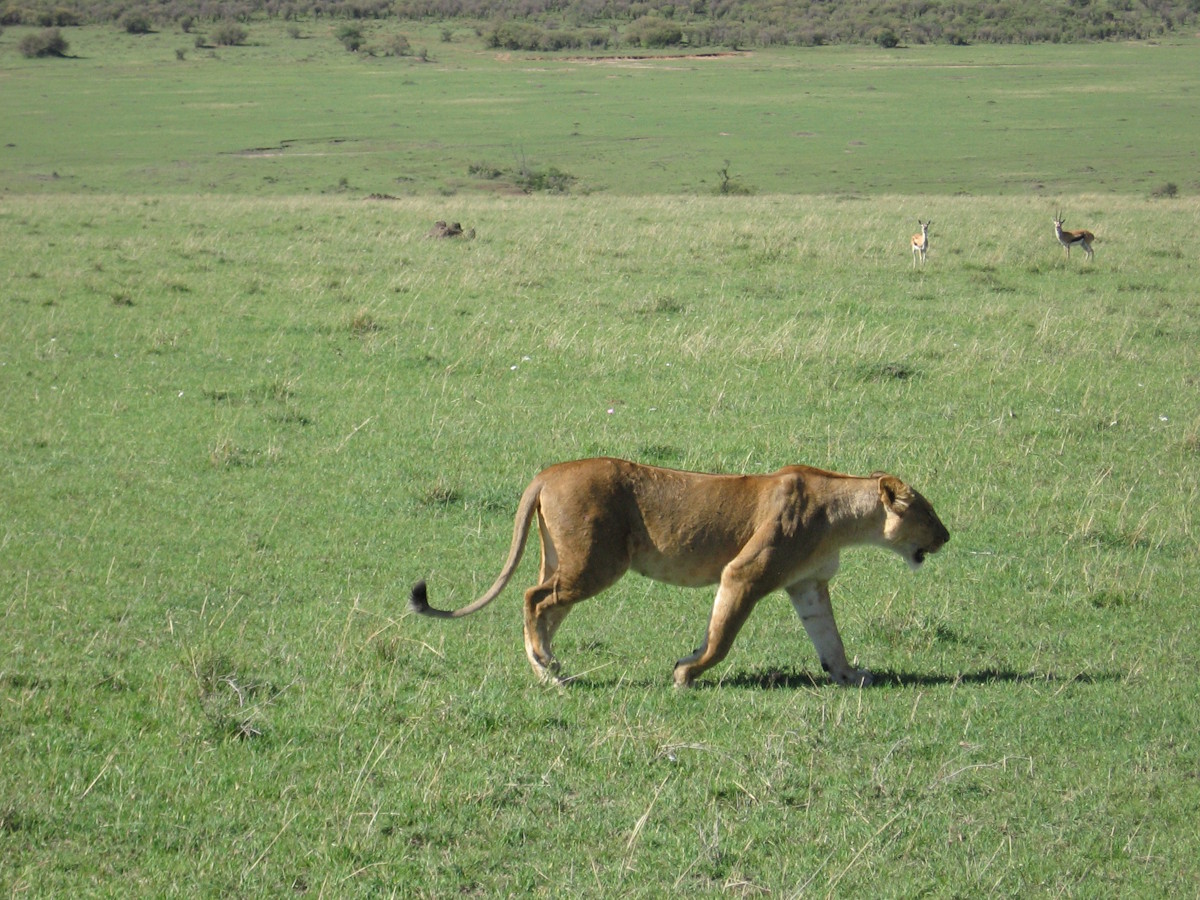
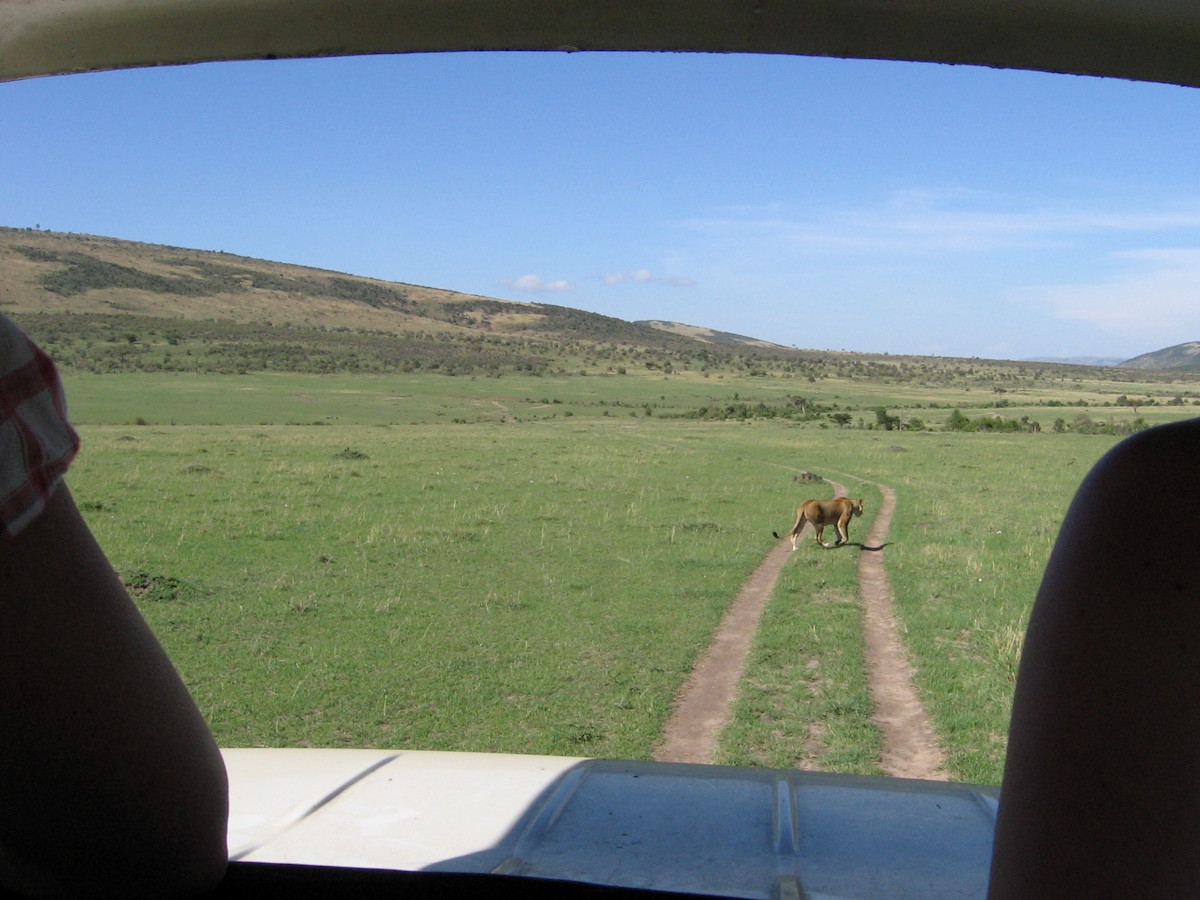
A lioness walked calmly on the savanna and Thomson’s gazelles looked at her go. She walked past our car.
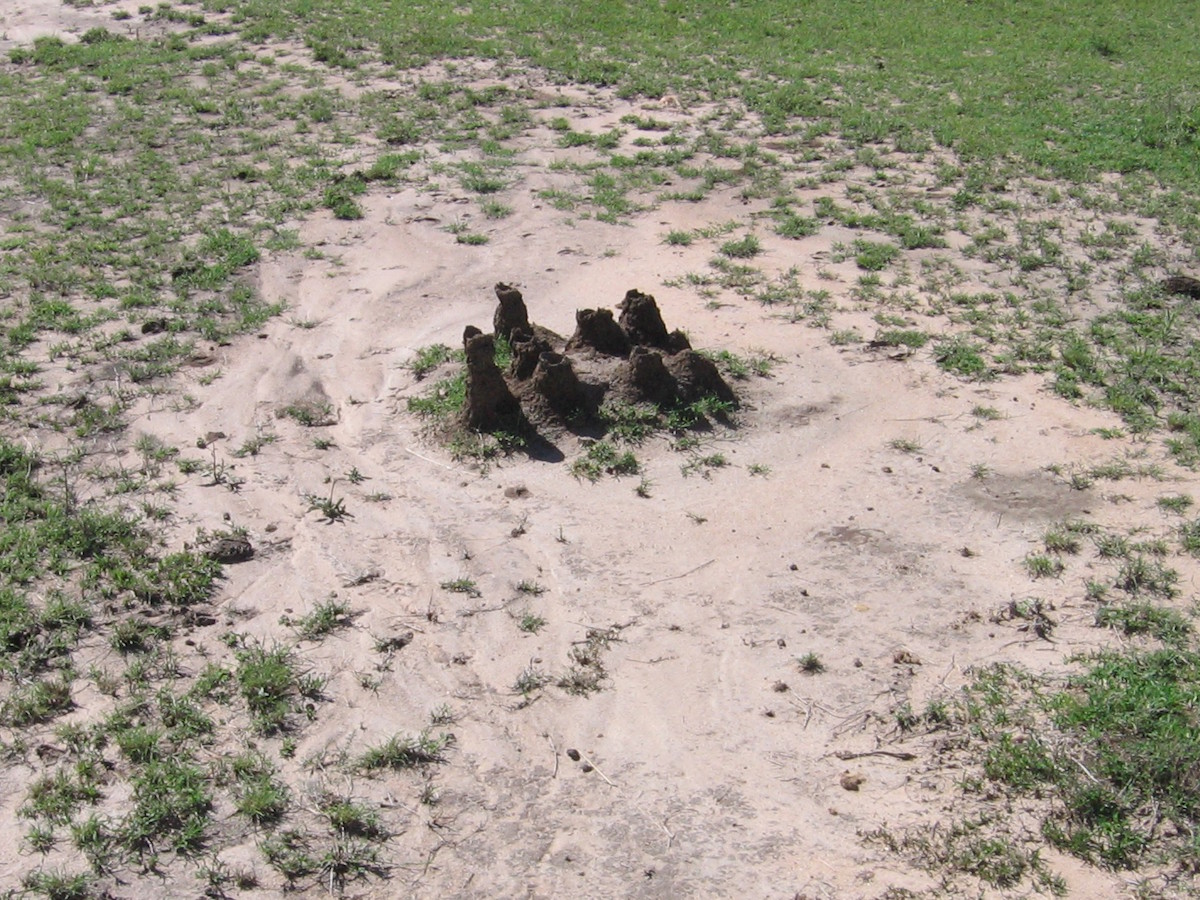
These could be termite or ant hills.
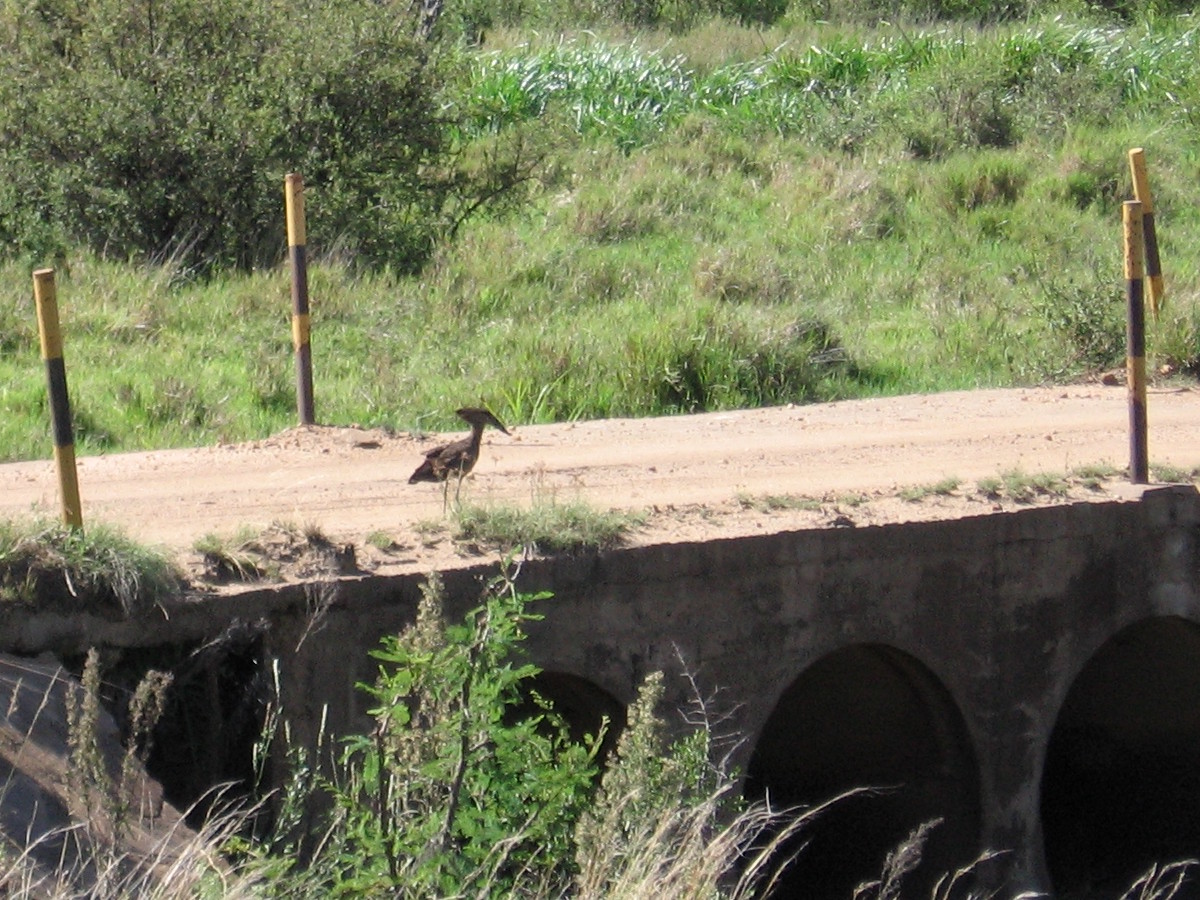
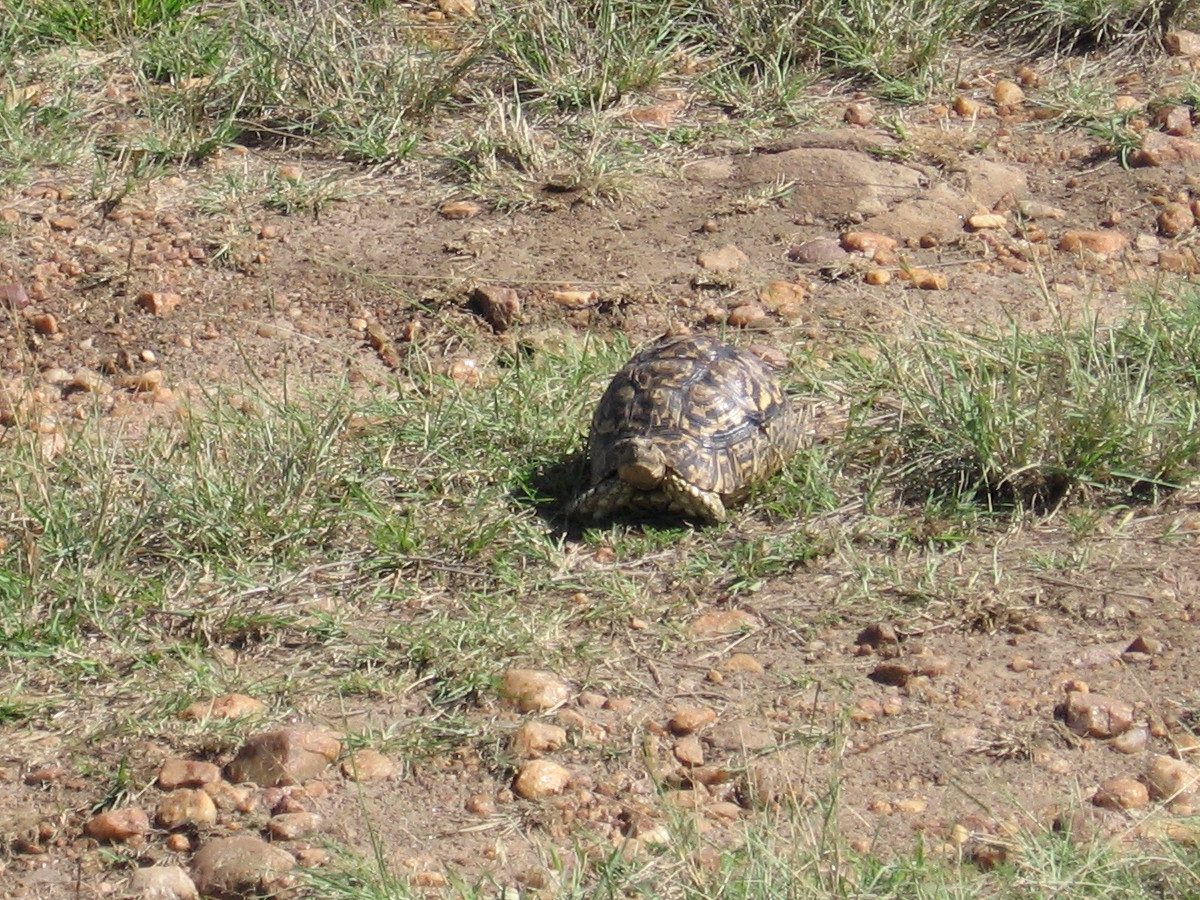
Hamerkop (Scopus umbretta, msingwe) and leopard tortoise (Stigmochelys pardalis, kobe-chui).
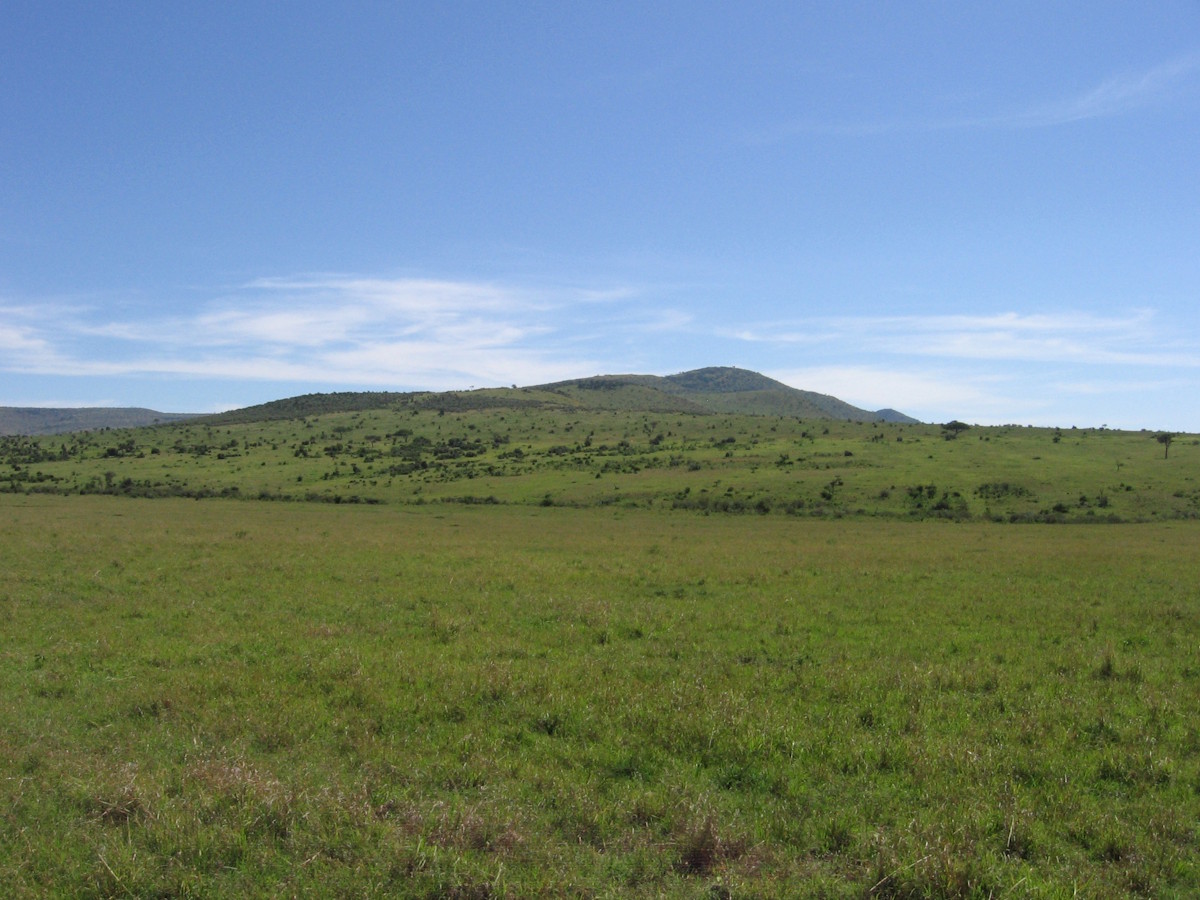
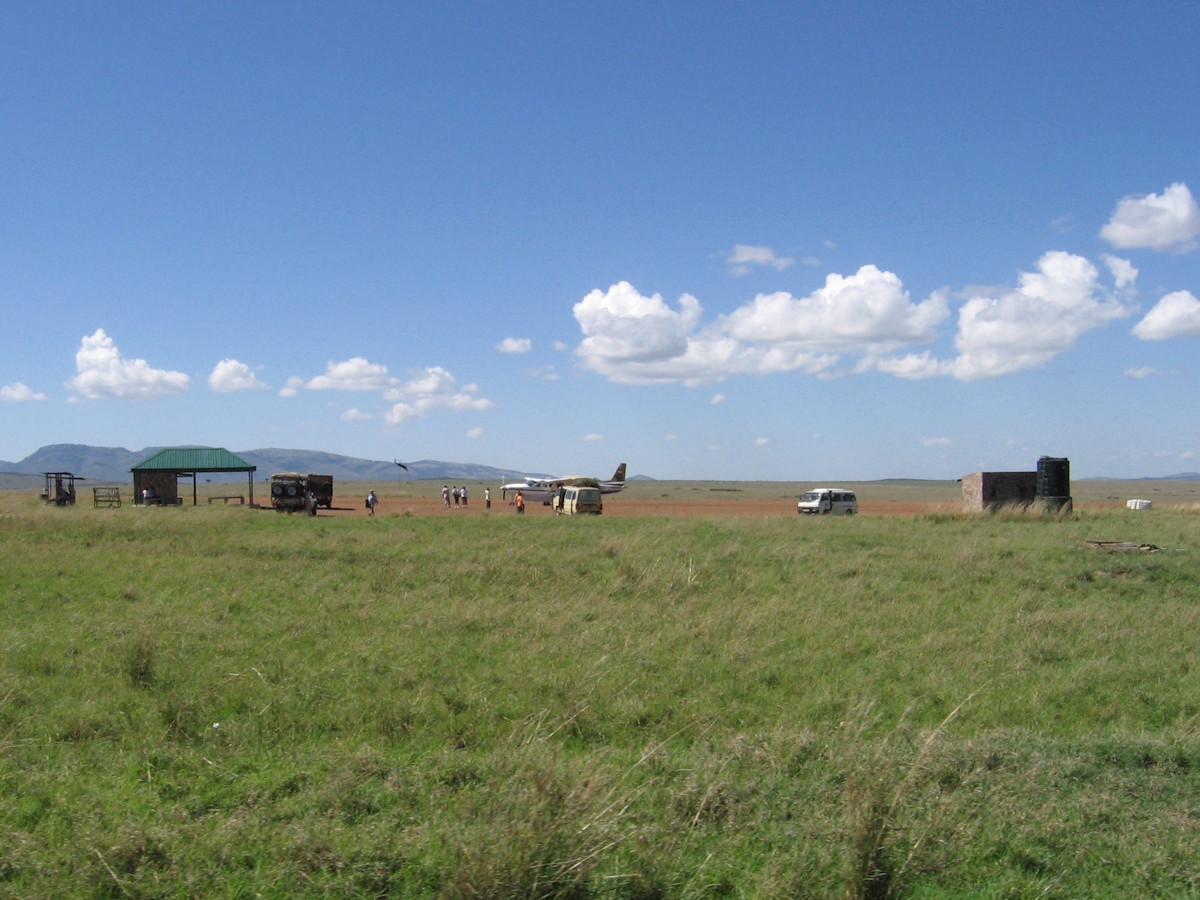
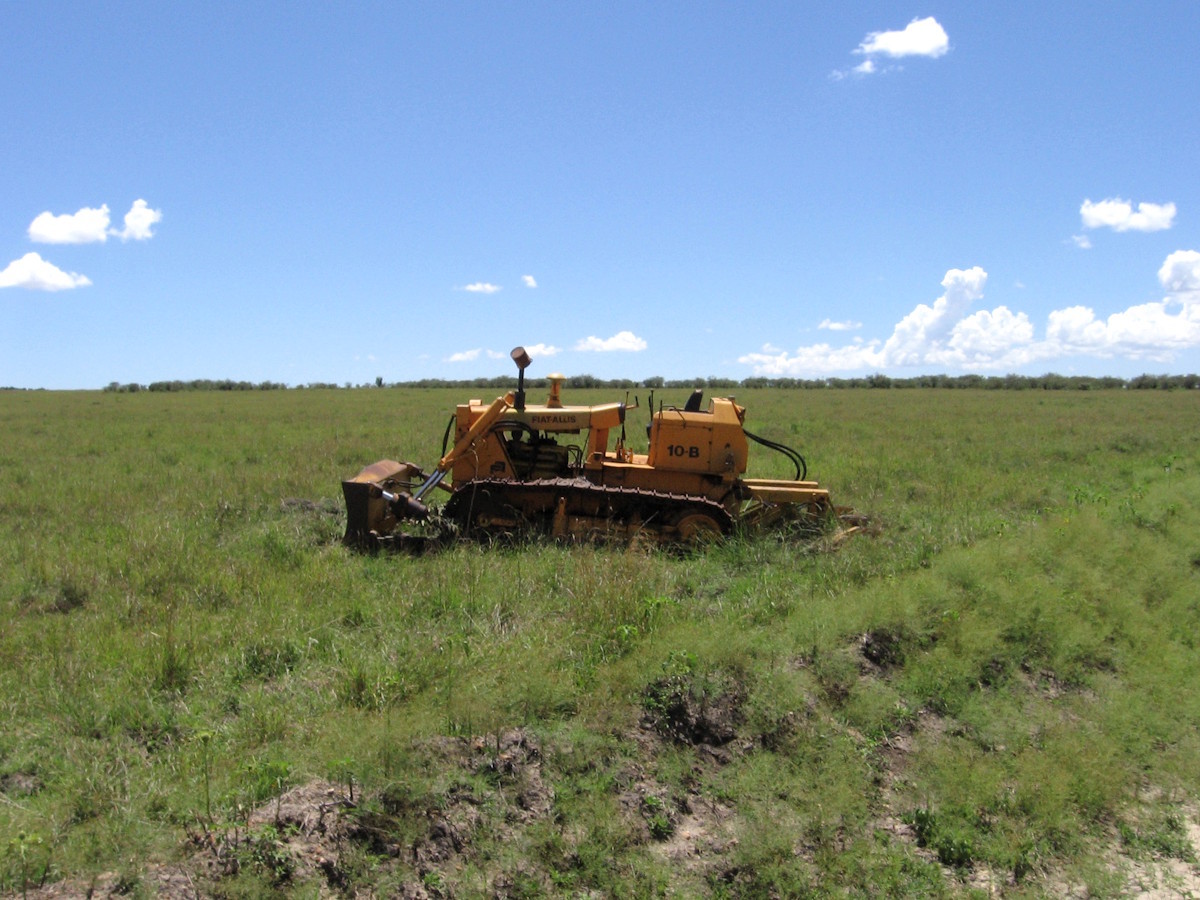
Savanna, Keekorok airstrip, abandoned bulldozer.
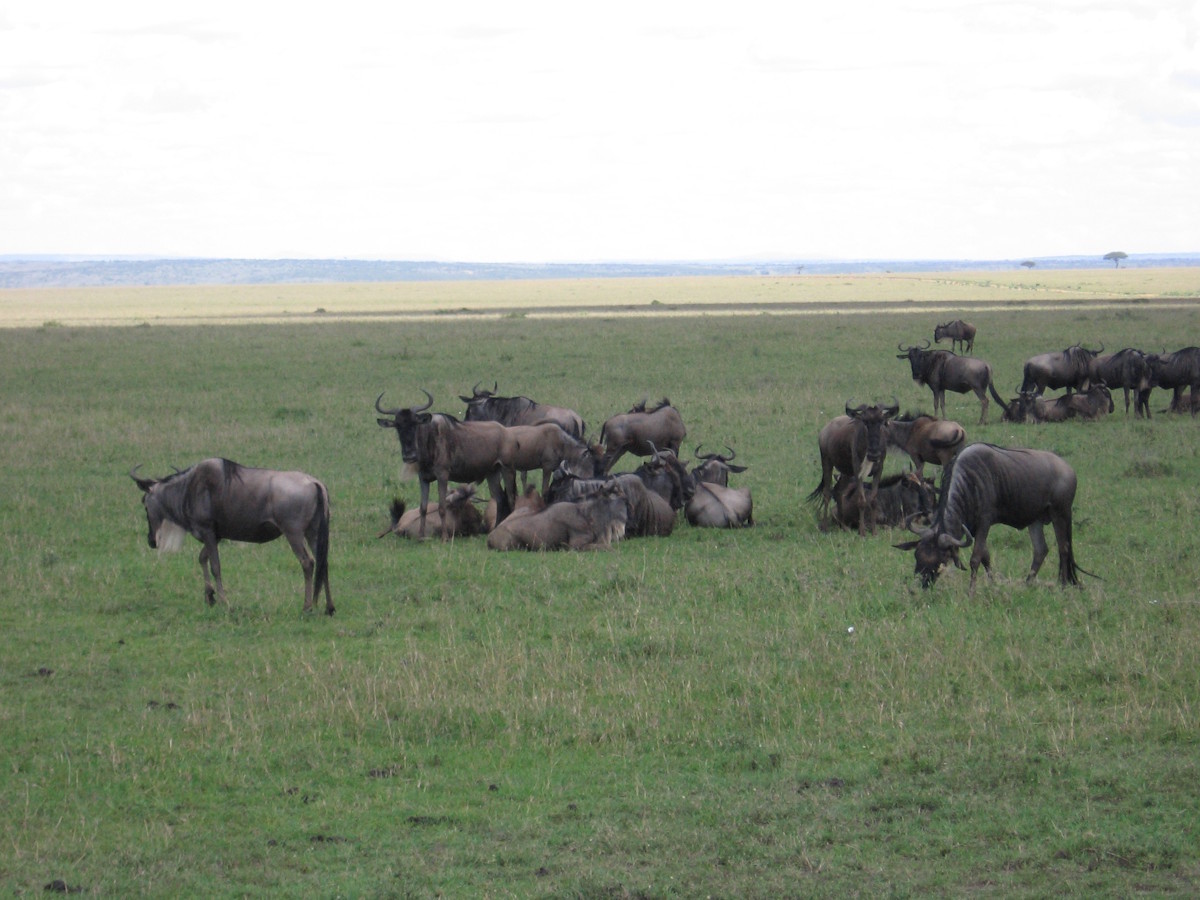
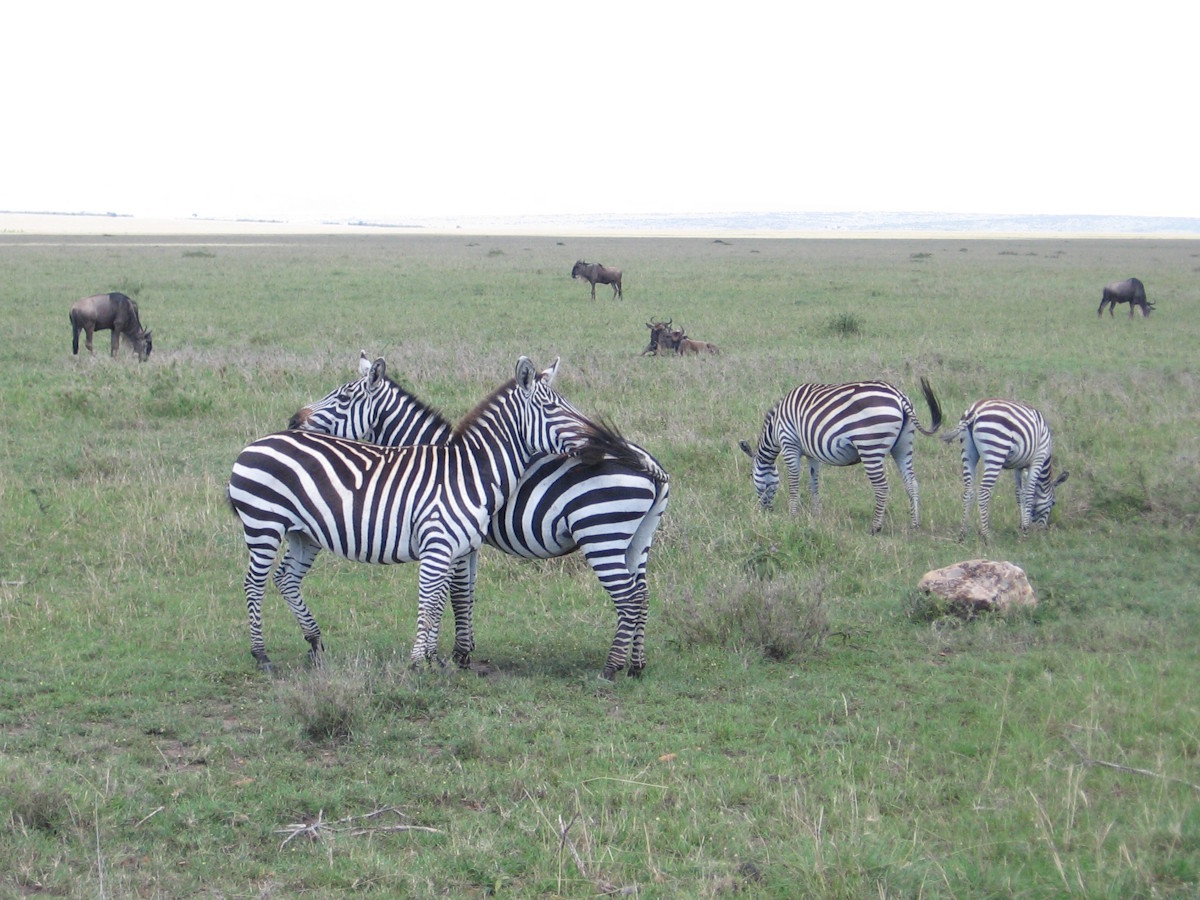
Blue wildebeest (Connochaetes taurinus, nyumbu buluu) and plains zebra (Equus quagga, punda milia nyika). These zebras stood like this and shooed away flies from each other’s faces with their tails.
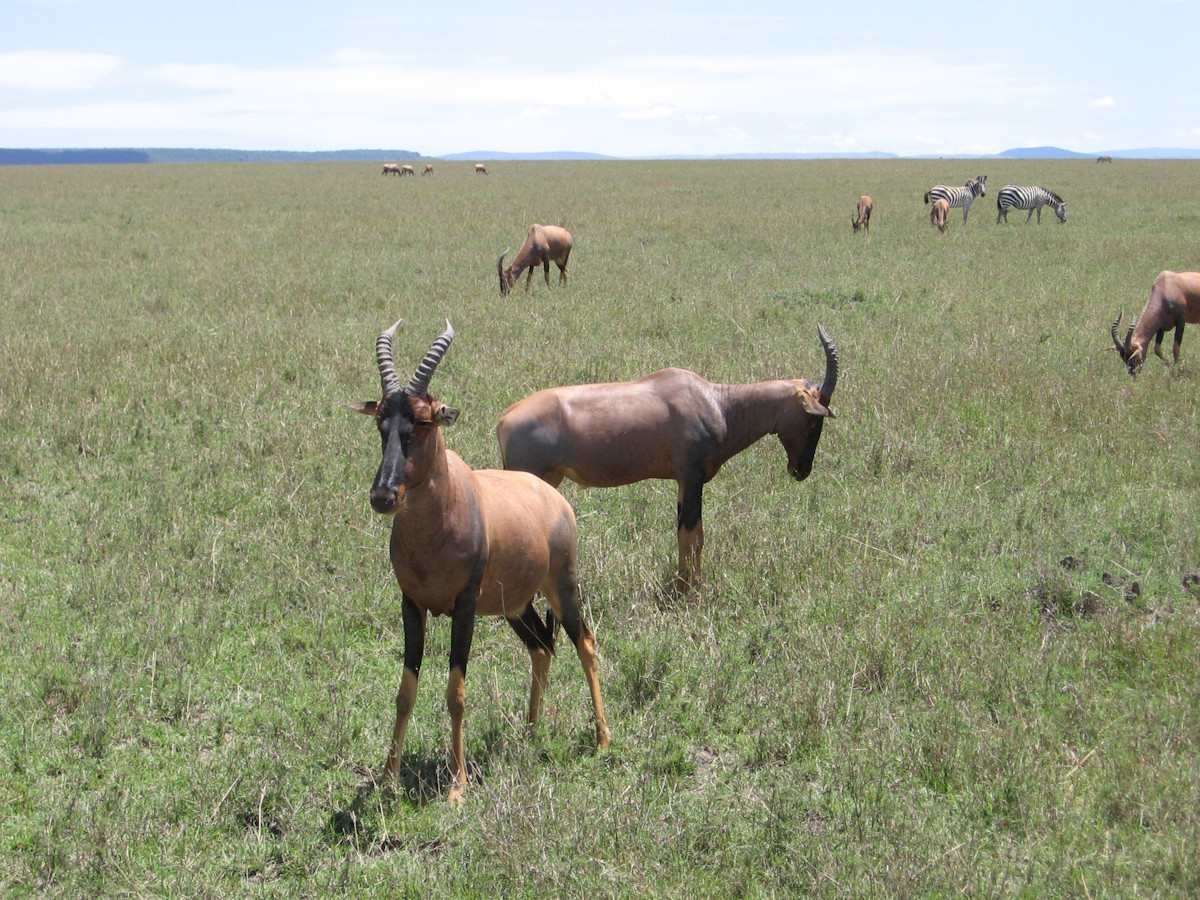
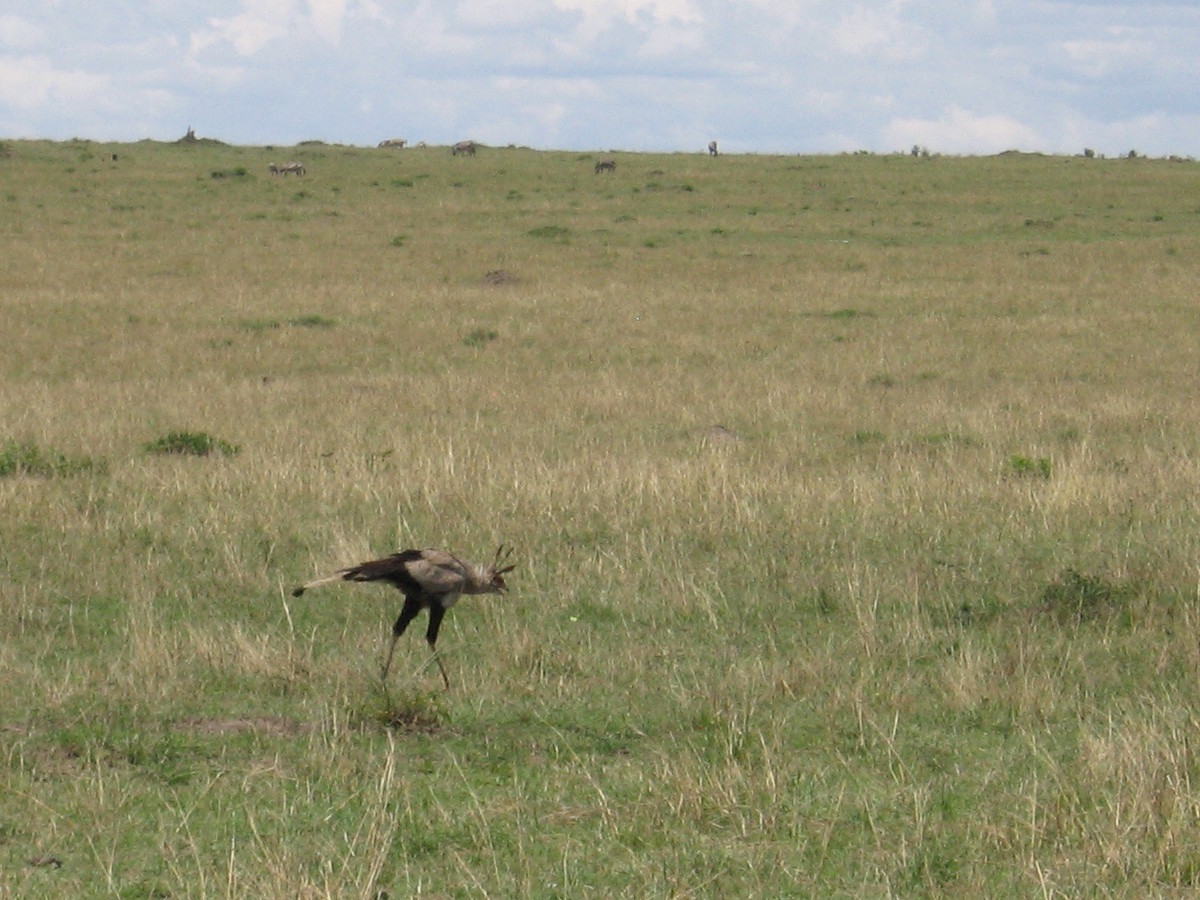
Topi (Damaliscus lunatus, nyamera) and secretarybird (Sagittarius serpentarius, karani tamba).
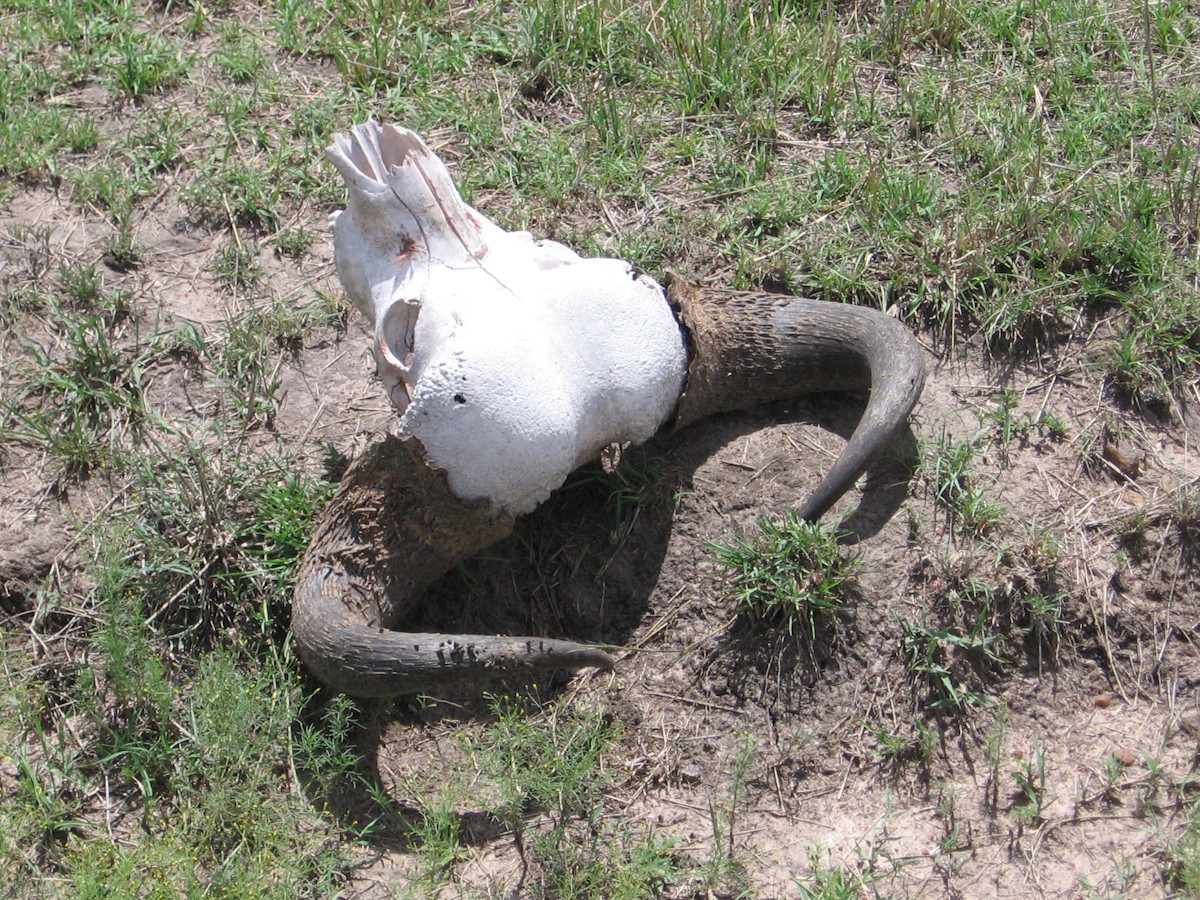
Skull of an African buffalo.
We visited the souvenir shop of some hotel. I noticed that I had left my money in my tent, but I borrowed some from one of our group so that I could buy a map of Kenya.
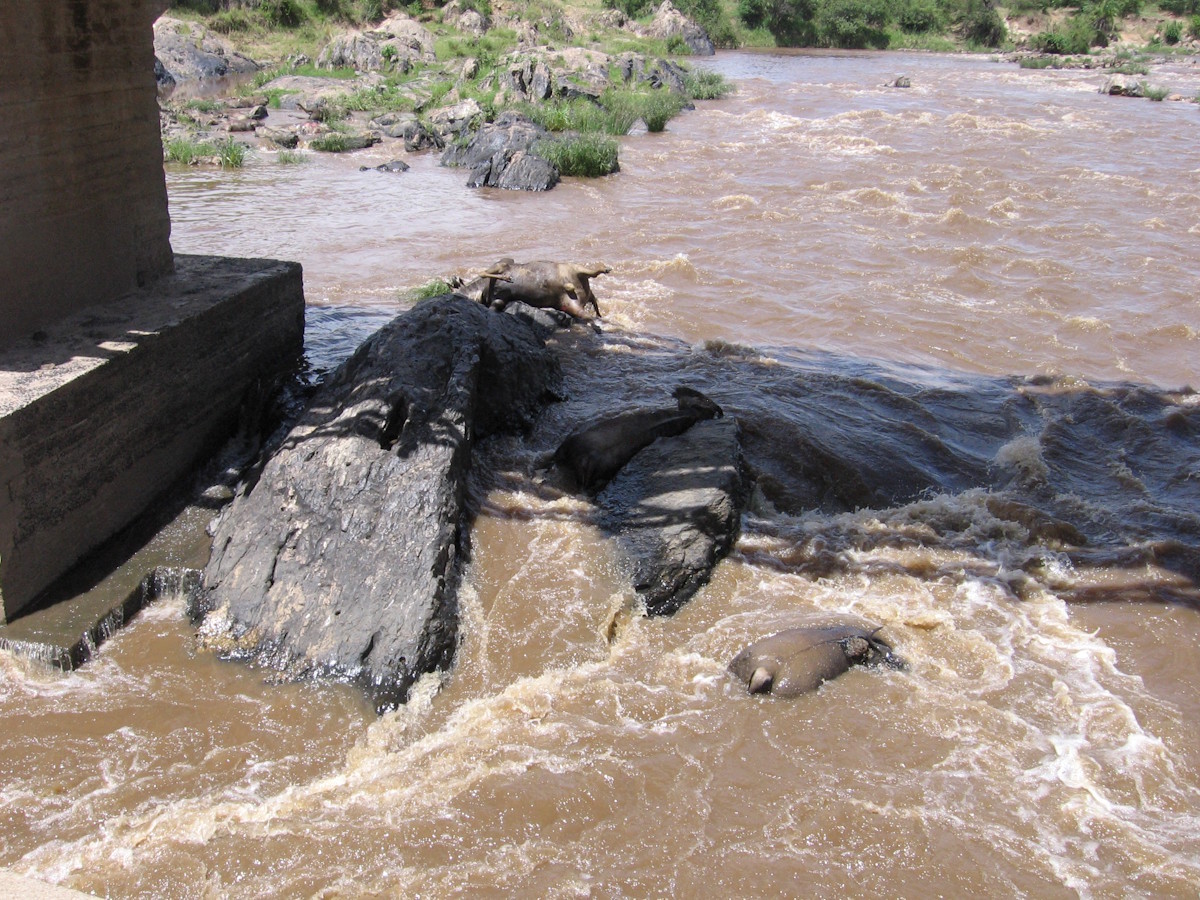
We came to River Mara and saw common hippopotamuses (Hippopotamus amphibius, kiboko). One went to check out a wildebeest carcass.
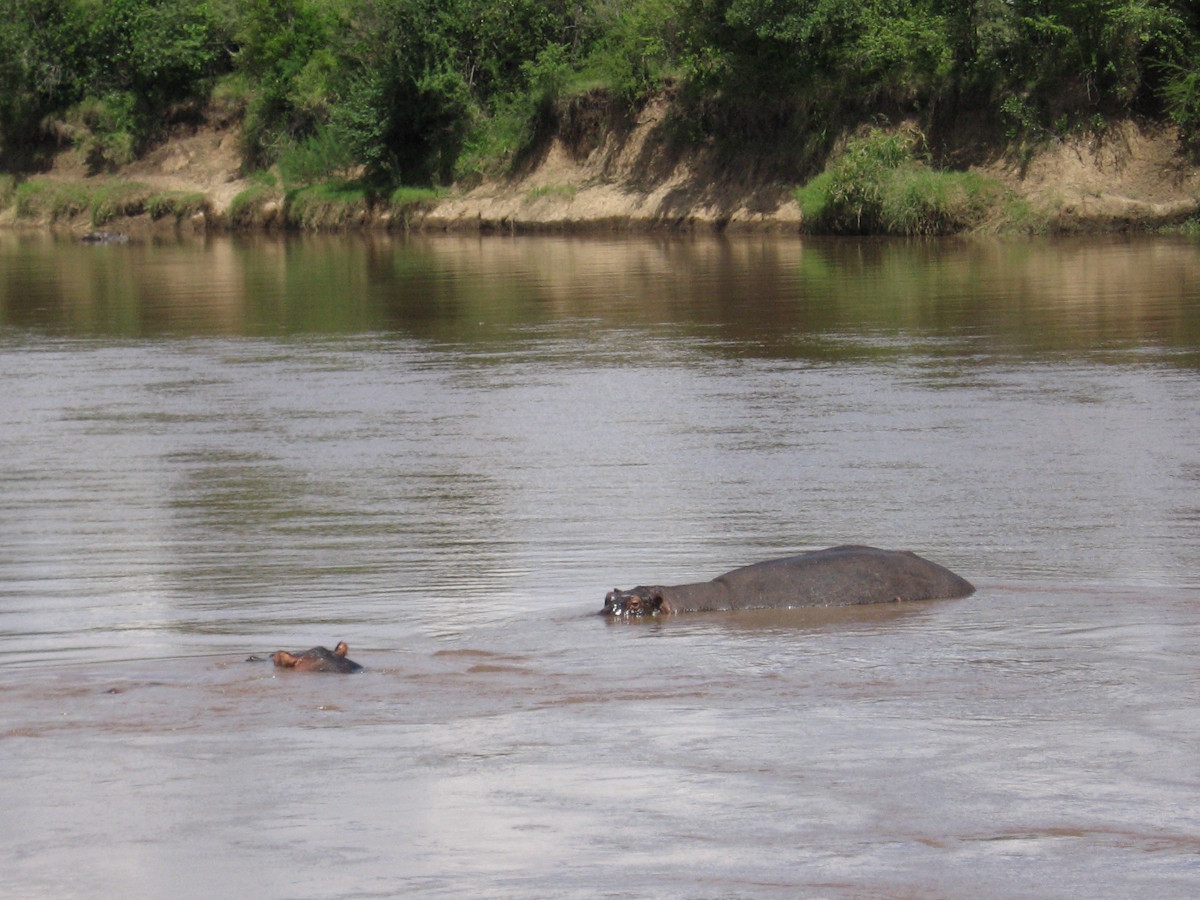
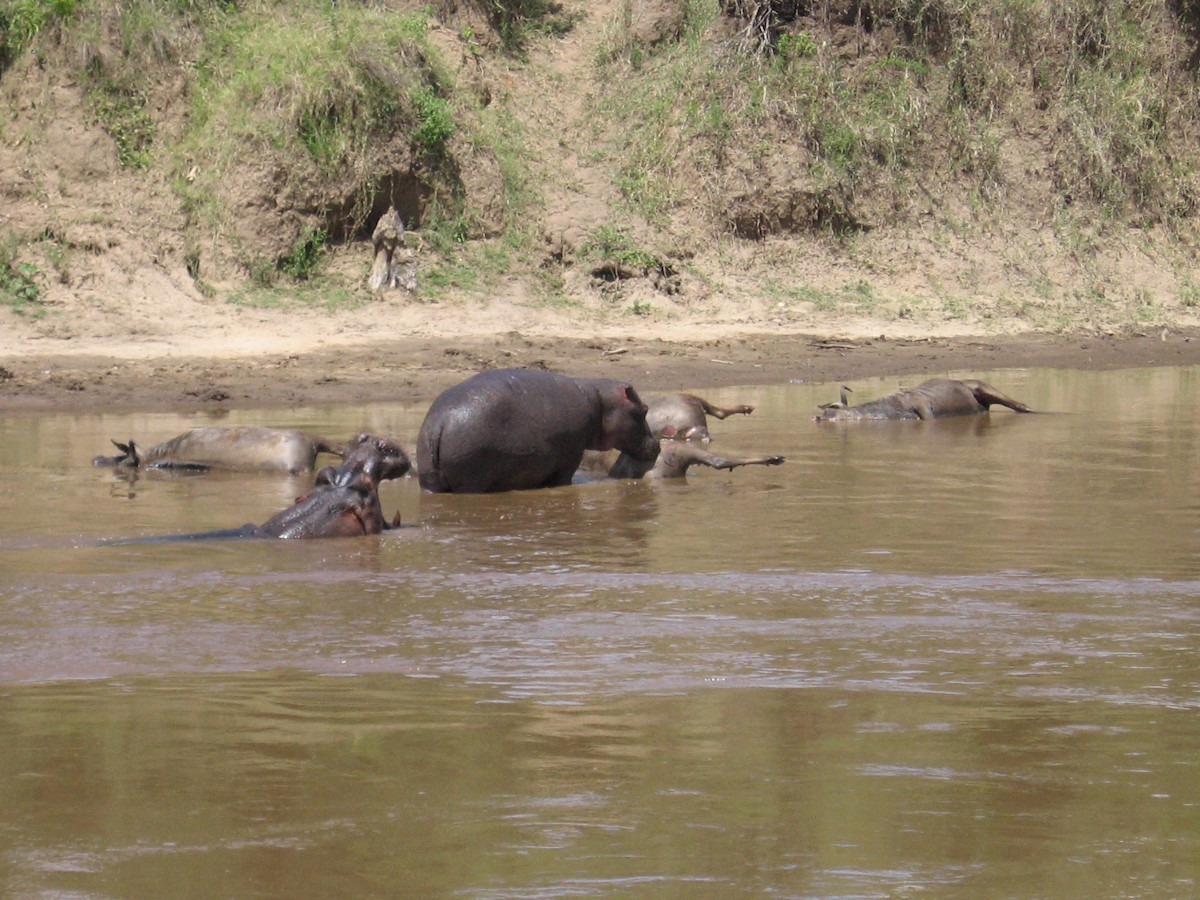
There were many dead animals in the river, and the smell of death could be sensed on the bridge.
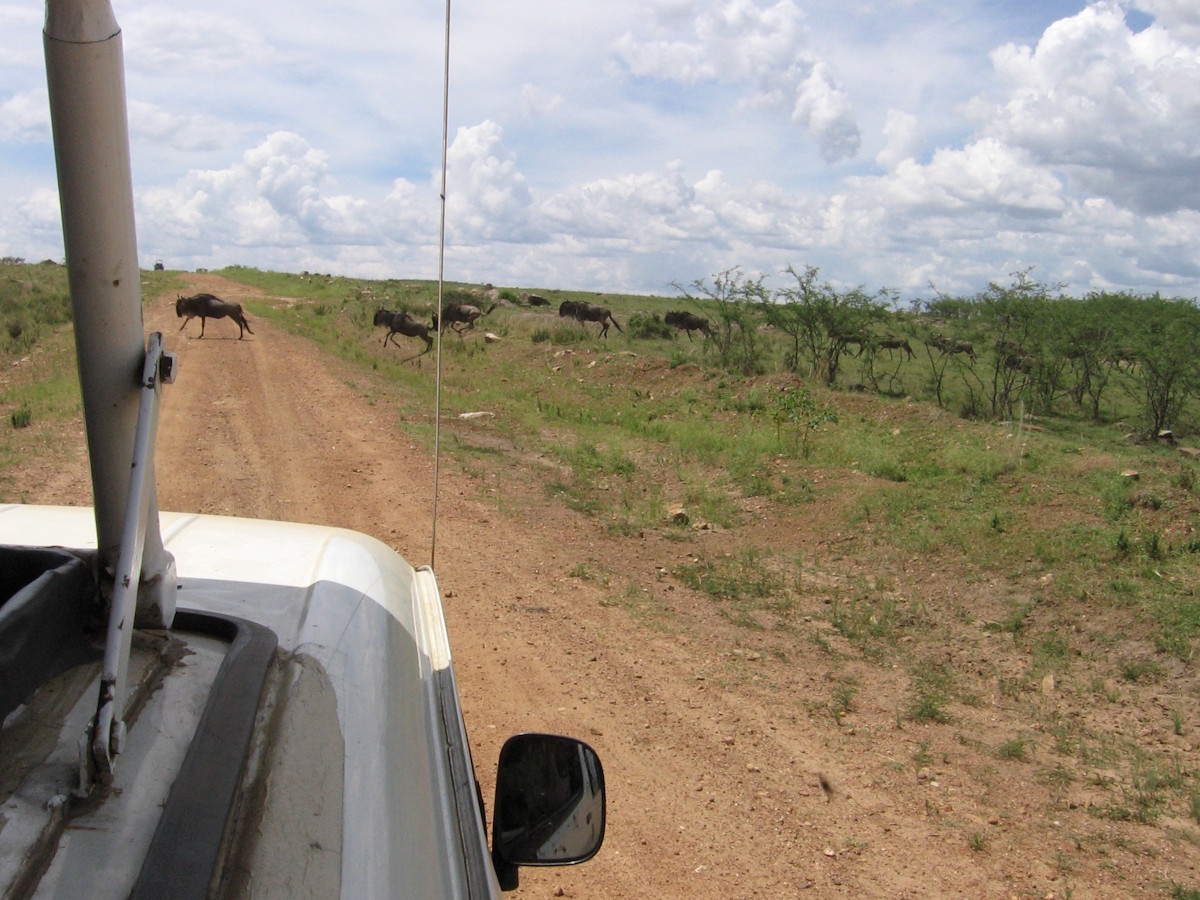
A herd of blue wildebeest crossed the road in front of our car.
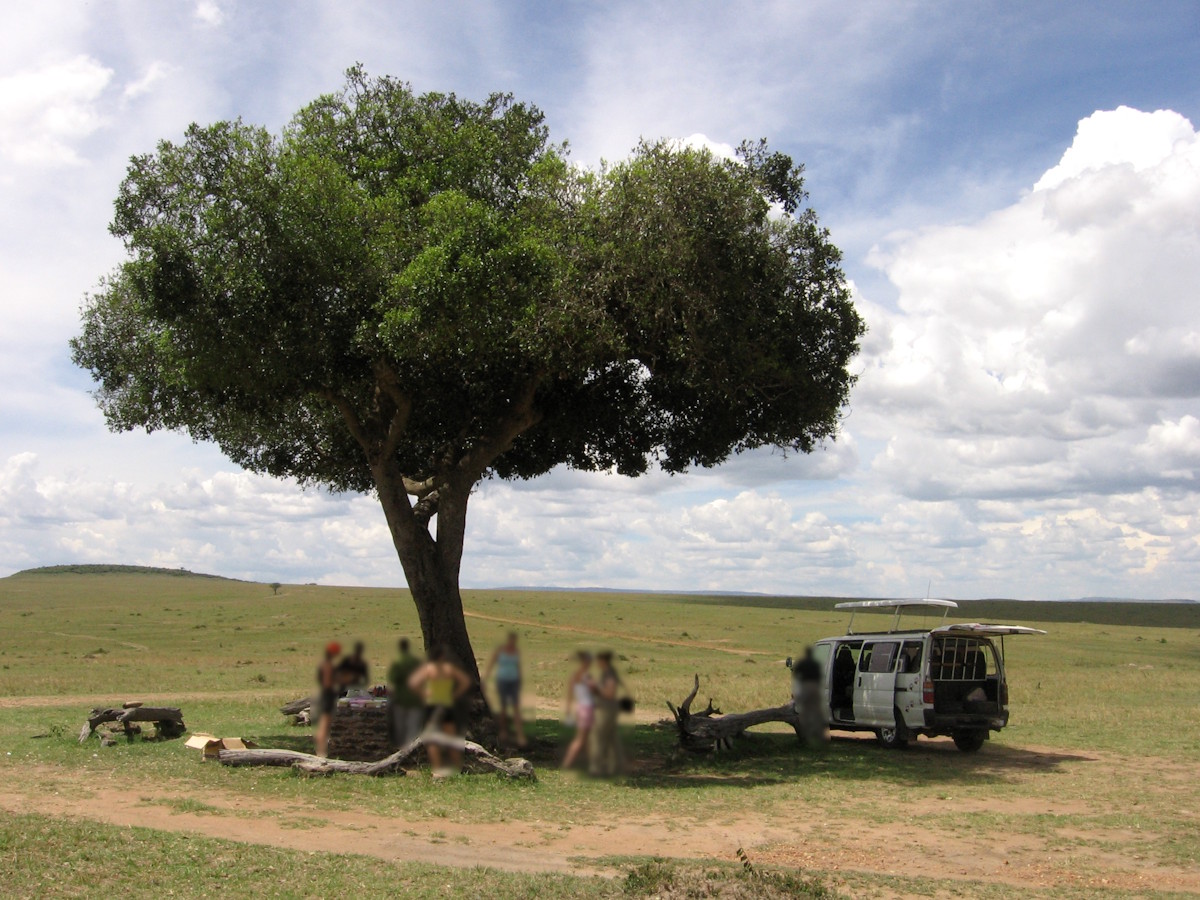
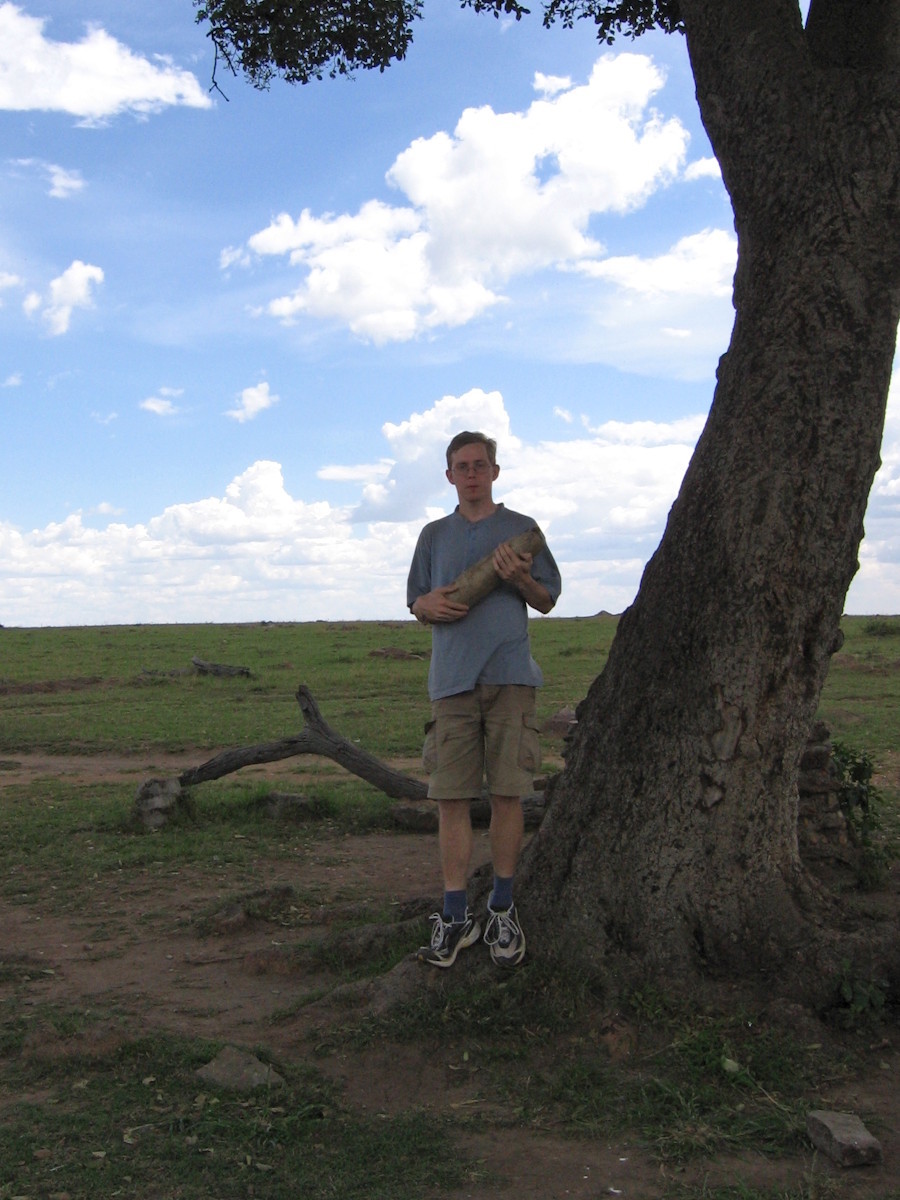
We ate lunch at a picnic site built under a tree. In the second photo I am holding a sausage tree fruit that was on the ground. The tour leader went for a walk on her own and the driver had to go get her with the car.
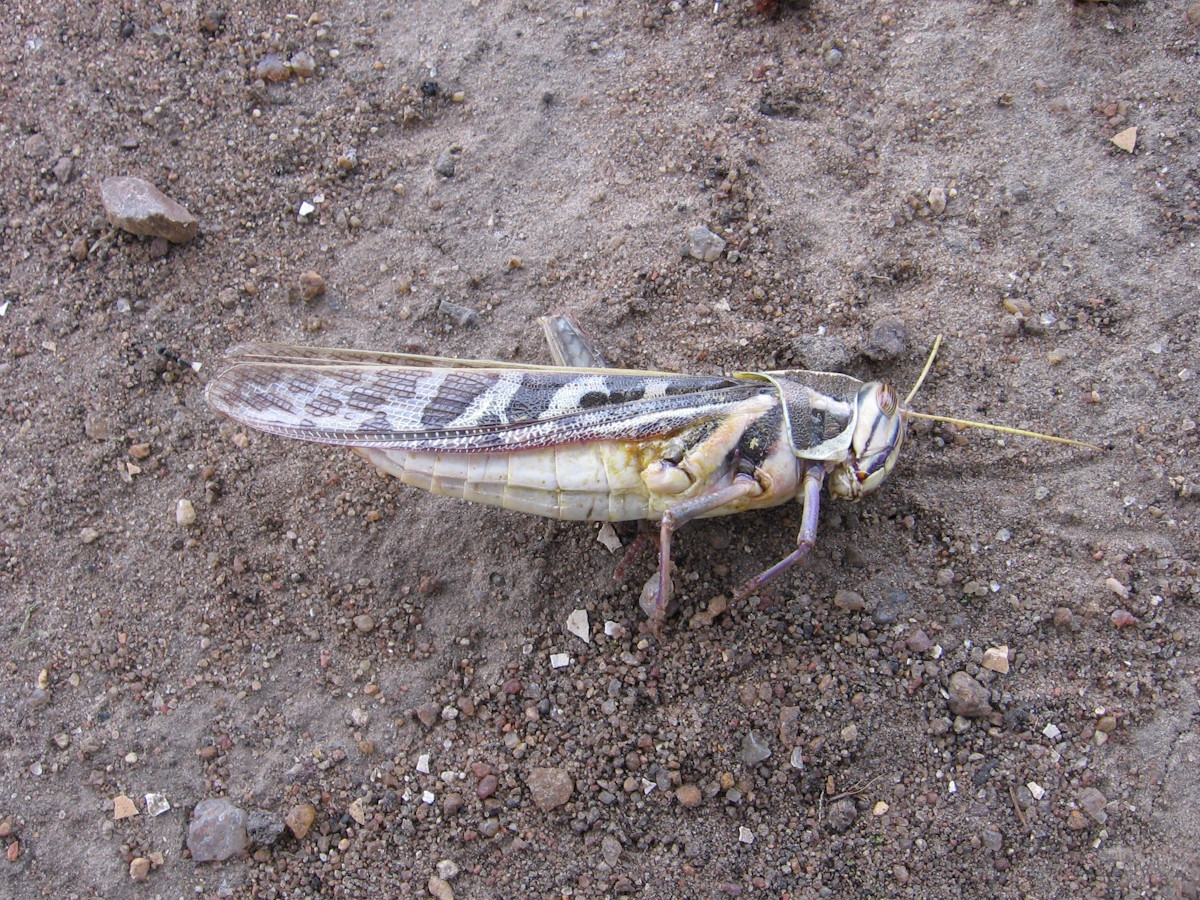
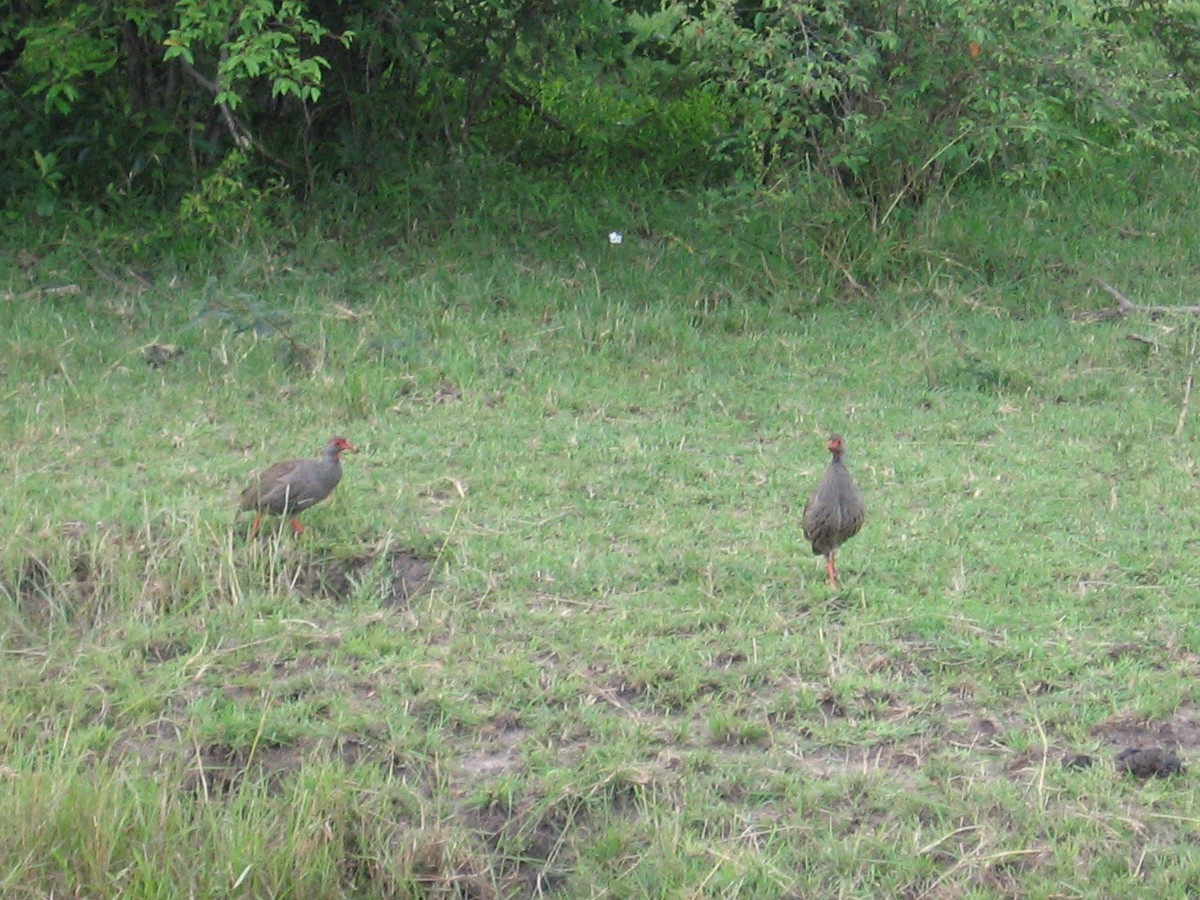
Big dead grasshopper and two living red-necked spurfowls (Pternistis afer, kereng'ende koo-jekundu).
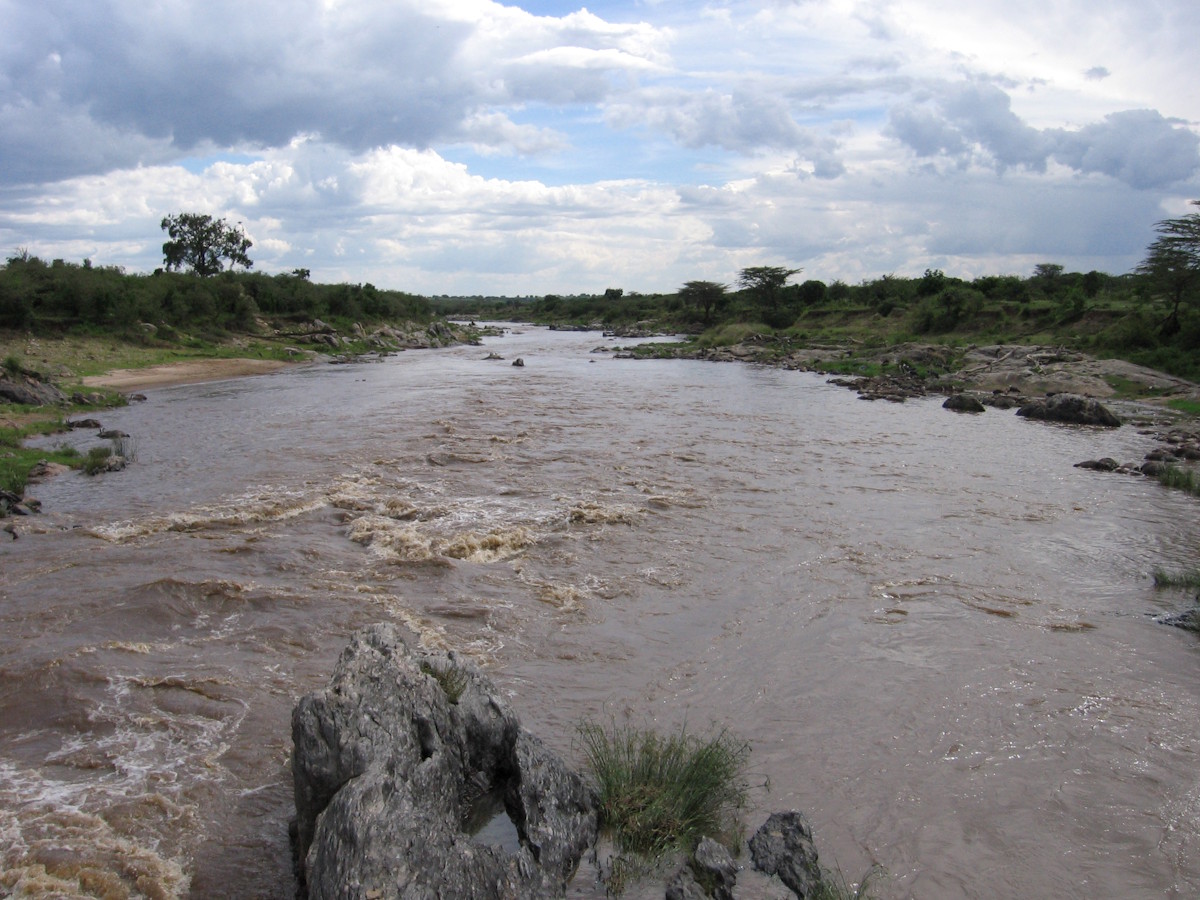
At the bank of River Mara. It was amazing to be in a place that I had seen so many times in nature documentaries.
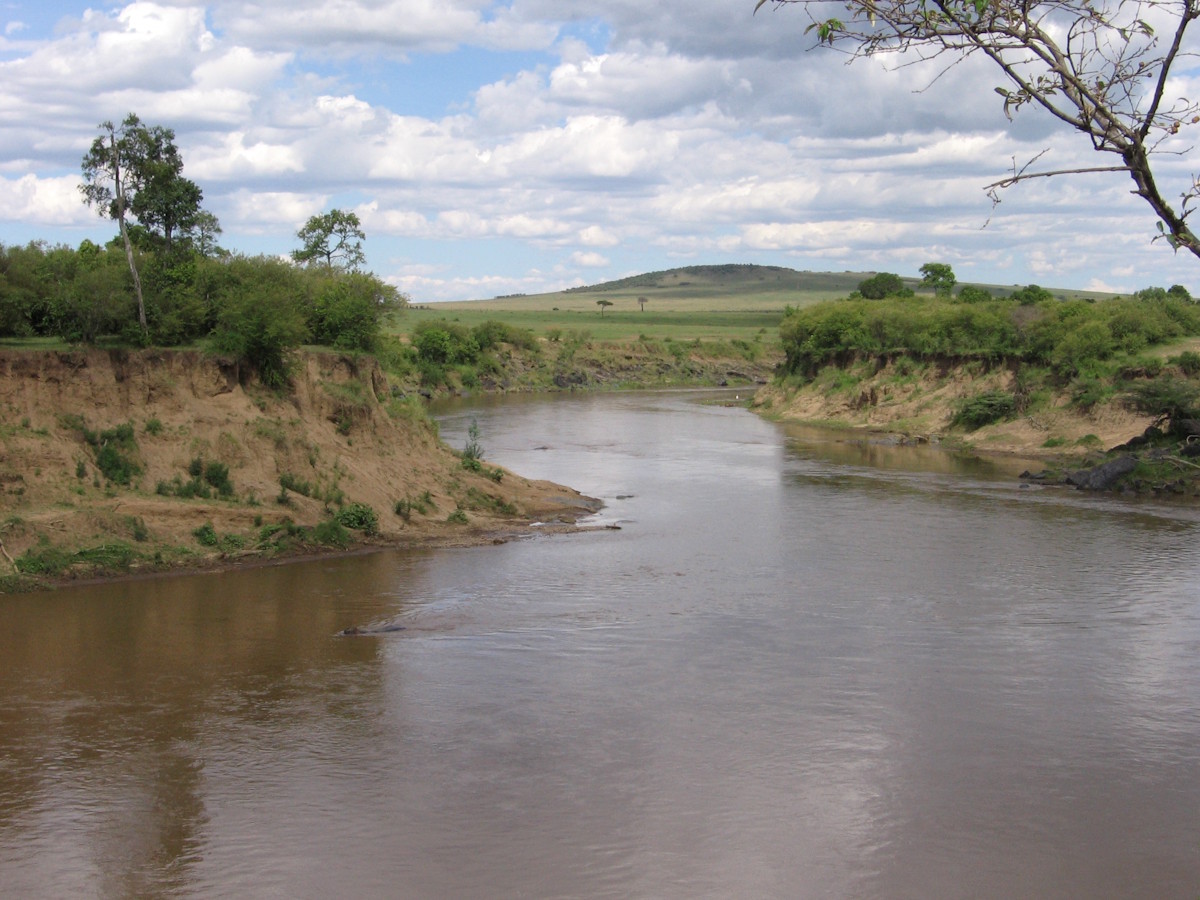
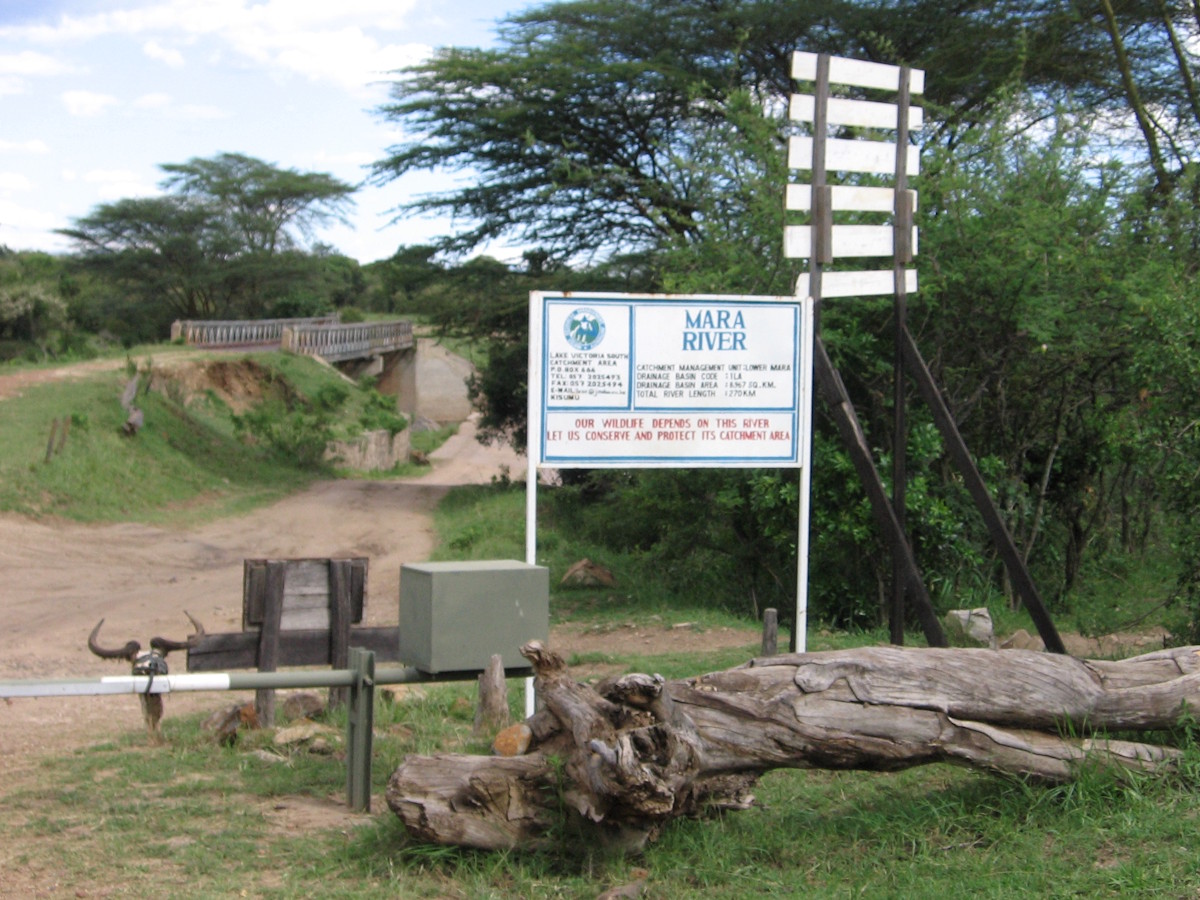
Returning over the river. The sign says: “Our wildlife depends on this river. Let us conserve and protect its catchment area.”
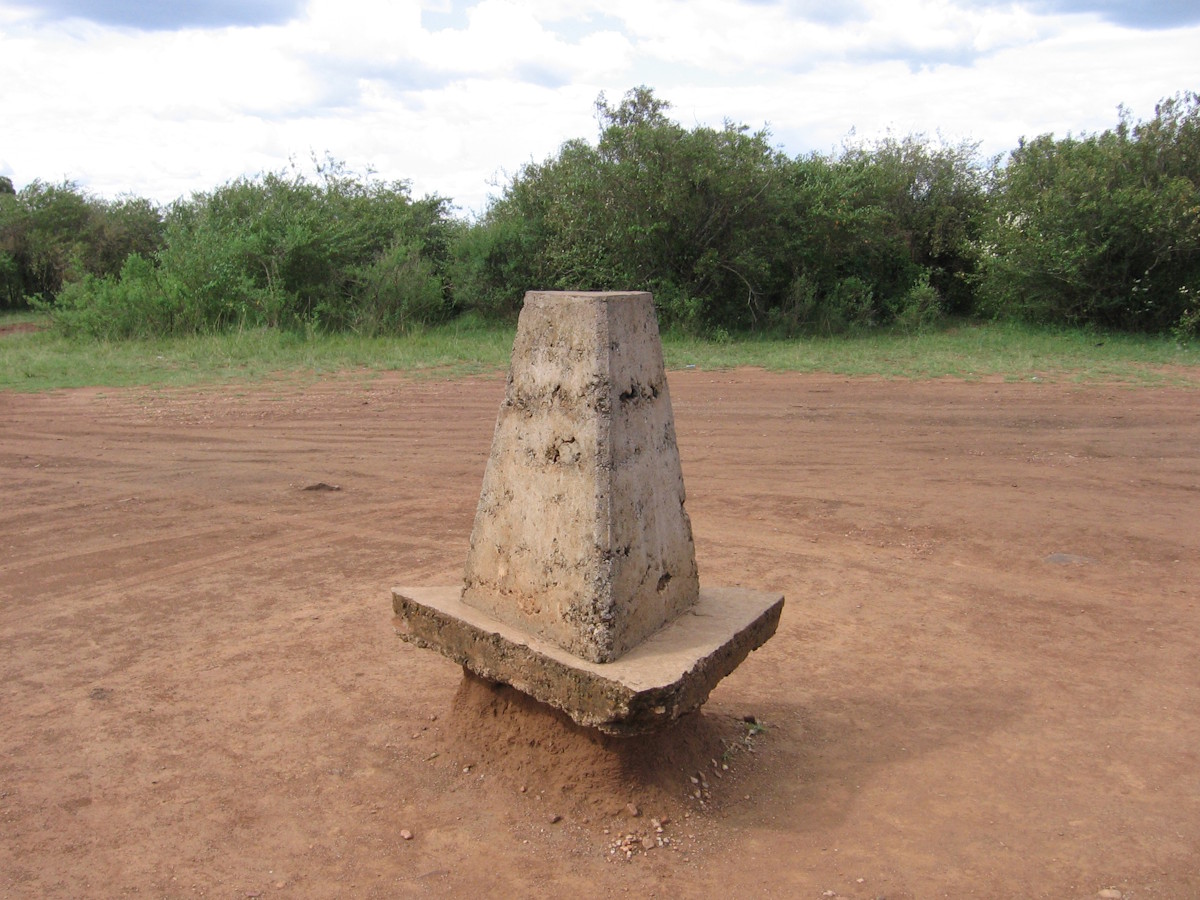
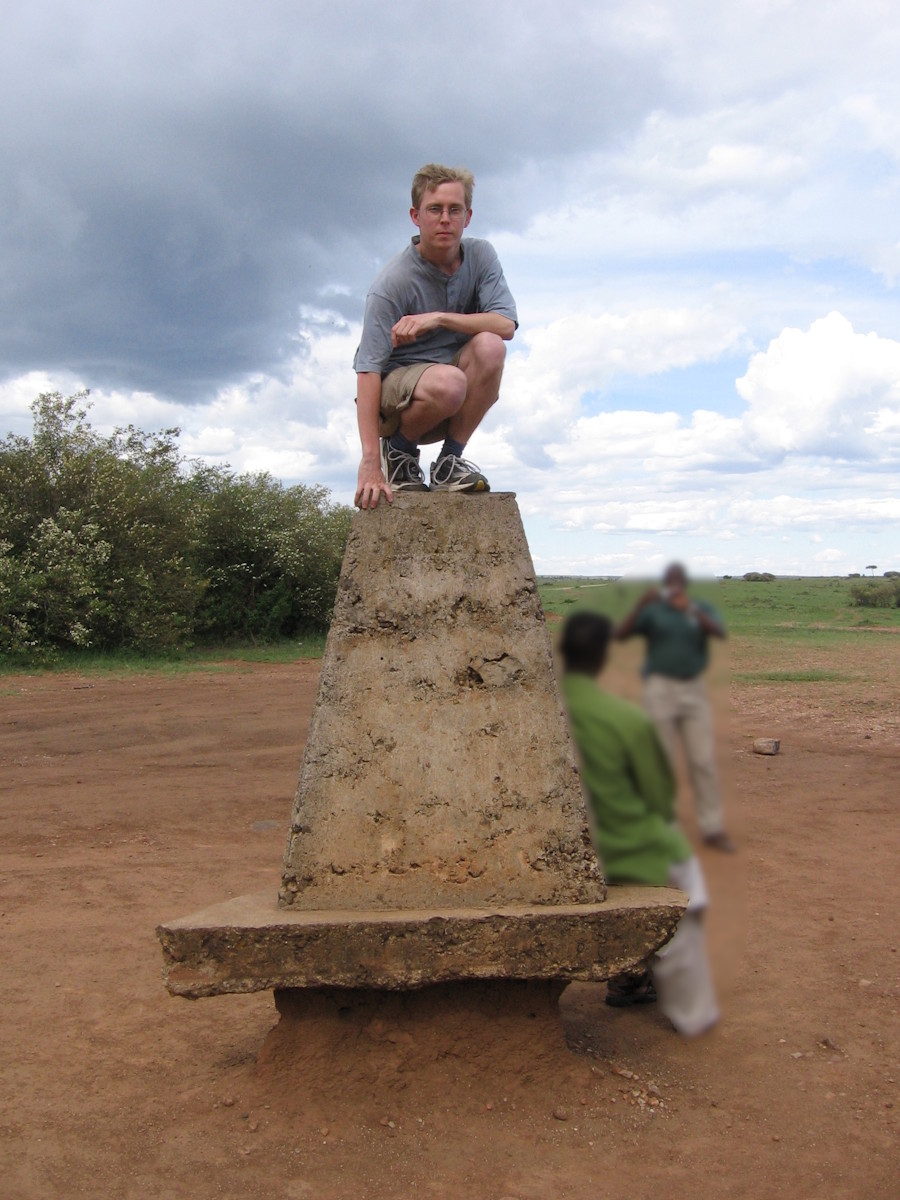
Near the river there was a marker on the boundary between Kenya and Tanzania. The first photo is taken from Tanzania’s side. In the second photo, the photographer stands on the boundary, and Tanzania and Serengeti National Park are on the right.
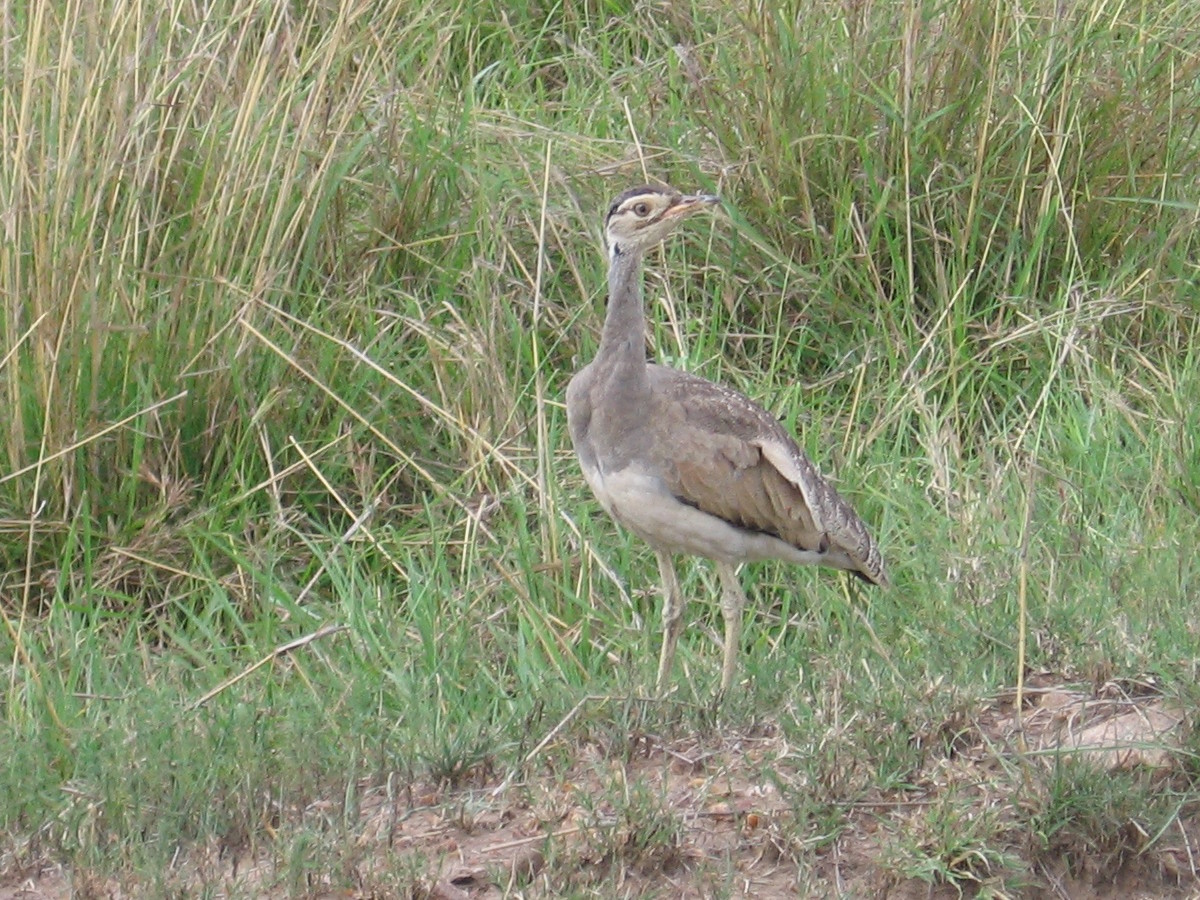
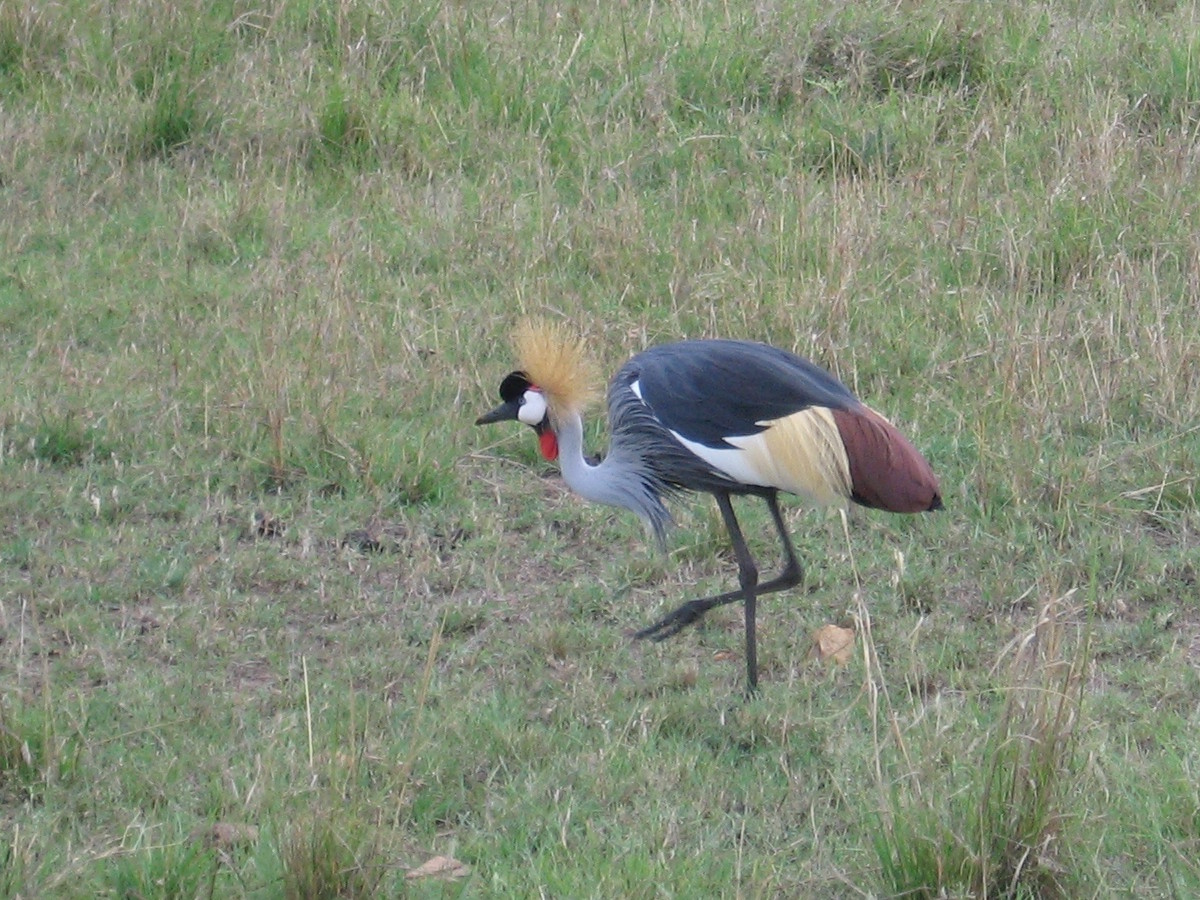
White-bellied bustard (Eupodotis senegalensis, tandawala tumbo-jeupe) and grey crowned crane (Balearica regulorum, korongo-taji kijivu).
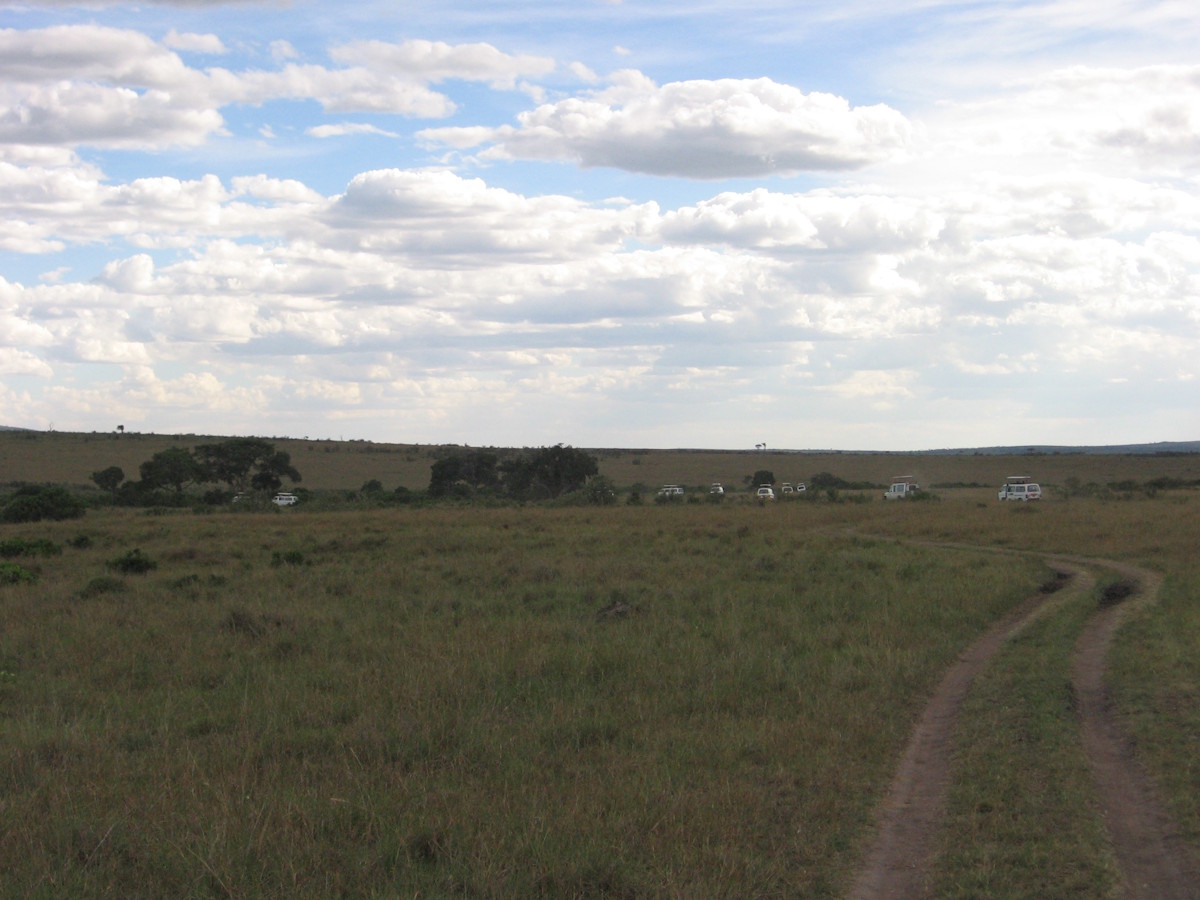
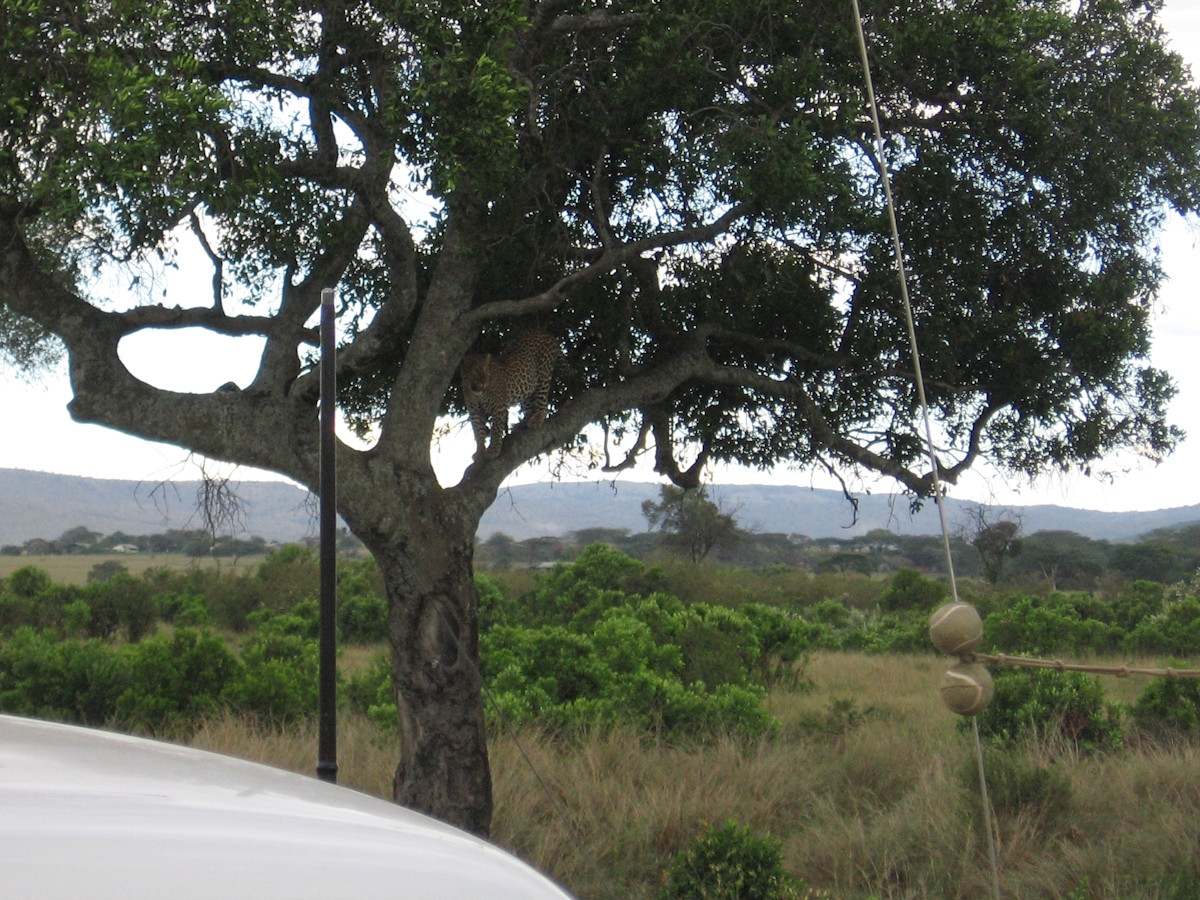
Cars had gathered together again, and that is where we went as well. The leopard didn’t want to stay on the branch but came down from the tree.
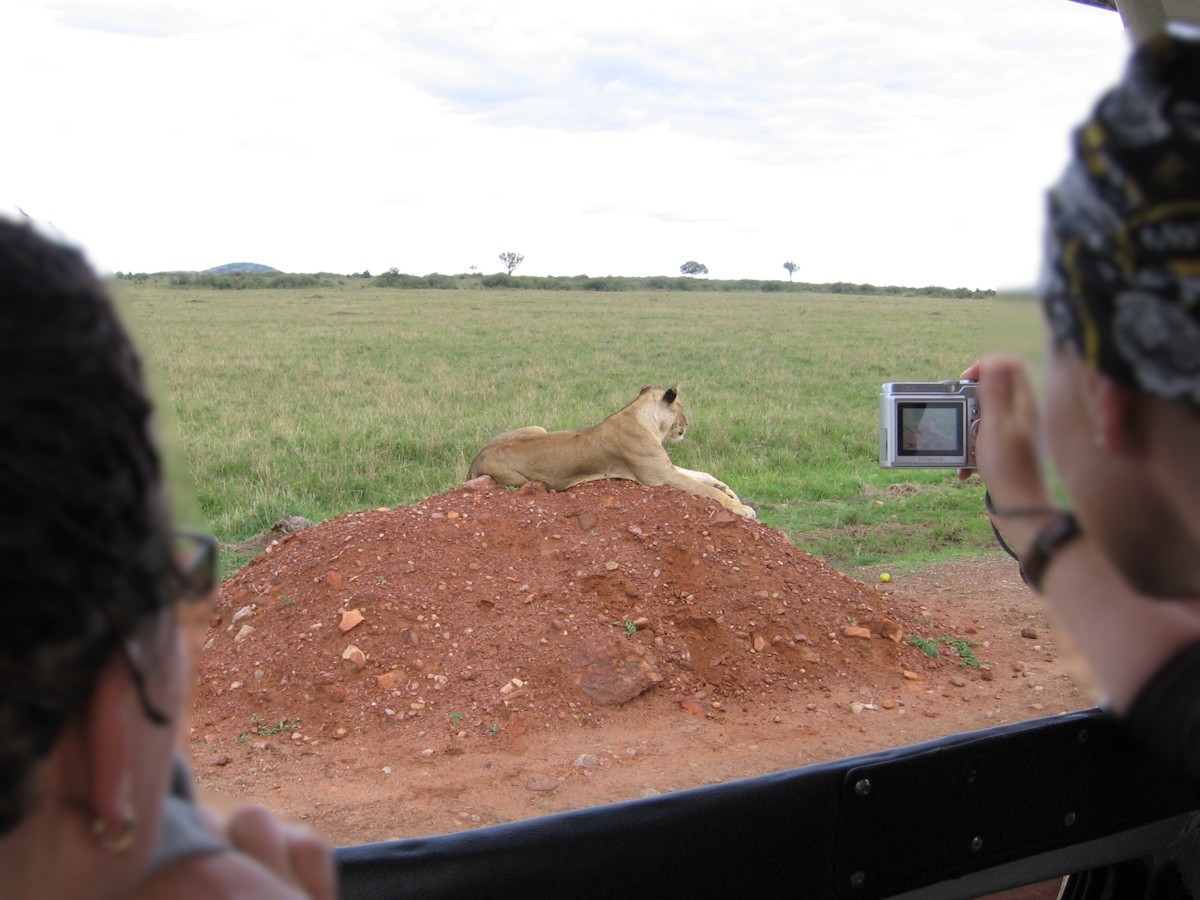
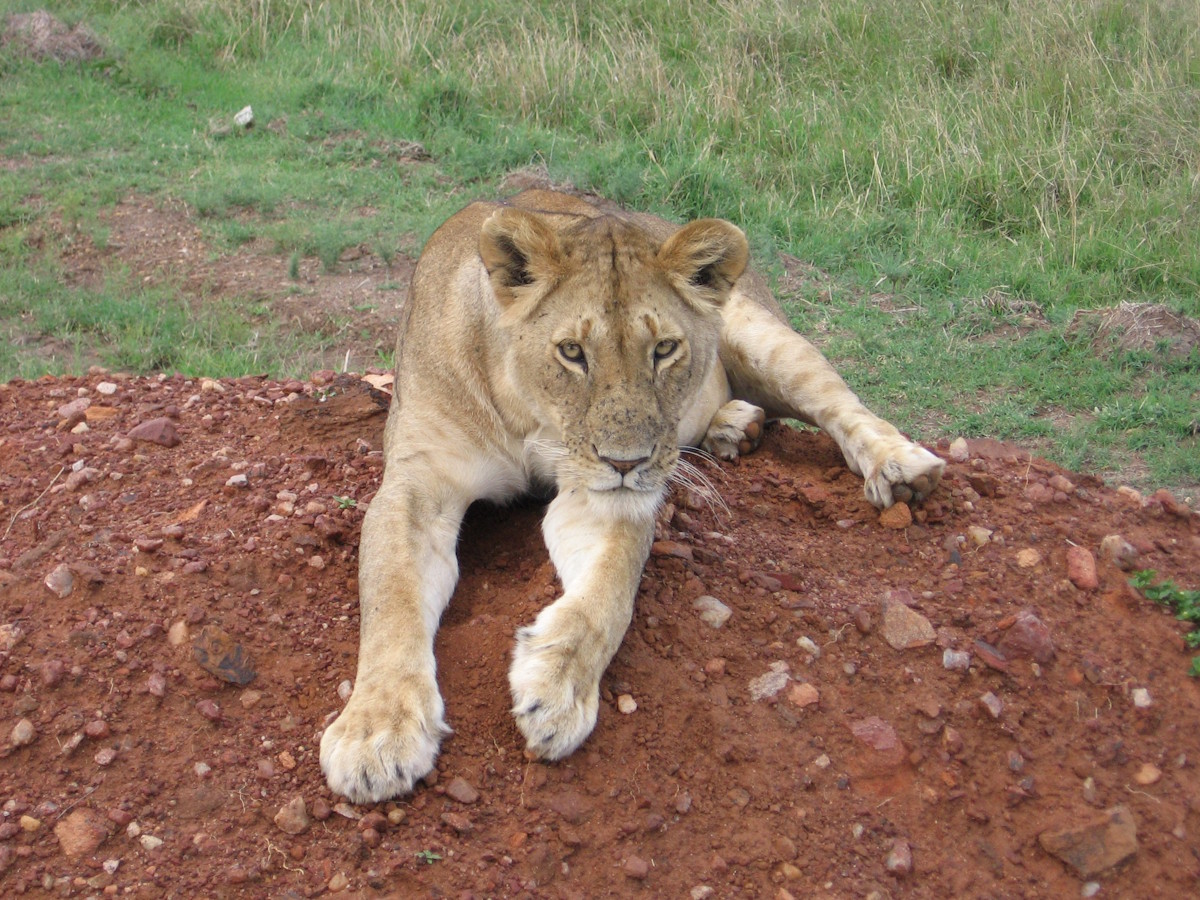
A lion was resting on a heap of sand right beside the road.
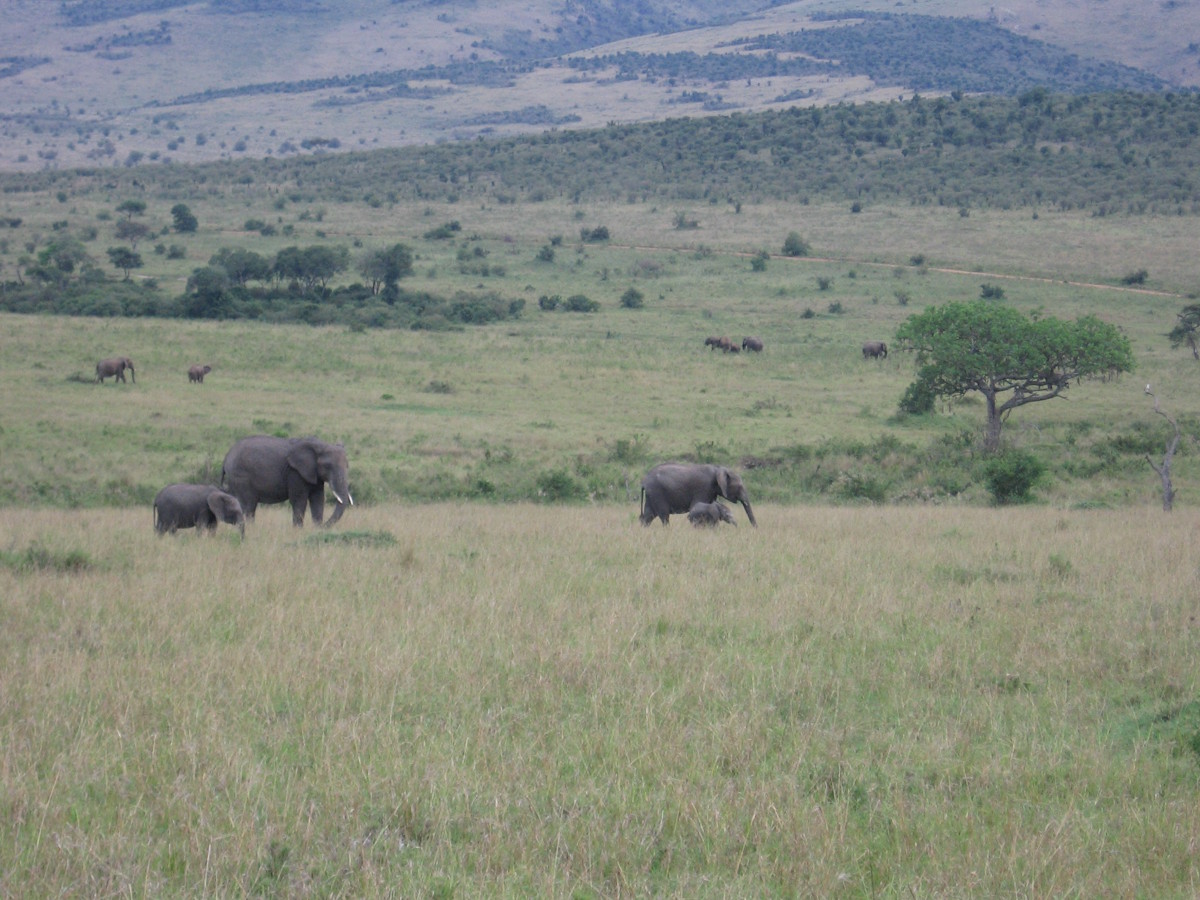
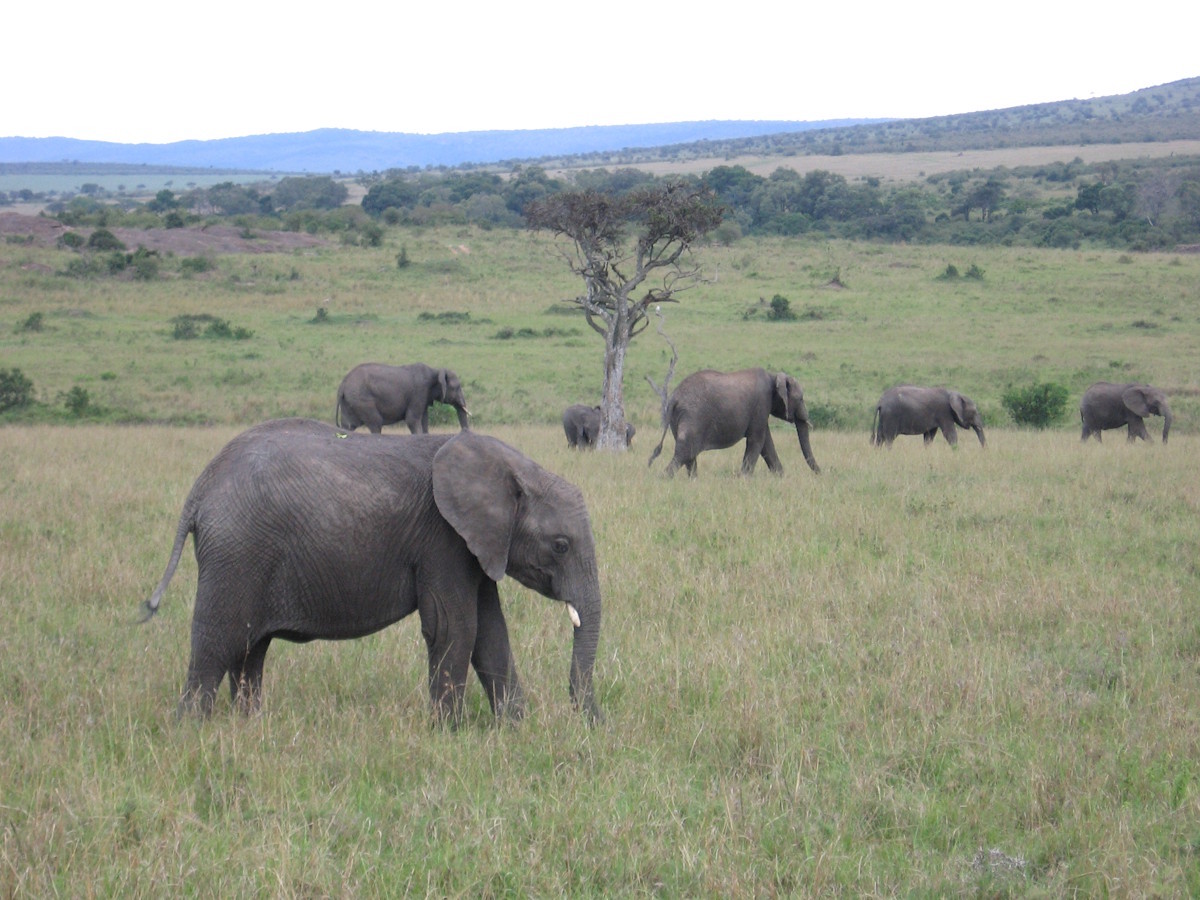
African bush elephant (Loxodonta africana, ndovu-nyika).
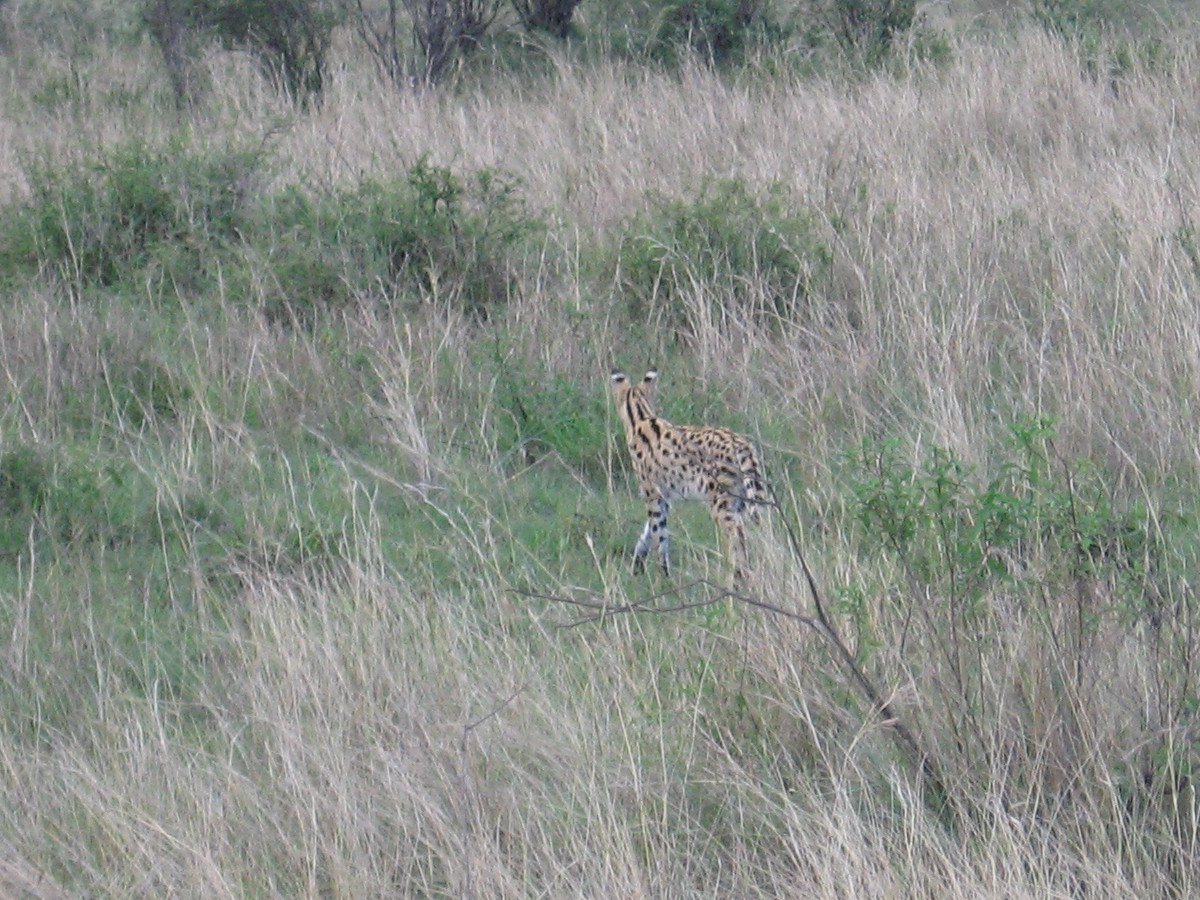
Serval (Leptailurus serval, mondo). One more lion surrounded by people.
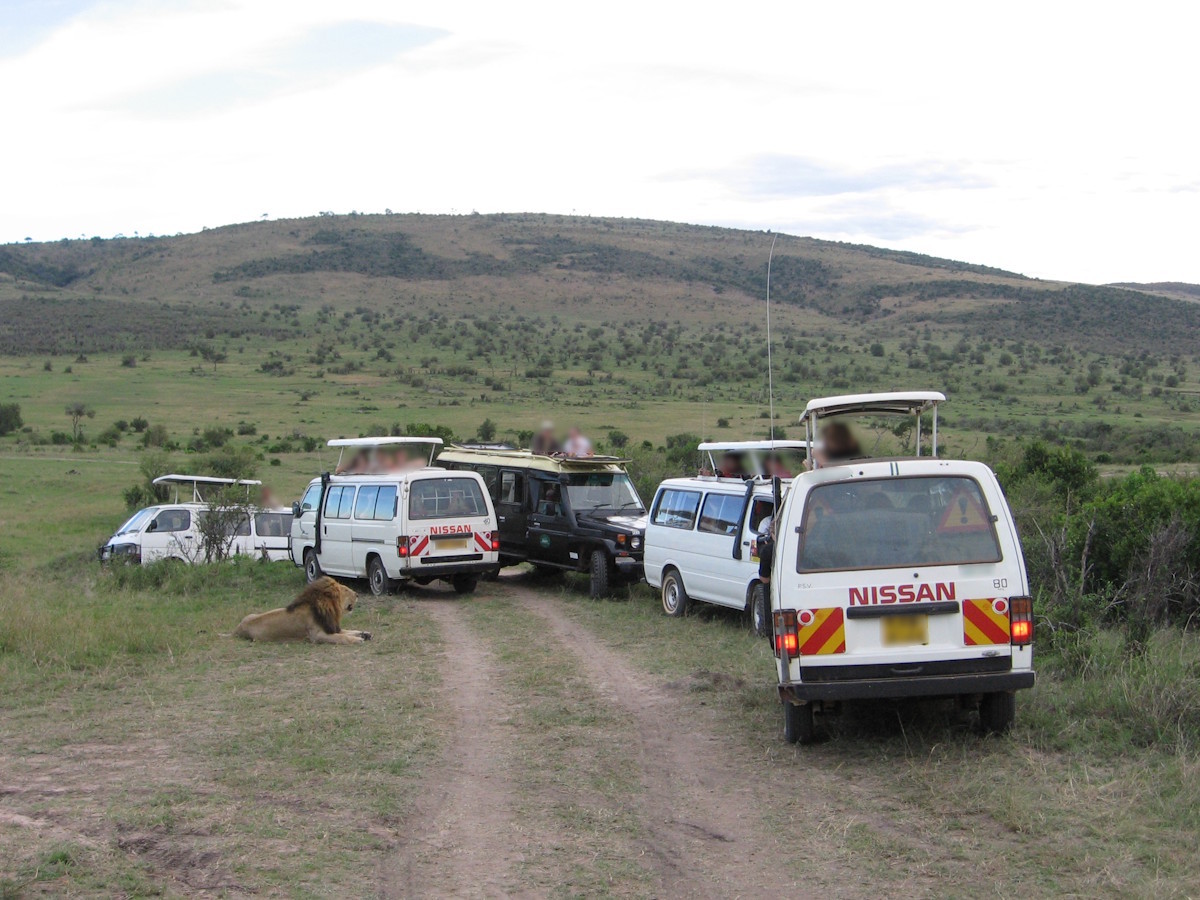
In the evening we continued our group work and then slept one more night in our tents at the edge of Maasai Mara.
Fri 31/10
Little after seven in the morning we left for Nairobi. On the way we saw a worker who was trying to fix the road with a pickaxe and a shovel.
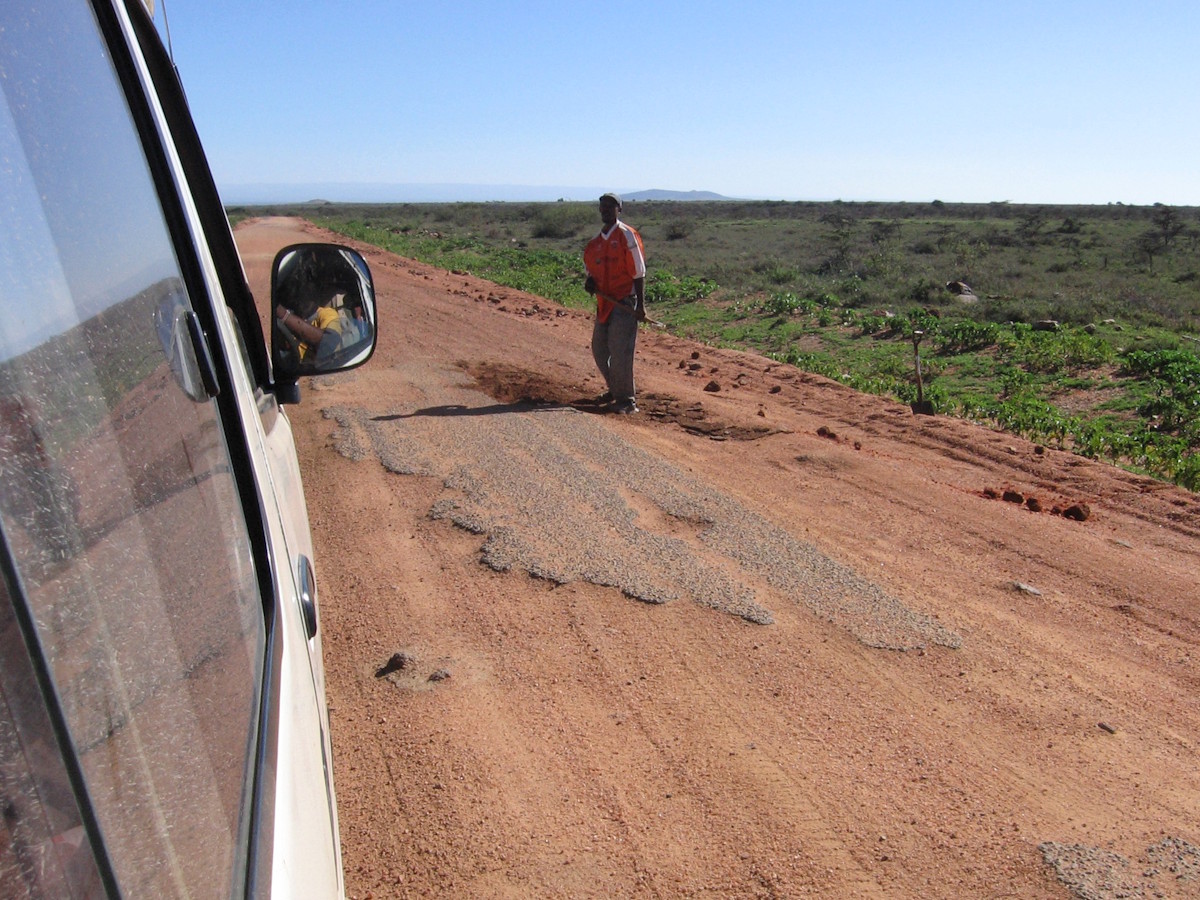
In Narok we stopped at a gas station and checked out the souvenir stalls. When I came out of one of the stalls, the car was gone. I asked a nearby man if he saw where the car went, but he hadn’t noticed anything. Soon I received a text message saying that they had noticed I was not with them and that they’d be back soon. Quite an experience to be left alone on an African gas station.
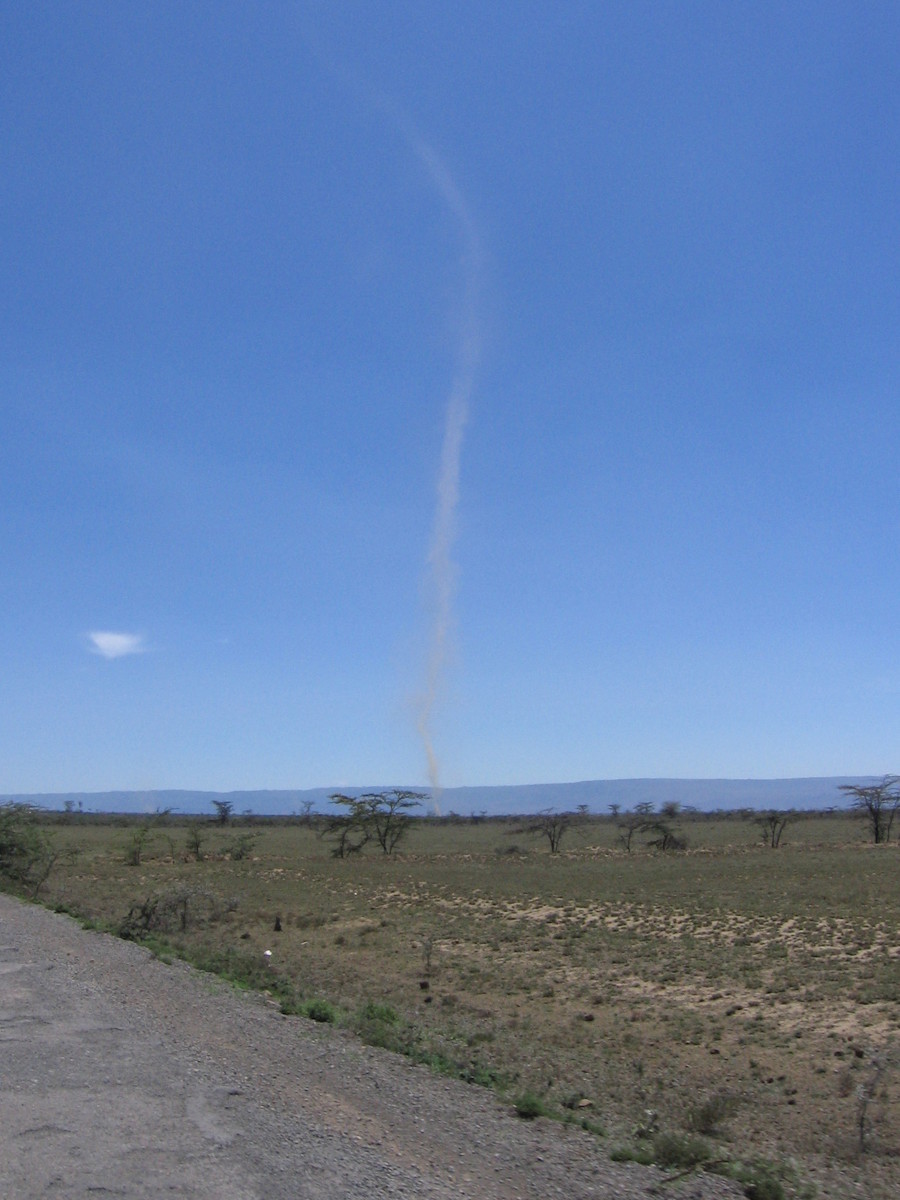
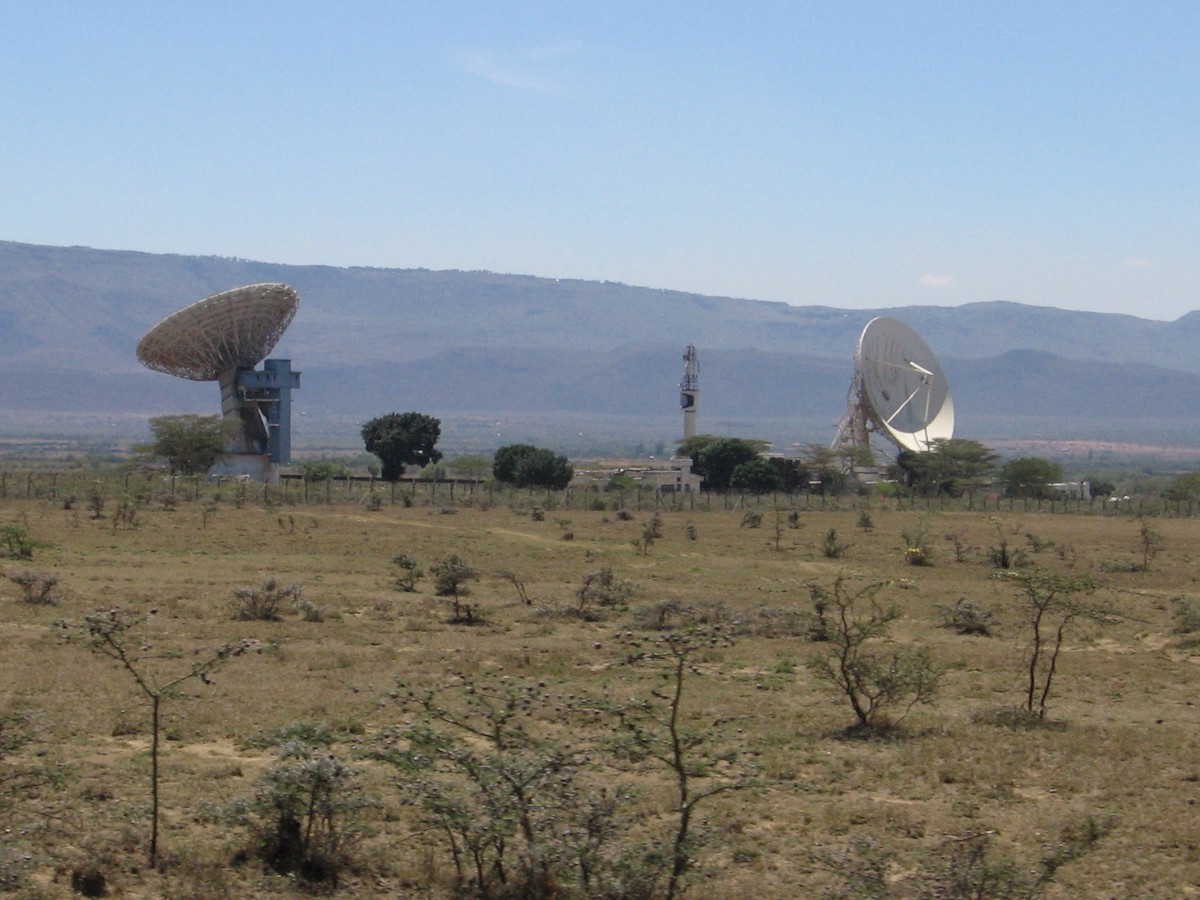
On the road east from Narok we saw a dust devil and a ground station. Longonot Earth Satellite Station became operational in 1970 and it connected East Africa to the rest of the world in a time before fibre optics. After the station wasn’t needed anymore, vandals have been stealing metal from it.
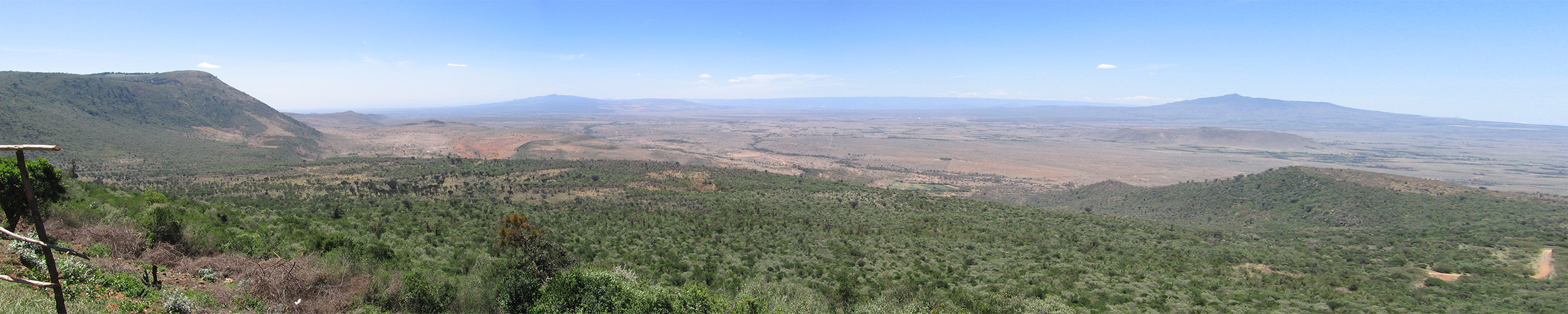
A view point at the edge of the Kenyan Rift Valley. Of the two peaks in the horizon, the left one is Mount Suswa (2,356 m above sea level) and the right one is Mount Longonot again.
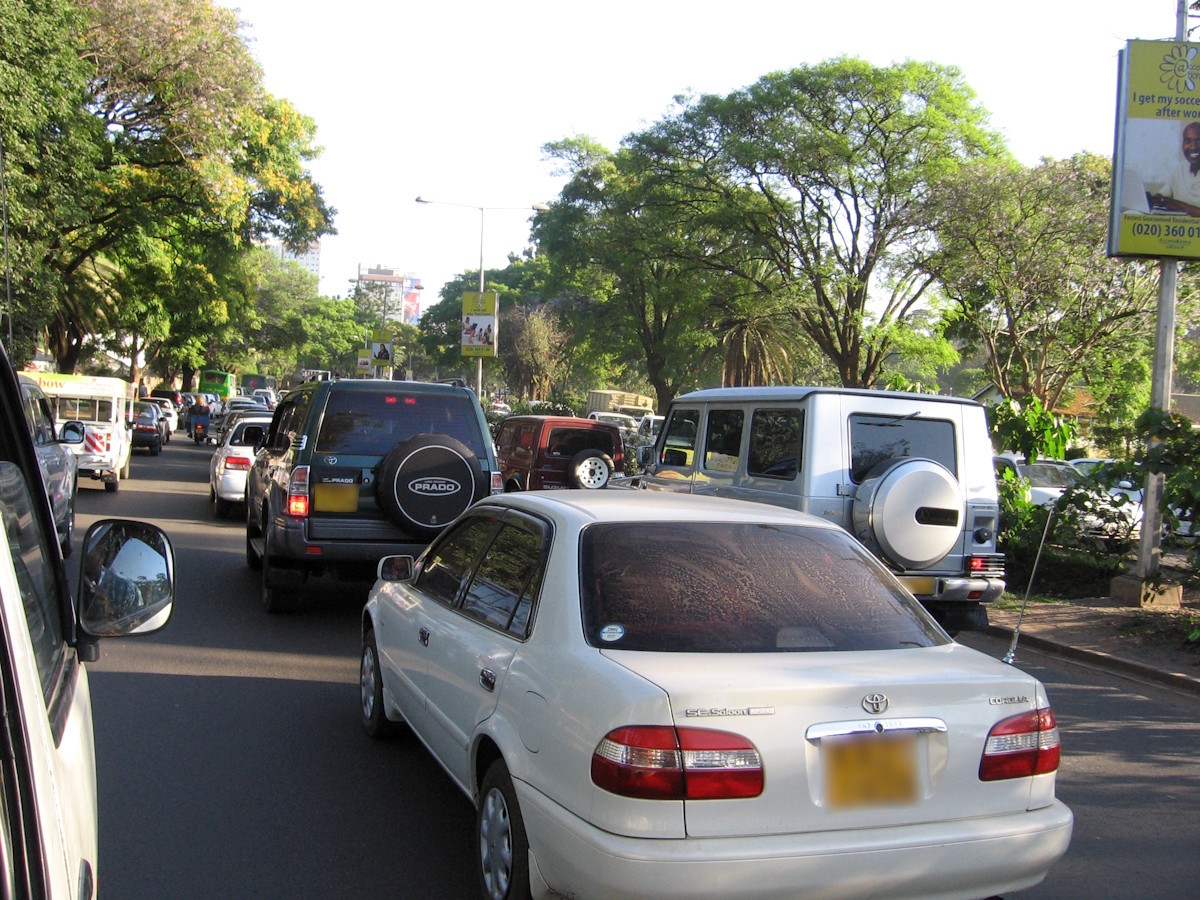
In Nairobi we drove around the city and went to a shopping centre. I bought some coins from before Kenyan independence in a large area resembling a flea market (I have a miscellaneous collection of various currencies). There was some disturbance on a street and tear gas had been used there. In the photo we are on another street in a traffic jam. Peddlers came to the car window to sell their goods.
We had dinner in an Indian restaurant. Speeches were made and we showed the presentations we had worked on during the trip. I read a short thank you speech that I had asked the driver to translate from English to Swahili.
At the airport we repacked our stuff to checked luggage and carry-ons. Then we said goodbye to the Kenyans and went through the security check.
Sat 1/11
The airplane took off a little before 1 am.
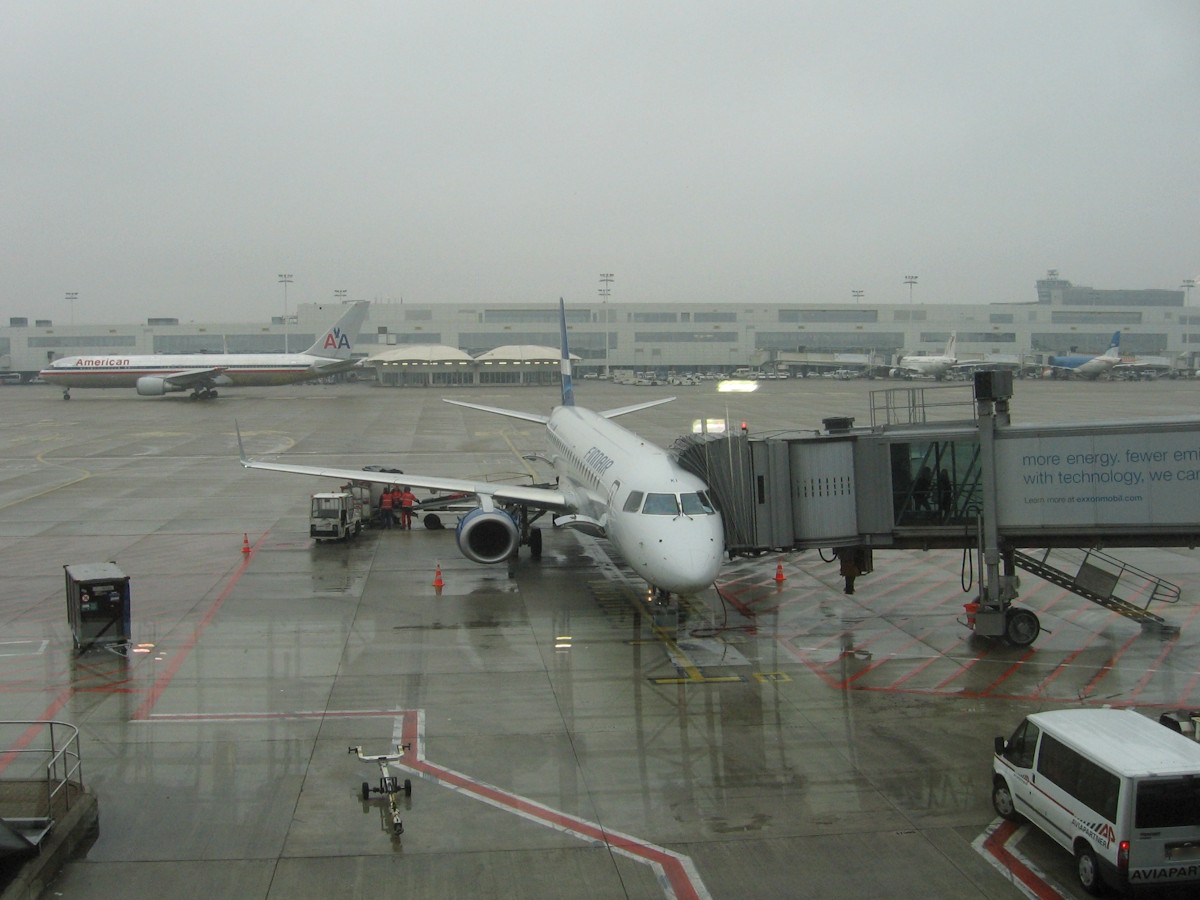
There was a stopover in Brussels again. The connection didn’t leave until more than four hours later. Here’s the airplane that took us to Finland.
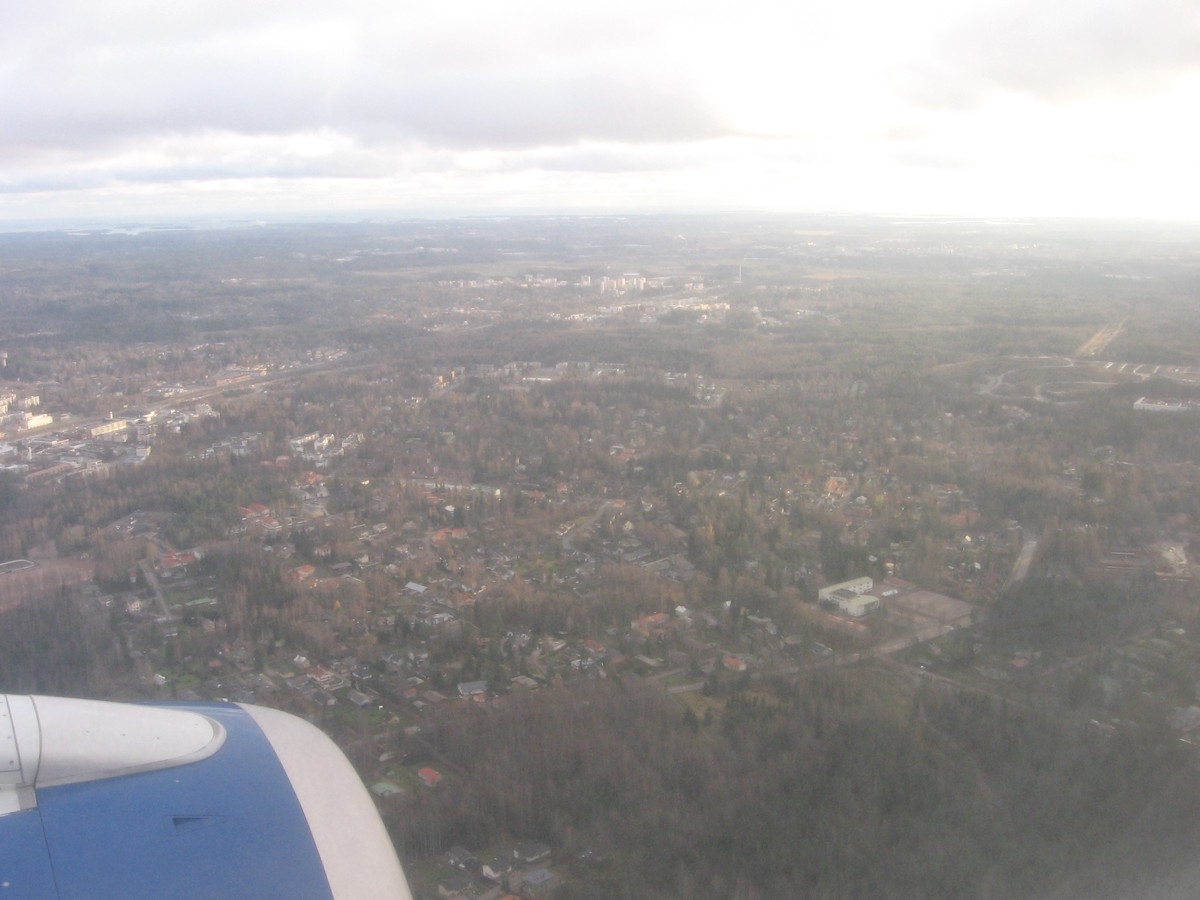
We landed in Finland at three in the afternoon. I got a lift from one of the other students, and I was home in the place where we studied at five.
After the trip
In Finland we finished making the cultivation guides. The tour leader had to push us a bit, but finally we got them ready and they were sent to Kenya.
After a month and a half, the tour leader told us she had got a message that the jatropha farm we started was doing well. About 85 % of the seeds had germinated and the seedlings were growing so well that the villagers had done the first pinching already.